1.The Disillusionment of Political Enthusiasm
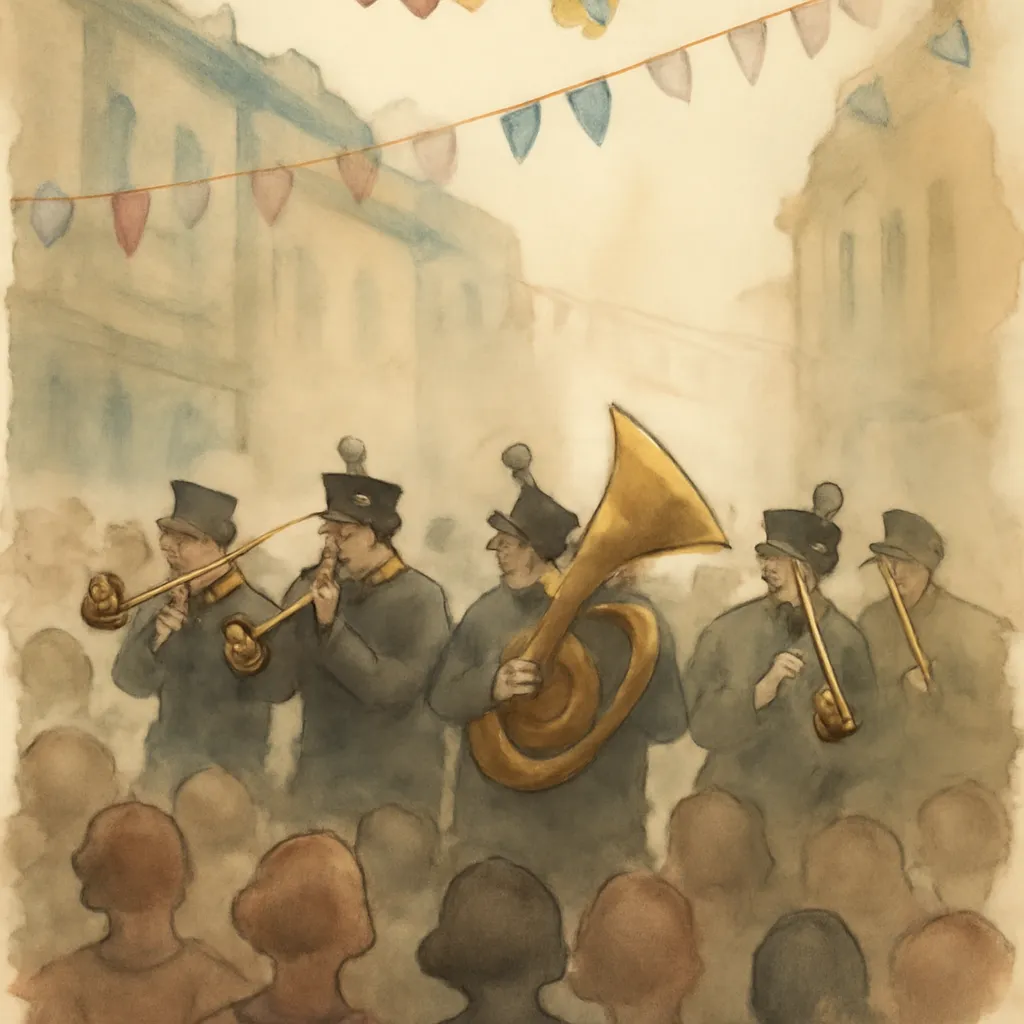
The protagonist, a young delegate at a national convention, quickly becomes disenchanted with the overwhelming fervor surrounding the political event. Initially filled with excitement, he soon finds the atmosphere of brass bands, bunting, and boisterous crowds to be tiresome and hollow. This disillusionment is a poignant reminder of how the idealism of youth can clash with the reality of political life. The protagonist's desire for solitude reflects a deeper yearning for authenticity amid the superficiality of political spectacle. As he escapes to an art gallery for introspection, this moment serves as a critical turning point, illustrating how the pursuit of political power can often lead to personal alienation. Quick vividly captures this tension, emphasizing that while political aspirations can ignite passion, they can also lead to profound disappointment when reality fails to meet expectations.
2.The Power of Unrequited Love
Amidst the political chaos, the protagonist becomes captivated by a couple he observes in a restaurant, sparking a profound reflection on love and desire. His fascination with the 'Empress' and 'Sir John' reveals his yearning for connection and understanding in a world that feels increasingly disconnected. This observation becomes a lens through which he examines his own romantic aspirations and insecurities. The tension between his admiration for the couple and his recognition of his solitude underscores the theme of unrequited love, prompting readers to consider how such feelings shape our identities and decisions. As he grapples with these emotions, the protagonist's internal conflict serves as a poignant reminder of the complexities of human relationships. Quick effectively illustrates how the experience of watching others in love can amplify one’s own feelings of loneliness and longing, leading to a deeper exploration of self and desire.
3.Friendship and Growth

The protagonist reminisces about his childhood friendship with Jimmie Elkins, a bond that transcends their differing paths in life. Jimmie's carefree spirit and adventurous tales of Indian-fighting and gold prospecting contrast sharply with the protagonist's more serious ambitions. Their friendship represents the innocence of youth, the joy of shared experiences, and the inevitable drift that occurs as individuals grow and pursue their respective dreams. Jimmie's eventual foray into the world of business, marked by both success and failure, serves as a metaphor for the unpredictable nature of life and ambition. Through their friendship, Quick explores the enduring power of connection and the bittersweet nature of growing apart, reminding readers of the importance of cherishing those who shape our formative years. The contrast between their paths illustrates how friendship can evolve, reflecting broader themes of aspiration, disappointment, and the passage of time.
4.The Illusion of Control in a Changing World
As the protagonist witnesses the frenetic growth and change in American cities, he reflects on the illusion of control that accompanies ambition. The rapid development of towns and the relentless push for progress create an atmosphere charged with hope and anxiety. This tension highlights the precariousness of success and the unpredictability of fate. The protagonist's observations of construction, urban development, and the fever of industrial change serve as a backdrop for his own ambitions, prompting him to question the sustainability of such rapid growth. Quick captures the essence of a nation in flux, illustrating how individual aspirations can often be swept away in the tide of societal change, leaving one to navigate the complexities of ambition amidst uncertainty. The protagonist's internal struggles echo the larger societal shifts, revealing how personal and political ambitions can be thwarted by forces beyond one's control.
5.The Cost of Ambition and Success
The protagonist's journey into the world of politics and business reveals the often hidden costs of ambition and success. As he becomes more entrenched in the political machine, he grapples with the moral compromises that accompany his rise to power. The allure of financial gain and influence can cloud judgment, leading individuals to make choices that conflict with their values. This internal struggle is mirrored in the relationships he forges, particularly with his friend Jimmie and the women in his life. Quick deftly explores the moral dilemmas faced by those seeking to achieve their dreams, inviting readers to consider the sacrifices made in pursuit of success and the impact on personal integrity. The protagonist's reflections serve as a cautionary tale about the potential pitfalls of ambition, illustrating the tension between personal aspirations and ethical considerations.
6.Community and Collaboration
The protagonist's experiences in Lattimore highlight the significance of community and collaboration in achieving shared goals. As he partners with Jimmie Elkins and others in the burgeoning town, their collective efforts serve as a testament to the power of collaboration in shaping a community's destiny. The camaraderie and shared vision among the townspeople illustrate how individual ambitions can converge to create something greater than oneself. This theme resonates throughout the narrative, emphasizing that success is often a collective effort rather than a solitary pursuit. Quick's portrayal of Lattimore's growth reveals the importance of building supportive networks and fostering relationships that can propel individuals and communities toward prosperity. The protagonist's journey becomes a microcosm of the broader societal progress, showcasing how mutual support can lead to transformative change.
7.The Intricacies of Love and Relationships
Throughout the narrative, Quick delves into the intricacies of love and relationships, demonstrating how personal connections can both uplift and complicate one's life. The protagonist's interactions with women, particularly Antonia and Josie, highlight the complexities of romantic entanglements amid societal expectations. His desire for connection is often met with obstacles, as characters navigate their ambitions and personal challenges. Quick captures the nuances of courtship, friendship, and the emotional turmoil that accompanies love, prompting readers to reflect on their own experiences with relationships. The interplay between love and ambition serves as a reminder that personal connections can significantly impact one's journey, shaping decisions and influencing outcomes. This exploration of relationships provides depth to the protagonist's character, enhancing the emotional resonance of the narrative.
8.The Role of Fate and Chance
As events unfold, the protagonist becomes increasingly aware of the role of fate and chance in shaping his life. From serendipitous encounters to unforeseen setbacks, the narrative illustrates how unpredictable forces can alter the course of one's ambitions. Quick's exploration of fate invites readers to consider the extent to which individuals can control their destinies versus the influence of external circumstances. This theme resonates powerfully in the context of the protagonist's political aspirations, where chance encounters can lead to unexpected opportunities or challenges. The interplay between agency and fate serves as a poignant reminder of the complexities of life, highlighting that while ambition drives individuals forward, they must also navigate the uncertainties that lie ahead. Quick masterfully illustrates how the characters' paths are often shaped by forces beyond their control, underscoring the unpredictability of life.
9.The Illusion of Wealth and Status
As Lattimore transforms into a bustling hub of commerce and industry, the narrative critiques the illusion of wealth and status that often accompanies success. The protagonist's rise in the social hierarchy brings him into contact with the wealthy elite, revealing the superficiality that can accompany affluence. Quick examines how societal expectations and the pursuit of material wealth can detract from genuine fulfillment and happiness. As characters grapple with their newfound status, they often confront the emptiness that can accompany wealth, prompting reflections on what truly constitutes a meaningful life. This critique serves as a powerful reminder that the pursuit of wealth should not overshadow the importance of personal values and authentic connections. The protagonist's journey reveals that true worth is not measured by material possessions, but by the quality of relationships and the impact one has on others.
10.The Transience of Success and Glory
The narrative underscores the transient nature of success and glory, as the protagonist witnesses the ebbs and flows of fortune in both his life and the lives of those around him. The initial excitement of political triumph gives way to the sobering reality of setbacks and disappointments. Quick captures the fleeting nature of recognition and acclaim, reminding readers that even the most celebrated achievements can quickly fade. This theme resonates deeply in the context of the protagonist's political aspirations, where the highs of success are often followed by the lows of disillusionment. The exploration of transience serves as a poignant reminder that true fulfillment lies not in external accolades, but in the connections and experiences that enrich our lives. Quick's reflections on success's impermanence challenge readers to reconsider their own definitions of achievement and happiness.