1.The Roots of Resilience

Ida M. Tarbell's upbringing in a log house in Erie County, Pennsylvania, during the Panic of 1857 laid the foundation for her resilience and determination. Born into a family with pioneering roots, her parents sought a stable life through land ownership and hard work, which became central themes in her life. The memories of her childhood, particularly the big cool milk room filled with dairy products and the bustling activities of her grandfather's farm, instilled in her a love for hard work and community. Tarbell's father's quest for a farm in the West mirrored the American dream—seeking opportunity and prosperity in adversity. This early experience not only shaped Tarbell's work ethic but also influenced her later investigative journalism, where she sought to uncover the truths behind the American industrial landscape. The struggles and triumphs of her formative years highlight how personal history can inform professional ambition and a lifelong commitment to advocating for others.
2.From Biology to Journalism
Initially aspiring to be a biologist, Tarbell's transition to journalism marked a significant turning point in her life. At Allegheny College, she encountered a rich world of ideas, history, and tradition, which contrasted sharply with her pioneer upbringing. This exposure ignited her curiosity about society and its evolving landscape, leading her to the realization that storytelling could influence public opinion. As she explored her interests, the oil boomtown of Titusville provided a unique backdrop, where the rapid industrialization presented both challenges and opportunities. Tarbell's decision to pursue journalism instead of biology reflected her belief that her voice could impact society more profoundly through the written word. This shift underscores the importance of adaptability and the pursuit of passion over convention, as she found her true calling in reporting.
3.The Challenge of Teaching
Tarbell's first teaching position at Poland Union Seminary came with unexpected challenges that tested her resolve and adaptability. Stepping into the shoes of a beloved predecessor, she faced the daunting task of winning over a community that deeply revered Miss Blakeley. The pressure to succeed in a role she felt unprepared for forced Tarbell to confront her insecurities and develop resilience. The villagers' initial skepticism about her age and experience highlighted the societal expectations placed on women in leadership roles. However, these challenges also provided her with valuable lessons in community engagement and the importance of building trust. This experience not only honed her teaching skills but also shaped her understanding of public perception, a theme that would recur in her journalistic endeavors. The lessons learned during this time laid the groundwork for her future success as an influential writer.
4.The Chautauqua Movement and Lifelong Learning
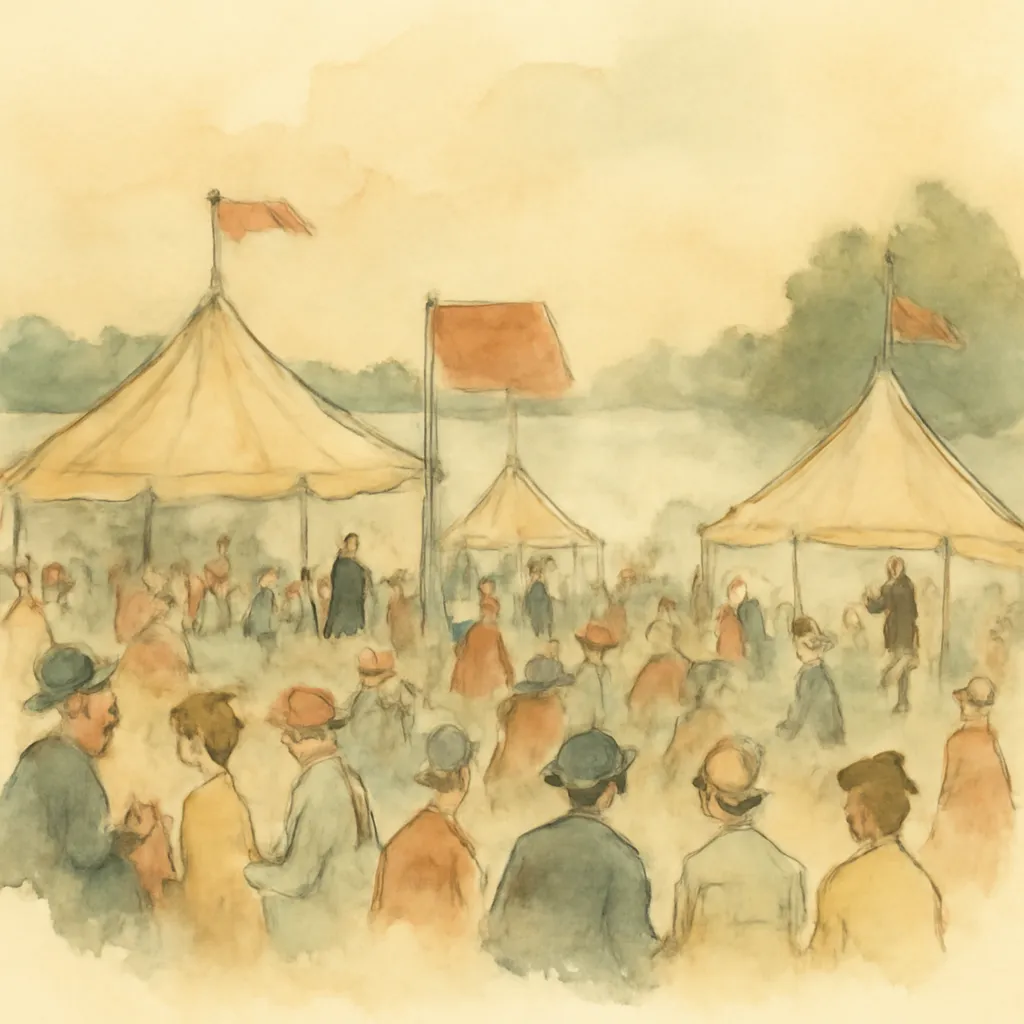
The Chautauqua Movement played a pivotal role in shaping Tarbell's intellectual development and commitment to lifelong learning. Beginning as an annual Methodist camp meeting, the movement evolved to emphasize education, culture, and civic engagement. Tarbell found herself immersed in this community that championed the dissemination of knowledge, fostering her belief in the importance of educated citizenship. Her involvement with the Chautauqua community allowed her to engage with diverse perspectives, interact with influential thinkers, and cultivate her writing skills. The movement's principles of self-improvement and social responsibility resonated deeply with her, reinforcing her belief that education could empower individuals to shape their communities. Tarbell's advocacy for education and involvement in the Chautauqua Movement reflect a core tenet of her work, emphasizing the belief that knowledge is essential for societal progress and empowerment.
5.Love and Ambition in Paris
Tarbell's love for Paris was not merely romantic; it represented a pivotal chapter in her journey toward self-sufficiency and professional growth. Upon arriving in the city, she was determined to establish herself as a writer amidst the vibrant artistic community. With only $150 in her pocket, she engaged in a careful budgeting strategy to survive. Connecting with fellow American expatriates, she found camaraderie and creative support, allowing her to navigate the competitive landscape of journalism. Tarbell's meticulous planning for self-support in a foreign land showcased her strategic thinking and resolve. The experience not only enriched her writing but also deepened her understanding of the global context of American industry and culture, influencing her later work on historical figures like Madame Roland. Paris became a crucible for her ambitions, where the confluence of personal and professional aspirations flourished.
6.The Birth of Investigative Journalism

Tarbell's groundbreaking work on the Standard Oil Company marked a monumental evolution in the field of investigative journalism. Her in-depth research and analysis of the monopolistic practices of John D. Rockefeller revealed the darker side of American capitalism, challenging the prevailing notions of the time. By meticulously documenting the company's rise and the tactics employed to stifle competition, Tarbell not only informed the public but also spurred legislative action against corporate monopolies. Her work exemplified the muckraking tradition, where exposing corruption and corporate greed served as a catalyst for reform. This landmark investigation illustrated her commitment to truth and justice, positioning her as a leading figure in the muckraking movement, and demonstrating how journalism could drive social change. Tarbell's work not only shaped public opinion but also laid the groundwork for future journalists to pursue similar inquiries into corporate ethics and accountability.
7.The Role of the Muckraker
As one of the most prominent muckrakers of her time, Tarbell understood the power and responsibility that came with exposing societal injustices. Her investigations were not merely about scandal; they were rooted in a desire to foster accountability among powerful institutions. Tarbell's approach to muckraking emphasized the importance of thorough research, ethical reporting, and a commitment to public service. She navigated the fine line between advocacy and objectivity, striving to present her findings in a way that would resonate with the public and inspire change. Through her work, Tarbell illustrated that journalism could serve as a catalyst for social reform, challenging the status quo while advocating for the rights of the average citizen. Her experience in the muckraking movement underscored the importance of transparency in governance and the role of the press in upholding democratic ideals.
8.Reflections on American Democracy
Throughout her career, Tarbell grappled with the challenges facing American democracy, particularly in the wake of industrialization and corporate consolidation. Her reflections on the post-Civil War era revealed her concerns about the erosion of democratic ideals in the face of rampant greed and corruption. As she delved into the complexities of American life, Tarbell sought to understand how societal values had shifted and what that meant for the future of democracy. Her work served as a critique of the socio-economic structures that threatened to undermine the principles of equality and fairness. By confronting these issues head-on, Tarbell called for a renewed commitment to the ideals of democracy, urging citizens to engage actively in the political process. Her insights provide a valuable framework for understanding the ongoing struggles to balance economic interests with democratic governance.
9.Women in Journalism and Society
Tarbell's career not only paved the way for women in journalism but also highlighted the broader societal changes regarding women's roles. As one of the few female journalists of her time, she faced significant obstacles, from gender bias to professional skepticism. Yet, her success demonstrated that women could excel in fields traditionally dominated by men. Tarbell's advocacy for women's rights and her involvement in the suffrage movement underscored her belief in the necessity of women's voices in shaping public discourse. By championing the cause of women, she contributed to the gradual shift in societal attitudes, empowering future generations of female journalists and activists to pursue their ambitions fearlessly. Tarbell's legacy in journalism is intertwined with her commitment to social equality, inspiring women to assert their rightful place in all spheres of public life.
10.Legacy and the Evolution of Journalism
Tarbell's contributions to journalism and societal reform continue to resonate today, as her work laid the foundation for modern investigative reporting. Her commitment to truth, ethical standards, and social responsibility set a precedent for journalists who followed in her footsteps. The principles she championed—thorough research, accountability, and a dedication to public service—remain essential in the current media landscape. Her legacy serves as a reminder of the vital role that journalism plays in democracy and the importance of striving for a more equitable society. Tarbell's influence extends beyond her time, as her methods and values continue to inspire journalists to pursue their craft with integrity and purpose. In an age of misinformation and corporate influence, her life and work are a testament to the enduring power of truth-telling in shaping public consciousness.