1.The Unseen Forces That Shape Us
The novel’s title points to both literal and metaphorical light: the electromagnetic spectrum beyond human sight, and the intangible forces—love, hope, fate—that steer our lives. Through Marie-Laure’s blindness and Werner’s fascination with invisible radio waves, Doerr explores how much of our world is shaped by what we cannot see, be it the moral consequences of our choices or the invisible networks of people resisting oppression.
2.Innocence Amidst Brutality
By focusing on two young protagonists, Doerr contrasts the innocence of childhood with the brutality of war. Marie-Laure’s curiosity and Werner’s intellectual hunger are set against the backdrop of Nazi occupation and violence. The novel asks how innocence can survive in such circumstances, and whether it can be reclaimed after being lost.
3.Moral Complexity and Individual Agency
Werner’s journey, in particular, underscores the moral ambiguity faced by individuals under totalitarian regimes. The book resists easy judgments, instead showing how ordinary people can be swept up by larger historical currents, yet still retain moments of choice. It invites readers to consider the limits and possibilities of personal responsibility in times of crisis.
4.The Power of Storytelling and Memory
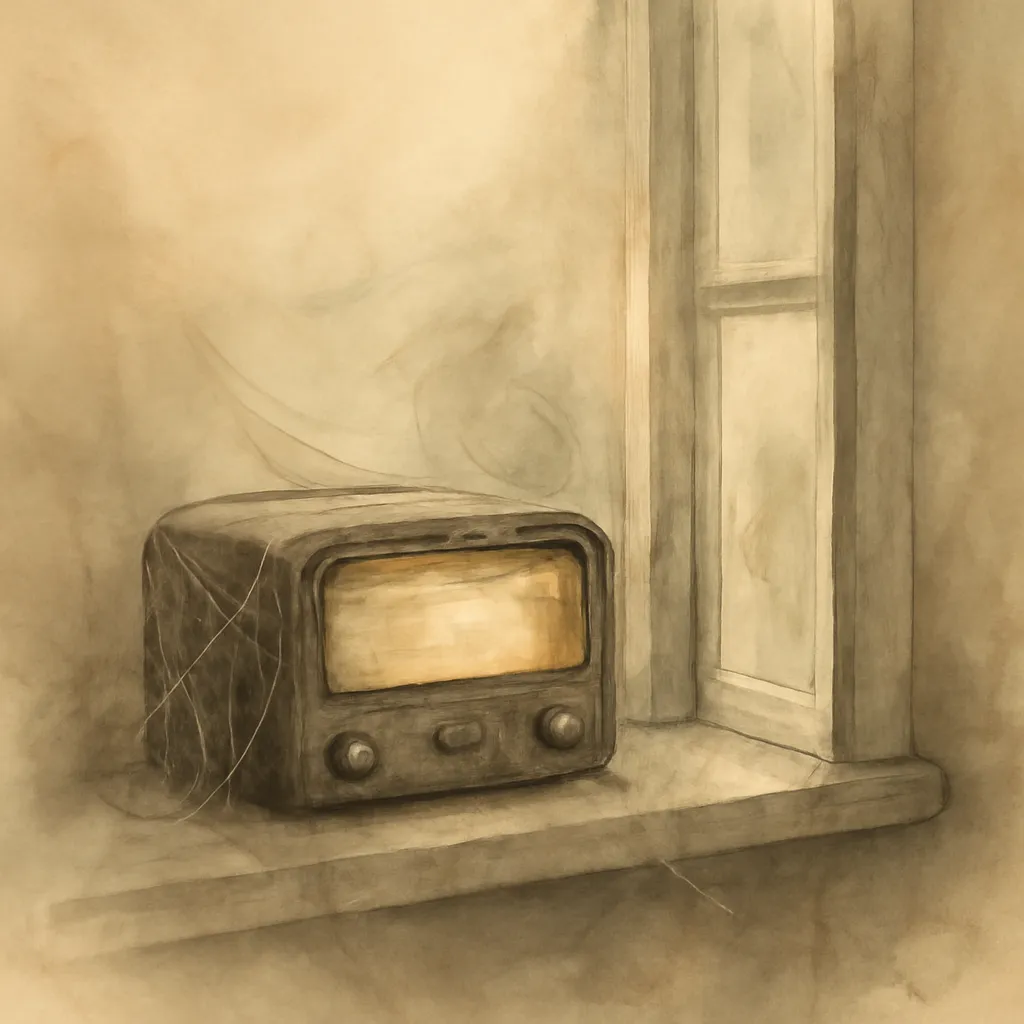
Storytelling—through books, models, radio broadcasts—serves as a lifeline for characters, connecting them across distances and dangers. Doerr suggests that stories, memories, and shared knowledge are essential for survival, resistance, and healing, especially when the physical world is fractured by war.
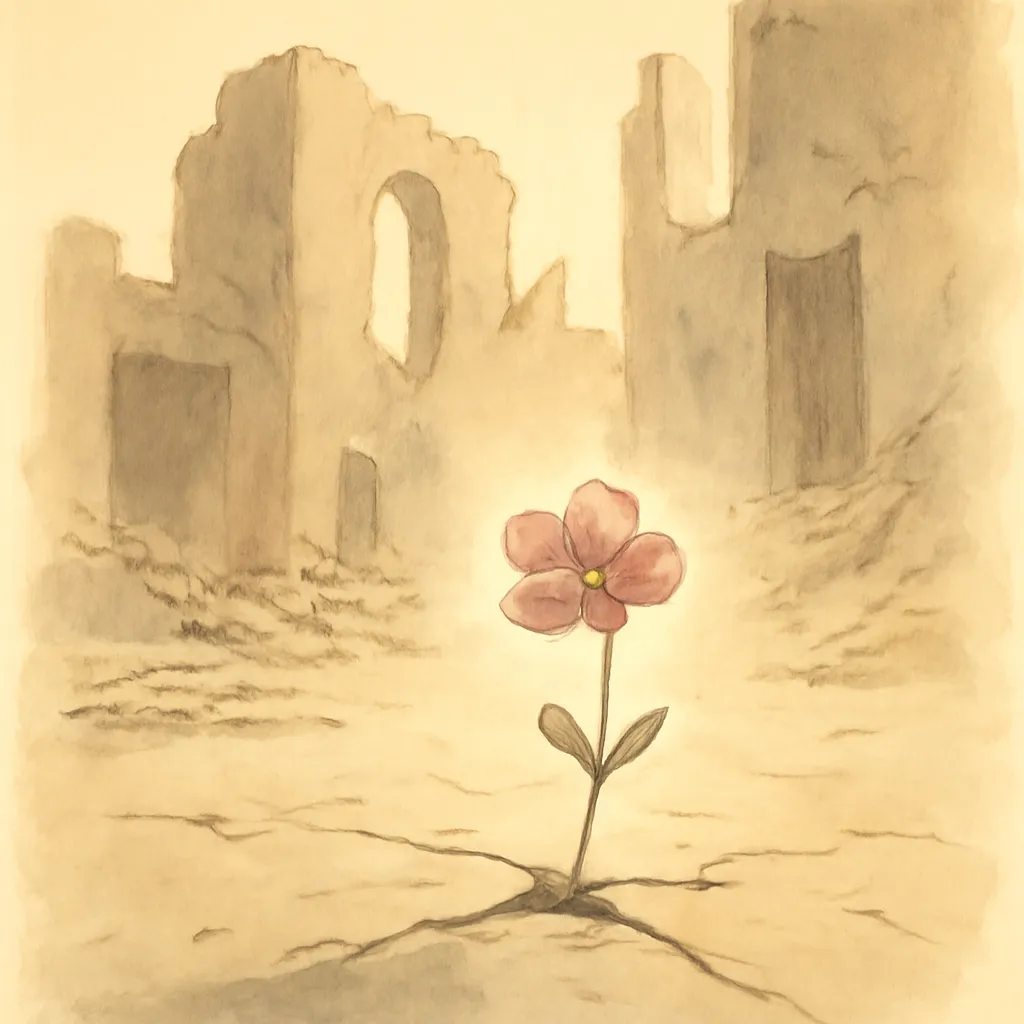
5.Beauty and Resilience in Destruction
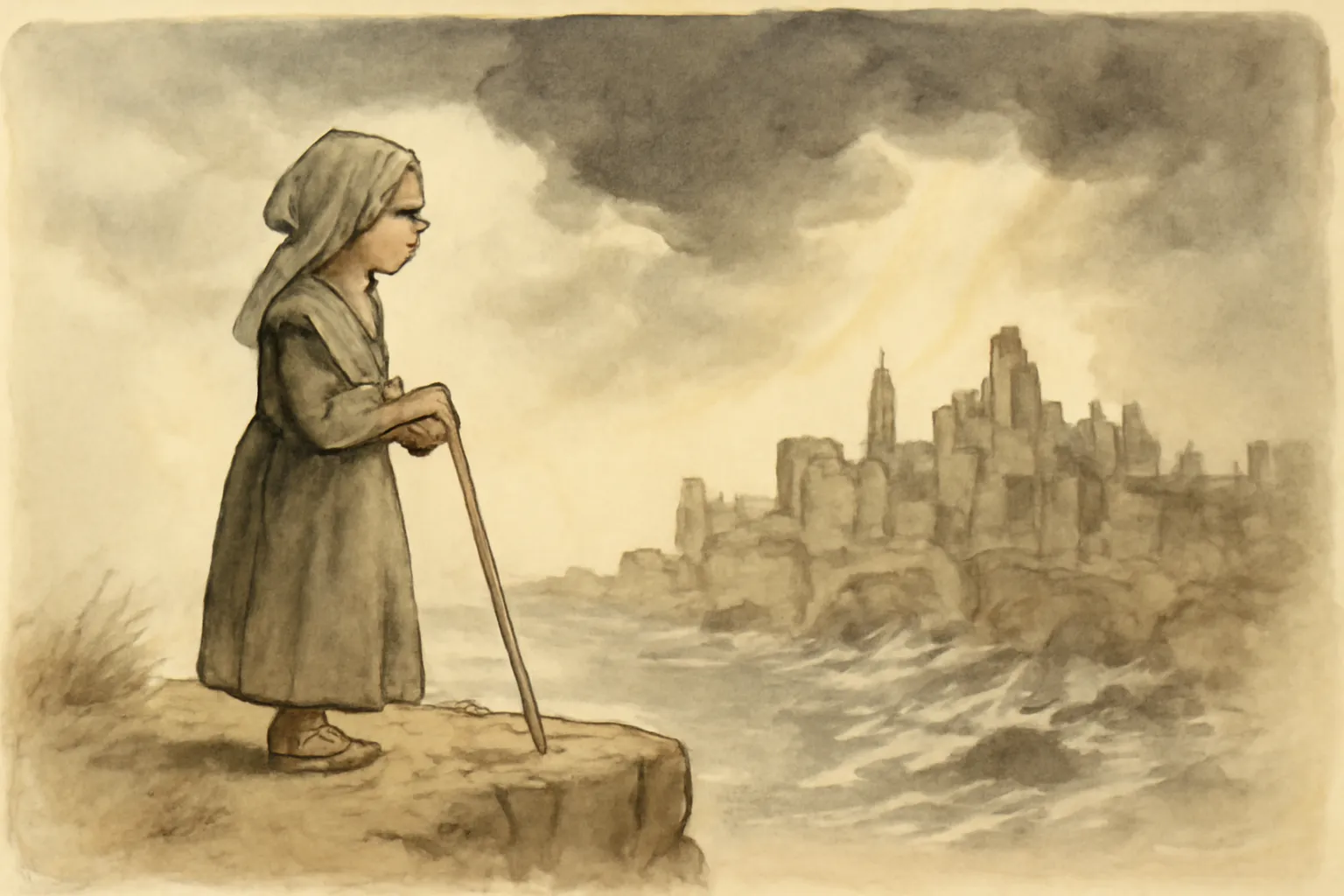
Doerr’s prose dwells on sensory detail and the persistence of beauty, even in ruined places. The city of Saint-Malo, Marie-Laure’s model city, and the natural world all offer moments of wonder and solace. The novel argues that beauty and kindness are acts of resistance, helping people endure and even transcend devastation.
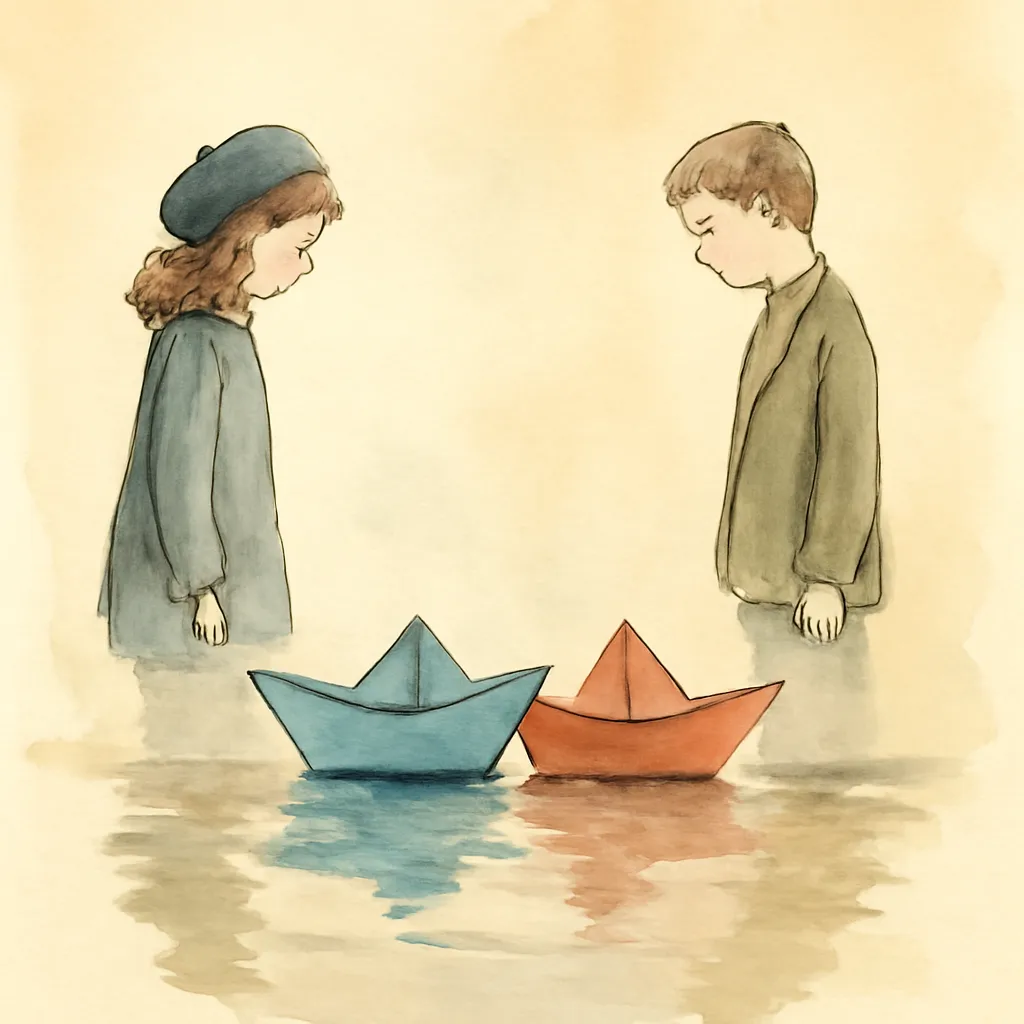
6.Interconnectedness Across Borders
By weaving together the stories of a French girl and a German boy, the novel highlights how lives are interconnected, even across enemy lines. It challenges nationalistic and simplistic narratives of war, emphasizing shared humanity and the ripple effects of compassion and cruelty alike.