1.The End of the Frontier
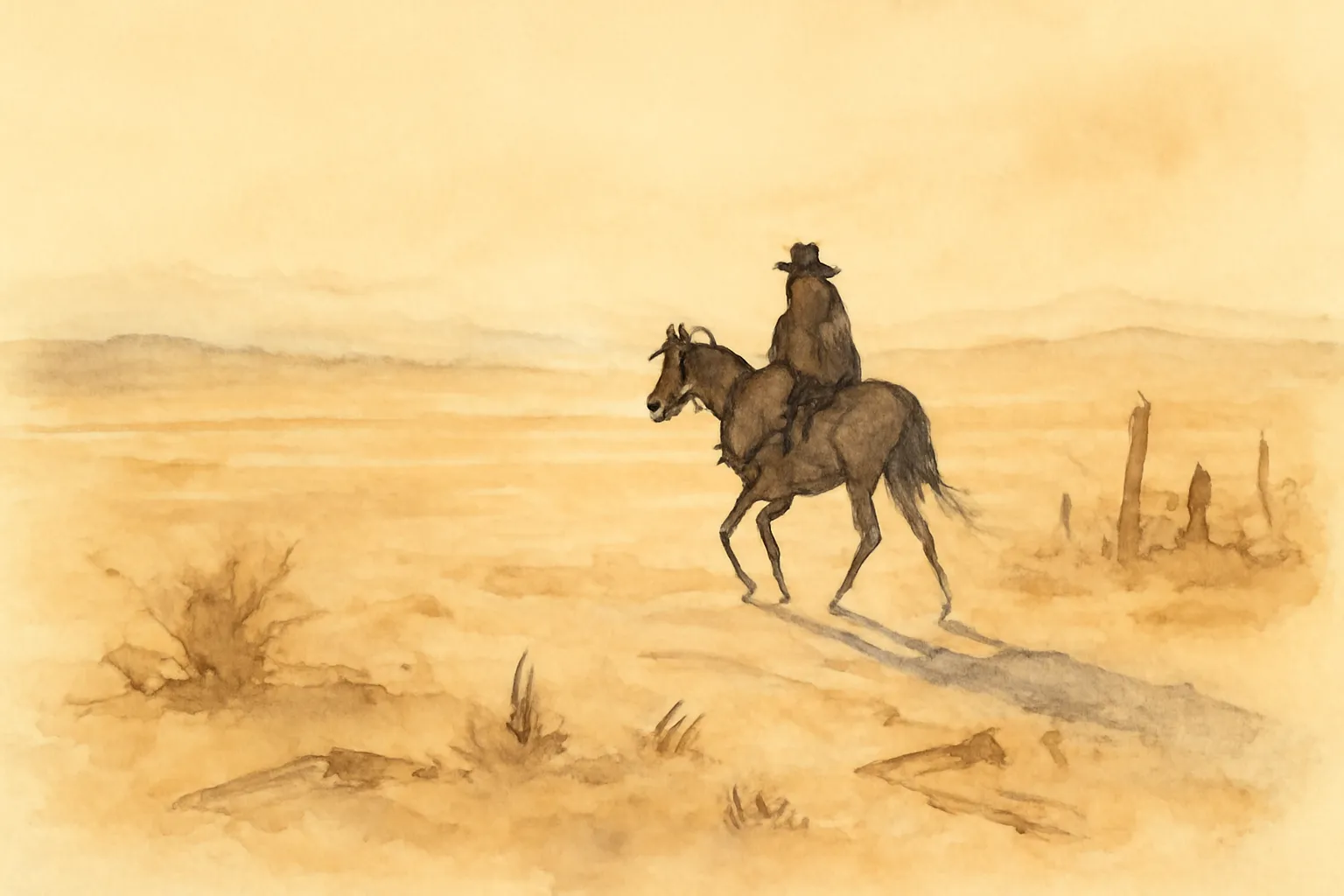
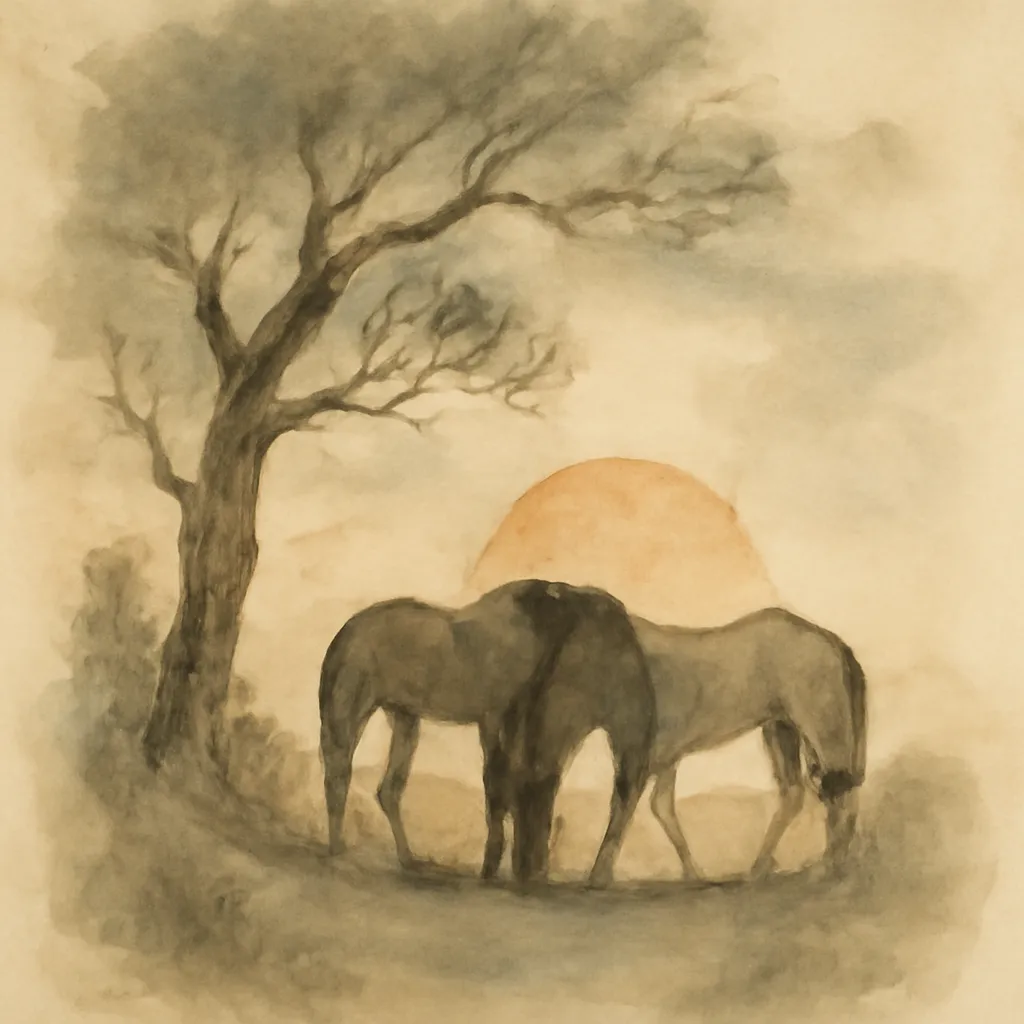
McCarthy’s novel mourns the passing of the old West, portraying a landscape and way of life on the brink of extinction. Through John Grady’s journey, the book examines the loss of open spaces, traditional values, and the mythic cowboy ideal. The encroachment of modernity is felt in every scene, making the protagonist’s quest both nostalgic and tragic—a search for authenticity in a world that no longer accommodates it.
2.Coming of Age Through Hardship
At its core, the novel is a bildungsroman. John Grady’s experiences—love, violence, betrayal, and loss—force him to confront adult realities far removed from his romantic ideals. The harshness of the world strips away his innocence, but also forges his character. McCarthy suggests that maturity is earned through suffering, and that the journey from youth to adulthood is as much about disillusionment as it is about self-discovery.
3.Moral Ambiguity and Justice
All the Pretty Horses refuses easy moral judgments. The characters navigate a world where right and wrong are often blurred, and justice is arbitrary or even cruel. John Grady’s sense of honor is tested repeatedly, and he must make choices with no clear answers. McCarthy explores how individuals try to maintain integrity in a world that often punishes virtue as much as vice.
4.The Power and Limits of Love
The romance between John Grady and Alejandra is central to the novel, embodying both the allure and the impossibility of pure love in a compromised world. Their relationship is passionate but doomed, shaped by social boundaries, family expectations, and the harsh realities of their environment. McCarthy uses their love story to question whether passion can survive in a world governed by tradition and fate.
5.Language, Silence, and Storytelling
McCarthy’s distinctive style—sparse punctuation, lyrical descriptions, and dialogue that often goes unmarked—mirrors the novel’s themes of communication and isolation. Characters struggle to articulate their feelings and histories, and much is left unsaid. The novel suggests that some experiences defy language, and that storytelling itself is an act of both connection and limitation.
6.Man and Nature
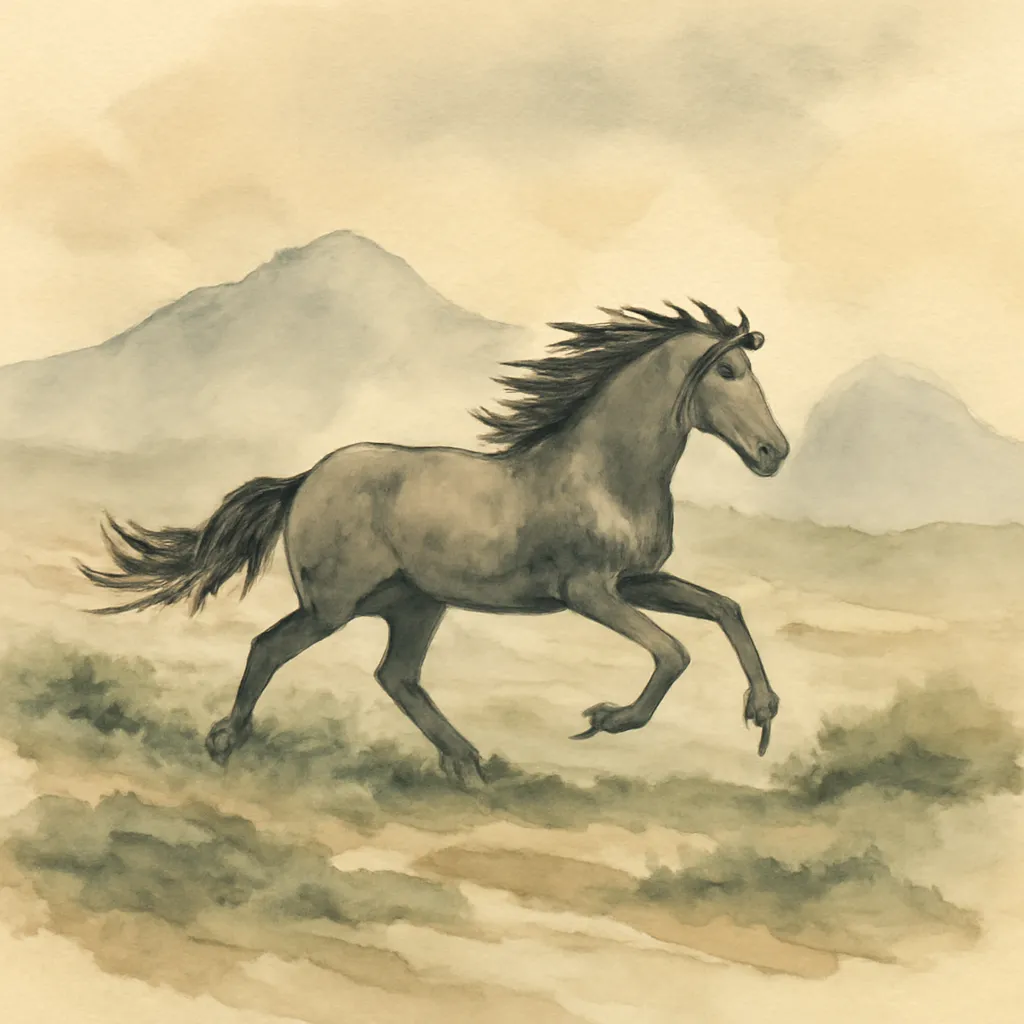
The landscape is not mere backdrop but a living presence in the novel, shaping the characters’ destinies. McCarthy’s descriptions of horses, deserts, and storms evoke both beauty and indifference, highlighting humanity’s smallness and vulnerability. The bond between man and horse is depicted as sacred, a last vestige of harmony with the natural world.