1.Intersecting Stories, Shared Struggles
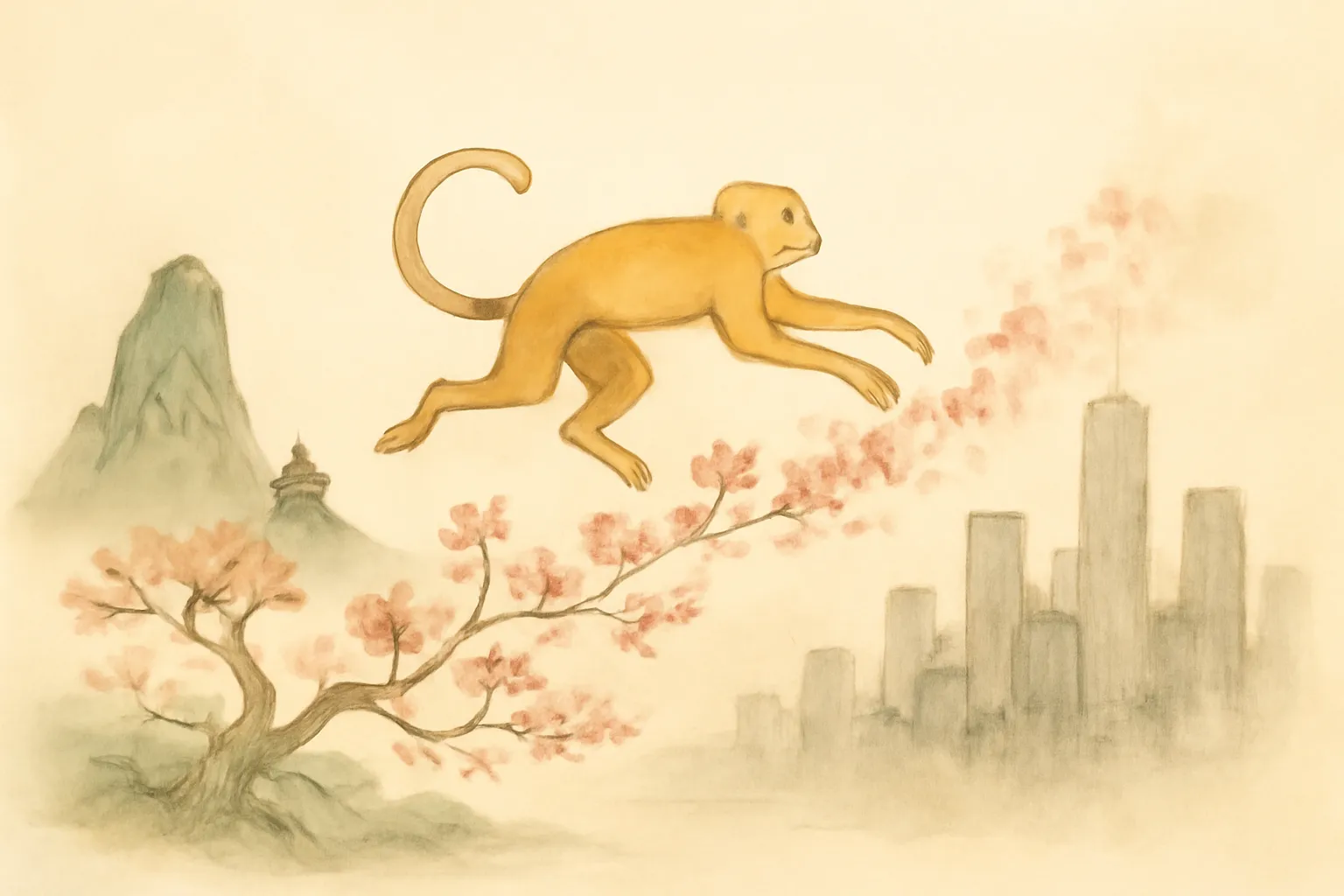
The novel interlaces three narratives: the tale of Jin Wang, a Chinese American boy navigating school and identity; the legendary Monkey King from Chinese folklore; and the sitcom-like saga of Danny, a white teenager embarrassed by his cousin Chin-Kee. At first, these stories seem disconnected, but their eventual convergence underscores the universality of the search for acceptance and the pain of being othered. Yang uses this structure to show how cultural myths and personal experiences intertwine, shaping how we see ourselves and others.
2.The Weight of Stereotypes
American Born Chinese confronts damaging racial stereotypes head-on, especially through the exaggerated character of Chin-Kee. By presenting stereotypes in an intentionally uncomfortable way, Yang pushes readers to recognize their pervasiveness and impact. The book challenges both outsiders and insiders to confront how stereotypes distort real people’s lives and self-perceptions, making the reader complicit in the discomfort and, hopefully, the reflection that follows.
3.Assimilation Versus Authenticity
Jin Wang’s journey is marked by his desire to fit in with his mostly white peers, often at the expense of his cultural heritage. The story explores the tension between assimilation and authenticity, raising questions about what must be sacrificed to belong and whether true acceptance is possible if one denies their roots. Yang illustrates the psychological toll of code-switching and self-rejection, offering no easy answers but urging empathy for those caught in between worlds.
4.The Power of Transformation
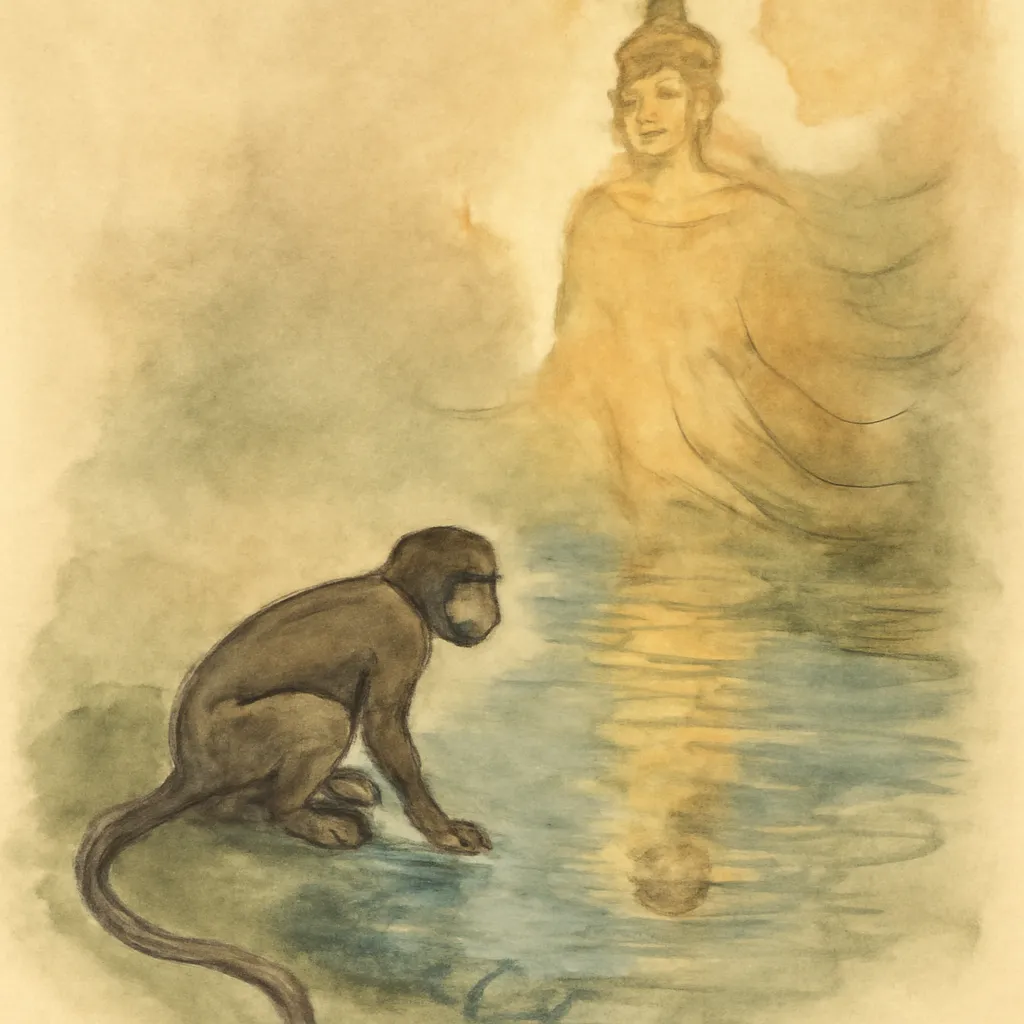
Transformation—both literal and metaphorical—is a recurring theme. The Monkey King’s quest to transcend his monkey form, Jin’s wish to become someone else, and Danny’s own secret all explore the desire to escape one’s perceived limitations. Yet, the novel suggests that real transformation comes not from changing who you are, but from embracing your true self. This message is powerfully conveyed through the book’s climactic revelations and character arcs.
5.Graphic Storytelling as Cultural Bridge
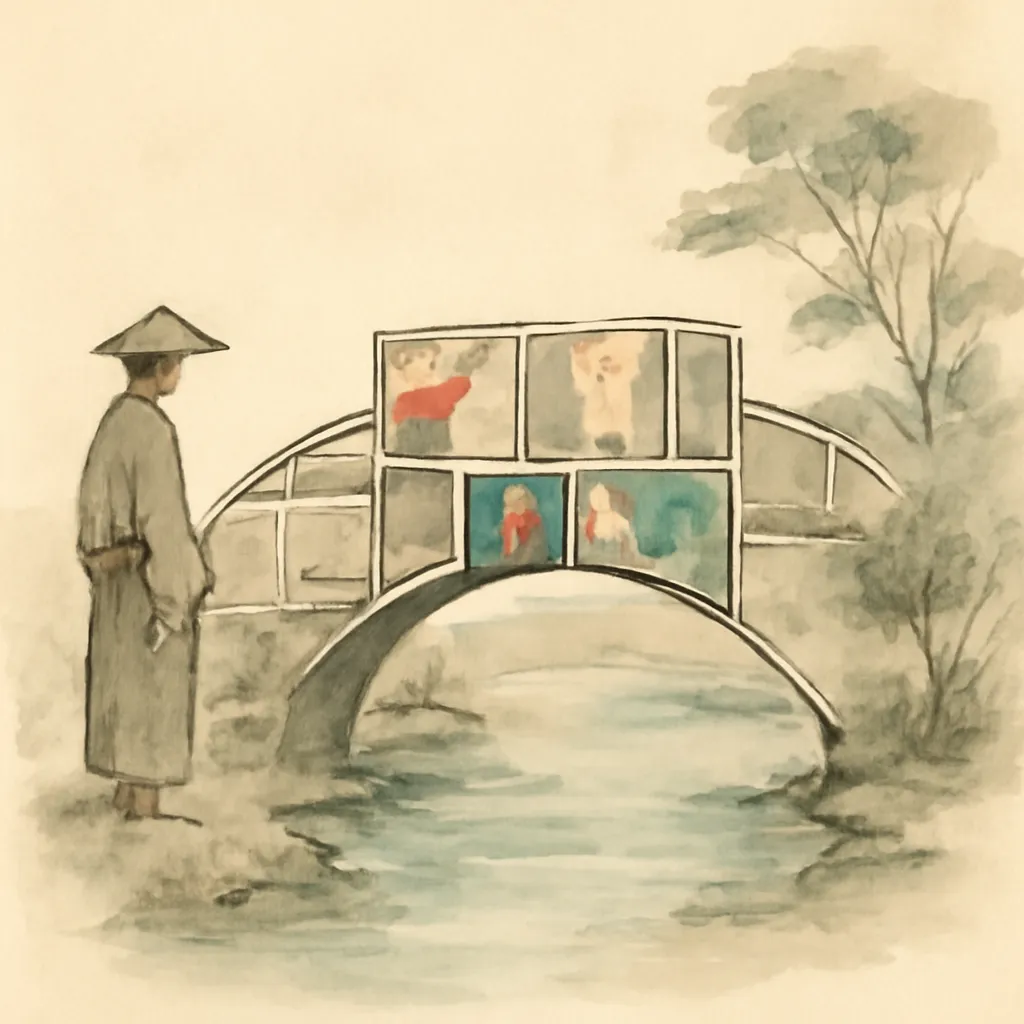
Yang’s use of the graphic novel format is integral to the book’s impact. The visual language allows for quick shifts in tone and perspective, blending humor, myth, and realism. The art style itself bridges East and West, drawing on both American comics and Chinese visual motifs. This fusion mirrors the characters’ hybrid identities and makes the story accessible to a wide audience, including younger readers who might see themselves reflected in its pages.
6.Self-Acceptance and Empathy
Ultimately, American Born Chinese is a call for self-acceptance and empathy. By showing the pain of internalized racism and the courage required to embrace one’s identity, Yang invites readers to reflect on their own prejudices and insecurities. The novel’s resolution is not about erasing difference, but about recognizing and valuing it—in oneself and in others.