1.The Leadership Vacuum Post-War

After World War I, the political landscape of Europe and its colonies became markedly chaotic, with a glaring absence of true leadership. Among the few figures who emerged with a semblance of authority were Lloyd George in England, Venizelos in Greece, and Smuts in South Africa. Lloyd George was seen as a masterful politician who navigated party divisions and Irish tensions with sheer opportunism, but his leadership lacked the visionary quality required for profound change. In contrast, Smuts, a general turned statesman, stood as a figure of intellectual vigor and moral fortitude. His journey from fighting British forces during the Boer War to becoming a pivotal supporter of the British Empire illustrates a compelling narrative of transformation. Smuts' influence extended beyond the borders of South Africa, as he engaged in dialogues about the future of the British Commonwealth, advocating for unity amidst diversity. This chapter sets the stage for understanding how the legacies of war and colonialism shaped African politics in the early 20th century, emphasizing the need for visionary leaders in times of upheaval.
2.The Cape-to-Cairo Route: A Dream Realized

The Cape-to-Cairo railway encapsulates one of the most ambitious infrastructure endeavors in Africa, originally conceived by Cecil Rhodes. This railway, stretching over seven thousand miles, connects the southern tip of Africa to its northern reaches, representing both idealism and colonial ambition. Marcosson paints a vivid picture of the dramatic landscapes encountered along the route—from sweeping savannahs to daunting mountains—while highlighting the multifaceted challenges faced during its construction. Rhodes' vision was not merely about connecting two geographical points; it involved an aspiration to unify the continent under British control, a testament to the imperial mindset of the era. The railway also symbolizes the conflict between colonial aspirations and the realities of diverse African societies, as local populations navigated the repercussions of foreign governance. The narrative reflects on how this ambitious project not only altered the physical landscape but also reshaped social and economic interactions, emphasizing the complex legacies that infrastructure projects leave in their wake.
3.Rhodesia: A Land of Contrasts
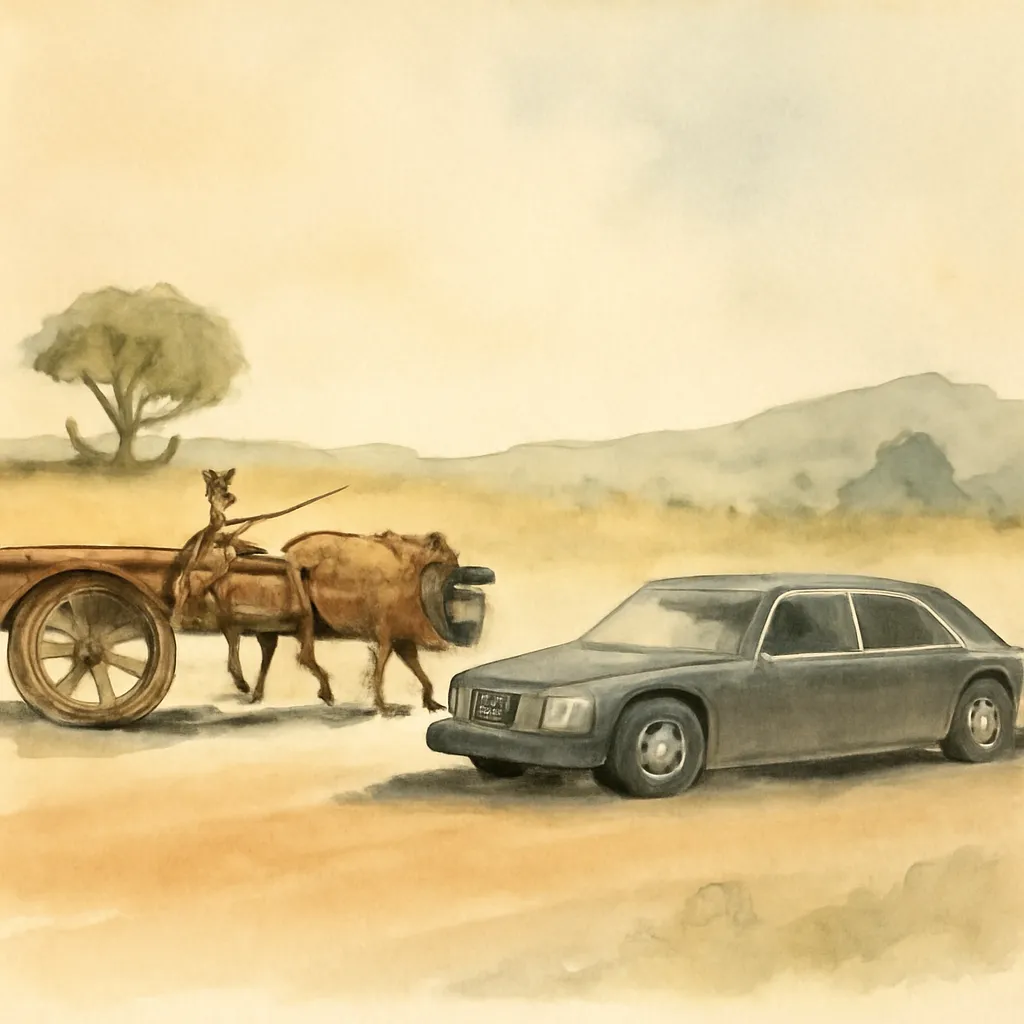
Marcosson's journey through Rhodesia reveals a land where the past and present coexist in striking contrast. The entry into Rhodesia is marked by the sight of a limousine competing with an ox-team on the road, a metaphor for the intersection of modernity and tradition. The country, rich in mineral resources and agricultural potential, evokes the legendary tales of 'King Solomon's Mines', attracting prospectors and dreamers alike. However, beneath this surface allure lies a unique governance structure dominated not by traditional political authority but by a corporate entity. The British South Africa Company, under the influence of Cecil Rhodes, established a form of rule that blurred the lines between corporate agendas and colonial governance. This chapter delves into the complexities of identity and societal dynamics in Rhodesia, highlighting the ongoing struggles for self-determination among its inhabitants. The narrative also touches upon the historical context of land ownership and resource exploitation, inviting readers to reflect on the enduring consequences of colonial policies and the quest for a balanced coexistence in a land rich with potential.
4.The Enigma of the Belgian Congo

Marcosson's exploration of the Belgian Congo unveils a region characterized by immense natural wealth and profound historical controversy. Once deemed the darkest part of the Dark Continent, the Congo sprawls across the equator, showcasing a rich tapestry of ecosystems and cultures. The legacy of King Leopold's brutal exploitation casts a long shadow, creating a complex landscape of exploitation and resistance. As the author journeys deeper into the Congo, he grapples with the realities of colonialism, reflecting on the challenges faced by indigenous peoples in an environment rife with political and social uncertainty. The chapter presents an unfiltered view of the Congolese experience, highlighting the resilience of its people amidst historical traumas. The contrast between the romanticized notions of exploration and the stark realities of life in the Congo emphasizes the necessity of understanding African history in all its complexity. Through vivid descriptions, the author invites readers to confront the moral implications of colonial legacies and the ongoing struggles for agency and recognition in a rapidly changing world.
5.The Congo River: A Lifeline of Civilization

The Congo River emerges as a central theme in Marcosson's narrative, symbolizing both the potential for human connection and the formidable challenges posed by nature. As the author navigates this iconic waterway, he recounts its historical significance, retracing the paths of explorers like Stanley and Livingstone who first charted its depths. The river serves not only as a vital transportation route but also as a cultural artery, fostering trade and interaction among the diverse communities that line its banks. Marcosson's vivid descriptions of the river's majestic waterfalls and treacherous whirlpools highlight its dual nature—a source of life and a formidable force of nature. This chapter underscores the importance of waterways in shaping civilizations, illustrating how the Congo River has been both a blessing and a challenge for the people of the region. It prompts readers to consider how natural resources can be harnessed for development while also serving as a reminder of the need for sustainable stewardship to protect the environment and local cultures.
6.American Influence in the Congo
Through his observations in the Congo, Marcosson introduces readers to the significant American presence that has emerged, particularly through the Forminiere corporation. This entity represents a unique intersection of American enterprise and African resources, showcasing the complexities of globalization and economic development. The author's account of visiting sites like Djoko Punda illustrates how American businesses have contributed to local economies while also reshaping cultural landscapes. The integration of American technology and practices, from tractors to social customs, reflects a broader narrative of American capitalist influence in Africa. However, this chapter does not shy away from the ethical considerations surrounding such interactions, prompting questions about the implications of foreign investments on local communities and the environment. The narrative encourages readers to engage critically with the idea of economic development, exploring the balance between progress and cultural integrity in a rapidly globalizing world.
7.The Role of Agriculture in Development
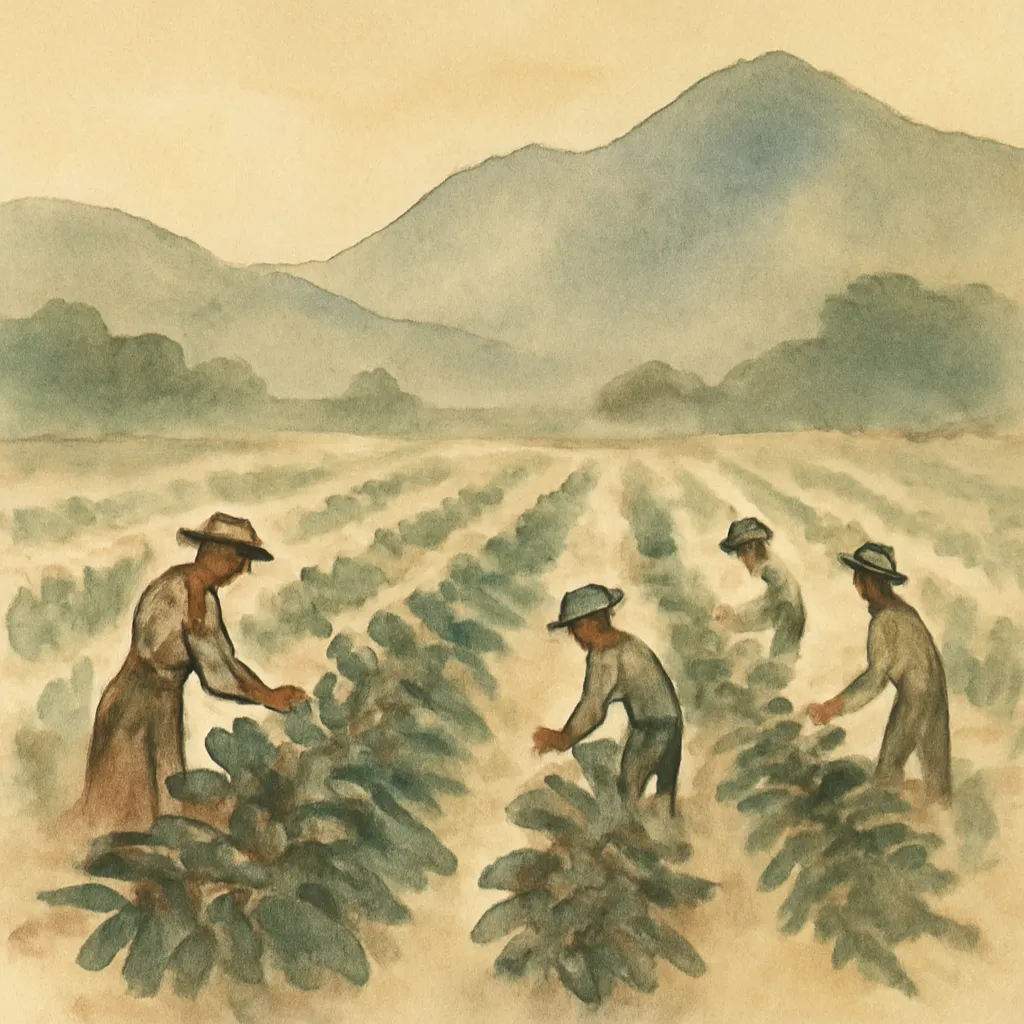
Agriculture serves as a central theme in Marcosson's narrative, particularly through initiatives like the State Experimental Coffee Farm near Stanleyville. This project exemplifies efforts to encourage agricultural development among local populations, promoting co-operative farming and diversification of crops. By focusing on sustainable practices, the initiative aims to empower indigenous farmers and enhance their economic stability. Marcosson's observations of cotton cultivation and other cash crops reveal the potential for agricultural innovation to transform livelihoods in the region. This chapter emphasizes the importance of local engagement in fostering economic growth and sustainable development, illustrating how agricultural initiatives can serve as a catalyst for broader societal change. The narrative highlights the need for collaborative efforts between governments, corporations, and communities to create equitable opportunities that benefit all stakeholders involved.
8.Cultural Exchange and Identity
Throughout his journey, Marcosson confronts the intricate dynamics of cultural exchange and identity in Africa. The interactions between indigenous peoples and European settlers often reflect a complex tapestry of influence, adaptation, and resistance. The author notes the duality of progress and preservation, as modernity clashes with traditional ways of life. This tension is palpable in regions like Rhodesia, where the past and present coexist in a delicate balance. Marcosson's reflections on identity resonate with broader themes of post-colonial discourse, prompting readers to consider how cultural identities are formed and reformed in the wake of colonialism. The narrative invites a deeper understanding of the fluidity of identity in a globalized world, exploring how local cultures can thrive amidst the pressures of modernization. This chapter encourages readers to appreciate the richness of cultural diversity while grappling with the challenges that arise from cultural exchange.
9.The Spirit of Adventure and Exploration
At its core, 'An African Adventure' is a celebration of the spirit of adventure and exploration. Marcosson's narrative is infused with a sense of wonder and curiosity as he navigates the diverse landscapes of Africa. His encounters with local communities, historical landmarks, and natural wonders evoke a profound appreciation for the continent's richness and complexity. The author's passion for discovery serves as an invitation for readers to engage with Africa beyond mere observations, fostering a sense of empathy and connection to its people and cultures. This theme underscores the importance of exploration not only as a physical journey but also as a means of understanding and appreciating the world around us. Through vivid storytelling and personal anecdotes, Marcosson inspires readers to embrace their own sense of adventure, encouraging them to seek out new experiences and perspectives in their lives.