1.The Strength of Medieval German Poetry
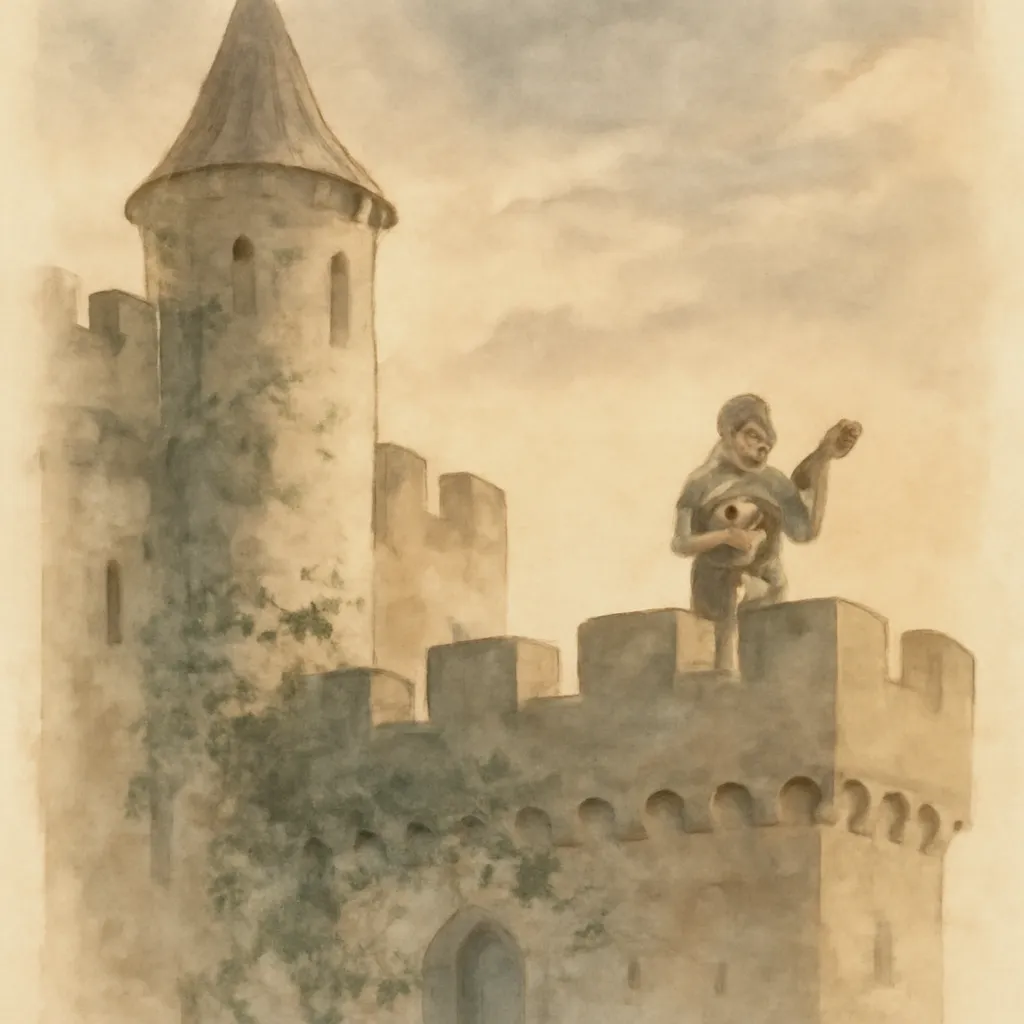
The anthology opens with a celebration of medieval German poetry, emphasizing its remarkable strength and enduring beauty. Works such as 'Laurin' illustrate the epic nature of this period, where narratives of heroism, chivalry, and encounters with the supernatural captivate the reader. The poem depicts a fierce battle between Dietrich and Laurin, highlighting the values of courage and honor that defined the medieval knightly ethos. The vivid imagery and rhythmic quality of the poetry draw readers into a world where the conflict between good and evil is not only a narrative device but a reflection of societal values. By providing modern German translations, the anthology ensures that contemporary audiences can connect with the emotional depth and cultural significance of these medieval texts, fostering an appreciation for the roots of German literature.
2.Character Depth in Epic Narratives
Character depth is a distinguishing feature of the epic narratives found in the anthology, especially in the way they explore the complexities of human nature. For instance, the emotional turmoil exhibited by Dietrich in 'The Lay of Ecke' after defeating his adversary exemplifies the internal struggles faced by heroes. This moment of remorse reveals that victory often comes at a cost, prompting readers to engage with the profound moral dilemmas inherent in the heroic journey. Such portrayals of emotional complexity elevate these narratives beyond mere adventure tales; they become explorations of honor, loyalty, and the consequences of one's actions. The use of dialogue and direct speech adds further nuance to character development, allowing readers to witness the motivations and inner conflicts that drive these legendary figures. This depth of characterization reflects the human experience, making the epics relatable and thought-provoking.
3.The Interplay of Fate and Free Will
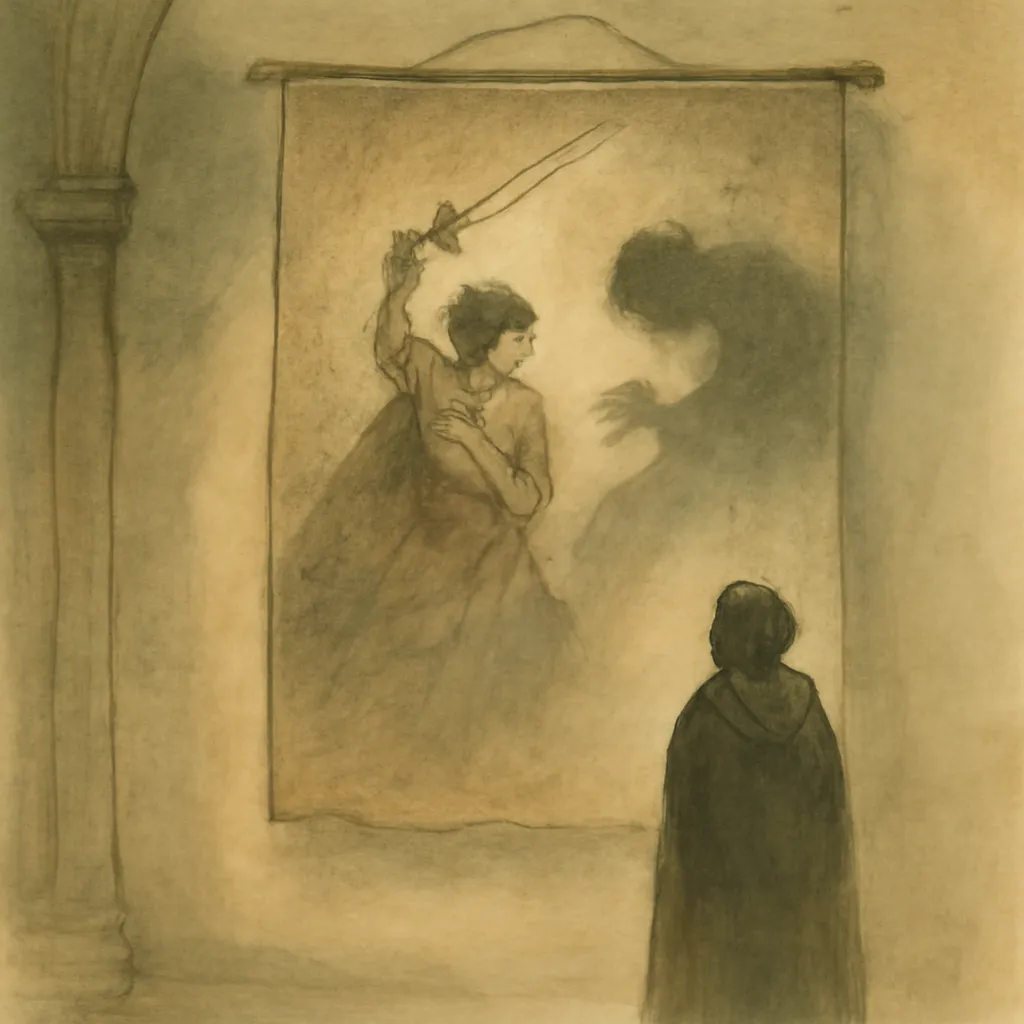
The anthology illustrates the ongoing tension between fate and free will, a prominent theme in many German epics. Works such as the confrontation between Dietrich and Siegfried in the 'Rose-garden' showcase how characters navigate the complexities of predestined outcomes versus their choices. This struggle is particularly poignant in heroic narratives, where characters often find themselves bound by societal expectations and the weight of tradition. The fight between Dietrich and Siegfried becomes a powerful metaphor for the human struggle against predetermined fate, raising questions about the extent to which individuals can shape their own destinies. This theme resonates with readers, encouraging reflection on their own lives and the forces that influence their choices—a timeless exploration that connects the past with contemporary issues of agency and autonomy.
4.Religious Motifs in Early German Literature
As the anthology transitions into works that reflect Christian motifs, it reveals how religion served as a significant influence on early German literature. Texts such as the 'Redentin play' and the 'Vienna play' incorporate religious themes that resonate deeply with the cultural identity of the time. For example, the depiction of Christ's descent into hell is not only a dramatic narrative but also a reflection of the era's spiritual anxieties. These theatrical works convey moral lessons and the importance of faith, illustrating how literature served as a means of exploring existential themes. Through these narratives, readers gain insight into the values that shaped the collective consciousness of a society grappling with questions of faith, morality, and the divine. This exploration of religion in literature underscores its central role in shaping human experiences and societal norms, making it a rich area for analysis and reflection.
5.The Reformation's Literary Impact
The anthology highlights the profound impact of the Reformation on the landscape of German literature, showcasing how literary works became instruments of social and political change. Martin Luther’s writings, including his 'Address to the Nobility,' demonstrate literature's power to challenge established institutions and inspire collective action. Luther's call for reform directly critiques the papacy and promotes the idea of individual interpretation of scripture. This period marked a shift in literary style, as pamphlets and translations of the Bible became widely distributed, empowering ordinary people to engage with religious texts. The anthology captures this transformative spirit, illustrating how literature during the Reformation was not merely a reflection of cultural shifts but a catalyst for profound societal change. Through these works, readers can appreciate the role of literature in shaping modern religious and cultural landscapes, emphasizing its enduring relevance.
6.The Role of Humor and Satire
German literature harnesses the power of humor and satire to provide social commentary and critique, a theme that is well-represented in the anthology. The tales of Eulenspiegel personify the clever fool archetype, using wit and trickery to unveil the absurdities of human behavior and societal norms. Eulenspiegel’s antics highlight the contradictions within social hierarchies and human folly, prompting readers to laugh while reflecting on the deeper truths embedded in the narratives. This interplay of humor and critique underscores the ability of literature to address serious issues within a framework that engages and entertains. The clever fool serves as a vehicle for questioning authority and societal expectations, making these stories resonant in both their time and contemporary contexts. Through humor, the anthology illustrates how literature can provoke thought and inspire change, all while providing enjoyment.
7.The Evolution of Language and Style

The anthology traces the evolution of the German language through its literary works, showcasing how style and vocabulary adapted over time. From the intricate and ornate language of medieval poetry to the more straightforward prose of the Reformation, each period reflects societal changes and cultural shifts. The anthology's selections reveal how language evolves as a living testament to history, capturing the nuances of thought and expression across different eras. By presenting texts in modern translations while retaining their original essence, the anthology allows readers to appreciate the richness of German literature's linguistic heritage. This evolution underscores the dynamic nature of language as it responds to the needs and experiences of its speakers, highlighting the interplay between literature and the development of cultural identity. The stylistic diversity evident in the anthology enhances understanding of how language shapes literary expression, making it an essential aspect of literary scholarship.
8.The Dichotomy of Life and Death
Life and death are recurring motifs in German literature, explored poignantly through narratives that delve into human mortality and the emotional landscapes it creates. In the 'Farmer of Bohemia,' the bereaved husband’s lamentation over his lost wife showcases profound grief and existential questions arising in the face of death. This exploration of mortality invites readers to confront their own fears and beliefs about life’s impermanence. The portrayal of death as a character in these narratives emphasizes its inevitability and the impact it has on the living. Such themes resonate deeply, prompting introspection and a greater appreciation for the fragility of life. The anthology thus positions these narratives not only as reflections of cultural values but also as examinations of the human condition, bridging gaps between the past and the present in their exploration of universal experiences.
9.The Cultural Significance of Folklore
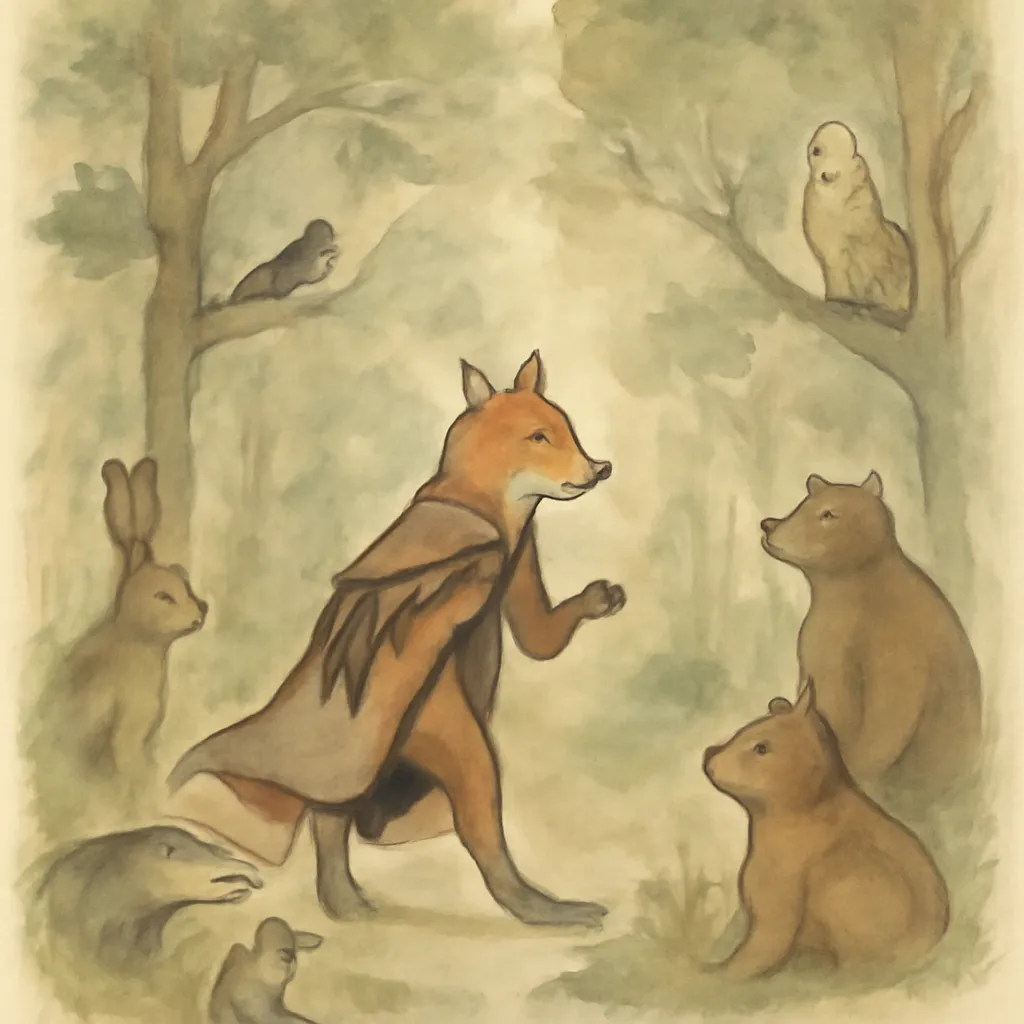
Folklore plays a vital role in shaping narratives within German literature, serving as a repository of cultural values and collective memory. Tales of characters like Reynard the Fox reflect societal norms, morality, and the human condition through allegorical storytelling. These narratives entertain while imparting wisdom, offering insights into human behavior and ethical dilemmas. The use of animal characters allows for a playful exploration of serious themes, making them accessible to a wider audience, while also emphasizing the moral lessons embedded within them. The inclusion of these folk tales highlights the richness of oral traditions and their enduring influence on written literature, underscoring the interconnectedness of culture and storytelling. Through folklore, the anthology illustrates the importance of communal narratives in preserving history and shaping cultural identity, inviting readers to reflect on their own cultural heritage.
10.The Interrelation of Literature and History
The anthology illustrates the inseparable bond between literature and history, showcasing how literary works respond to and reflect the socio-political contexts of their time. From medieval epics celebrating heroism to Reformation texts challenging religious authority, each selection serves as a snapshot of the historical moment in which it was created. This interrelation invites readers to consider how literature not only documents history but also shapes it, influencing public opinion and cultural norms. The anthology encourages a deeper understanding of how literary movements emerge in response to historical events, demonstrating the power of the written word in the evolution of society. Through this lens, readers are invited to explore the role of literature as both a reflection and shaper of historical narratives, enhancing their appreciation for the complexities of the human experience across time.