1.The Antediluvian World: Foundations of Human Existence
The narrative begins with the antediluvian world, where the origins of humanity are depicted through the biblical creation story. According to Archbishop Ussher's chronology, the world began in 4004 BC, marked by God’s creation of light, darkness, and ultimately man, who was given dominion over the earth. This foundational myth establishes three key institutions: the Sabbath, agricultural labor, and marriage. Adam and Eve's life in the Garden of Eden symbolizes a state of innocence and bliss, where humanity's primary role was to cultivate the land. However, this idyllic existence was marred by the introduction of sin through the forbidden fruit, leading to humanity's eventual fall. The question of Eden's location remains a subject of debate, but it is suggested to be near the headwaters of the Euphrates and Tigris rivers, hinting at the rich agricultural potential of the region, which would later become crucial in the development of early civilizations.
2.Postdiluvian Society: The Noachic Code and Patriarchal Governance
After the flood, Noah and his family emerged to a blessed existence, tasked with the stewardship of the earth. The Noachic Code introduced new laws, emphasizing the sanctity of life and prohibiting murder, establishing a societal framework that prioritized justice and order. Patriarchal governance became the norm, where the family head held both civil and religious authority, functioning as priest and king. This system allowed for a direct lineage of power and control, with patriarchs like Noah exerting influence over multiple generations. The narrative of Noah's drunkenness and the subsequent curse of Ham illustrates the complexities of familial relationships and the consequences of moral failings, shaping the destinies of future nations. As societies evolved, the patriarchal structure laid the groundwork for governance in subsequent civilizations, influencing how power was distributed and exercised.
3.The Rise of the Hebrew Nation: From Abraham to Joseph

The history of the Hebrew people begins with Abraham, whose call from God marked a pivotal moment in the formation of a distinct national identity. Born in Ur of the Chaldeans, he embarked on a journey to Canaan, driven by divine promise and the vision of becoming a great nation. This migration encapsulates themes of faith, obedience, and the quest for a promised land, reflecting the broader human experience of searching for belonging and purpose. The narrative of Joseph, sold into slavery in Egypt, further illustrates the trials and triumphs of the Hebrew people. Joseph's rise to power, aided by his ability to interpret dreams, showcases the interplay of personal virtue and divine providence in shaping history. His story highlights the complexities of human relationships, betrayal, and reconciliation, ultimately leading to the Hebrews' settlement in Egypt, setting the stage for their eventual liberation and the establishment of a national identity.
4.Egypt: The Cradle of Civilization and Power
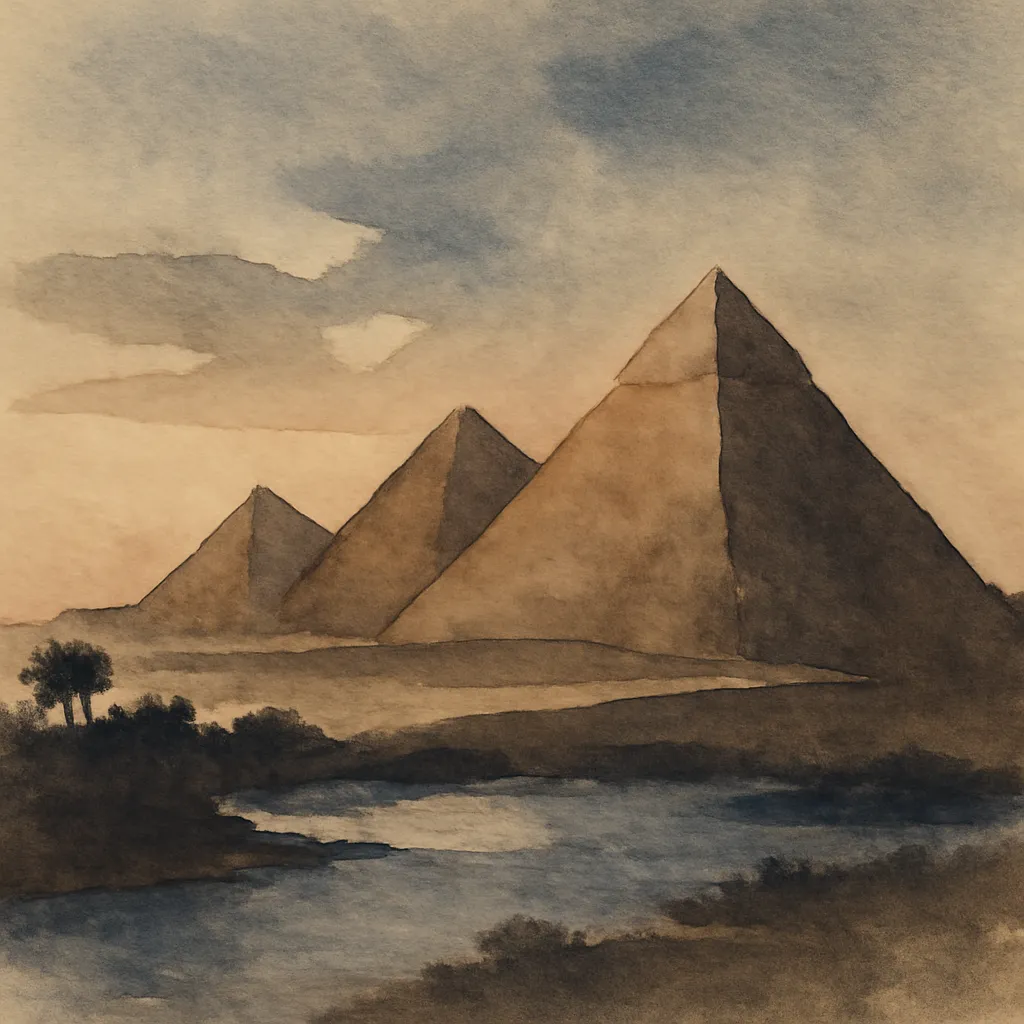
Egypt stands as one of the oldest and most influential civilizations of the ancient world, characterized by its powerful monarchy and rich cultural heritage. Often debated for its antiquity, Egypt's historical significance is undeniable, with its language, traditions, and monumental architecture reflecting a society steeped in complexity. The Nile River, a lifeblood for the civilization, provided fertile land and resources, enabling agriculture to flourish. This geographic advantage allowed Egypt to develop a sophisticated society, replete with monumental architecture, such as the pyramids, which symbolize both human ingenuity and the divine connection perceived by the ancient Egyptians. The religious and political structures of Egypt were intertwined, with pharaohs seen as divine figures, reinforcing the concept of centralized power. This integration of governance and spirituality would influence neighboring cultures, including the Hebrews, as they encountered Egypt’s grandeur and its oppressive systems during their time of captivity.
5.The Conquest of Canaan: Divine Mandate and Military Strategy
The conquest of Canaan represents a crucial chapter in the history of the Hebrew people, marked by divine guidance and military strategy. Under Joshua's leadership, the Israelites crossed the Jordan River and began their campaign against fortified cities like Jericho, demonstrating the importance of faith and obedience to divine commands. The miraculous fall of Jericho, achieved through unconventional tactics, illustrates the belief in divine intervention in military affairs. The subsequent battles against cities such as Ai reveal the complexities of warfare, including the consequences of disobedience, as seen in the story of Achan. The Israelites’ conquests were not merely about territorial gains but also about fulfilling a divine mandate to extirpate idolatry and establish a society centered around their covenant with God. This period laid the foundations for Israelite governance and identity, shaping their understanding of justice, community, and divine purpose.
6.The Monarchy of David: A Legacy of Leadership and Poetry

David's reign marks a significant transition from tribal confederation to a centralized monarchy, characterized by military conquests and cultural achievements. His military prowess allowed him to unify the Israelite tribes and expand the kingdom's borders, establishing a legacy that would influence future generations. However, David's story is not solely about conquest; it is also about personal struggles, moral failings, and his deep faith in God. His psalms reflect the complexities of human emotion, spirituality, and the pursuit of righteousness, providing a literary legacy that resonates through the ages. The challenges he faced, including familial strife and rebellion, reveal the burdens of leadership and the delicate balance between power and morality. David's establishment of Jerusalem as the political and spiritual center of Israel symbolizes the intertwining of governance and faith, setting a precedent for future leaders and shaping the cultural identity of the Hebrew nation.
7.The Golden Age of Solomon: Wealth, Wisdom, and Architecture
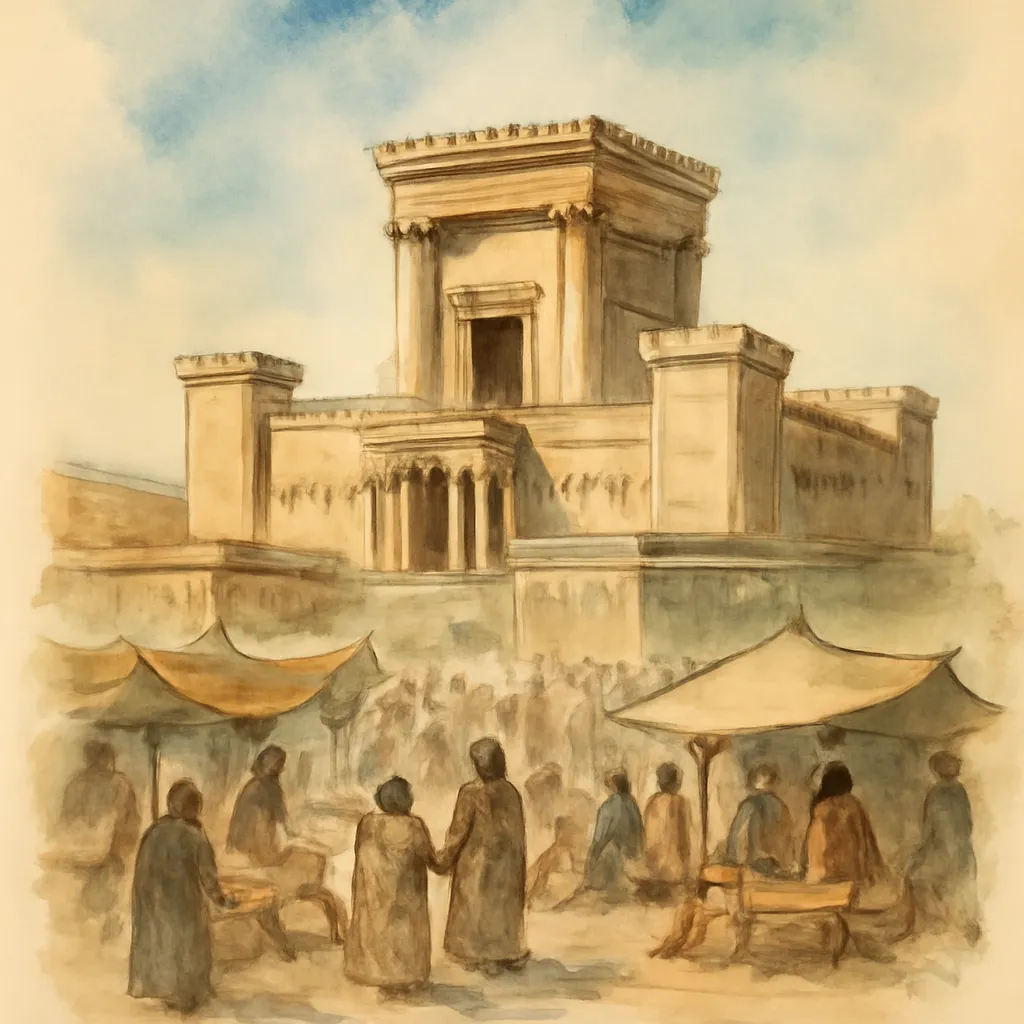
Solomon's reign is often regarded as the pinnacle of Israelite prosperity and cultural development, marked by significant advancements in architecture, trade, and international relations. His most notable achievement, the construction of the Temple in Jerusalem, symbolizes the spiritual aspirations of the Hebrew people and their desire for a permanent dwelling place for God. This magnificent structure, built with the finest materials and artistic craftsmanship, reflects the heights of ancient architectural achievement and the centrality of worship in Israelite life. Solomon's wisdom, renowned throughout the ancient world, attracted visitors such as the Queen of Sheba, highlighting the kingdom's influence and the importance of diplomacy in establishing alliances. However, this era of prosperity also laid the groundwork for future challenges, as the burdens of wealth and power led to internal strife and eventual division within the kingdom. The legacy of Solomon's reign serves as a reminder of the complexities of leadership and the interplay between material success and spiritual integrity.
8.The Chaldean and Assyrian Monarchies: The Rise and Fall of Empires
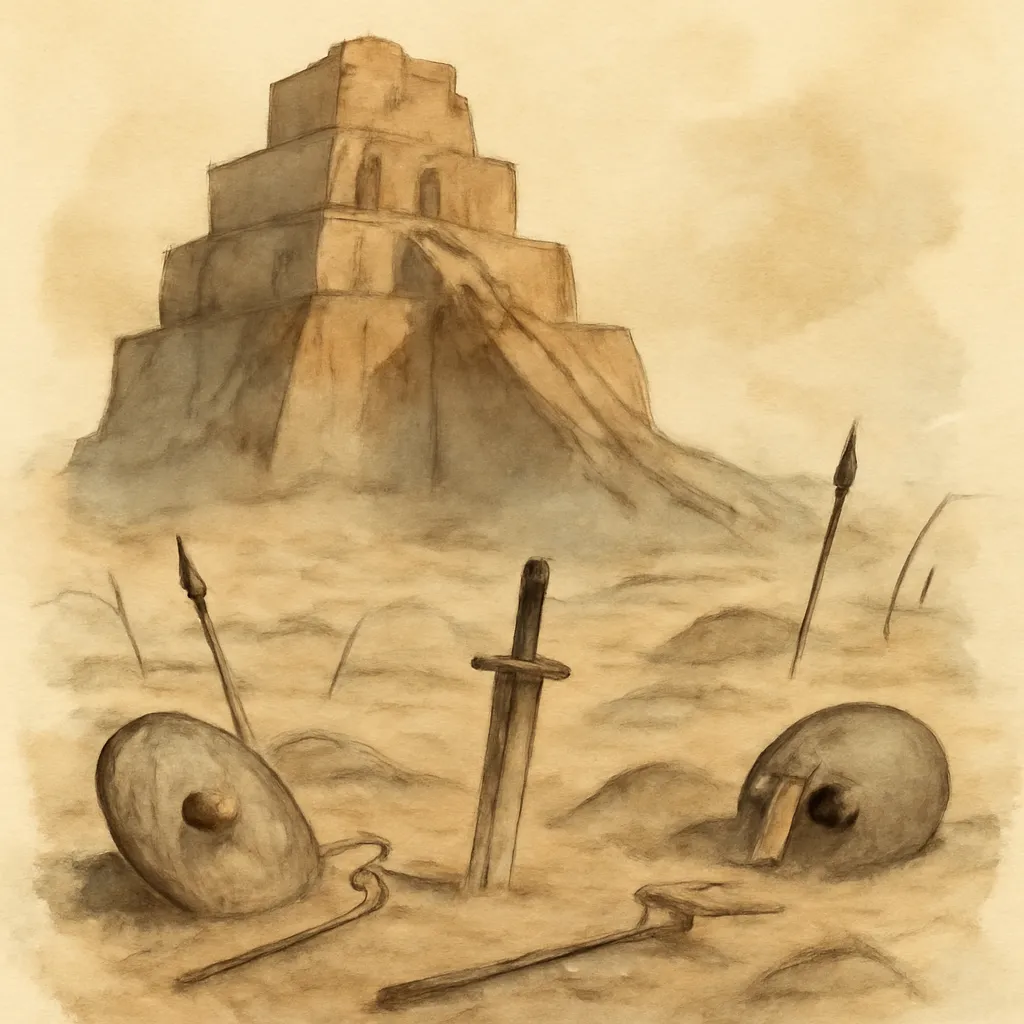
The Chaldean and Assyrian empires represent pivotal moments in the history of ancient Near Eastern civilizations, characterized by military conquests and cultural exchanges. The Babylonian monarchy, established in the fertile valley of the Euphrates, emerged as a dominant force, with Nimrod as one of its legendary founders. The construction of the Tower of Babel symbolizes both human ambition and the divine response to hubris, illustrating the complexities of civilization-building. The Assyrian Empire, known for its military might and administrative innovations, exemplifies the rise of powerful states that sought to extend their influence through conquest and subjugation. The narratives of these empires reveal the cyclical nature of history, where power dynamics shift, and the consequences of ambition lead to both glory and ruin. The interactions between these empires and the Hebrew people highlight the interconnectedness of ancient societies, influencing cultural, religious, and political developments that resonate through history.
9.The Persian Empire: A New Order of Governance
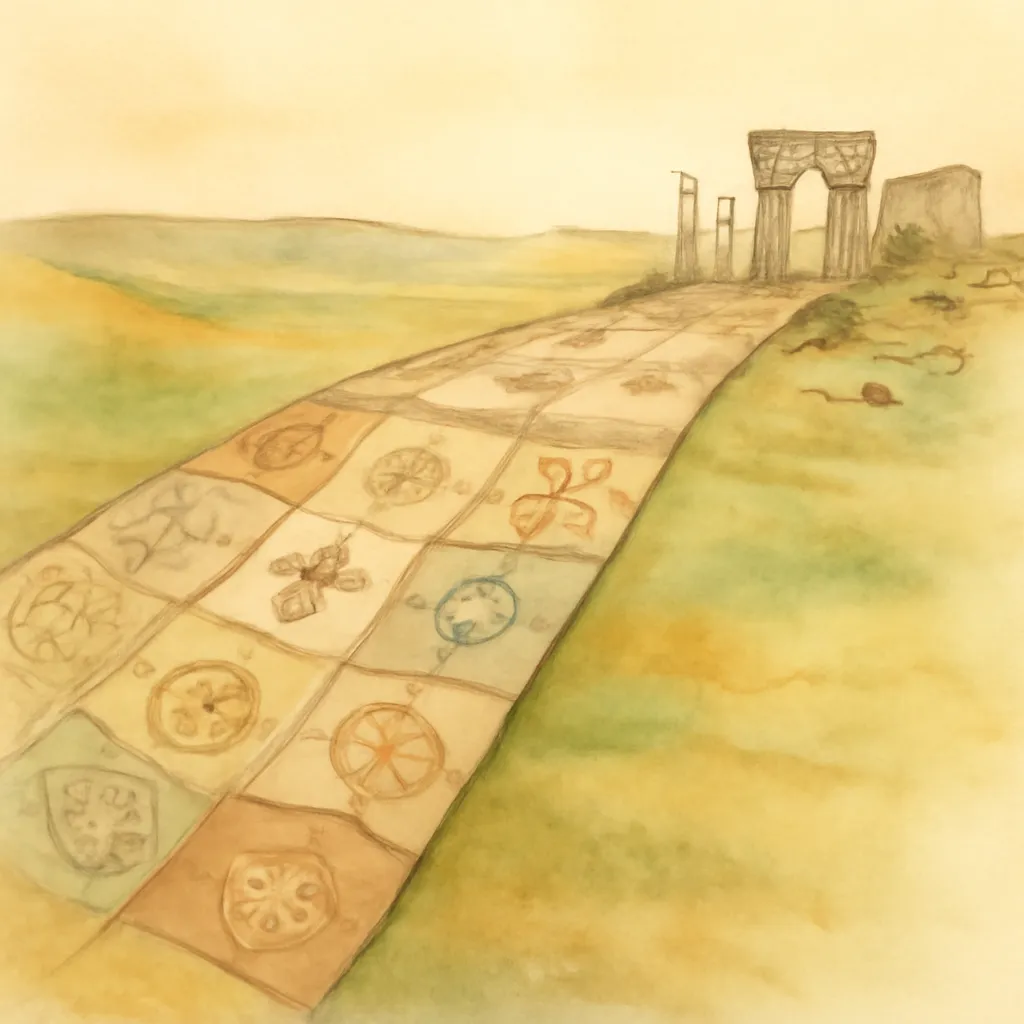
The Persian Empire, emerging from the dissolution of the Assyrian and Babylonian empires, introduced a new model of governance marked by tolerance and administrative efficiency. The Medes and Persians, descendants of Japhet, established a vast empire that spanned diverse cultures and regions, promoting a policy of coexistence that allowed for the flourishing of various peoples. This approach to governance contrasted sharply with the brutality of previous empires, enabling the Persians to maintain control over a vast territory while fostering loyalty among conquered peoples. Notably, the construction of the Royal Road and the establishment of a postal system facilitated communication and trade, reflecting the empire's commitment to connectivity and economic prosperity. The Persian Empire's interactions with the Hebrew people, particularly during the Babylonian captivity, underscore the complexities of power, culture, and identity in a rapidly changing world. The legacy of the Persians continues to influence modern governance structures and cultural exchanges.
10.The Hellenic Era: The Birth of Philosophy and Democracy
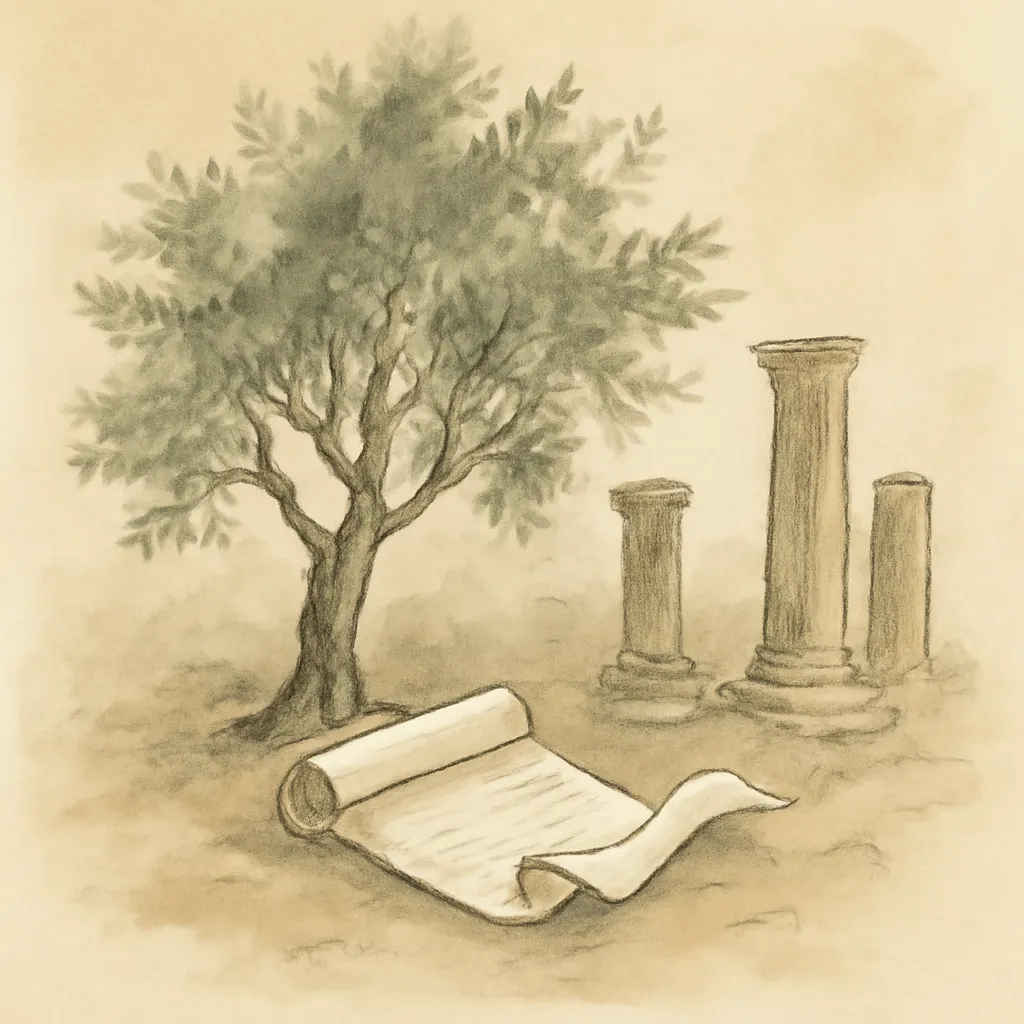
The rise of the Hellenic civilization represents a transformative period characterized by advancements in philosophy, art, and governance. The Greeks, with their unique blend of cultural influences, developed a rich intellectual tradition that laid the groundwork for Western thought. The emergence of city-states, each with its own governance systems, fostered a spirit of competition and innovation, leading to the development of democracy in Athens. Philosophers such as Socrates, Plato, and Aristotle sought to explore fundamental questions of existence, ethics, and governance, challenging traditional notions and encouraging critical thinking. The cultural achievements of this era, including dramatic arts, sculpture, and architecture, reflect a society deeply engaged in the pursuit of knowledge and beauty. However, the tensions between city-states, exemplified by the Peloponnesian War, reveal the fragility of this golden age, highlighting the interplay between ambition, conflict, and cultural flourishing in shaping the trajectory of human history.