1.The Illusion of Perception in 'The Emperor's New Clothes'
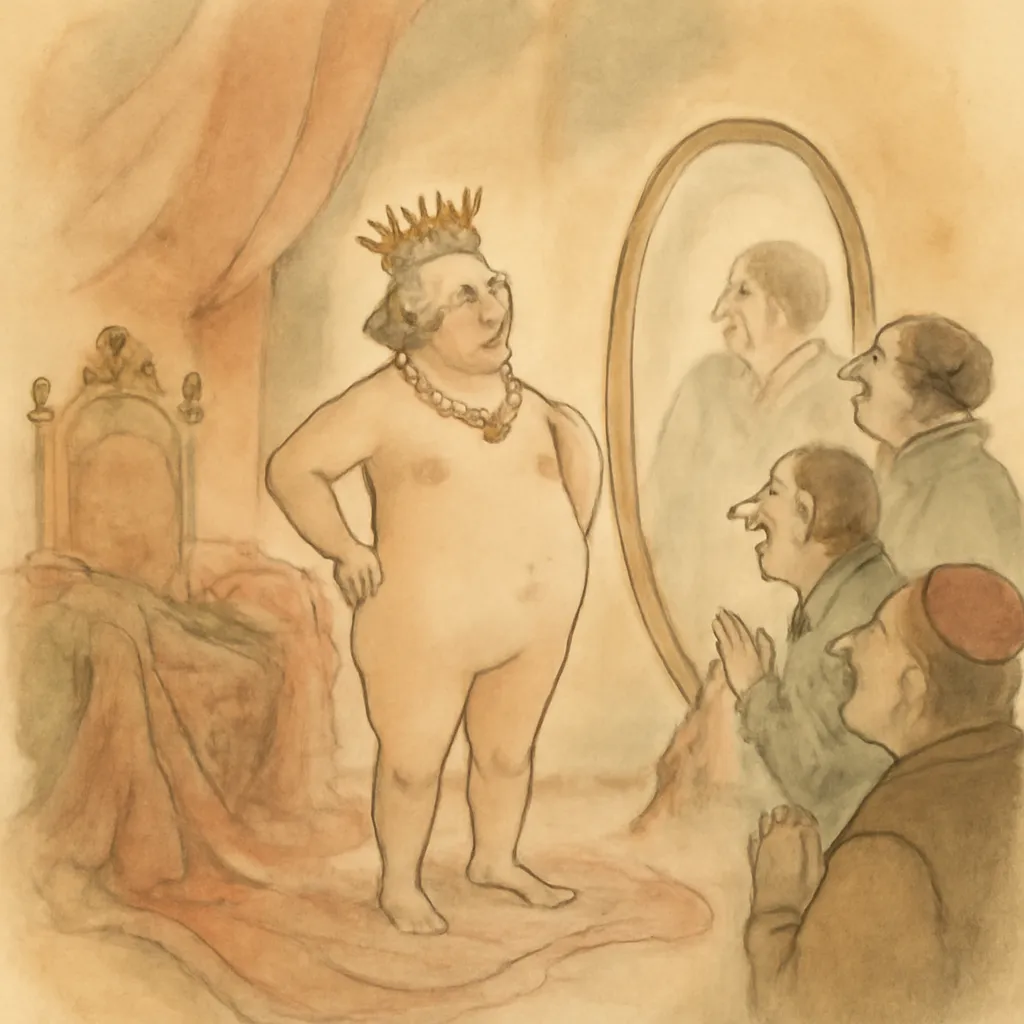
In 'The Emperor's New Clothes,' Andersen masterfully critiques vanity and pride through the story of a ruler obsessed with fashion. The emperor, blinded by his desire for beautiful attire, falls victim to two swindlers who promise him invisible clothes that only the wise can see. This tale highlights the absurdity of social status and the lengths to which individuals will go to maintain their image. The climax reveals the emperor parading in his 'new clothes,' only to be exposed by a child's innocent honesty. This narrative serves as a powerful reminder that true wisdom often lies in the simplest truths, urging readers to question societal norms and the facades we create to impress others.
2.The Quest for Authenticity in 'The Real Princess'
'The Real Princess' presents a gripping tale of identity and authenticity through the story of a princess who must prove her royal lineage. The narrative revolves around a clever test involving a pea hidden beneath multiple mattresses, which only a true princess can feel. This clever plot device underscores the theme that true nobility and worthiness cannot be measured by outward appearances or social status. Andersen invites readers to reflect on the nature of authenticity: what makes someone 'real' or 'true'? This story encourages us to look beyond the surface and appreciate the deeper qualities that define who we are, ultimately challenging the societal standards we often take for granted.
3.The Consequences of Greed in 'The Red Shoes'
'The Red Shoes' is a haunting exploration of desire and the consequences of unchecked greed. The protagonist, a young girl, becomes enamored with a pair of beautiful red shoes that lead her into a dance of obsession. As she is unable to stop dancing, the shoes symbolize the destructive nature of materialism and the dangers of pursuing superficial desires. Andersen's tale serves as a cautionary reminder that our choices can lead to unforeseen consequences, often spiraling out of control. The girl ultimately learns that true happiness cannot be found in possessions or status, but in the simplicity of life and the relationships we nurture. This narrative resonates with anyone who has grappled with the allure of material wealth and the emptiness that can follow.
4.The Fragility of Life in 'The Little Match Girl'
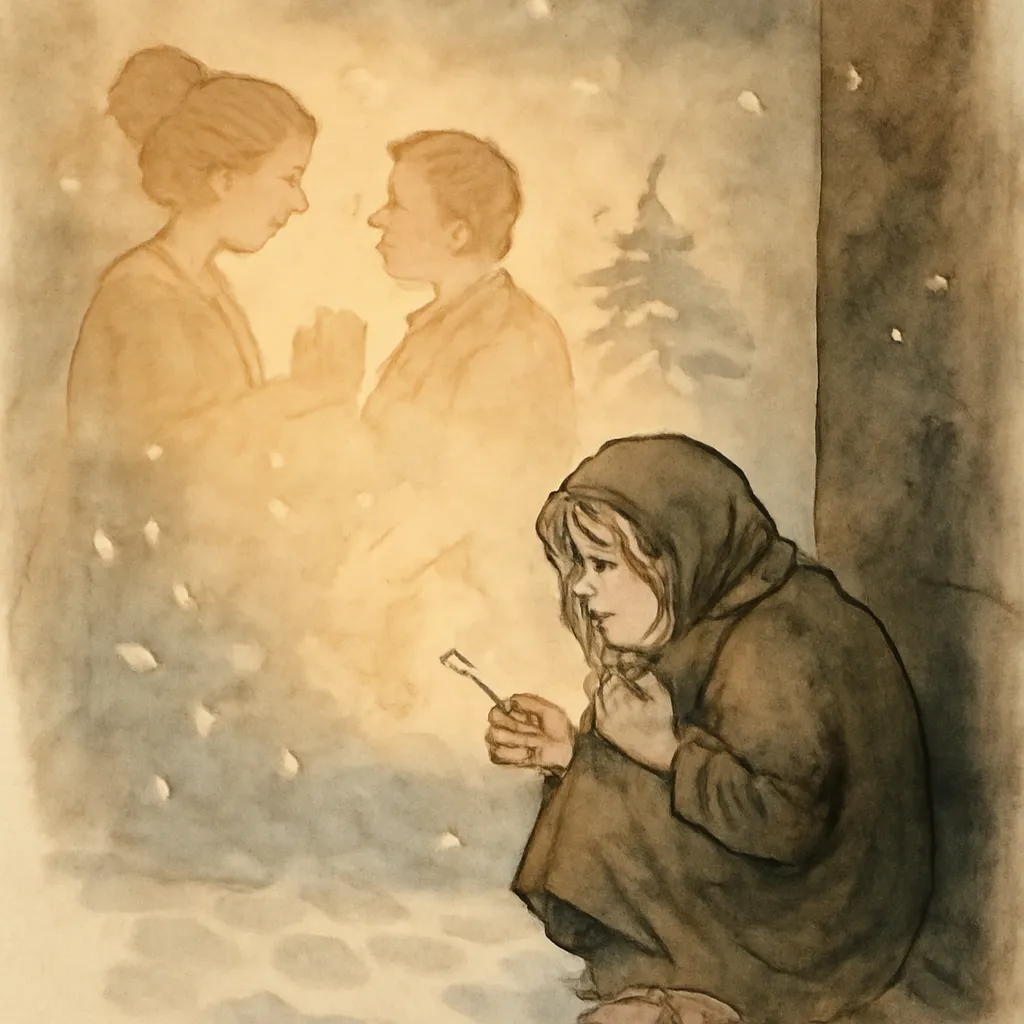
'The Little Match Girl' is one of Andersen's most poignant tales, illustrating the harsh realities of poverty and the fragility of life. The story follows a young girl who struggles to sell matches on a cold New Year's Eve, ultimately succumbing to the elements. Through her vivid hallucinations sparked by the matches, Andersen evokes a deep sense of empathy and sadness. Each vision reveals her longing for warmth, love, and acceptance, which starkly contrasts with her grim reality. This tale serves as a powerful commentary on social injustice and the need for compassion towards the less fortunate. It challenges readers to confront the uncomfortable truths of inequality and the importance of kindness in our daily lives.
5.The Dangers of Complacency in 'The Fir Tree'
'The Fir Tree' tells the story of a young tree yearning for a life beyond the forest, dreaming of being cut down and used as a Christmas tree. The tree's naivety leads it to forget the beauty of its natural existence, as it longs for the glory it imagines awaits it. However, once it is finally cut down and adorned for the holidays, the tree quickly realizes that its dreams come at a great cost. Andersen poignantly illustrates the dangers of complacency and the pursuit of superficial happiness. As the tree reflects on its lost life in the forest, readers are encouraged to appreciate their current circumstances and recognize the value of contentment. This narrative serves as a reminder that the grass is not always greener on the other side, and fulfillment often lies in embracing the present.
6.The Power of Dreams in 'The Snow Queen'
'The Snow Queen' is a sprawling epic that explores the power of love and the resilience of the human spirit. The tale follows Gerda as she embarks on a perilous journey to rescue her friend Kai, who has been taken by the enigmatic Snow Queen. Throughout her quest, Gerda encounters various characters who embody different aspects of human nature, from kindness to cruelty. Andersen's use of fantastical elements serves to highlight the transformative power of love and the strength found in friendship. As Gerda's unwavering determination leads her to confront the Snow Queen, readers are reminded that love can conquer even the most formidable obstacles. This narrative underscores the importance of connection and the lengths we will go to for those we care about, ultimately celebrating the triumph of the human spirit.
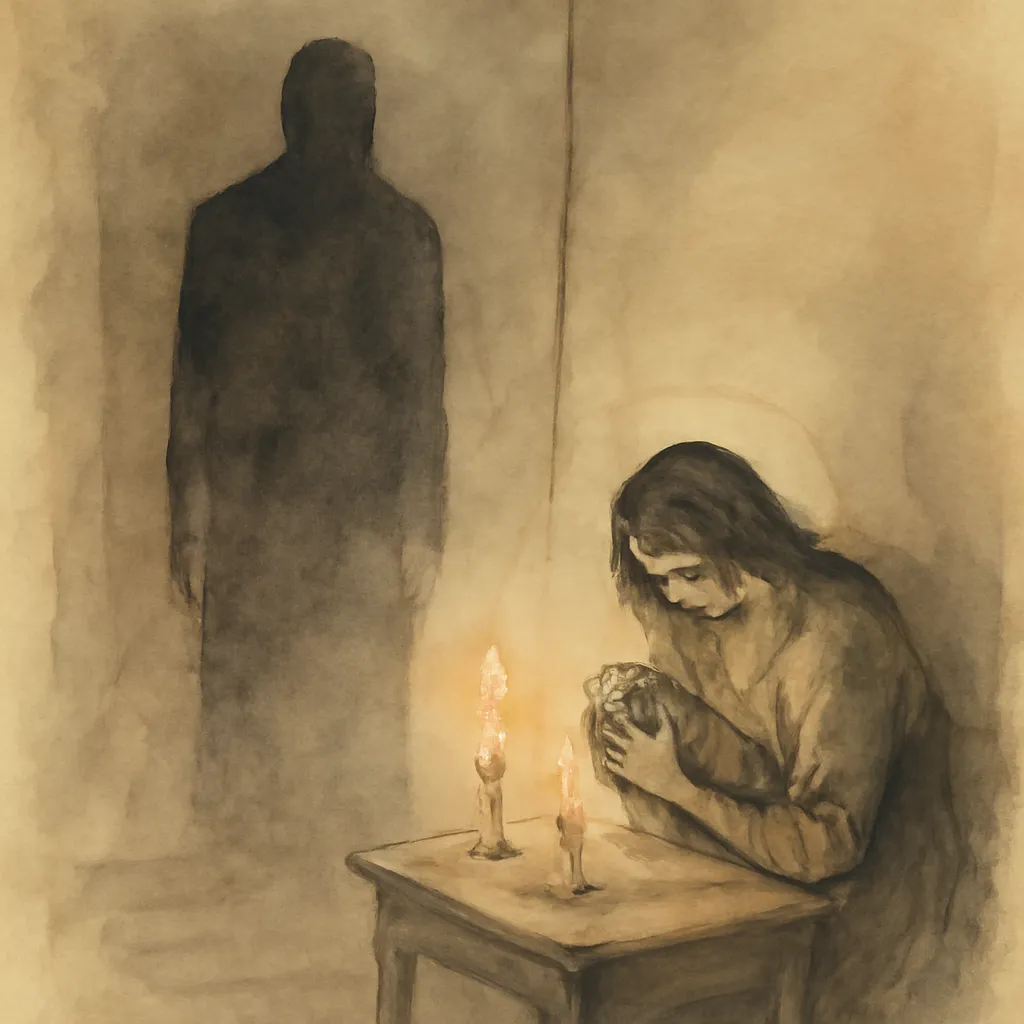
7.The Complexity of Human Relationships in 'The Story of a Mother'
'The Story of a Mother' delves into the depths of maternal love and sacrifice. The protagonist, a mother, is faced with the heart-wrenching decision to seek help from a mysterious figure to save her ailing child. As she navigates through her trials, Andersen explores the complexities of love, grief, and the lengths a parent will go to for their child. The story confronts the harsh realities of life, illuminating the emotional turmoil that accompanies parenthood. This narrative serves as a powerful exploration of the bond between mother and child, highlighting the selflessness and resilience inherent in that relationship. Readers are left reflecting on the profound impact of love, loss, and the sacrifices that shape our lives.
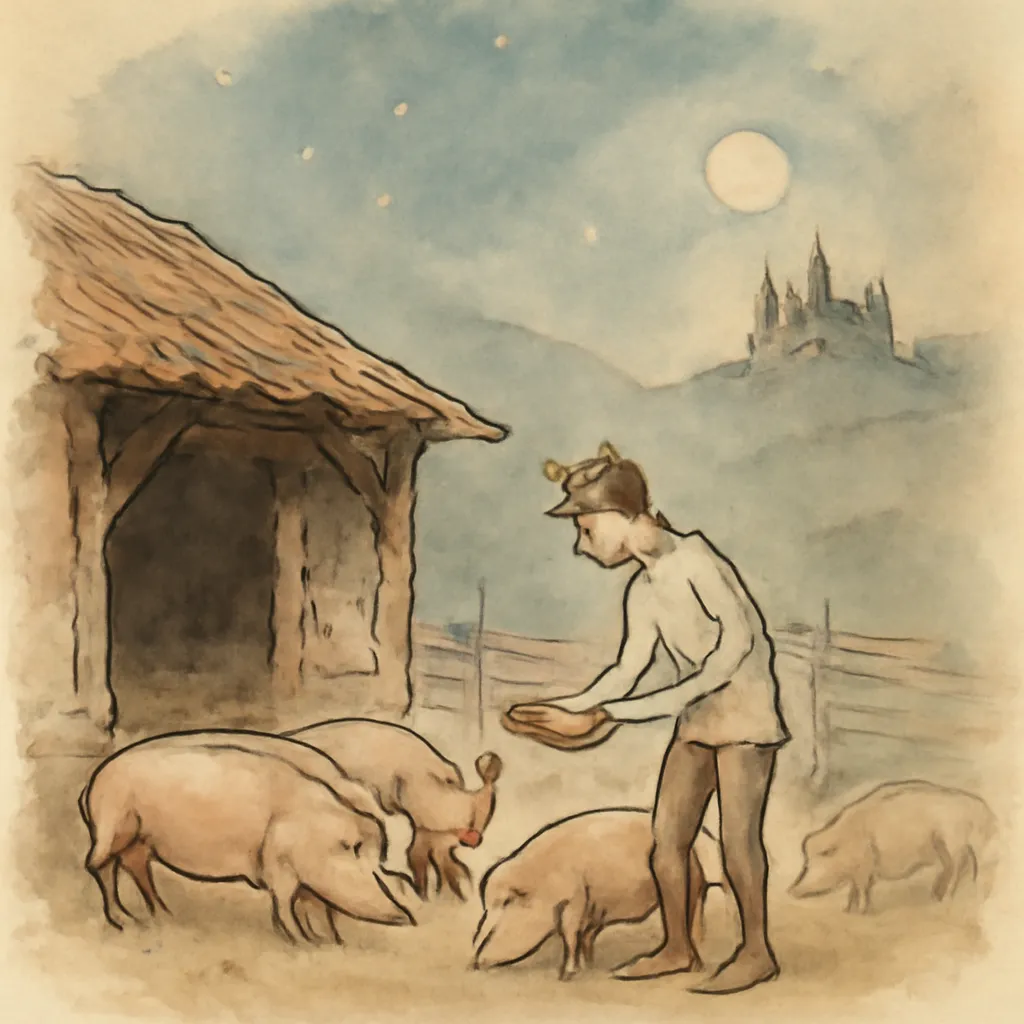
8.The Role of Fate in 'The Swineherd'
'The Swineherd' presents a story of love, pride, and the unpredictable nature of fate. The tale follows a prince who disguises himself as a swineherd to win the affection of a princess, who initially dismisses him due to his lowly status. Through clever storytelling, Andersen explores how fate intervenes in the characters' lives, ultimately leading to unexpected outcomes. The prince's transformation highlights the themes of identity and the masks we wear to navigate social hierarchies. This narrative invites readers to consider the role of fate in their own lives, as well as the arbitrary nature of societal judgment. Andersen's story serves as a reminder that true worth is not defined by status, but by one's character and the choices they make.
9.The Importance of Imagination in 'The Leap-Frog'
'The Leap-Frog' is a whimsical tale that celebrates the importance of imagination and creativity in our lives. The story revolves around a frog who becomes a skilled leaper, captivating the attention of a princess. However, the narrative takes a turn when the frog's abilities are put to the test in a series of competitions. Through humor and fantasy, Andersen illustrates the transformative power of imagination, encouraging readers to embrace their creativity. The frog's journey serves as a metaphor for the challenges we face in pursuing our dreams and the joy that comes from self-expression. This tale resonates with anyone who has ever felt constrained by societal expectations, reminding us that imagination can lead to unexpected and delightful outcomes.
10.The Value of Community in 'The Happy Family'
'The Happy Family' is a charming narrative that emphasizes the importance of community and connection. The story follows a group of household objects that come to life, each representing a different aspect of family life. Through their interactions, Andersen highlights the joys and challenges of living together, illustrating the value of cooperation and understanding. The tale serves as a reminder that happiness often stems from our relationships with others and the bonds we create. Readers are encouraged to reflect on their own communities and the role they play in fostering connection and support. This narrative underscores the idea that true happiness is found not in material possessions, but in the love and camaraderie we share with those around us.