1.Monkeys: Emotionally Complex Companions
Monkeys exhibit a broad spectrum of emotions and social interactions that highlight their intelligence and adaptability. One poignant anecdote recounts a monkey brought from the Gambia, who developed a bond with a child and displayed signs of distress when separated. This monkey, who was initially mischievous and destructive in captivity, showed remarkable recognition and joy upon reuniting with his former owner after years. Such stories underscore the emotional depth of monkeys, challenging the notion that their behaviors are purely instinctual. The melancholic demeanor of certain species, like the Chimpanzee, reveals their capacity for sadness and frustration, further illustrating the emotional complexity found in primate behavior. The interactions between humans and monkeys serve as a reminder of the intricate emotional lives that these animals lead, often mirroring our own feelings of attachment and longing.
2.Moles: Nature's Ingenious Engineers
Moles are often overlooked in discussions of animal intelligence, yet they demonstrate remarkable engineering skills in their subterranean habitats. Their tunnels are meticulously constructed, featuring a network of galleries that serve various purposes, from sleeping chambers to hunting grounds. A French naturalist's observations reveal that moles can effectively drain land better than human laborers, showcasing their instinctual understanding of their environment. This ability to create complex systems underground not only illustrates their intelligence but also highlights their crucial role in maintaining healthy ecosystems. Moles' impressive swimming abilities, evidenced by their successful colonization of a small island, further emphasize their adaptability. These creatures remind us that intelligence can manifest in many forms, often hidden from our view beneath the surface.
3.Bears: The Duality of Ferocity and Intelligence
Bears embody a fascinating duality of strength and cunning, often exhibiting behaviors that showcase both their ferocity and their intelligence. Anecdotes of grizzly bears reveal their formidable nature, particularly when wounded—one story describes a bear that, after being shot, charged at hunters with remarkable persistence and strength. Their ability to problem-solve is highlighted in tales of bears attempting to escape traps, showcasing their understanding of their surroundings and the challenges they face. Despite their fearsome reputation, bears also display nurturing behaviors, particularly towards their cubs, illustrating a capacity for care and protection that contrasts with their predatory instincts. These stories compel us to reconsider the complexity of bears, acknowledging them as creatures capable of both aggression and tenderness, driven by instinct yet influenced by their experiences.
4.Badgers: The Quiet Guardians of the Night
Badgers, often seen as solitary and secretive, reveal a surprising complexity in their social behaviors and ecological impact. Their nocturnal habits and the construction of elaborate burrows showcase their instinctual drive for safety and comfort. The anecdote of badgers being recognized by their distinctive markings illustrates their unique identity within the animal kingdom. While they may not be aggressive, badgers exhibit a strong sense of territory and can become formidable when provoked. Their role in the ecosystem as both predators and prey highlights the delicate balance of nature. These creatures remind us that even those who seem unremarkable play significant roles in their habitats, contributing to the overall health of their environments through their behaviors and interactions.
5.Dogs: Loyalty and Intelligence Intertwined

Dogs have long been celebrated for their loyalty and intelligence, and numerous anecdotes illustrate the profound bonds they form with humans. One story recounts a dog that safeguarded its owner's horse, refusing to let strangers approach, demonstrating a remarkable understanding of trust and protection. Another tale describes a dog retrieving a lost coin, showcasing their ability to comprehend human needs and their remarkable memory. The intricate communication between dogs and their owners, whether through body language or vocalizations, reveals a sophisticated social intelligence that deepens our connection with them. Dogs' capacity for empathy is further exemplified in their reactions to their owners' emotions, as they often seem to sense distress and offer comfort. These narratives highlight the invaluable roles dogs play in our lives, serving not only as companions but also as partners in understanding the emotional landscape of the human experience.
6.Wolves: The Art of Cooperative Hunting

Wolves are renowned for their cooperative hunting strategies, which demonstrate their intelligence and social structure. Anecdotes reveal how packs work together to drive prey towards cliffs or other dangers, showcasing their ability to communicate and strategize effectively. This sophisticated teamwork is essential for their survival, as hunting in groups allows them to take down larger animals. The cunning nature of wolves is further illustrated in their interactions with humans, where they often exhibit a keen understanding of their surroundings and the behavior of potential threats. These stories challenge the perception of wolves as mere predators, revealing them as intelligent social creatures capable of complex thought and planning. Their cooperative behaviors not only highlight their instinctual drive for survival but also reflect the intricate dynamics of their social structures, promoting a deeper understanding of their role in the ecosystem.
7.Foxes: Cunning Adaptability
Foxes embody the essence of cunning and adaptability, often outsmarting both prey and predators through their clever behaviors. Anecdotes illustrate their resourcefulness, as they scavenge for food and find innovative ways to evade capture. For instance, the fox's ability to bury excess food for later consumption demonstrates foresight and planning, key traits that enhance their survival. Their varied diet, ranging from small mammals to fruits, showcases their adaptability to different environments and food sources. Foxes also possess a unique ability to navigate urban landscapes, often thriving in areas heavily populated by humans. This adaptability not only emphasizes their intelligence but also reflects the broader theme of survival in an ever-changing world. These narratives encourage admiration for the fox's ingenuity, prompting us to consider the various ways animals navigate the challenges posed by their environments.
8.Cats: The Enigmatic Hunters
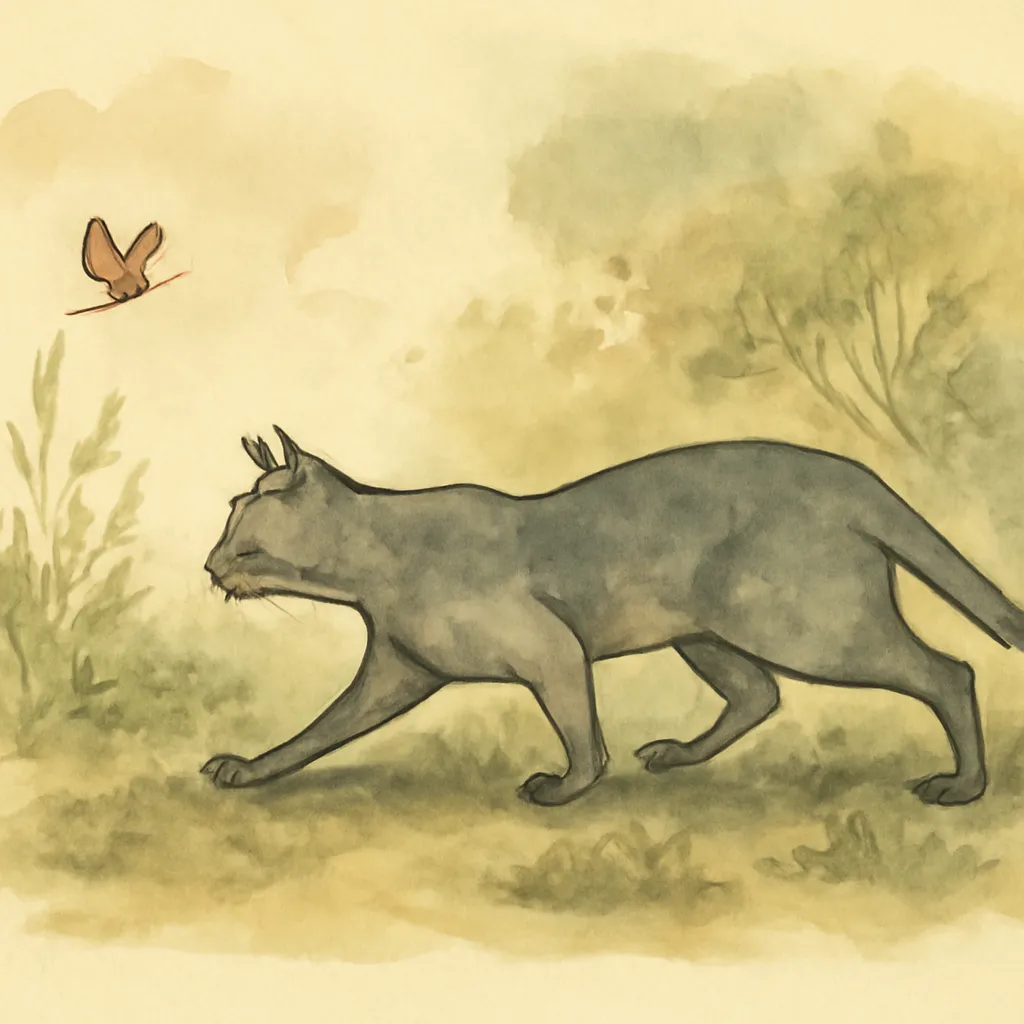
Cats, both domestic and wild, possess a unique blend of independence and instinctual prowess that captivates our attention. Anecdotes highlight their remarkable hunting skills, showcasing their ability to stalk and capture prey with precision. One story describes a cat that instinctively brought a captured bird to its owner, revealing a complex understanding of their role within the household. Cats also exhibit intriguing social behaviors, forming bonds with other animals, such as dogs or even birds, challenging the stereotype of their solitary nature. Their enigmatic behaviors, such as purring or kneading, suggest a depth of emotion and communication that invites further exploration. This complexity of character leads us to appreciate cats not only as pets but as intricate beings with their own social structures and emotional landscapes. The tales of cats encourage a deeper understanding of their behaviors, ultimately fostering a greater appreciation for their role in our lives.
9.The Majesty of Big Cats: Lions and Tigers

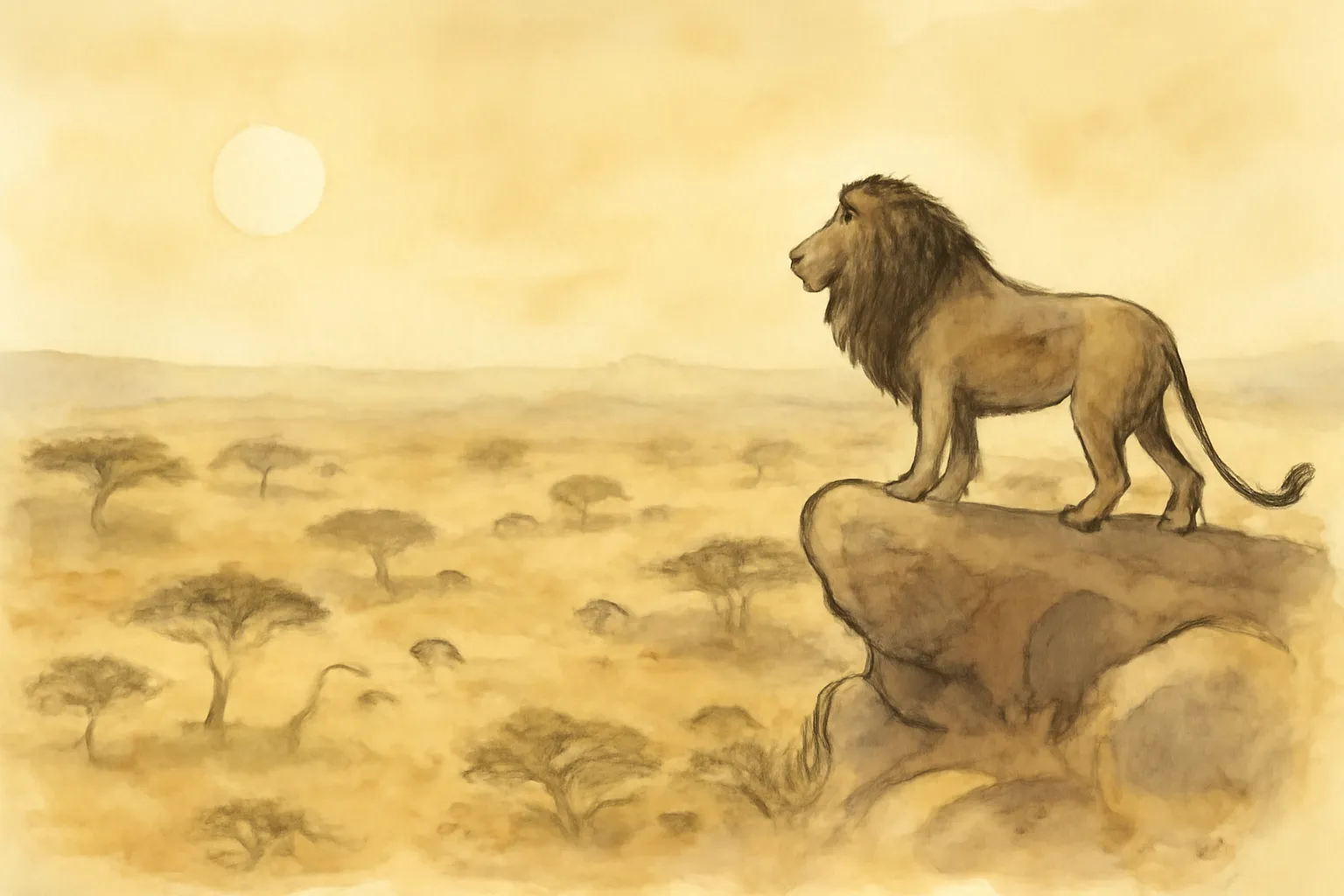
Lions and tigers, the apex predators of the feline world, embody power and grace, yet their behaviors reveal layers of complexity beyond mere ferocity. Anecdotes of lions demonstrate their intricate social structures, where pride dynamics dictate their interactions and hunting strategies. One story reveals a lion's calculated approach to hunting, showcasing its ability to work cooperatively with pride members to secure prey. Tigers, on the other hand, exhibit solitary behaviors, relying on their stealth and strength to hunt alone. An anecdote of a tiger dragging a person from a boat highlights their formidable hunting capabilities and the dangers they pose in the wild. These narratives challenge the simplistic view of big cats as mere killers, instead revealing their social intelligence and the nuanced relationships they have with their environments. The tales of lions and tigers compel us to appreciate the majesty of these creatures while recognizing the intricate dynamics that govern their behaviors.
10.Elephants: The Gentle Giants with Profound Memories

Elephants are often regarded as gentle giants, and their remarkable intelligence and emotional depth are highlighted through various anecdotes. One story recounts an elephant's affectionate reunion with a companion after a long separation, showcasing their capacity for memory and emotional attachment. Their complex social structures and behaviors, such as mourning their dead, reveal a profound understanding of loss and grief. Anecdotes of elephants exhibiting revenge against those who mistreat them further emphasize their emotional complexity and moral understanding. Their incredible problem-solving abilities are demonstrated in stories of elephants navigating obstacles or using tools to achieve their goals. These narratives invite readers to see elephants not only as magnificent creatures but also as beings with rich emotional lives, prompting a reevaluation of our relationship with these remarkable animals. The tales of elephants encourage a deeper appreciation for their intelligence and the importance of protecting their habitats.