1.The Corruption of Ideals
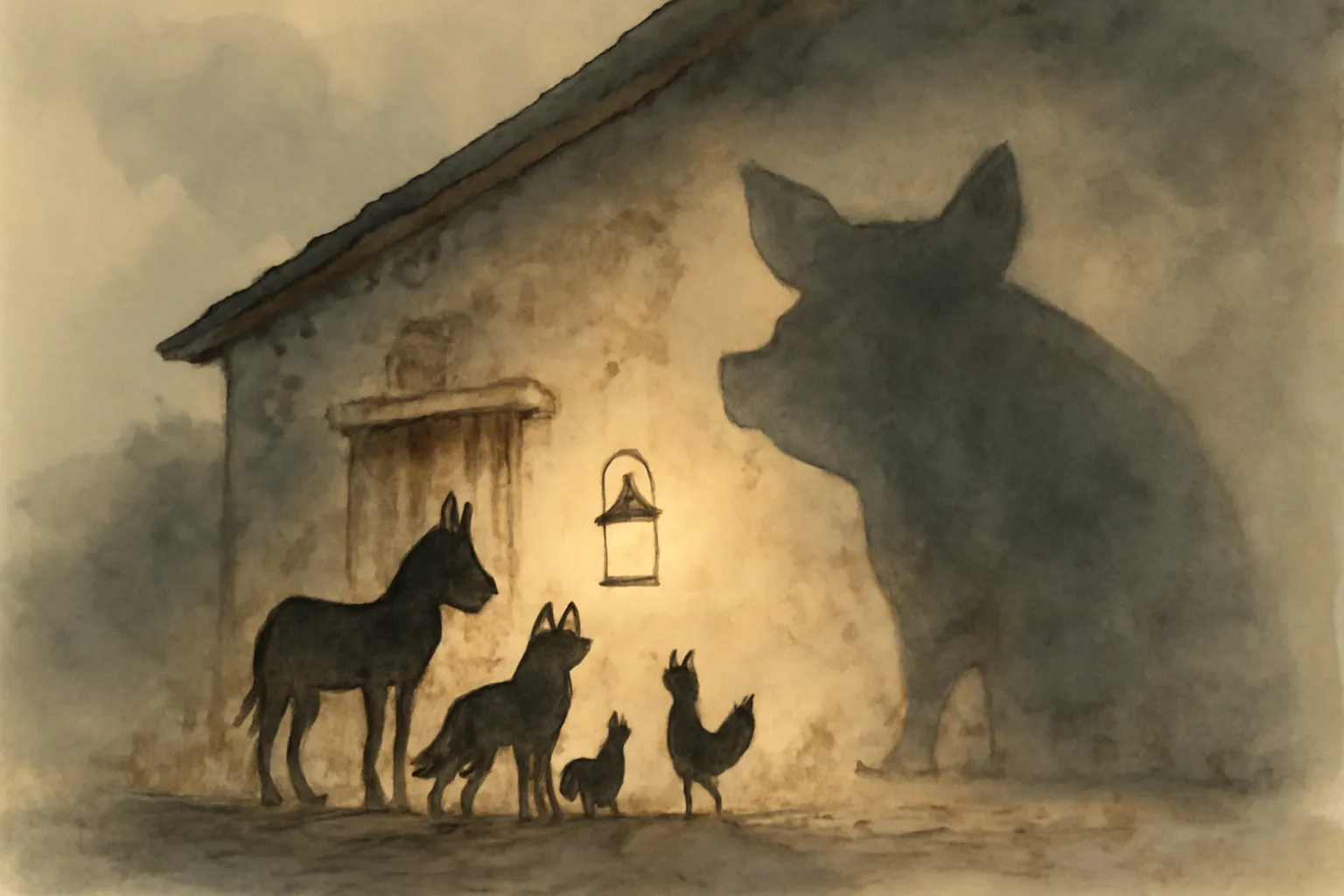
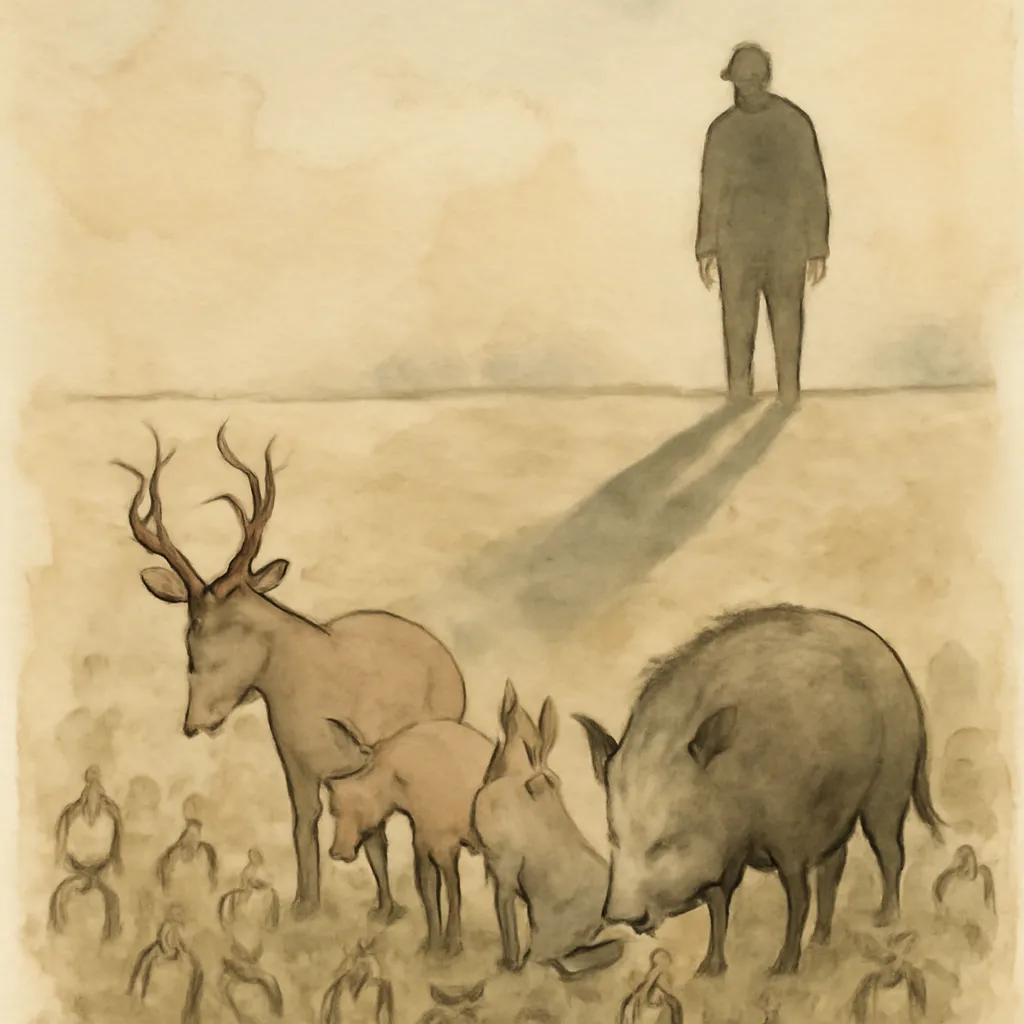
Animal Farm begins with the animals’ dream of a just and equal society, but as their revolution progresses, those ideals are steadily eroded. The pigs, who assume leadership, gradually alter the farm’s founding principles to suit their own interests. Orwell demonstrates how noble visions can be manipulated and lost when those in power prioritize self-interest over collective good, warning that the original spirit of a movement is fragile and easily undermined.
2.Power and Its Tendency to Corrupt
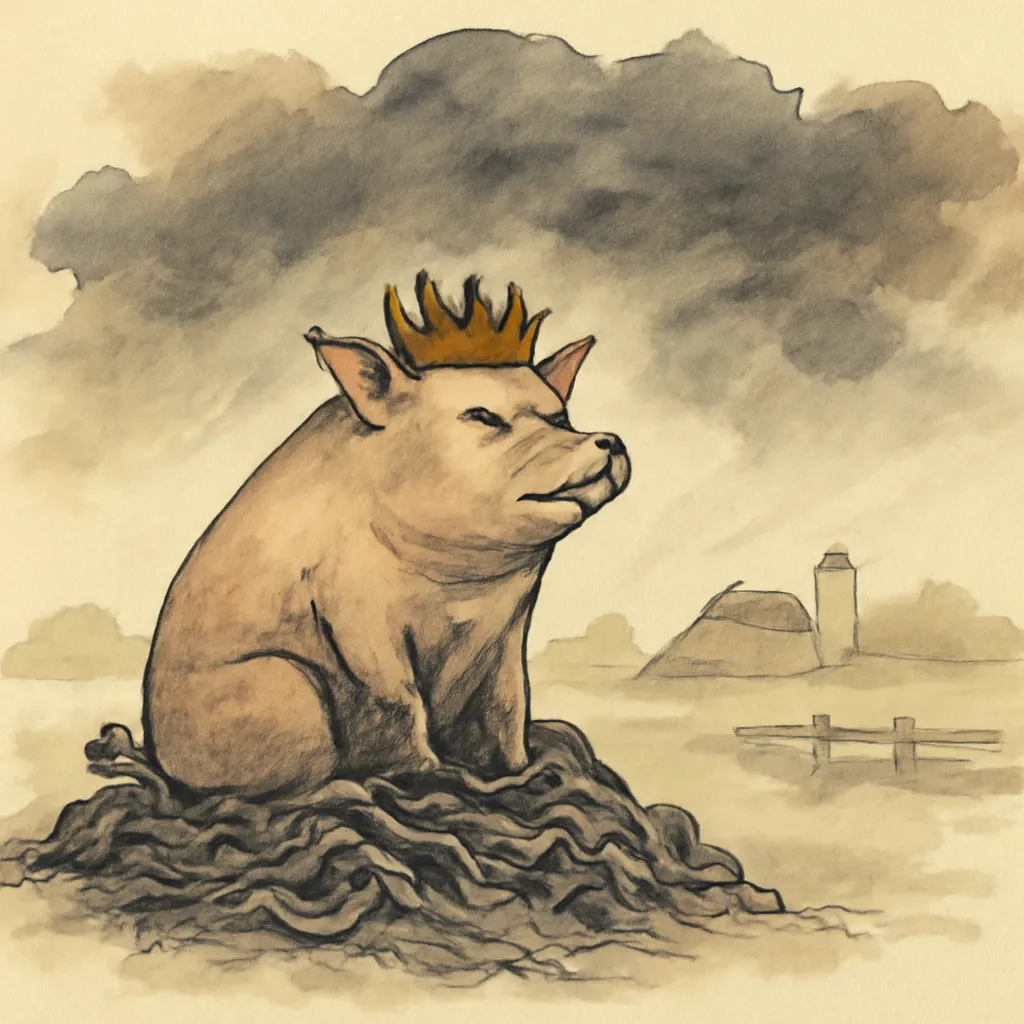
Through the rise of the pig Napoleon, Orwell explores how power can corrupt even those who begin with good intentions. As Napoleon consolidates authority, he becomes increasingly authoritarian, using propaganda, fear, and violence to maintain control. The story illustrates how unchecked power leads to oppression, and how leaders can become indistinguishable from the oppressors they once overthrew.
3.Manipulation Through Language
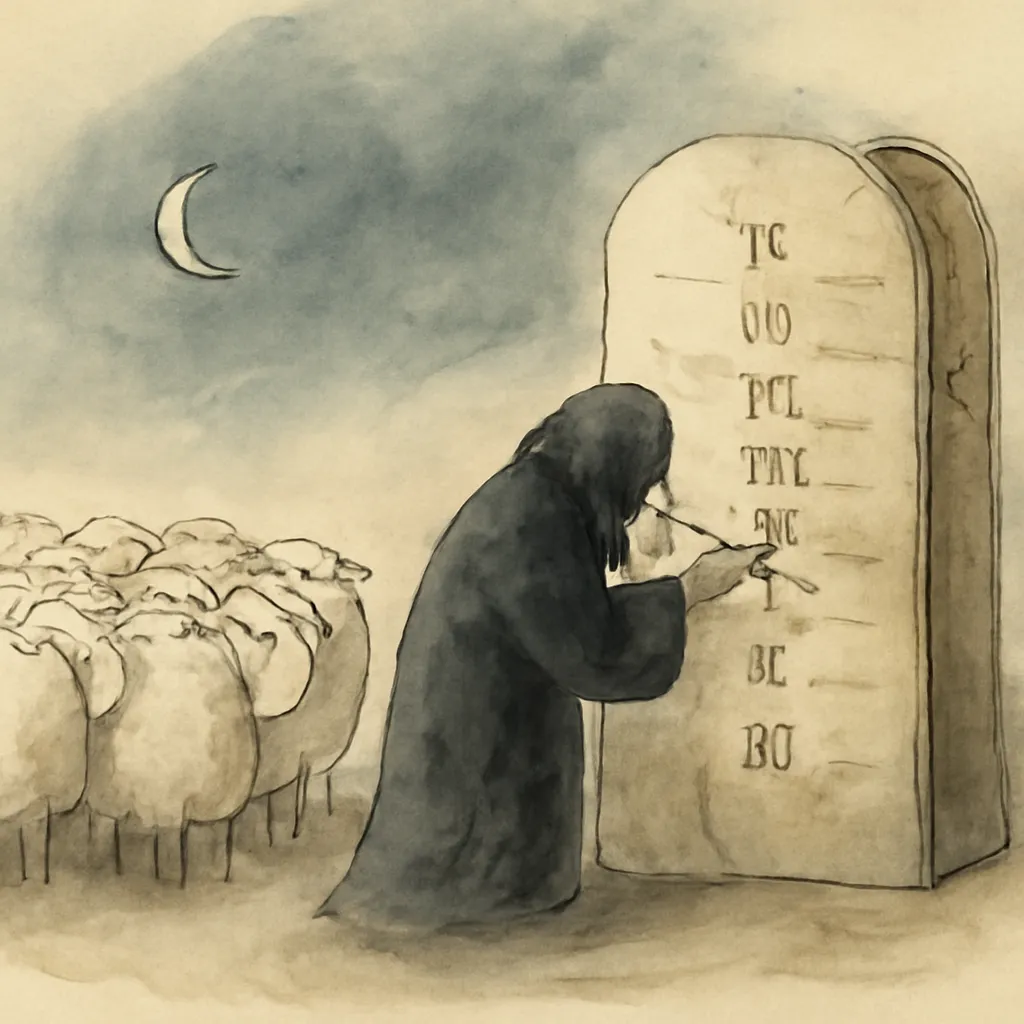
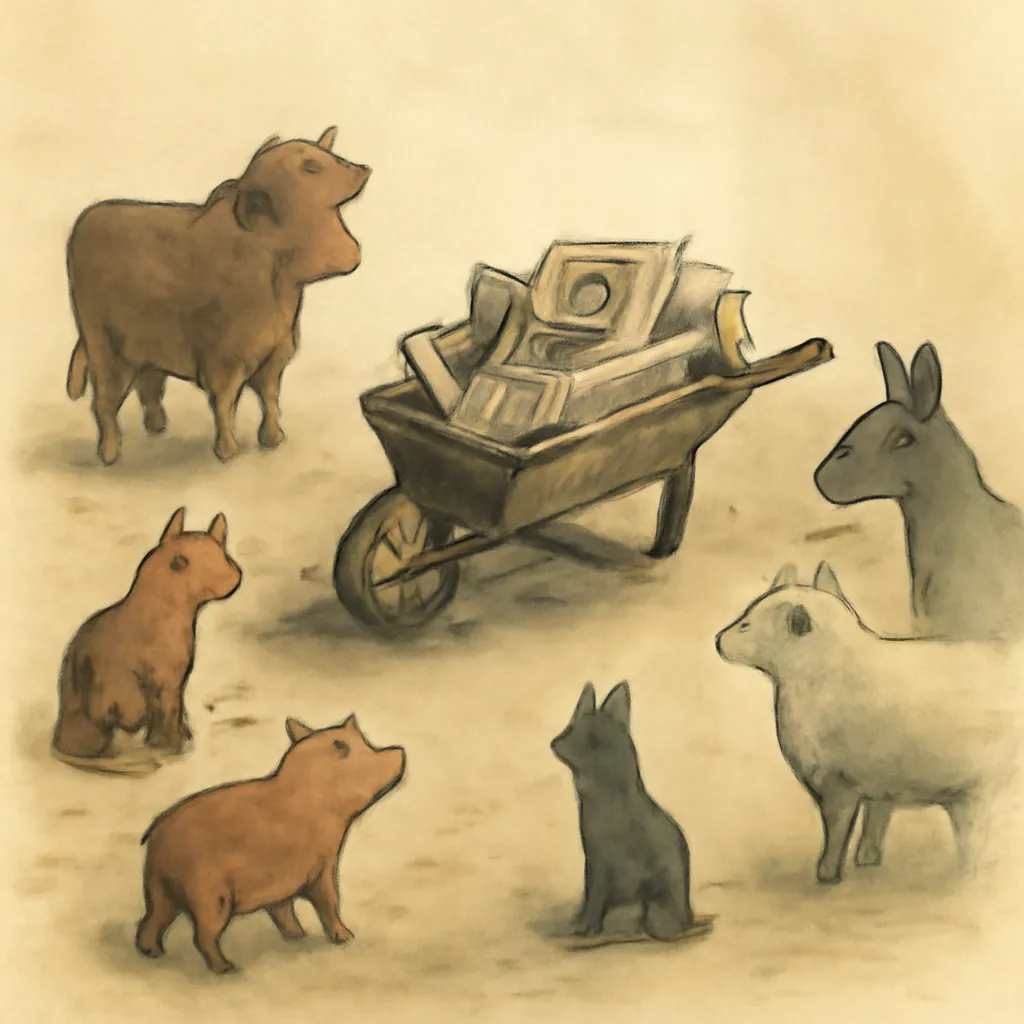
Orwell highlights the role of language as a tool for manipulation. The pigs repeatedly revise the farm’s commandments and use persuasive rhetoric to justify their actions. This manipulation of language confuses and pacifies the other animals, showing how those in power can reshape reality and suppress dissent by controlling information and rewriting history.
4.The Dangers of Complacency and Ignorance
The fate of the farm is shaped not only by the pigs’ ambitions but also by the other animals’ lack of critical thinking and willingness to question authority. Their trust, passivity, and forgetfulness allow the pigs to seize more power. Orwell warns that a society’s freedom depends on the vigilance and education of its members; without these, tyranny can flourish.
5.Satire of Totalitarianism
Animal Farm is a sharp satire of totalitarian regimes, especially Stalinist Russia, but its lessons are universal. By using animals as stand-ins for historical figures and political classes, Orwell exposes the mechanisms of authoritarianism: propaganda, scapegoating, and the gradual erosion of rights. The allegory remains relevant as a cautionary tale about the dangers of unchecked authority in any society.
6.Cycles of Oppression
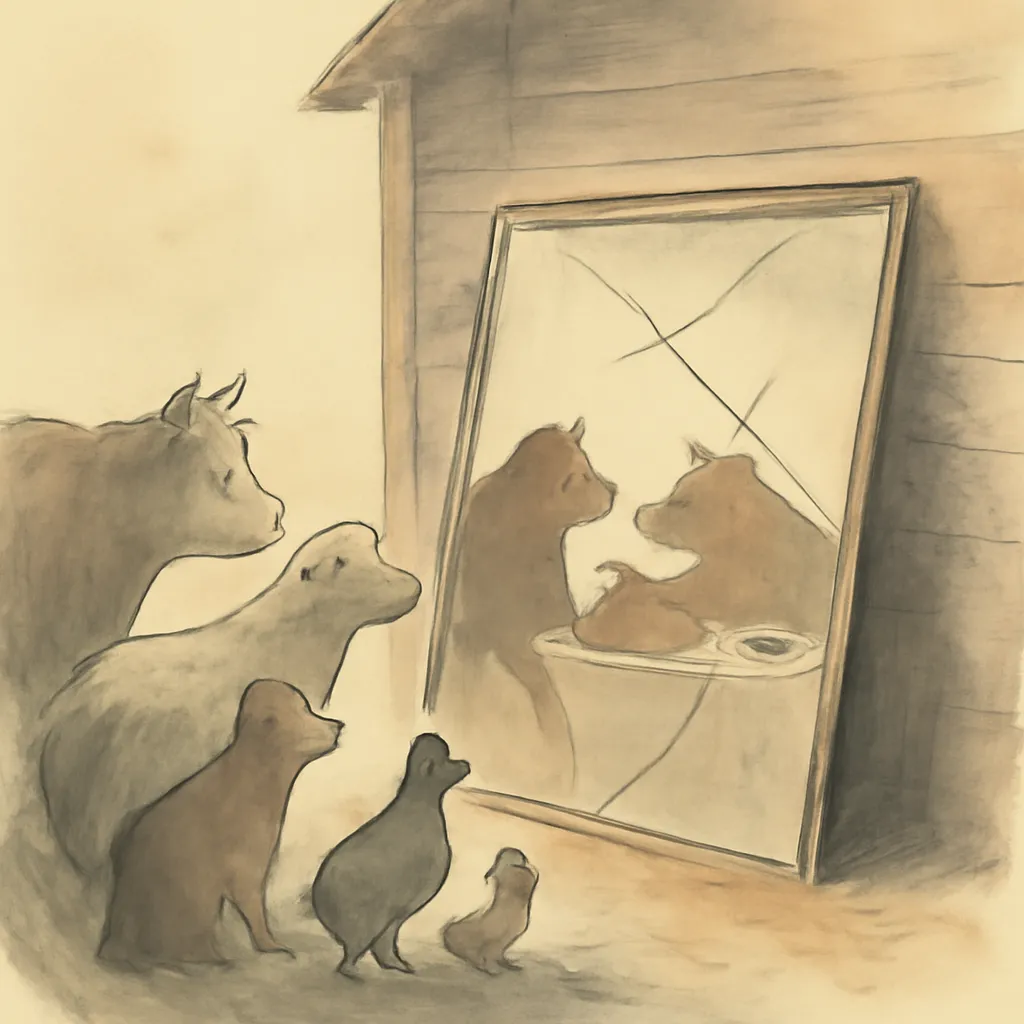
The story ends with the animals unable to distinguish between their new rulers and their former human oppressors, suggesting that revolutions can end up recreating the very injustices they sought to abolish. Orwell’s narrative warns that unless the underlying structures of power are changed, history risks repeating itself in cycles of hope and betrayal.