1.The Catalyst of Rebellion
Ann Veronica's journey begins with a moment of intense personal crisis, as she decides to confront her father over her desire for independence. This pivotal scene illustrates the generational clash between the expectations of traditional authority and the burgeoning aspirations of a new generation. Ann Veronica's determination to assert herself symbolizes the awakening of women's rights movements, reflecting a broader societal shift towards individual freedom. Her train ride home serves as a metaphor for her internal conflict, oscillating between compliance and rebellion. The specifics of her thoughts and emotions during this journey reveal her inner turmoil and the weight of societal expectations. As readers witness her resolve solidifying, they are drawn into the emotional stakes of her rebellion, making her struggle relatable and impactful.
2.The Struggle for Self-Expression
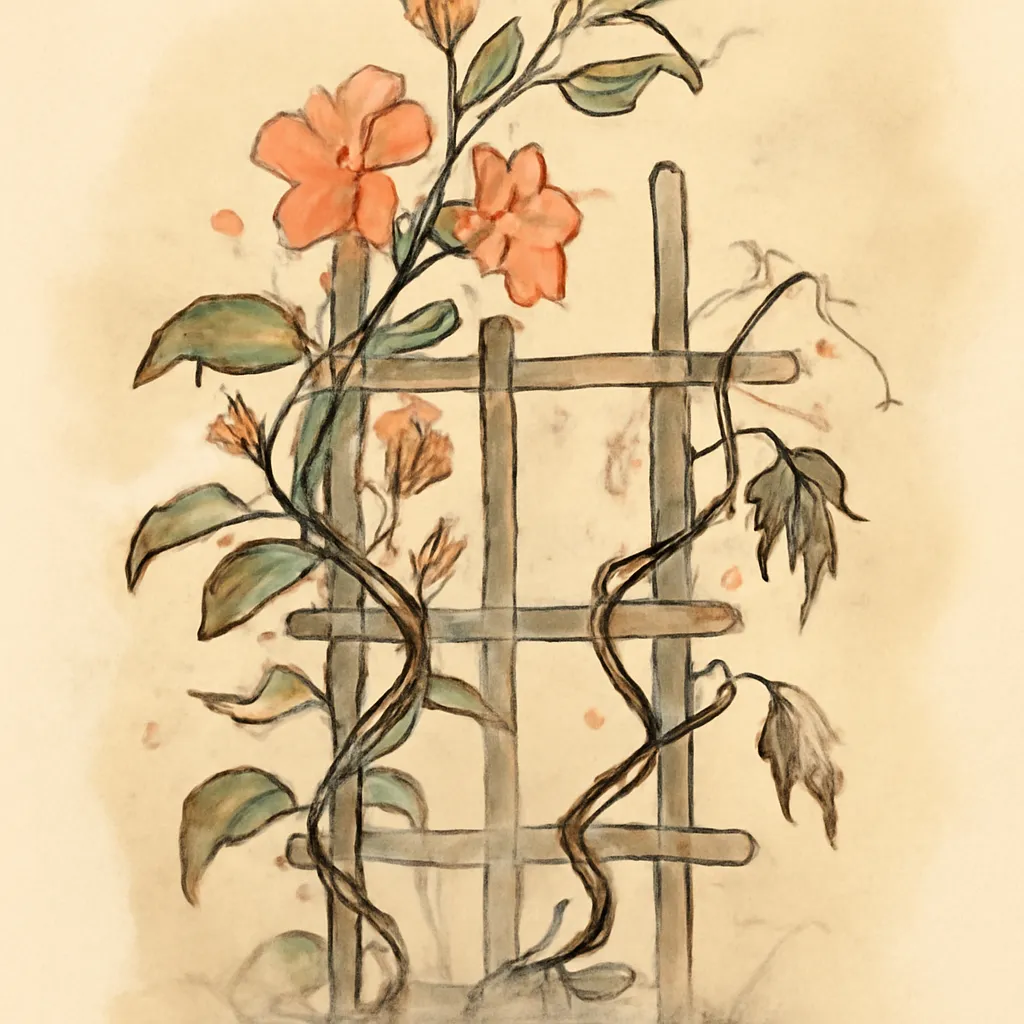
Ann Veronica's character is defined by her intense longing for self-expression and a life filled with genuine experiences. She is not merely a passive observer of her circumstances; rather, she actively seeks to break free from the constraints that society imposes on her. The imagery of the world being 'in wrappers' captures her sense of frustration with societal norms that obscure the vibrancy of life. This longing for knowledge and adventure becomes a driving force in her life, leading her to question the roles and expectations assigned to women. As she navigates these complexities, readers are invited to reflect on their own desires for authenticity and how societal expectations can stifle individuality. Her struggle is emblematic of the broader quest for self-actualization that resonates with many, particularly in the face of oppressive societal norms.
3.The Role of Authority and Rebellion
The relationship between Ann Veronica and her father, Mr. Stanley, serves as a microcosm of the struggle between authority and individual will. Mr. Stanley embodies the patriarchal values of his generation, viewing Ann Veronica's desires as threats to his authority. His attempts to control her life through prohibitions and admonitions only fuel her resolve to defy him. The tension between them culminates in a dramatic confrontation, where Ann Veronica's defiance becomes a powerful assertion of her identity. This conflict underscores the broader theme of rebellion against oppressive authority, as Ann Veronica's actions challenge the established norms that dictate women's roles in society. Through their interactions, the complexity of parental authority and the need for autonomy are explored, revealing the emotional depth and stakes of their relationship.
4.The Quest for Romantic Fulfillment
Amid her struggles for independence, Ann Veronica's encounters with romance add a complex layer to her journey. Her interactions with Teddy Widgett and Mr. Manning reveal her complicated feelings about love and commitment. Teddy’s proposal of a 'formal marriage' highlights the absurdity of societal conventions surrounding marriage, as he suggests a superficial arrangement to liberate Ann Veronica from parental control. This proposal prompts Ann Veronica to reflect on the nature of love, autonomy, and societal expectations related to marriage. Conversely, Mr. Manning represents a more traditional approach to love, proposing a serious relationship that Ann Veronica finds both appealing and stifling. These romantic entanglements reflect her internal conflict between the desire for personal freedom and the societal expectations of marriage, ultimately forcing her to reassess what love means to her in the broader context of her quest for independence.
5.The Influence of Female Friendships
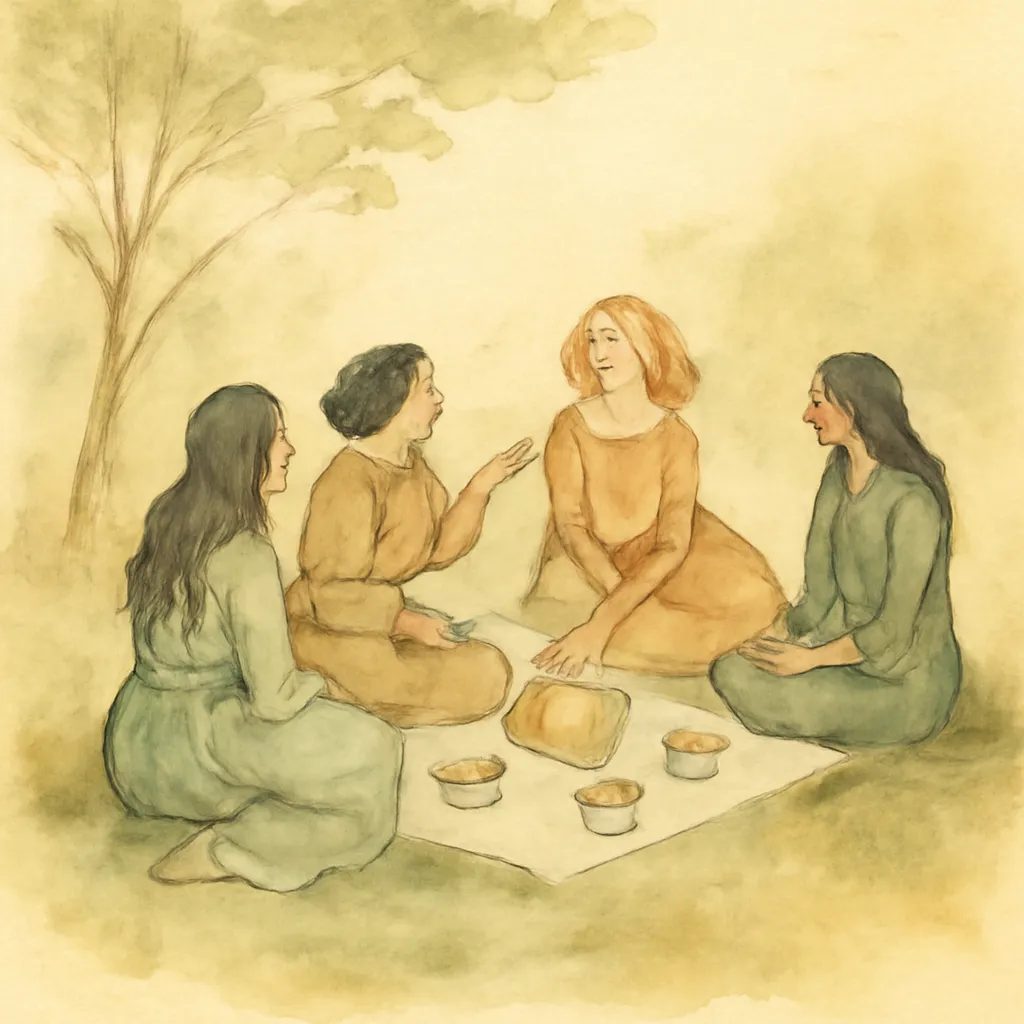
Ann Veronica's relationships with other women, particularly the Widgett sisters, play a crucial role in her development. These friendships provide her with a supportive network that encourages her to pursue her dreams. The Widgetts embody a more liberated spirit, engaging in candid discussions about love, life, and societal norms. Their influence helps Ann Veronica articulate her desires and ambitions, positioning her within a community of women who share her aspirations for freedom. This supportive environment enhances her sense of agency, illustrating the importance of female solidarity in the fight against societal constraints. As Ann Veronica draws strength from these relationships, Wells emphasizes the transformative power of friendship among women as they navigate their challenges together.
6.The Symbolism of the Fadden Dance
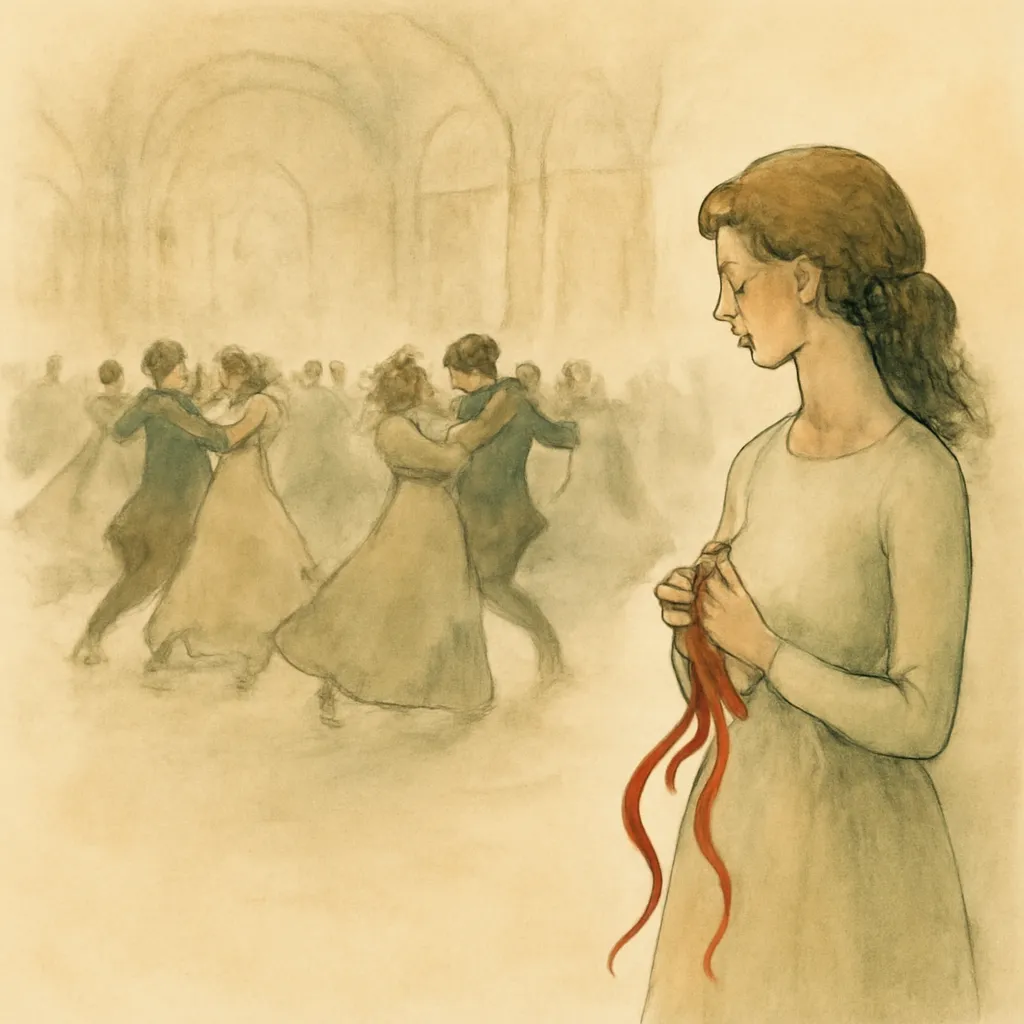
The Fadden Dance serves as a critical symbol of Ann Veronica's rebellion and desire for freedom. It represents not just a social event but a turning point in her life where she chooses to defy her father's wishes. The anticipation and excitement surrounding the dance reflect her yearning for self-expression and the thrill of stepping into a new world. Yet, the dance also symbolizes the societal pressures that accompany such freedoms, forcing Ann Veronica to confront the consequences of her choices. The event becomes a metaphor for the complexities of adult life, where joy and obligation intertwine. Readers are compelled to consider how societal expectations can both inspire and confine personal aspirations, as the dance serves as a microcosm of Ann Veronica's larger struggle for independence.
7.The Burden of Expectations
Ann Veronica's story is laden with the weight of societal expectations that dictate how women should behave. From her father's suffocating control to the whispers of disapproval from her peers, the pressure to conform is ever-present. This burden is exemplified in her interactions with her aunt, who embodies the traditional values of womanhood that Ann Veronica resists. The tension between familial duty and personal ambition creates a profound sense of conflict within her. The narrative highlights the complexities of balancing individual desires with familial obligations, illustrating the emotional toll that societal expectations can impose. Readers are invited to empathize with Ann Veronica's plight, as she navigates a path that defies conventional norms while grappling with the guilt and fear of rejection that accompany her choices.
8.The Journey Towards Self-Discovery
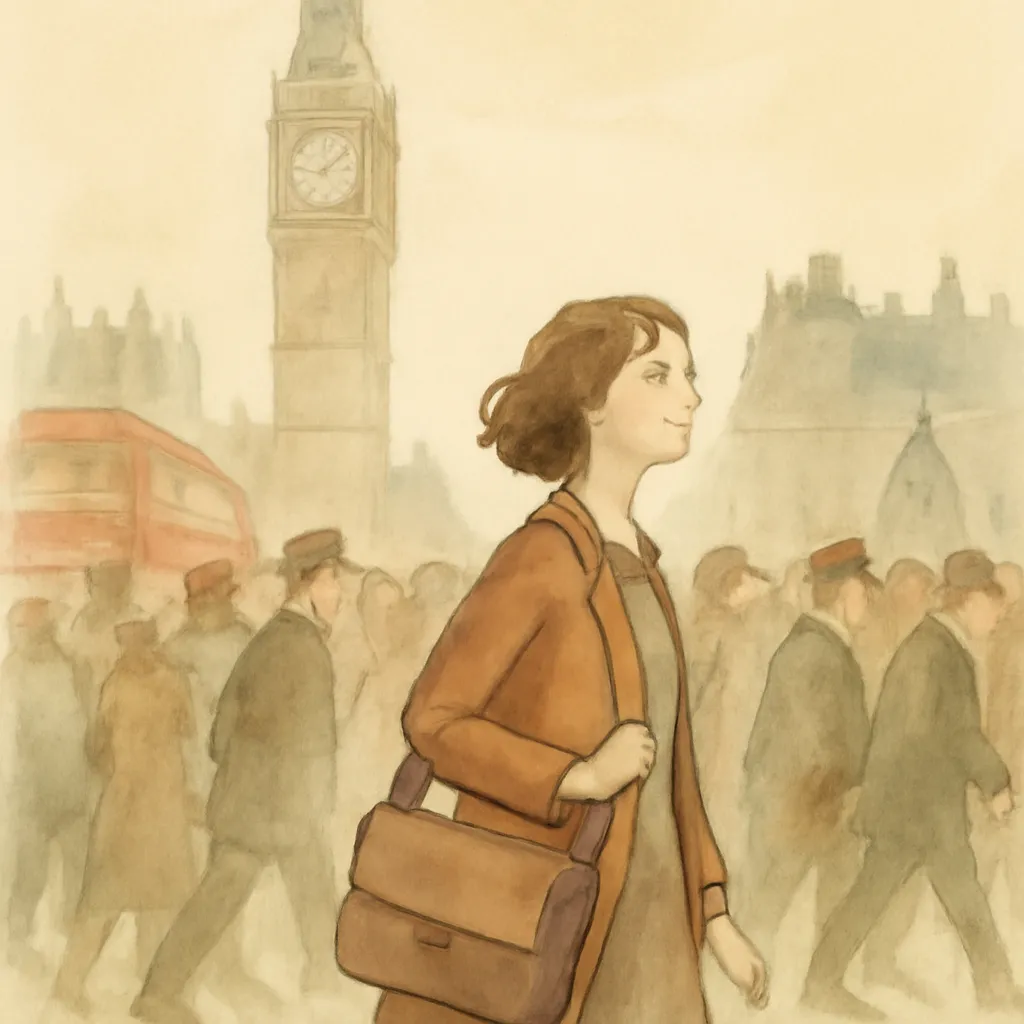
As Ann Veronica navigates her way through the complexities of her life, she embarks on a journey of self-discovery that leads her to London. This journey symbolizes her quest for independence and a life unencumbered by the expectations of her family. In the bustling streets of London, she encounters both opportunities and challenges that force her to confront her identity. The act of leaving home signifies a pivotal step toward self-actualization, as she seeks to define herself outside the confines of her previous existence. This transformation is emblematic of the broader movement toward women’s empowerment, as Ann Veronica embodies the spirit of a generation striving for autonomy and self-definition. Through her experiences, readers witness the trials and triumphs of forging one's identity in a world that often seeks to impose limitations.
9.The Complexity of Modern Relationships
Wells intricately weaves the theme of modern relationships throughout Ann Veronica's narrative, exploring the tensions between love, independence, and societal expectations. The dynamics between Ann Veronica and her suitors reveal the complexities of romantic entanglements in a rapidly changing world. She grapples with the notion of marriage and what it means in the context of her desire for freedom. The varying proposals from Teddy and Mr. Manning highlight the different expectations placed on women and the societal pressures that accompany romantic commitments. This exploration of modern relationships invites readers to reconsider the nature of love and commitment in a society that is evolving. As Ann Veronica navigates her feelings, Wells prompts reflection on how relationships can either support or hinder personal growth.
10.A Reflection on Feminism and Autonomy
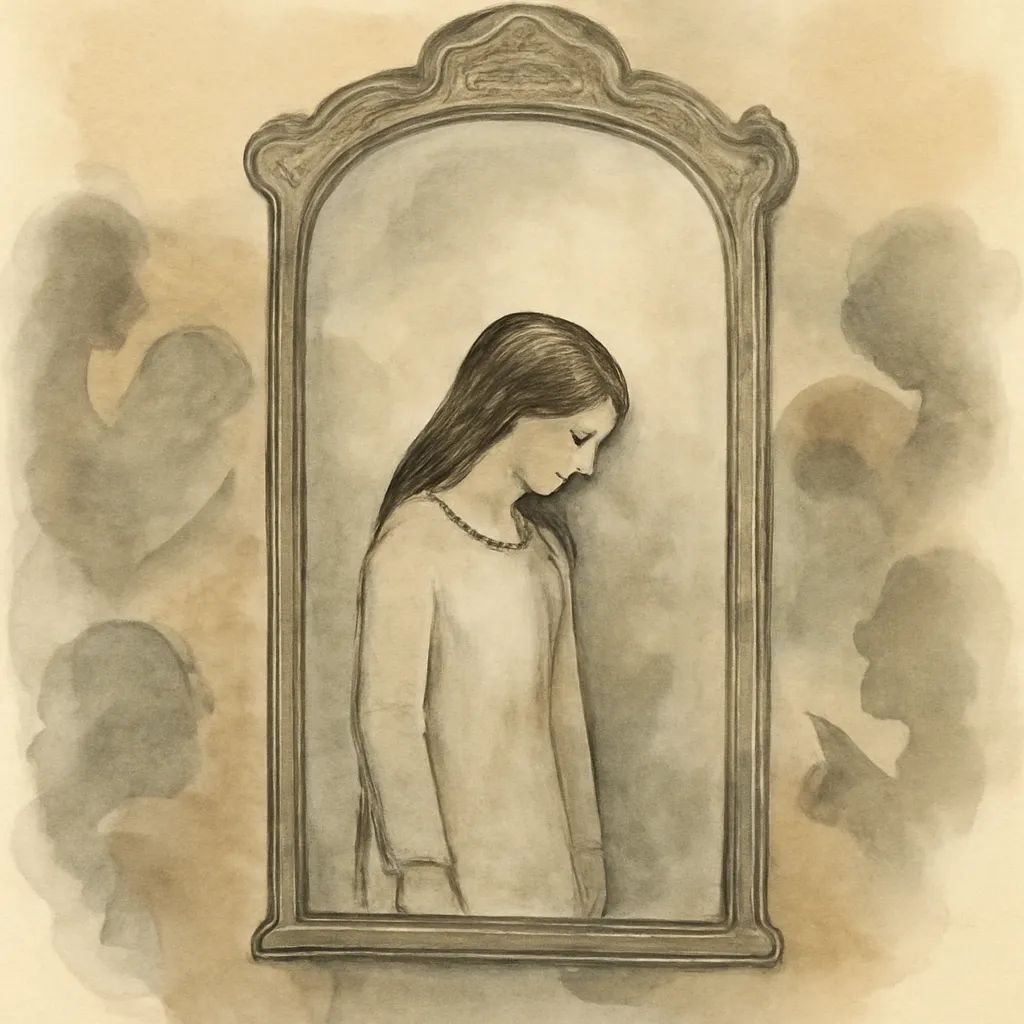
At its core, 'Ann Veronica' serves as a reflection on feminism and the quest for autonomy in a patriarchal society. Ann Veronica's journey is emblematic of the broader struggle for women's rights, emphasizing the importance of self-determination and the rejection of societal constraints. Her defiance against her father's authority and her pursuit of personal freedom resonate with the feminist ideals of the time. Wells deftly critiques the limitations placed on women and advocates for their right to choose their paths, making a compelling case for the empowerment of women in all aspects of life. The novel not only captures the spirit of a transformative era but also underscores the ongoing relevance of these themes today, as the fight for gender equality continues to unfold. Ann Veronica's story serves as a powerful reminder of the importance of autonomy, self-acceptance, and the courage to challenge societal norms.