1.The Genesis of Humanity and Divine Creation
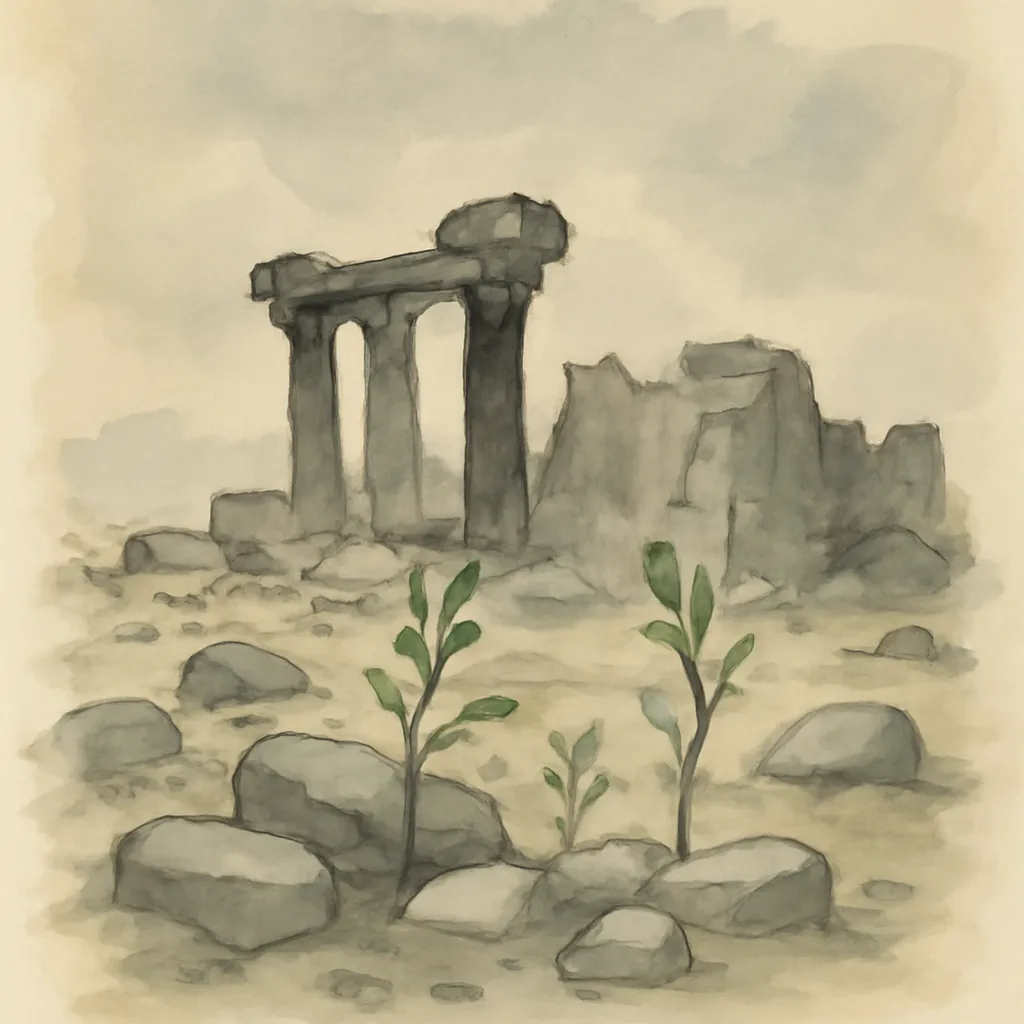
Josephus begins his account with the creation narrative, emphasizing the omnipotence of God as the sole creator of the universe. He describes how God created the heavens and the earth, separating light from darkness and establishing the rhythms of day and night. This foundational narrative not only sets the stage for the unfolding history but also establishes the theological framework within which the Jewish people understand their relationship with God. Josephus highlights the significance of the Sabbath, a day of rest instituted by God, underscoring the importance of divine order and human responsibility in creation. The creation story serves as a reminder of humanity's origins and the inherent dignity bestowed upon them as creations of God.
2.The Flood and Noah's Covenant
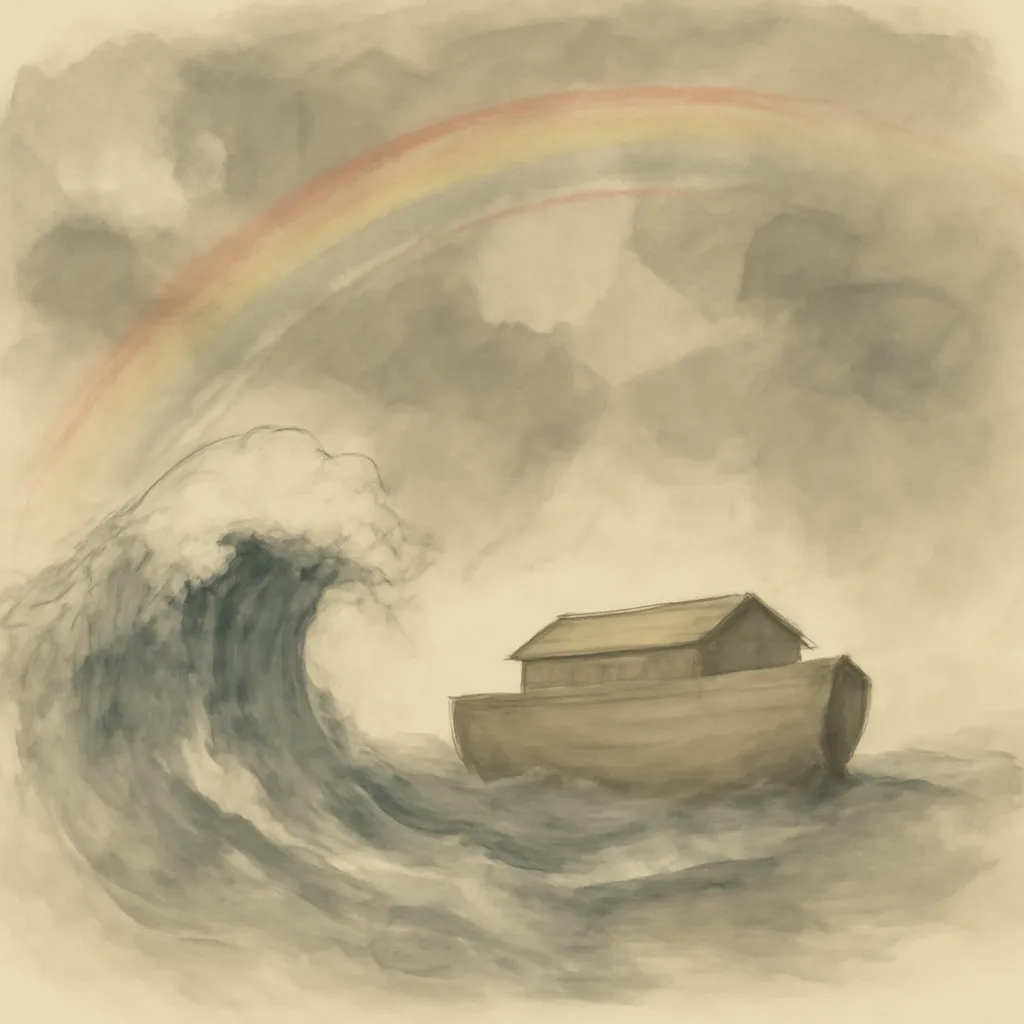
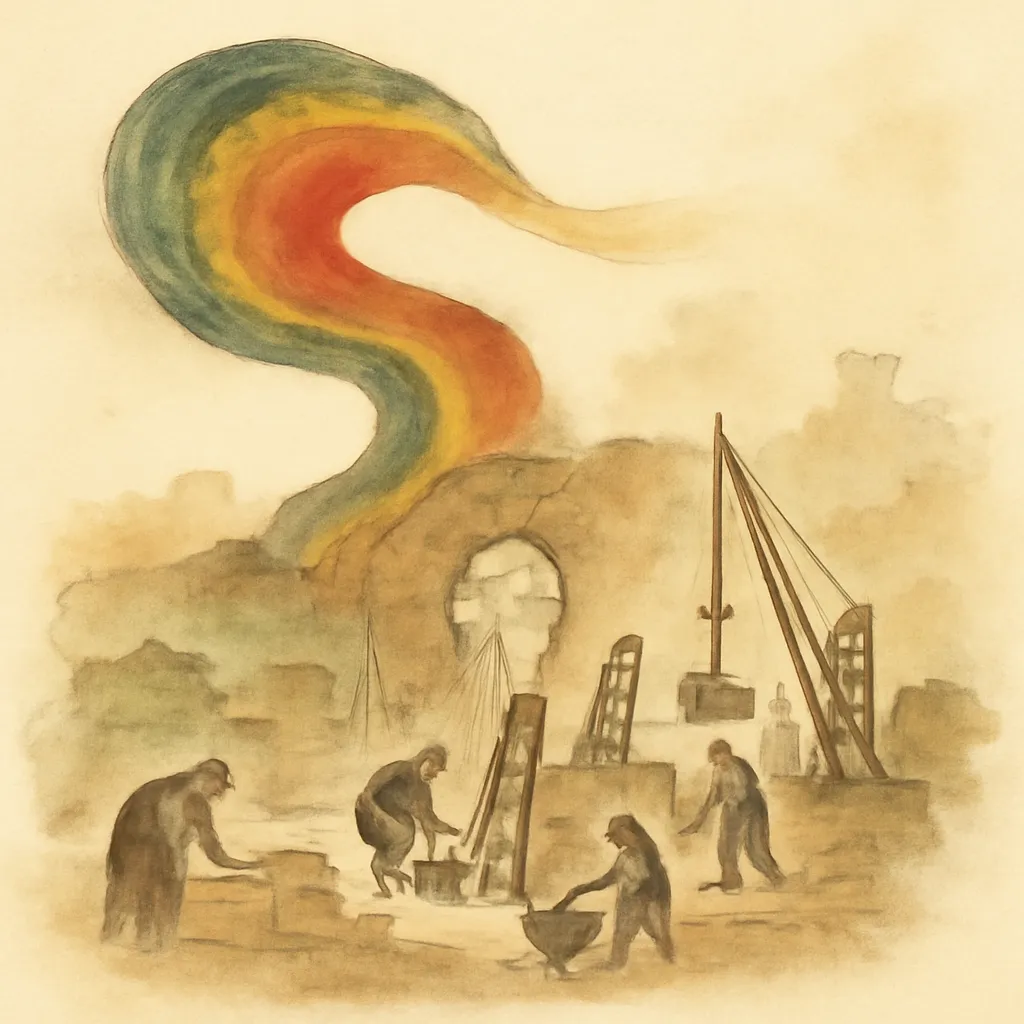
The narrative of Noah and the Flood is pivotal in understanding divine judgment and mercy. Josephus recounts how humanity's wickedness led to God's decision to cleanse the earth through the Flood, sparing only Noah and his family due to their righteousness. This event illustrates the themes of sin, punishment, and redemption. After the waters recede, God establishes a covenant with Noah, symbolized by the rainbow, promising never to destroy the earth again in such a manner. This covenant becomes a cornerstone of Jewish theology, representing God's enduring commitment to humanity and the moral obligations that come with it. Josephus emphasizes that this story is not merely a tale of destruction but a profound lesson on the consequences of moral decay and the possibility of renewal.
3.The Patriarchs: Abraham's Journey of Faith
Josephus details the life of Abraham, the father of the Jewish nation, highlighting his journey from Chaldea to Canaan at God's command. Abraham's faith and willingness to leave his homeland demonstrate his deep trust in God, which is a central theme in the Jewish narrative. He becomes a model of righteousness, advocating for monotheism in a polytheistic world. Josephus recounts Abraham's interactions with foreign kings, his battles, and his covenant with God, which promises him numerous descendants and the land of Canaan. This covenant is significant as it lays the foundation for the identity of the Jewish people. Abraham's willingness to sacrifice his son Isaac further exemplifies his faith and obedience, serving as a profound testament to the relationship between God and humanity.
4.The Exodus: A Defining Moment of Liberation
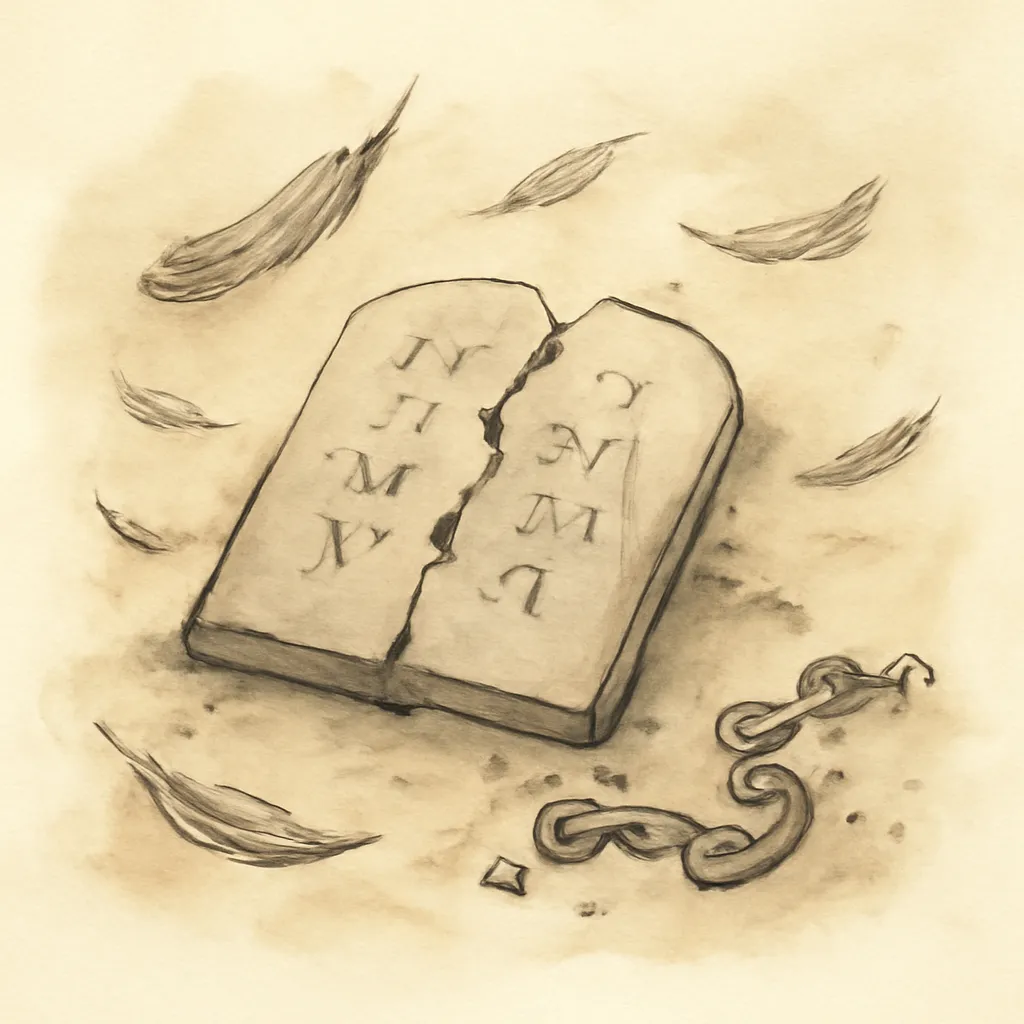
The story of Moses and the Exodus is one of the most critical events in Jewish history, as described by Josephus. He narrates the oppression of the Israelites in Egypt and God's call to Moses to lead them to freedom. Moses's encounter with God at the burning bush marks the beginning of a transformative journey for the Israelites, symbolizing hope and divine intervention. Josephus emphasizes the miraculous events that accompany the Exodus, including the plagues and the parting of the Red Sea, which serve to underscore God's power and commitment to His people. The giving of the Torah at Mount Sinai establishes the legal and moral framework for the Israelites, shaping their identity and covenant with God. This narrative not only highlights the theme of liberation from bondage but also the responsibilities that come with freedom.
5.The Conquest of Canaan: A Testament of Faith and Courage
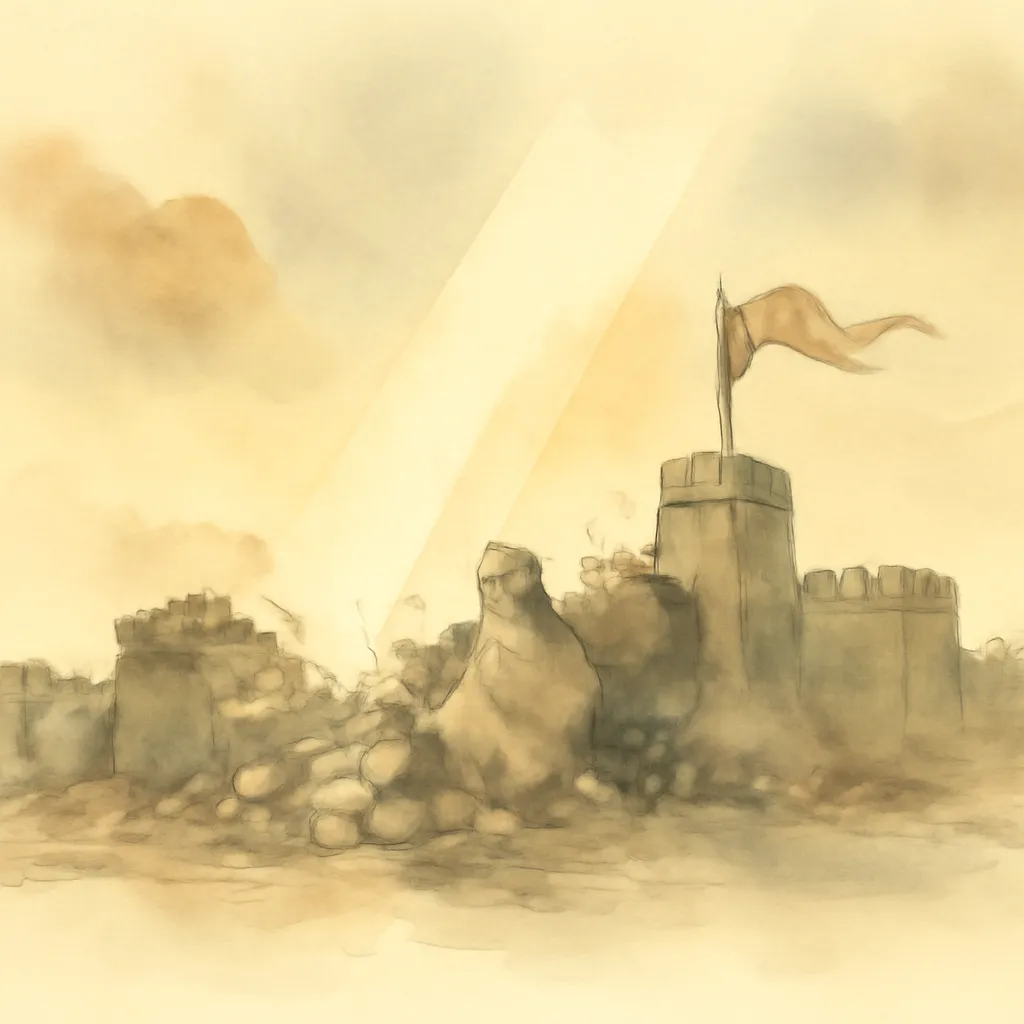
Josephus recounts the conquest of Canaan under Joshua's leadership, portraying it as a fulfillment of God's promises to Abraham. The Israelites face numerous challenges, including fortified cities and powerful adversaries, yet their faith and unity enable them to overcome these obstacles. The fall of Jericho, with the walls collapsing after the Israelites encircle it, exemplifies the miraculous support God provides to those who trust in Him. Josephus details how the land is divided among the tribes, emphasizing the importance of a shared identity and collective responsibility in maintaining their covenant with God. This period represents not only military conquest but also the establishment of a community rooted in faith, law, and divine purpose.
6.The Rise and Fall of Monarchs: David and Solomon
The narratives surrounding King David and his son Solomon are rich with themes of leadership, faith, and human frailty. Josephus highlights David's ascent from shepherd to king, emphasizing his reliance on God and his deep sense of justice. Through his military successes and personal failures, including his sin with Bathsheba, David embodies the complexities of leadership and the need for divine guidance. Solomon's reign is marked by wisdom and prosperity, as he builds the First Temple in Jerusalem, a central place of worship for the Israelites. Josephus notes that this Temple symbolizes the presence of God among His people and the importance of worship in their national identity. However, Solomon's later years, marked by idolatry and moral decline, foreshadow the eventual division of the kingdom, illustrating the fragile nature of human power and the consequences of turning away from God.
7.The Prophets: Voices of Warning and Hope
Josephus emphasizes the role of the prophets as intermediaries between God and the people, delivering messages of warning, repentance, and hope. Figures like Isaiah and Jeremiah emerge as crucial voices during times of moral and political crisis, calling the Israelites to return to faithfulness. Their prophecies often foretell judgment but also offer glimpses of restoration and redemption. Josephus portrays the prophetic messages as deeply connected to the historical context, urging the people to remain steadfast in their covenant with God. The prophets remind the Jewish people of their identity and mission, serving as a moral compass during turbulent times. This theme underscores the idea that divine communication continues throughout history, guiding and shaping the destiny of the nation.
8.The Babylonian Exile: A Period of Reflection and Resilience
The Babylonian exile represents a significant turning point in Jewish history, as recounted by Josephus. The destruction of the First Temple and the forced displacement of the Jewish people lead to profound questions about identity, faith, and the nature of God. Josephus captures the despair and longing for Jerusalem felt by the exiles, as well as the resilience they exhibit in maintaining their traditions and beliefs. This period fosters a deeper understanding of their covenant with God, as they reflect on their past mistakes and seek to restore their relationship with Him. The writings of this era, including the development of the Hebrew Bible, become central to Jewish identity and faith. Josephus highlights how this time of suffering ultimately leads to a renewed commitment to their beliefs and the hope for eventual return and restoration.
9.The Return to Jerusalem: Rebuilding and Renewal
Josephus narrates the return of the Jewish people to Jerusalem after the Babylonian exile, emphasizing the significance of rebuilding the Temple and restoring their religious practices. Under leaders like Ezra and Nehemiah, the community comes together to renew their covenant with God and reestablish their identity as a people set apart. Josephus highlights the challenges they face, including opposition from surrounding nations and internal divisions, yet their determination to restore their homeland prevails. The rebuilding of the Temple symbolizes not only a physical restoration but also a spiritual revival, as the Jewish people recommit to their faith and traditions. This narrative illustrates the power of community, faith, and perseverance in overcoming adversity and reclaiming their identity.
10.The Legacy of Jewish History: Lessons for Future Generations
Throughout 'Antiquities of the Jews,' Josephus presents a narrative that is not just a historical account but a reflection on the moral and ethical lessons derived from the Jewish experience. He emphasizes the importance of faith, community, and adherence to divine commandments as central to Jewish identity. The stories of triumph and tragedy serve as reminders of the complexities of human nature and the enduring relationship between God and His people. Josephus invites readers to consider the implications of these narratives for their own lives and societies, encouraging reflection on the values of justice, mercy, and faithfulness. The legacy of Jewish history, as presented by Josephus, is one of resilience, hope, and a profound commitment to understanding and living out the principles of their faith.