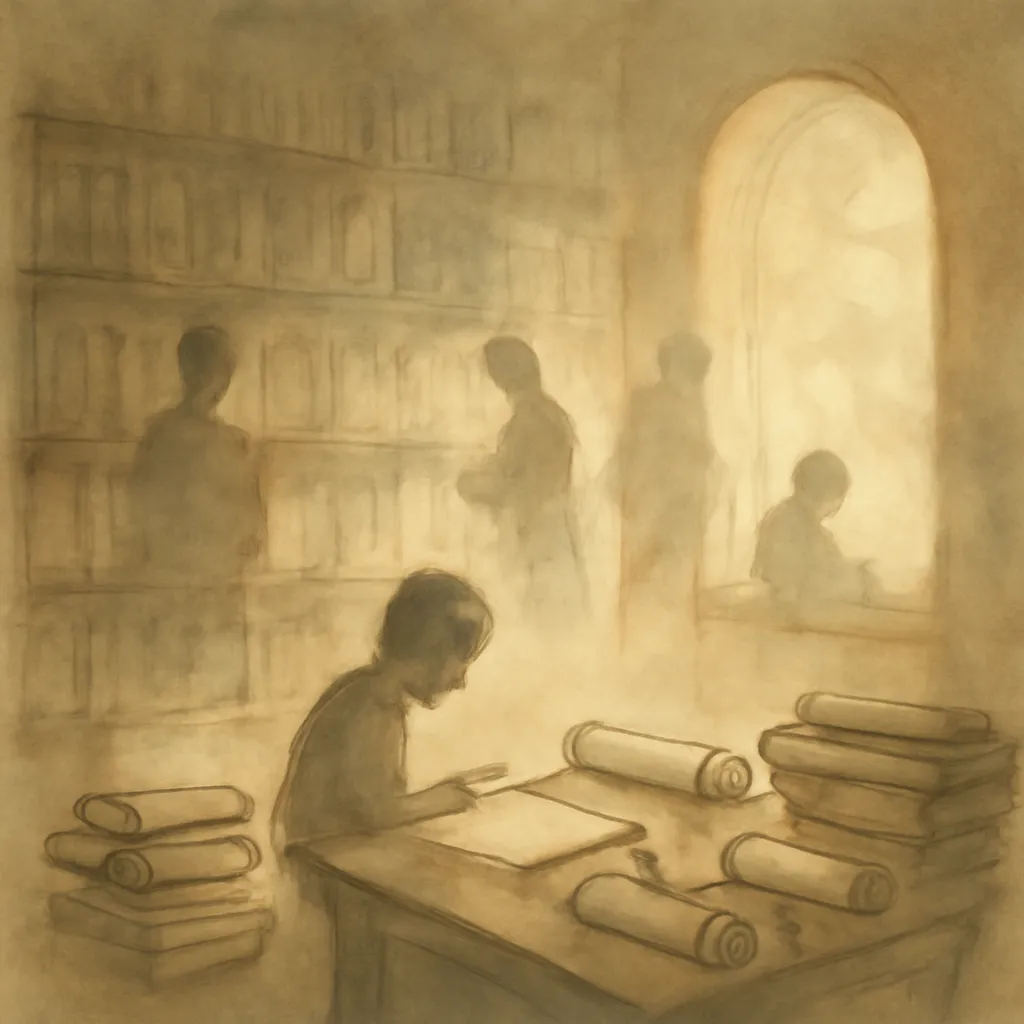
1.The Timeless Nature of Oral Tradition
The stories found in The Arabian Nights are deeply rooted in the oral storytelling traditions that have existed for millennia. These tales were not originally intended for children; rather, they were crafted for adults, reflecting the complex social and moral landscapes of their time. The oral nature of these stories means they have been passed down through generations, evolving with each retelling while retaining core themes and characters. This fluidity allows the tales to resonate across cultures and eras, making them universally relatable. For instance, the themes of love, betrayal, adventure, and justice recur throughout the stories, demonstrating the shared human experience that transcends geographical and temporal boundaries.
2.Scheherazade: The Power of Storytelling
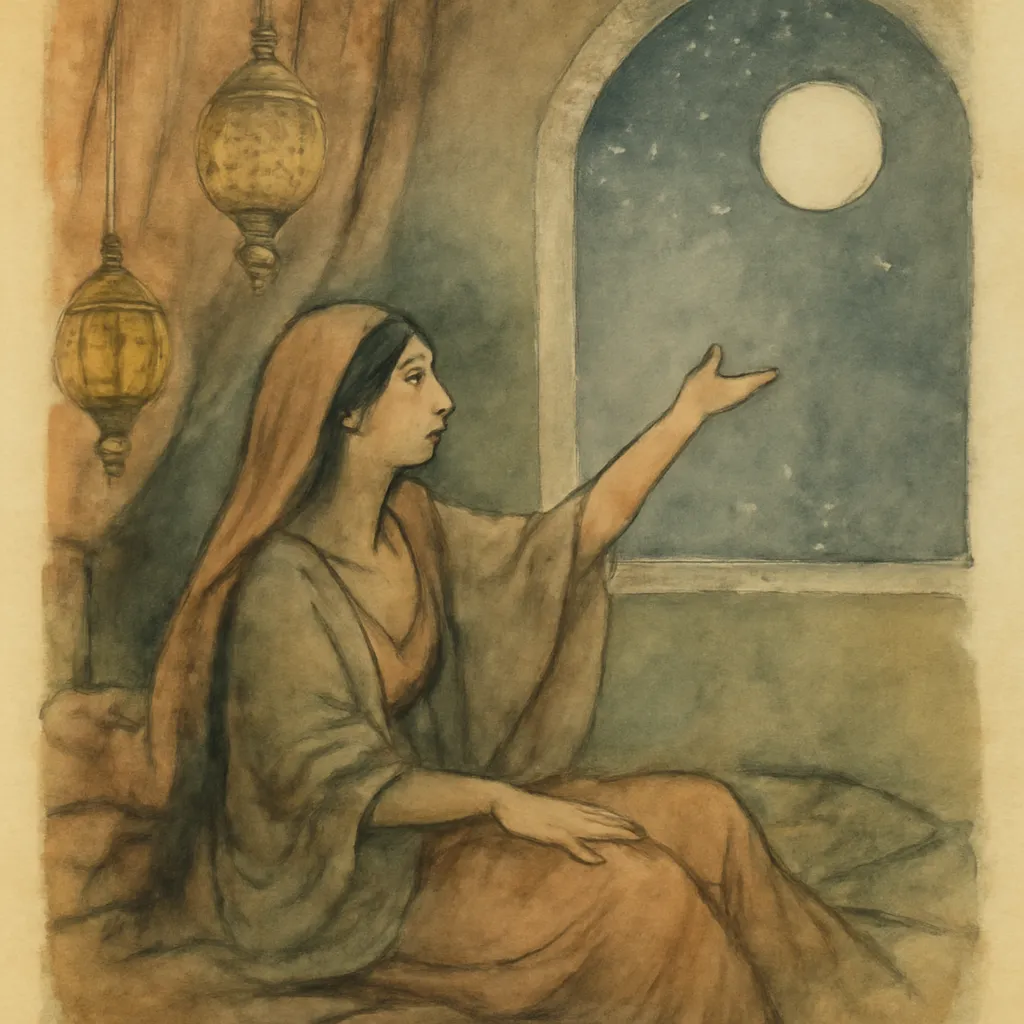
At the heart of The Arabian Nights is Scheherazade, a figure whose cleverness and storytelling prowess save her life and those of countless other women. Facing execution at the hands of King Shahryar, who has vowed to marry a new woman every day and execute her the next morning, Scheherazade devises a plan to tell captivating stories each night, leaving the king in suspense. This strategy not only delays her fate but also transforms the king’s heart over time. Scheherazade’s character embodies the power of storytelling as a tool for survival, persuasion, and social change. Her narratives are rich with moral lessons and complex characters, revealing how stories can shape perspectives and foster empathy, ultimately altering the course of one's destiny.
3.The Role of Fate and Destiny
Fate plays a crucial role in many tales within The Arabian Nights, often dictating the characters' journeys and outcomes. For example, in the story of Aladdin, his rise from humble beginnings to wealth and power is orchestrated by fate through the intervention of a magical genie. This notion of destiny suggests that while individuals may strive for control over their lives, external forces often shape their paths. The interplay of fate and free will raises philosophical questions about human agency, illustrating that while characters may make choices, the consequences are frequently influenced by larger cosmic forces. This theme invites readers to reflect on their own lives, pondering the balance between destiny and personal choice.
4.Moral Lessons Embedded in Adventure
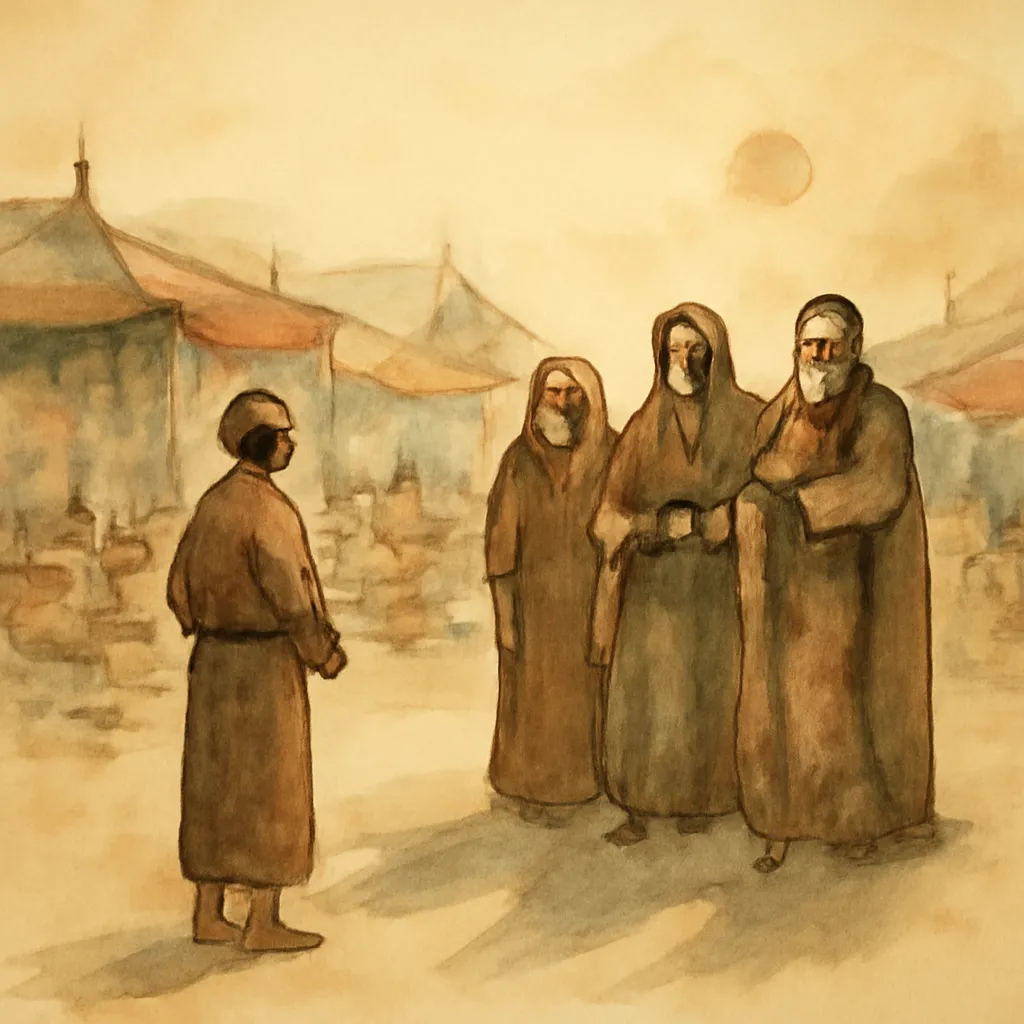
Each story in The Arabian Nights is imbued with moral lessons that often emerge through the characters' experiences. For instance, the tale of the merchant and the three old men highlights themes of justice, mercy, and the consequences of one’s actions. The merchant faces the wrath of a powerful genie after an unintentional offense, prompting a series of stories from the old men that ultimately save him. This narrative structure reinforces the idea that wisdom and compassion can arise from shared experiences and storytelling. Readers are encouraged to consider the implications of their actions and the importance of moral integrity, making these tales not just entertaining but also instructive.
5.The Symbolism of Magic and the Supernatural
Magic and supernatural elements are prevalent throughout The Arabian Nights, serving as symbols of both wonder and danger. Characters often encounter magical beings, such as genies and enchanted creatures, which can either assist or hinder their quests. For example, the fisherman’s encounter with the genie in a bottle illustrates the unpredictable nature of magic; while it can grant wishes, it can also unleash chaos if not handled wisely. This duality of magic reflects the complexities of human desires and the potential consequences of ambition. The supernatural serves as a vehicle for exploring deeper truths about human nature, power dynamics, and the consequences of greed and envy.
6.Exploration of Gender Roles and Power Dynamics
The Arabian Nights provides a lens through which to examine gender roles and power dynamics in historical contexts. Scheherazade stands out as a strong female figure who uses her intellect and creativity to navigate a patriarchal society. Conversely, many other female characters in the tales are depicted as victims of circumstance, often subjected to the whims of male authority. The tension between female agency and male dominance is palpable, prompting discussions about the evolution of gender roles over time. These stories reveal the struggles women faced and highlight their resilience, offering a nuanced perspective on the social structures of the time.
7.The Importance of Hospitality and Generosity
Hospitality and generosity are recurring themes in The Arabian Nights, often depicted as virtues that lead to favorable outcomes. Characters who demonstrate kindness and hospitality, such as the characters in the tale of the fisherman and the genie, often find themselves rewarded for their generosity. This reflects cultural values emphasizing the importance of treating guests with respect and kindness, a principle that is deeply ingrained in many Middle Eastern societies. The stories illustrate how acts of generosity create bonds between characters and lead to unexpected alliances, underscoring the idea that compassion can yield positive results.
8.The Intricacies of Deception and Trickery
Deception and trickery are prevalent motifs throughout The Arabian Nights, often used by characters to navigate challenging situations. Stories frequently feature clever protagonists who outwit their adversaries through cunning and intelligence. For example, in the tale of the Greek king and the physician Douban, the physician employs his wits to save himself from execution. This theme highlights the value of intelligence and resourcefulness in overcoming obstacles. However, the tales also caution against deceit, as characters who engage in trickery for selfish reasons often face dire consequences. This duality invites readers to consider the ethical implications of deception in their own lives.
9.The Interconnectedness of Stories
The structure of The Arabian Nights is notable for its interconnected narratives, where stories often lead into one another, creating a rich tapestry of tales. This narrative style reflects the oral tradition of storytelling, where tales were woven together to enhance engagement and entertainment. For instance, Scheherazade’s stories often include references to previous tales, creating a sense of continuity and depth. This interconnectedness draws readers into a larger narrative landscape, illustrating how individual stories contribute to a collective understanding of human experience. It emphasizes the idea that every story has a place within the broader context of life, making them all the more meaningful.
10.Legacy and Cultural Significance
The Arabian Nights has left an indelible mark on literature and culture, influencing countless works across the globe. Its stories have inspired adaptations in various forms, from literature to film, and continue to captivate audiences today. The tales serve as a bridge connecting diverse cultures, showcasing the shared human experiences that resonate across boundaries. Furthermore, the themes of adventure, morality, and the supernatural remain relevant, reflecting ongoing societal concerns. The legacy of The Arabian Nights underscores the enduring power of storytelling and its ability to unite people through shared narratives, ensuring that these tales remain a vital part of cultural heritage.