1.The Enigma of Phileas Fogg
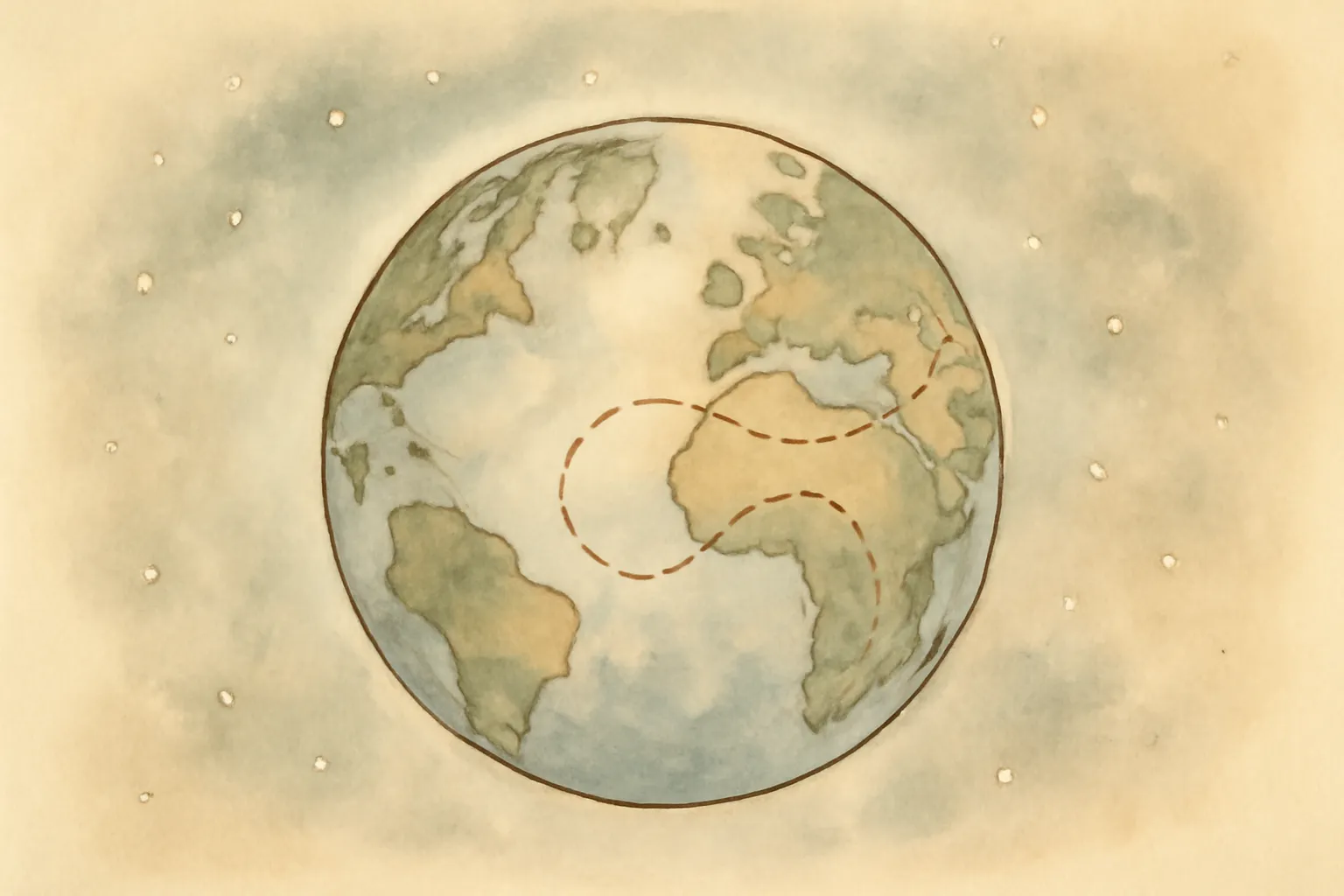
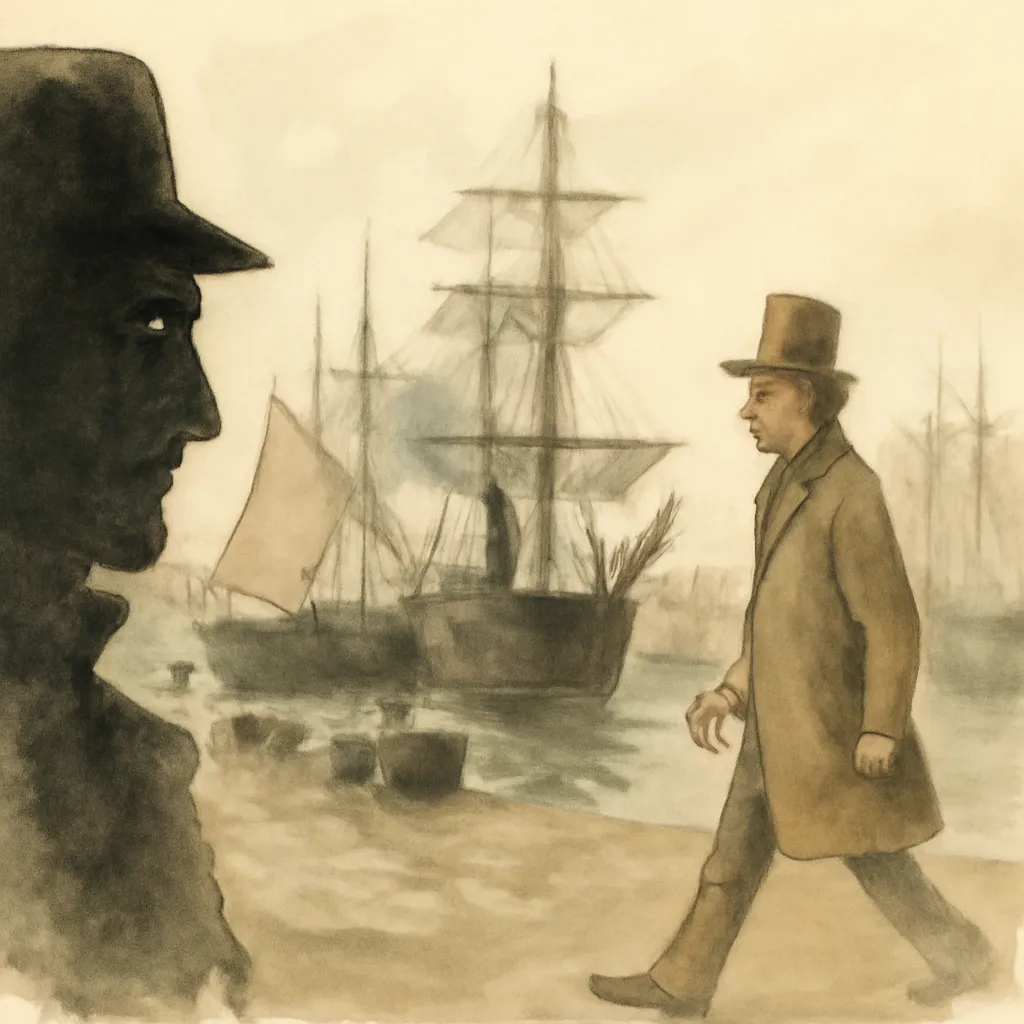
Phileas Fogg is introduced as a man of mystery and precision, living a life governed by routine. His character is defined by his unyielding adherence to time and order, which makes him both admirable and perplexing. Fogg is wealthy but enigmatic, with no clear source of his fortune, and he shuns social interactions, preferring the company of his watch and the clock of the Reform Club. This adherence to exactitude is a central theme in the novel, as it sets the stage for his ambitious wager that he can complete a journey around the world in eighty days. The stark contrast between Fogg's meticulous nature and the unpredictability of travel creates a compelling tension throughout the narrative.
2.The Catalyst: A Bold Bet
The catalyst for Fogg's journey is a seemingly absurd wager made with his fellow Reform Club members, who doubt the feasibility of his plan. This bet is not just a challenge; it symbolizes the spirit of adventure and the human desire to push boundaries. The amount wagered—twenty thousand pounds—adds stakes to the journey, making it a matter of both honor and financial risk. Fogg’s confidence in his ability to complete the journey reflects his character's depth, as he is willing to gamble not just his money but also his reputation. This boldness sets into motion a series of events that will lead him through various cultures and experiences that challenge his worldview and test his resilience.
3.Passepartout: The Loyal Companion
Passepartout, Fogg's servant, brings a contrasting energy to the story with his spirited personality and Parisian charm. Initially seen as a mere assistant, Passepartout evolves into a key character who embodies the themes of loyalty and adventure. His astonishment at Fogg's audacious plan reveals the initial skepticism that many feel towards the journey. As the story progresses, Passepartout's character develops, showcasing his adaptability and resourcefulness. He becomes not just a follower but an integral part of Fogg's success, often navigating the cultural landscapes they encounter with a mix of humor and ingenuity. His relationship with Fogg highlights the dynamic between master and servant, showcasing how mutual respect and camaraderie can transcend social hierarchies.
4.The Journey Begins: Crossing Borders
Fogg's journey commences with a train ride to Dover, marking the beginning of a series of rapid transitions between countries. Each leg of the journey introduces new challenges, from navigating train schedules to securing passage on ships. The travel methods, including steamships and railroads, reflect the technological advancements of the time and the shrinking world that Verne envisions. As Fogg and Passepartout traverse through England, France, and beyond, they encounter a variety of cultures that enrich the narrative. These early stages of travel set the tone for the adventures to come, emphasizing the importance of time management and the unpredictability of travel in the 19th century.
5.Cultural Encounters and Challenges
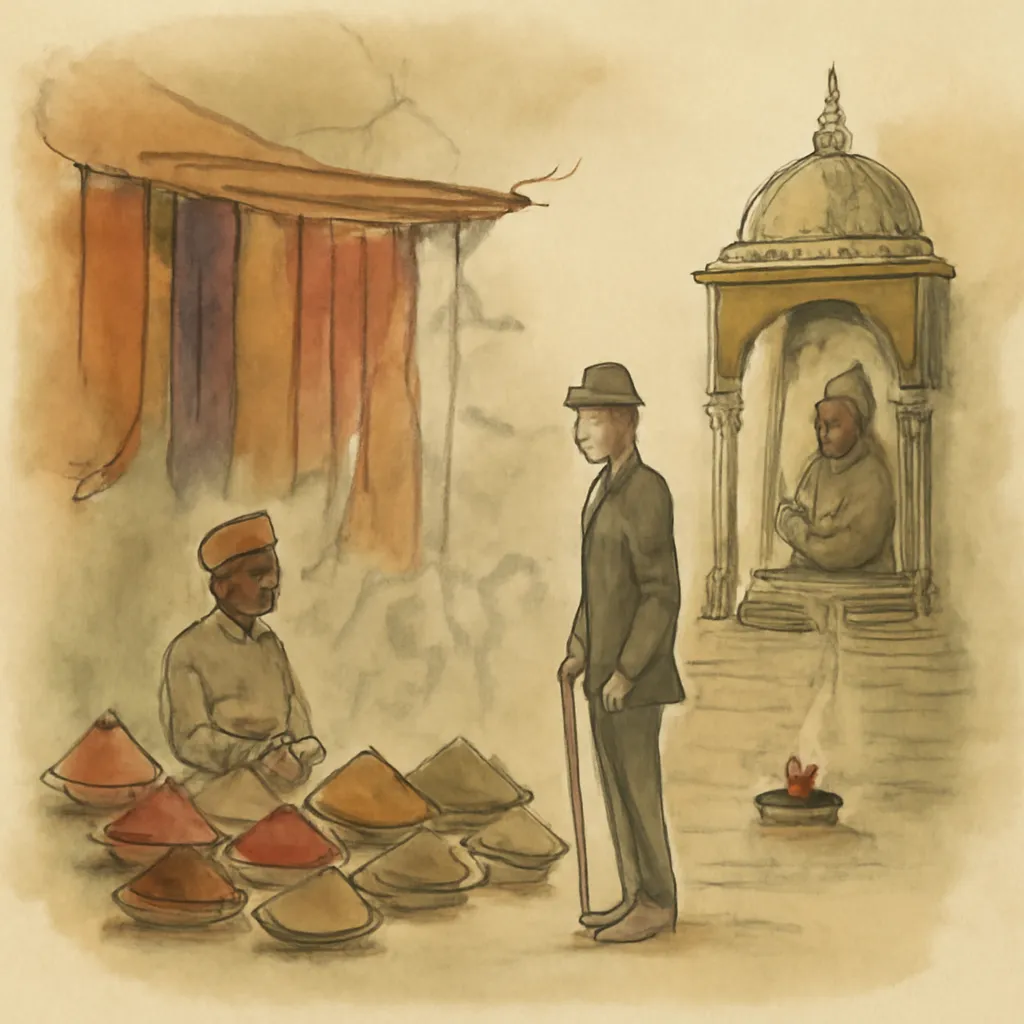
As Fogg travels through diverse regions, he encounters various cultures and their unique challenges. In India, for instance, Fogg’s journey is interrupted by the cultural practices surrounding the rajah, leading to a daring rescue of Aouda, a young woman destined for a sacrificial fate. This incident not only highlights the clash between Western and Eastern values but also showcases Fogg's capacity for compassion and bravery. These cultural encounters are pivotal in shaping Fogg's character, as he learns to navigate not just physical landscapes but also the moral complexities of human life. The challenges he faces force him to adapt, showcasing the essence of adventure as more than just a physical journey.
6.The Role of Time: A Double-Edged Sword
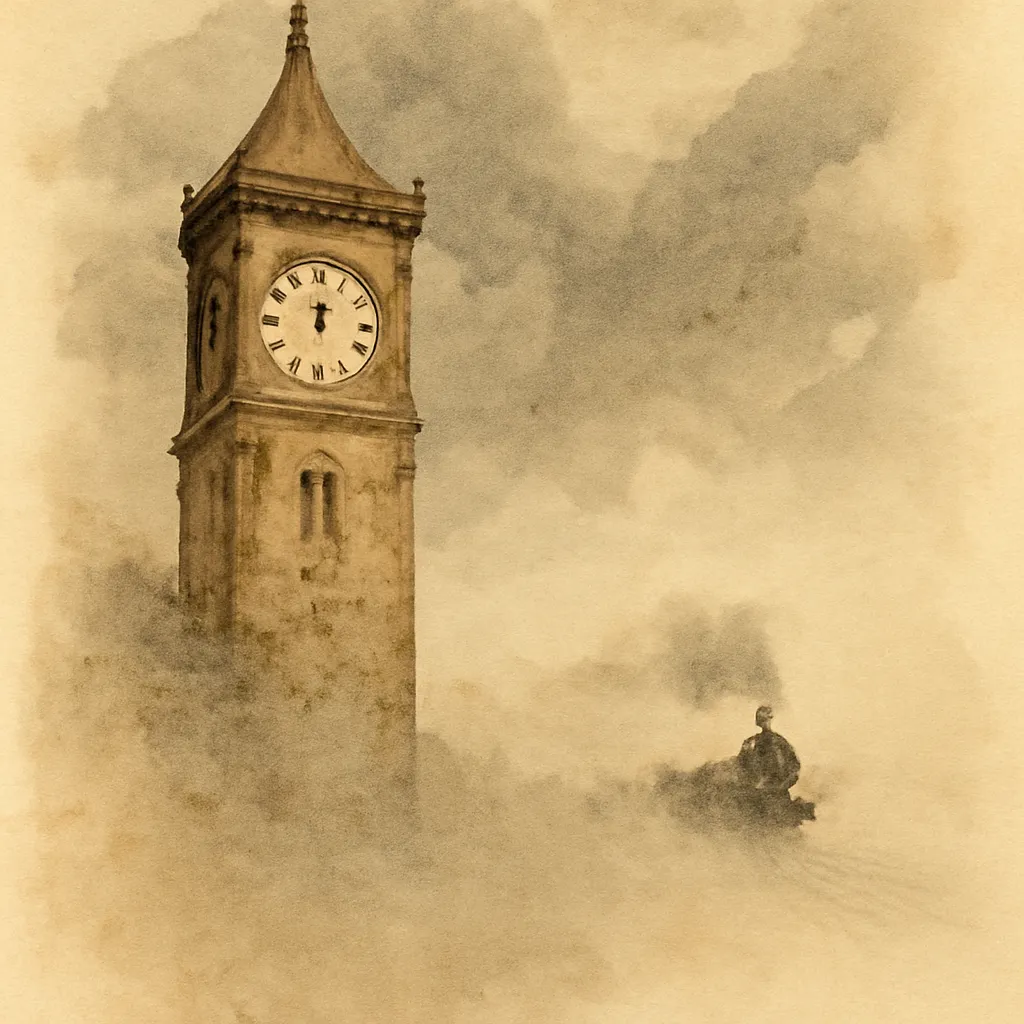
Time is a central theme in Verne's narrative, symbolizing both a constraint and a motivator. Fogg's obsession with punctuality drives him to meticulously plan each phase of his journey, yet time also becomes a source of tension as unforeseen events threaten to derail his plans. The ticking clock serves as a constant reminder of his wager and the consequences of failure. As the journey progresses, Fogg learns that time is not merely a tool for measurement but a complex entity that can be manipulated through determination and quick thinking. This exploration of time reflects broader philosophical questions about its nature and our relationship with it, making readers ponder the value of every moment.
7.Aouda: The Unexpected Ally
Aouda's introduction into the narrative as a damsel in distress adds a layer of complexity to the story. Her character transforms from a passive victim to an active participant in Fogg's journey, showcasing her resilience and strength. Aouda's backstory, marked by her escape from an oppressive marriage, aligns with Fogg's own quest for freedom and adventure. As she becomes more involved in the journey, her relationship with Fogg evolves, offering insights into themes of love and companionship. This unexpected alliance not only enriches the narrative but also humanizes Fogg, revealing the emotions he often keeps at bay. Their bond exemplifies how unexpected connections can arise in the most adventurous circumstances, adding depth to the adventure.
8.Conflict and Resolution: The Chase
The introduction of Detective Fix adds an element of suspense and conflict to the narrative. Fix's relentless pursuit of Fogg, believing him to be a bank robber, creates a dual narrative of adventure and intrigue. This chase serves as a counterpoint to Fogg's journey, highlighting themes of justice and morality. As Fogg navigates the globe, he must also contend with the threat of arrest, which adds tension and urgency to his quest. The interplay between Fogg's calculated plans and Fix's determined pursuit creates a captivating dynamic that keeps readers engaged. Ultimately, the resolution of this conflict underscores the themes of honor and integrity, as Fogg's true character is revealed amidst the chaos.
9.The Power of Perseverance
Fogg's journey is a testament to the power of perseverance in the face of adversity. Each challenge faced—from missed connections to cultural misunderstandings—tests his resolve and determination. Verne illustrates that true adventure is not merely about the destination but the journey itself, filled with obstacles that require ingenuity and tenacity. Fogg's unwavering commitment to completing his journey, despite the odds, serves as an inspiring reminder of the human spirit's capacity to overcome challenges. This theme resonates deeply with readers, encouraging them to embrace their own journeys with courage and determination, regardless of the obstacles they may face.
10.The Conclusion: A Race Against Fate
As Fogg's journey nears its conclusion, the stakes rise dramatically, culminating in a race against time to return to London. The narrative builds to a climax as Fogg faces the possibility of losing the wager, which symbolizes more than just money; it represents his honor and the realization of his aspirations. The final moments of the journey are filled with tension, as Fogg and his companions race against the clock, illustrating the theme of time's relentless march. The resolution brings a twist that highlights the unpredictability of life and the importance of seizing opportunities. Verne’s story concludes not just with a victory but with a deeper understanding of the complexities of time, culture, and the human experience.