1.The Sublime Beauty of the Cosmos
Flammarion opens with a poetic reflection on the sheer beauty of the night sky, where the sun dips below the horizon, leaving a canvas of stars. He invites readers to marvel at the cosmic spectacle, emphasizing that the contemplation of the heavens provides a sense of elevation and inspiration. The stars, he argues, are not just distant suns but also symbols of the infinite mysteries of existence. This initial chapter sets the tone for the book, encouraging readers to look up and appreciate the celestial wonders that have fascinated humanity for millennia. The magic of the night sky, with its myriad of twinkling stars, evokes feelings of wonder and curiosity, prompting us to ponder our place in the universe.
2.Understanding Constellations
In his exploration of constellations, Flammarion introduces the concept of 'uranography,' the geography of the heavens. He likens the stars to a vast map, where each constellation serves as a landmark guiding our journey through the night sky. By recognizing patterns and shapes, amateurs can navigate the celestial sphere with ease. Flammarion highlights the importance of familiarizing oneself with prominent stars and constellations, as this knowledge transforms the experience of stargazing. He describes how ancient civilizations used these celestial markers for navigation and storytelling, illustrating the profound connection between humanity and the cosmos. With this understanding, readers can engage more deeply with the night sky, transforming their observations into a meaningful exploration of history and mythology.
3.The Nature of Stars
Flammarion delves into the fascinating world of stars, explaining their classification based on apparent brightness, known as 'magnitude.' He clarifies that this system does not necessarily correlate with a star's size but rather its luminosity as perceived from Earth. The brightest stars, categorized as first magnitude, serve as beacons in the night sky, guiding amateur astronomers in their observations. Flammarion provides a list of these stars, such as Sirius and Vega, detailing their unique characteristics and significance. This classification system is crucial for understanding the vastness of the universe and the diversity of celestial bodies. By learning to identify these stars, readers can enhance their stargazing experience, fostering a deeper connection to the cosmos.
4.Our Sun: The Heart of the Solar System
The sun, as Flammarion emphasizes, is not merely a source of light but the pulsating heart of our solar system. He describes its immense power and the vital role it plays in sustaining life on Earth. The sun's rays travel vast distances, illuminating the planets that orbit it. Flammarion encourages readers to contemplate the sun's significance in our daily lives, urging them to appreciate the beauty found in its rising and setting. He reflects on the modern world's tendency to overlook these natural wonders in the rush of daily life, suggesting that taking a moment to appreciate the sun can lead to profound insights about existence. This chapter serves as a reminder of the intimate relationship between humanity and the celestial bodies that govern our lives.
5.Exploring the Planets
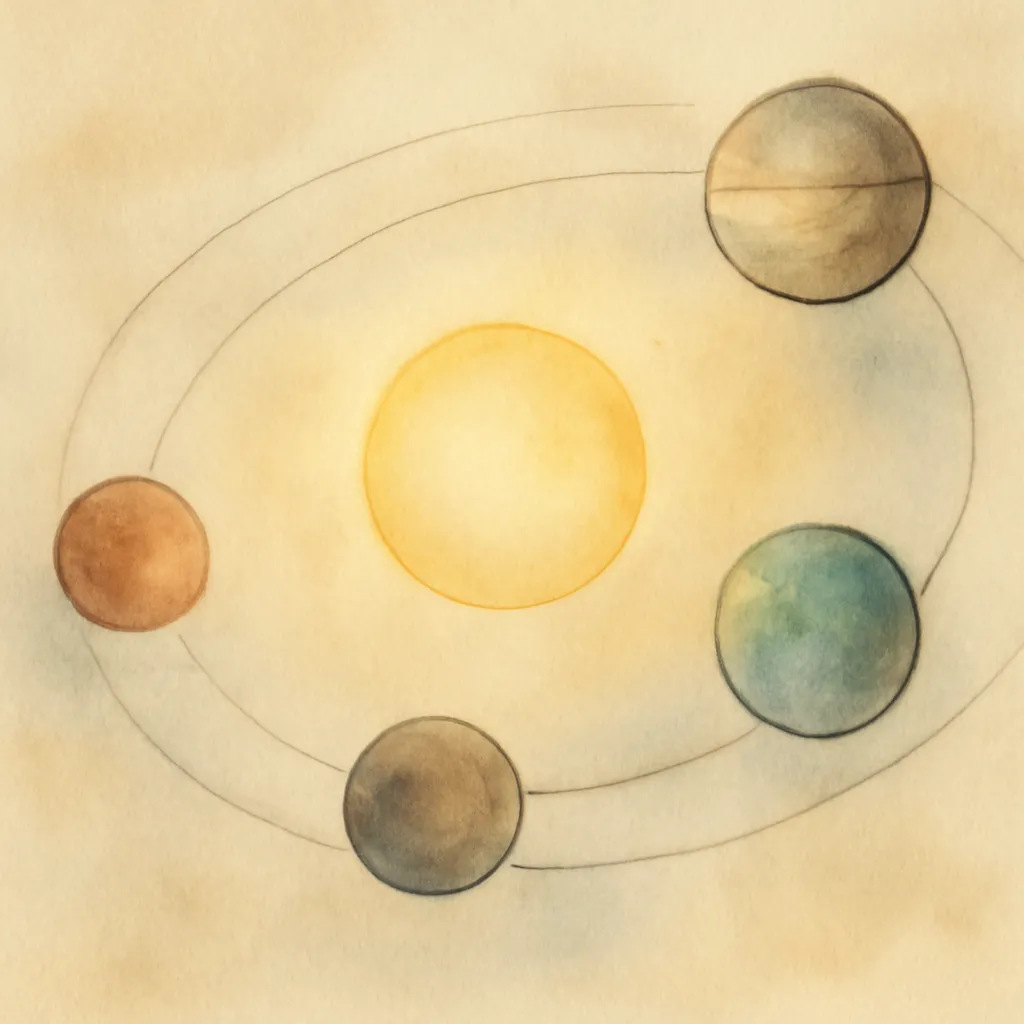
Flammarion takes readers on a journey through the solar system, introducing the planets that orbit our sun. He discusses the four inner planets: Mercury, Venus, Earth, and Mars, detailing their unique characteristics and distances from the sun. Each planet offers its own allure, from Mercury's fleeting appearances to Venus's bright glow. Flammarion describes how these planets, despite their differences, are bound by gravitational forces, creating a dynamic relationship within the solar system. He highlights the importance of understanding these celestial bodies, as they provide context for our own planet's existence. By examining the planets, readers gain insight into the complexities of our solar system and the forces that shape it.
6.The Giants of the Solar System
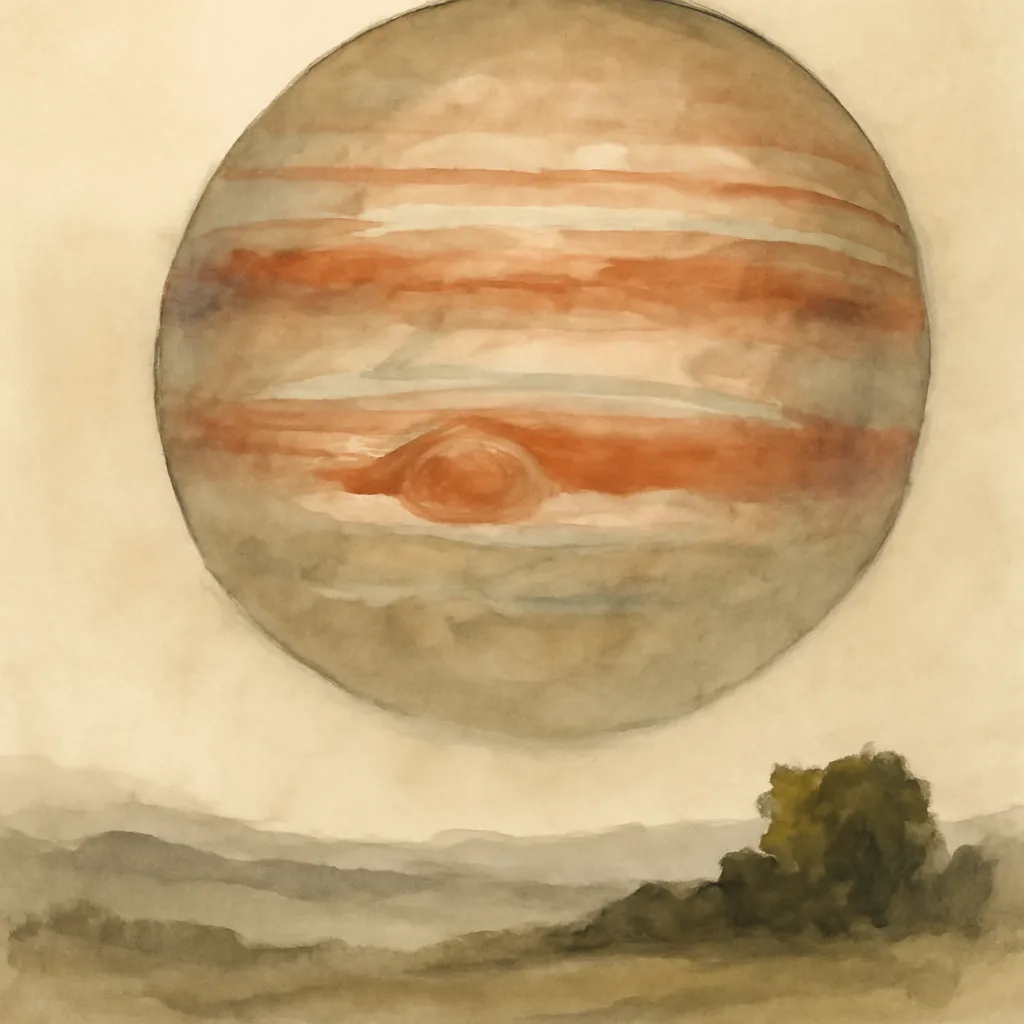
As the exploration continues, Flammarion introduces the outer planets: Jupiter, Saturn, Uranus, and Neptune. These gas giants captivate the imagination with their immense size and unique features. Jupiter, the largest, boasts a powerful magnetic field and a multitude of moons, while Saturn enchants with its stunning rings. Flammarion's vivid descriptions invite readers to visualize these distant worlds and consider their significance in the broader context of the universe. He emphasizes the ongoing exploration of these planets through telescopes and space missions, highlighting humanity's quest for knowledge. This chapter serves as a testament to the wonders of the solar system, inspiring readers to engage with the mysteries of these colossal gas giants.
7.The Enigmatic Comets
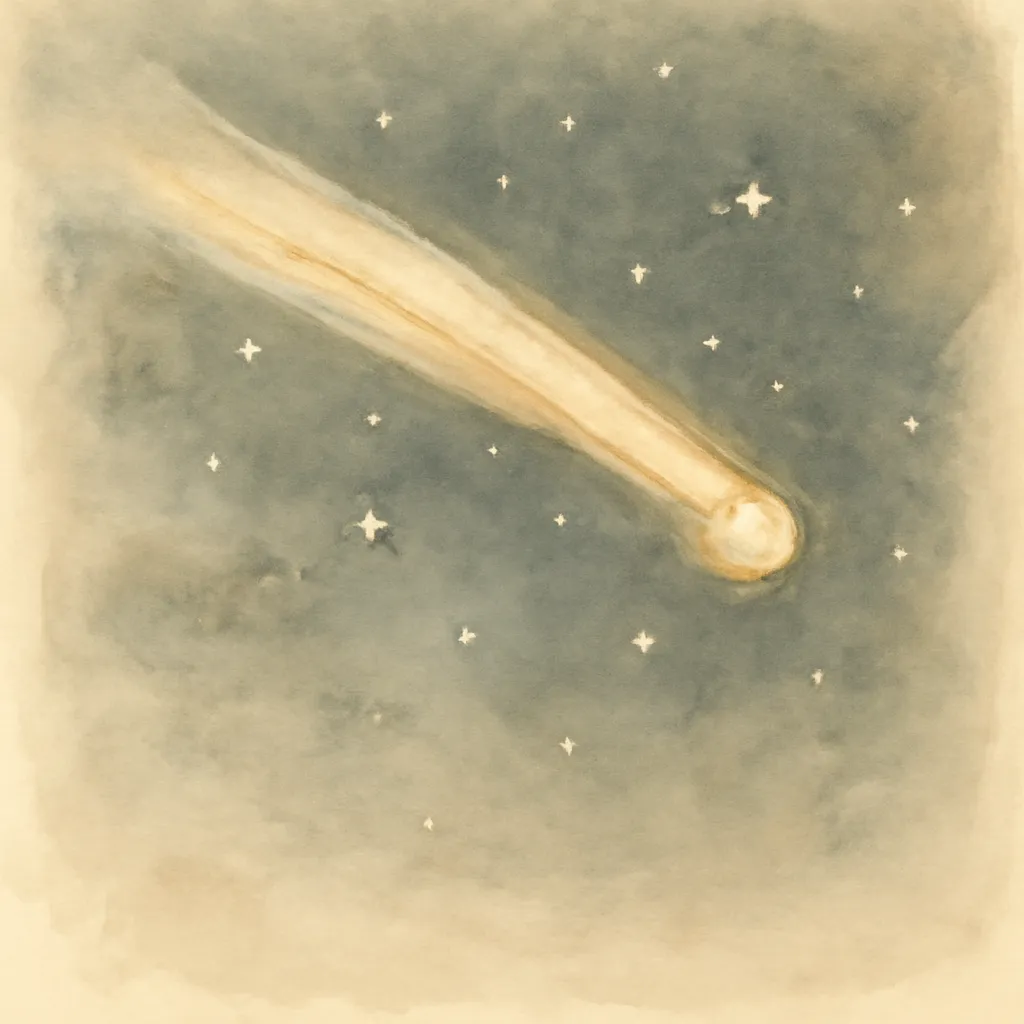
Flammarion introduces comets as the wandering stars of the cosmos, often seen as harbingers of change and mystery. He describes their stunning appearances and the excitement they generate among astronomers and the public alike. Comets, with their bright tails and unpredictable orbits, are a reminder of the dynamic nature of the universe. Flammarion reflects on humanity's historical fears and superstitions surrounding comets, illustrating how perceptions have evolved with scientific understanding. He emphasizes the importance of studying these celestial visitors, as they can provide valuable insights into the origins of our solar system. This exploration of comets highlights the interplay between science and mythology, encouraging readers to appreciate the beauty and unpredictability of the cosmos.
8.The Earth: Our Home in the Cosmos
Flammarion brings the focus back to Earth, describing it as a unique oasis in the vastness of space. He explores the planet's dynamic nature, its rotation, and its orbit around the sun. The Earth is portrayed not merely as a physical entity but as a cradle of life, filled with diverse ecosystems and intricate relationships. Flammarion urges readers to recognize their connection to the planet, emphasizing the importance of environmental stewardship. He reflects on the beauty of Earth's landscapes and the myriad forms of life that inhabit it, inspiring a sense of wonder and responsibility. This chapter serves as a poignant reminder of our place in the universe and the need to cherish and protect our home.
9.The Moon: A Celestial Companion
The moon, as Flammarion describes, has been a source of fascination for humanity throughout history. He explores its phases and the impact it has on our lives, from the tides to cultural traditions. The moon's gentle glow contrasts with the brilliance of the stars, casting a serene light that captivates observers. Flammarion reflects on the moon's role as both a scientific subject and a symbol of mystery and romance. He emphasizes the importance of lunar observation, encouraging readers to connect with this celestial companion. By appreciating the moon's beauty and significance, readers can enrich their understanding of the cosmos and their place within it.
10.Eclipses: A Dance of Celestial Bodies
Flammarion presents eclipses as one of the most spectacular celestial events, captivating the imagination of those fortunate enough to witness them. He describes the awe-inspiring experience of a solar eclipse, where the moon obscures the sun, plunging the world into darkness. The dramatic shift in light and atmosphere evokes a sense of wonder and reverence for the cosmos. Flammarion highlights the historical significance of eclipses, often seen as omens or divine messages in ancient cultures. This chapter encourages readers to seek out opportunities to observe eclipses, emphasizing their beauty and the scientific phenomena behind them. By understanding eclipses, readers can deepen their appreciation for the intricate dance of celestial bodies and the universe's grandeur.
11.The Methods of Astronomy
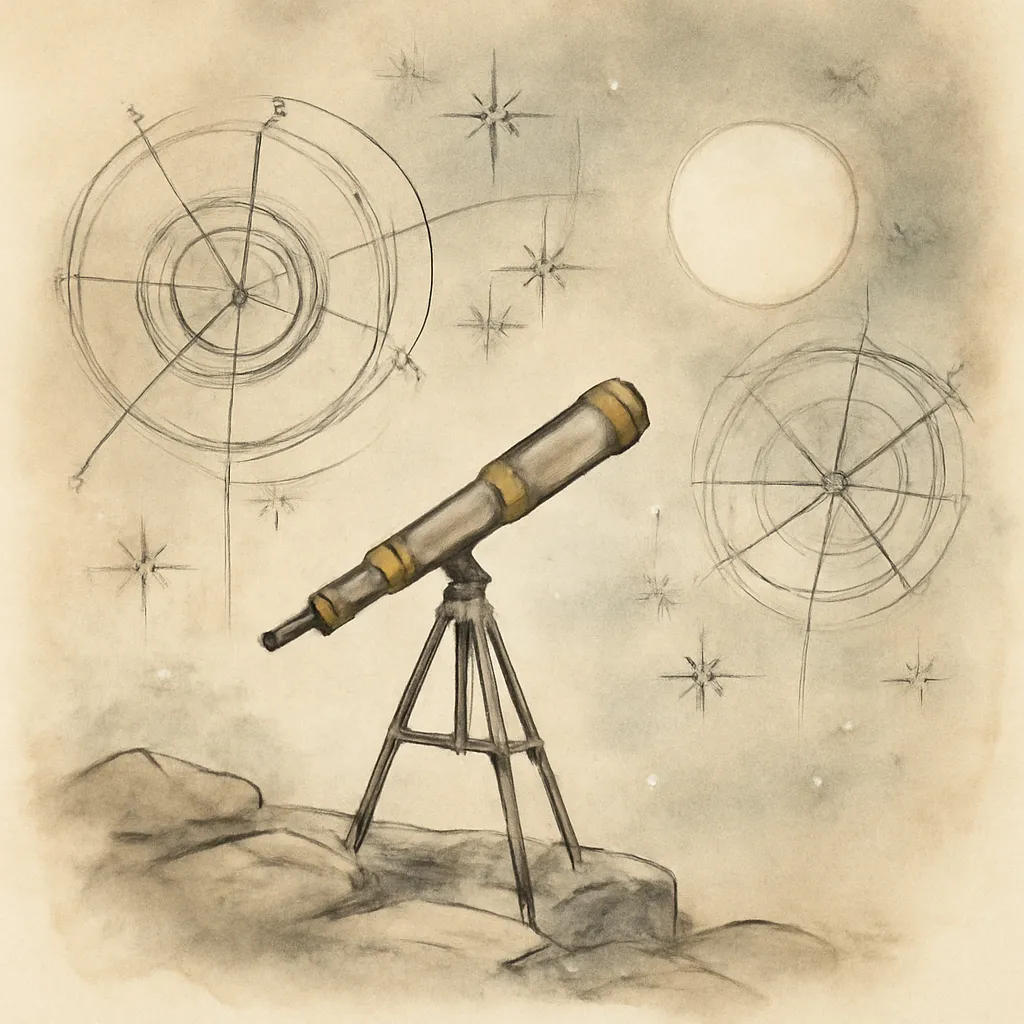
Flammarion discusses the methods employed by astronomers to measure celestial distances and understand the cosmos. He introduces the concept of triangulation, a technique used to determine the distance of stars and planets. This mathematical approach allows astronomers to make precise calculations, transforming the seemingly infinite distances of space into manageable figures. Flammarion emphasizes the importance of these methods in expanding our knowledge of the universe, enabling us to grasp the scale and complexity of celestial phenomena. By demystifying the techniques of astronomy, he empowers readers to engage with scientific inquiry and appreciate the efforts of those who seek to unlock the secrets of the cosmos.