1.The Reluctant Soldier's Perspective
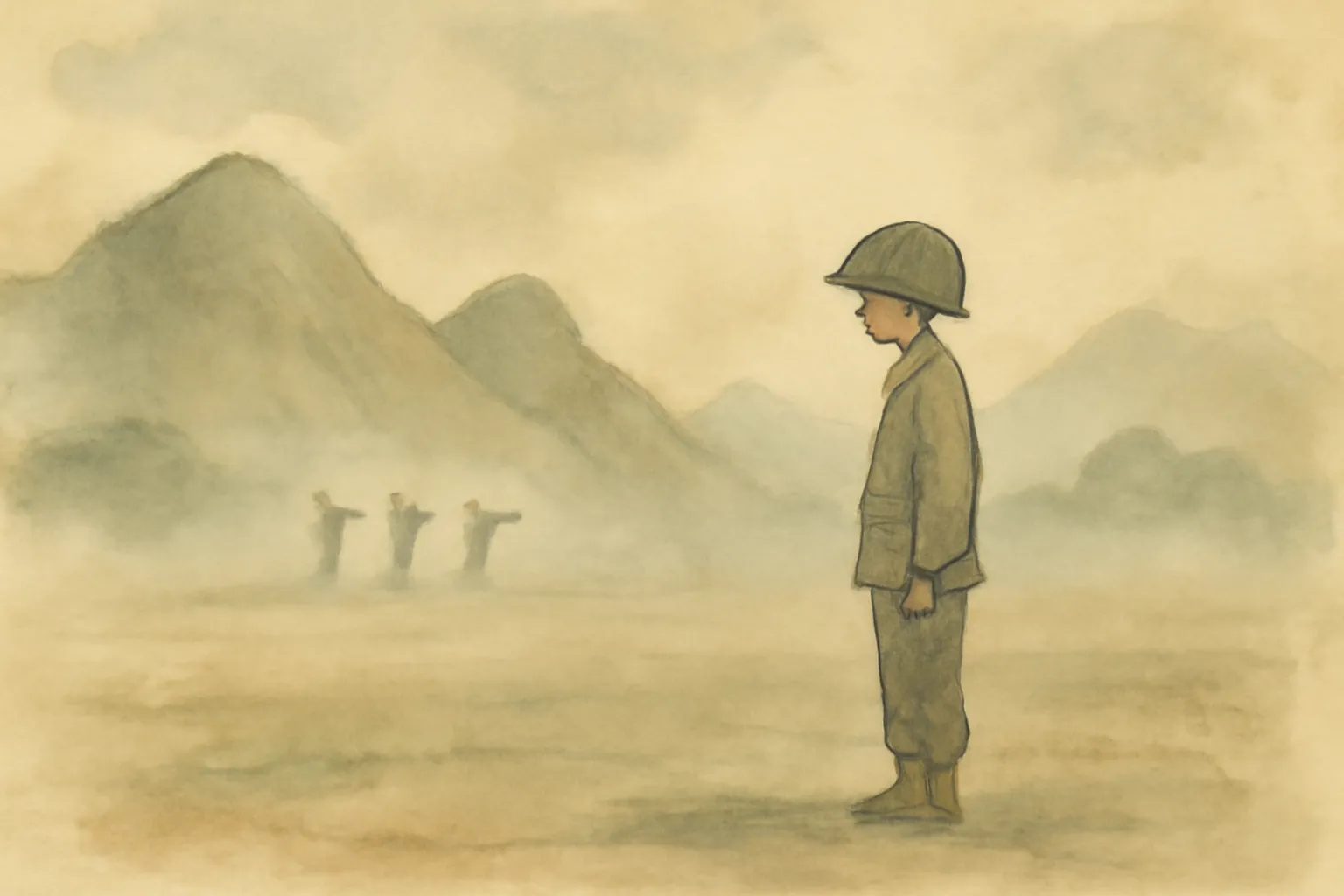
Richard Godwin, the protagonist, epitomizes the average citizen thrust into military life. His initial reluctance to embrace the militaristic culture is palpable, reflecting a broader societal ambivalence towards war. Godwin's discomfort in his ill-fitting uniform symbolizes the internal conflict many faced during this period. As he navigates the streets en route to the training camp, feelings of embarrassment and self-consciousness overwhelm him. He perceives the curious stares of passersby as a judgment of his character and intentions. This personal struggle sets the tone for the narrative, inviting readers to empathize with his journey from civilian to soldier. Through Godwin’s eyes, the story reveals the complexities of individual identity when confronted with the national call to arms, prompting questions about personal agency and societal expectations.
2.The Drill Experience: Learning Through Rigorous Training
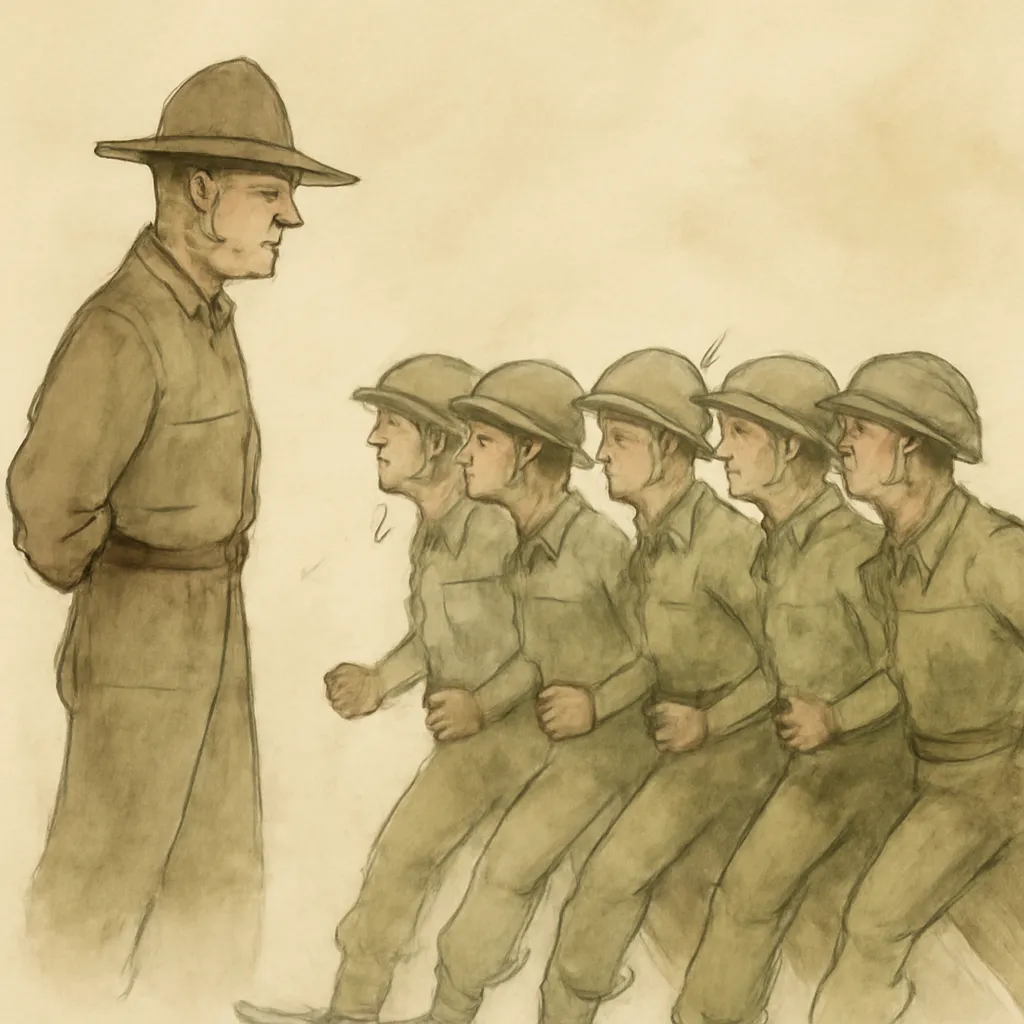
The training at Plattsburg is depicted as both grueling and transformative. Godwin and his fellow recruits undergo rigorous drills led by seasoned instructors, emphasizing the importance of discipline and teamwork. The initial encounters with a West Point instructor showcase the stark contrast between civilian life and military precision. The recruits' awkwardness and mistakes during the drills serve as a metaphor for their broader adjustment to military life. This instructional style is not merely about imparting skills; it is about instilling a profound sense of order and discipline in men unaccustomed to the militaristic approach. Godwin's struggles to align his movements with those of the instructor illustrate the steep learning curve faced by all recruits. Through these experiences, the narrative illustrates how the training shapes their identities, fostering a sense of camaraderie and resilience. The physical demands of marching and manual exercises serve to bond the men together, creating a shared sense of purpose amidst their struggles, illustrating how the military's structure can unify disparate individuals into a cohesive team.
3.The Role of Leadership and Mentorship
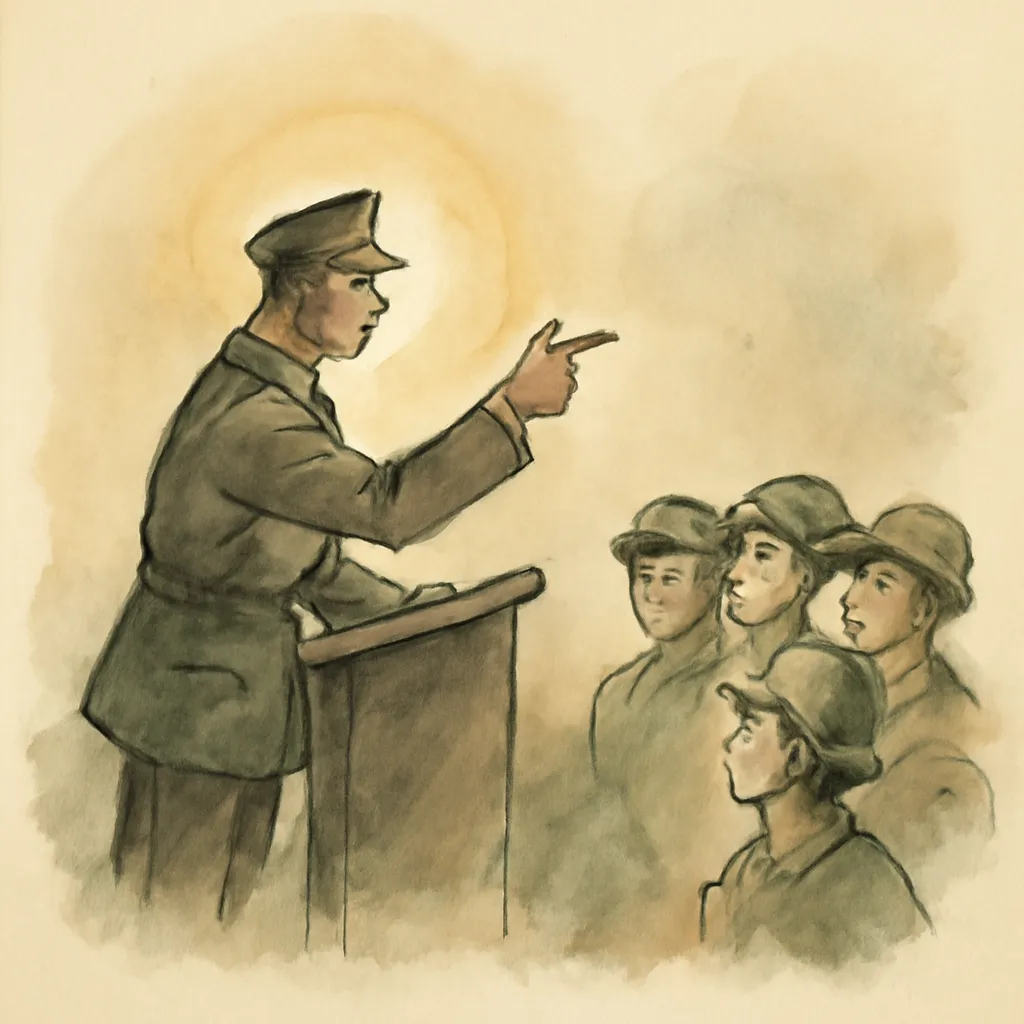
The presence of strong leaders, like the general and Captain Kirby, plays a crucial role in shaping the recruits' experiences. Their authoritative yet encouraging demeanor instills confidence in the men, challenging them to push beyond their limits. The general's welcoming address serves to unify the recruits, reminding them of the larger purpose behind their training. Captain Kirby, in particular, embodies the ideal leader: he is approachable, yet firm, presenting an image of strength while also encouraging open communication. His hands-on approach, coupled with his humor, helps to create an environment where the men feel supported yet accountable. Kirby's leadership style is particularly effective in transforming the recruits’ initial apprehension into motivation, showing that effective leadership hinges not just on authority but also on building trust. This dynamic emphasizes the importance of effective leadership in fostering growth and resilience among recruits, as they learn to navigate the challenges of military life, ultimately shaping their perceptions of authority and duty.
4.Camaraderie and the Formation of Bonds
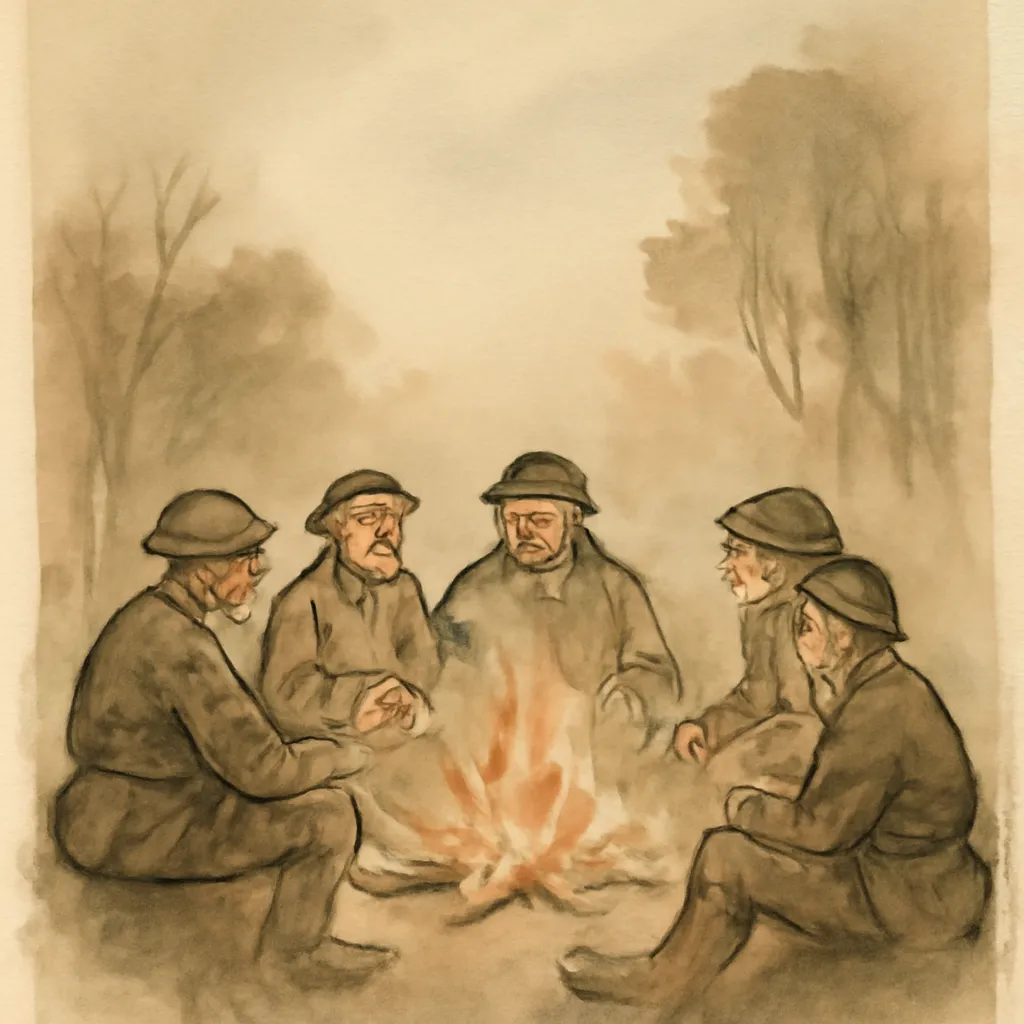
Throughout the training, the bonds formed among the recruits are a central theme. Godwin's interactions with fellow soldiers like Knudsen and Pickle illustrate the diverse backgrounds and personalities that come together in this shared experience. Their struggles with physical exertion, emotional fatigue, and newfound responsibilities forge deep connections that transcend their individual differences. As they face the rigors of training together, moments of vulnerability and shared laughter become pivotal for their mental resilience. The camaraderie serves as a vital support system, allowing the men to navigate the difficulties of training together. This exploration of friendship amidst adversity highlights the human capacity for connection, even in the most challenging circumstances, and underscores the value of teamwork in achieving a common goal. The narrative shows how these relationships not only provide emotional sustenance but also reinforce their commitment to one another and the mission at hand.
5.The Impact of Nature on the Military Experience
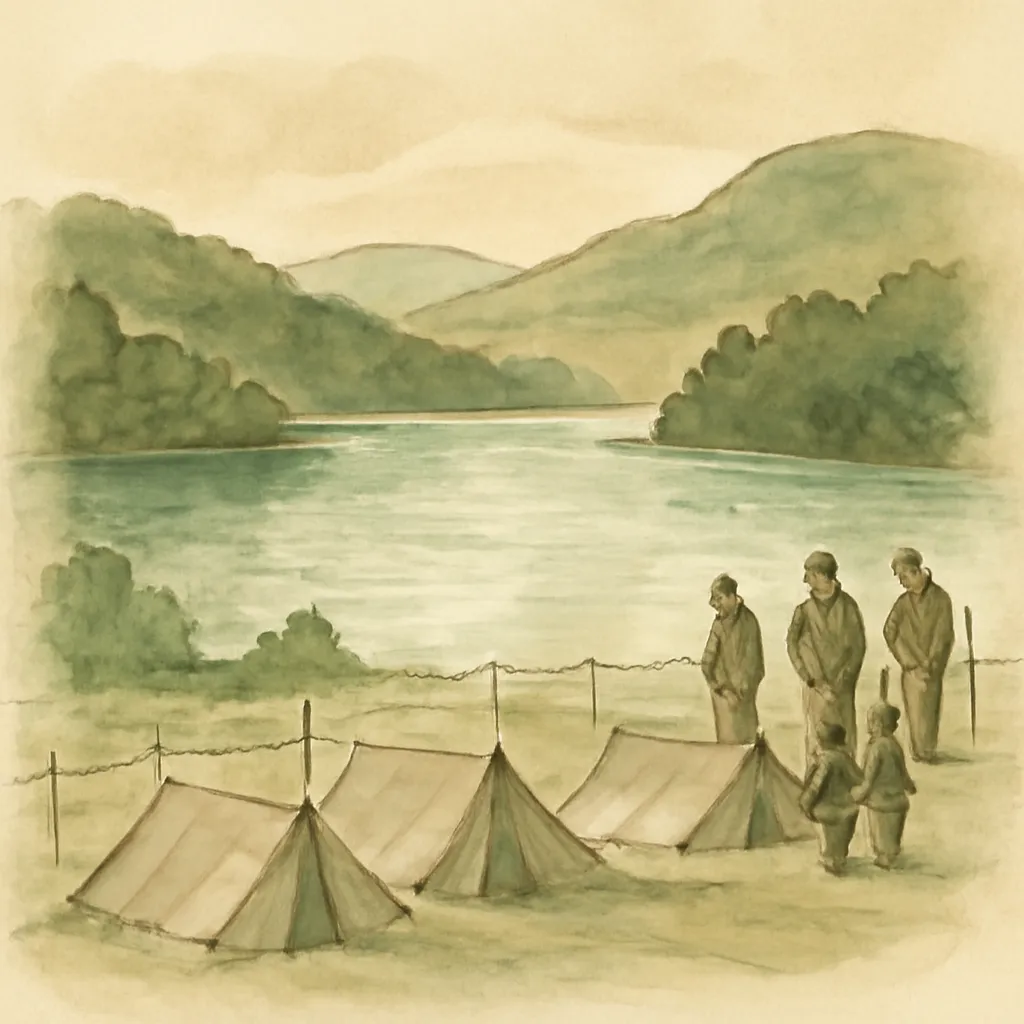
The natural setting of Plattsburg, with its mountains and lakes, serves as a backdrop that influences the soldiers' experiences. Godwin frequently reflects on the beauty of the landscape, contrasting it with the harshness of military life. The changing scenery mirrors the emotional landscape of the recruits, as they move from feelings of dread and discomfort to moments of awe and appreciation. The mountains and lakes provide both a respite from the rigors of training and a reminder of the world they are fighting to protect. This connection to nature not only offers a brief escape from their strict routines but also adds a layer of meaning to their training—the beauty of their environment deepens their commitment to serve and protect it. The interplay between the soldiers and their environment enhances the narrative, grounding the military experience in a relatable and often serene context. French uses this contrast to highlight how nature can serve as both a refuge and a reminder of one's duties, emphasizing the duality of military life.
6.The Psychological Toll of Training
The psychological challenges faced by recruits are poignantly illustrated through Godwin's internal monologue. As he navigates the physical demands of training, he also grapples with self-doubt and anxiety about his capabilities. The fear of failure looms large, especially as they prepare for the hike, which is viewed as a rite of passage. Godwin's reflections on aging and physical limitations add depth to his character, highlighting the unique struggles of older recruits. The narrative reveals how military training can exacerbate feelings of inadequacy and anxiety, particularly when faced with the expectations of peers and superiors. This exploration of mental health within the military context emphasizes the importance of addressing psychological well-being in addition to physical readiness, a theme that resonates with contemporary discussions about military service. French's portrayal of Godwin’s struggles invites readers to consider the broader implications of mental health in high-stress environments, urging an acknowledgment of the emotional challenges that accompany physical training.
7.The Duality of Military Life: Fun and Work
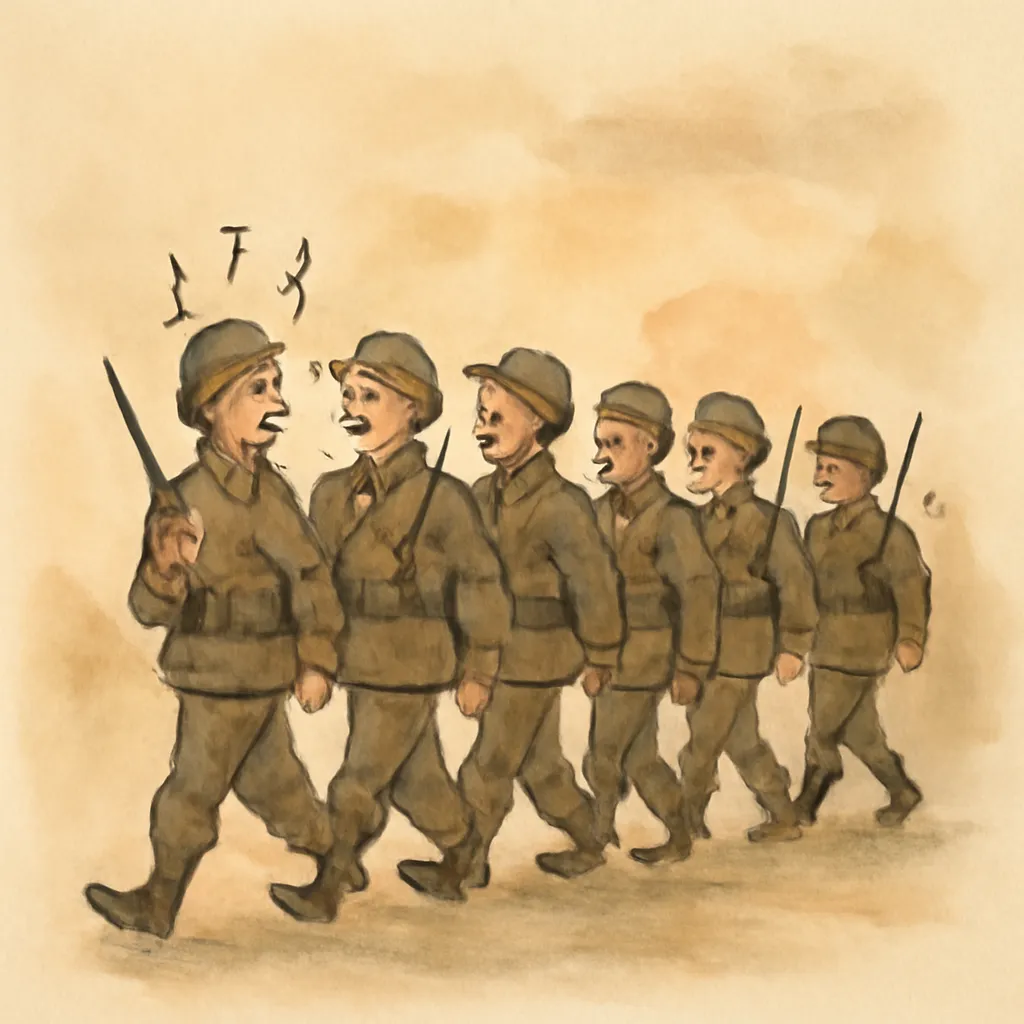
French captures the dual nature of military life, where moments of levity coexist with the seriousness of training. The 'Buzzard Song,' created by a fellow recruit, embodies this spirit, serving as a morale booster during arduous hikes. The blending of humor with the rigors of military discipline reflects the coping mechanisms employed by the soldiers to endure the challenges of their training. The song highlights how creativity and camaraderie can provide relief and joy amidst physical hardship, showcasing the resilience of the human spirit. This duality underscores the complexity of military life, where the line between work and play is often blurred. French skillfully illustrates that while the training is demanding and serious, the bonds forged through shared laughter and lighthearted moments contribute significantly to the soldiers' overall well-being and morale, reminding readers that joy can be found even in the most austere environments.
8.The Significance of Personal Hygiene and Health

The emphasis on personal hygiene and health during training is a recurring motif in Godwin's letters. The recruits receive lectures on cleanliness, underscoring the military's focus on maintaining physical well-being as a prerequisite for effective service. Godwin's humorous observations about his fellow recruits' struggles with grooming reflect the broader theme of adapting to military standards. As they face the rigors of training, personal care becomes an essential aspect of their responsibilities, illustrating how attention to health impacts their readiness. The narrative emphasizes that military service is not solely about combat preparedness but also about sustaining the physical condition necessary for enduring the challenges of training. This focus on hygiene serves as a reminder of the practical aspects of military life, where personal care becomes a vital component of overall readiness and discipline, reinforcing the notion that health and hygiene are critical to operational effectiveness.
9.The Hike: A Defining Moment
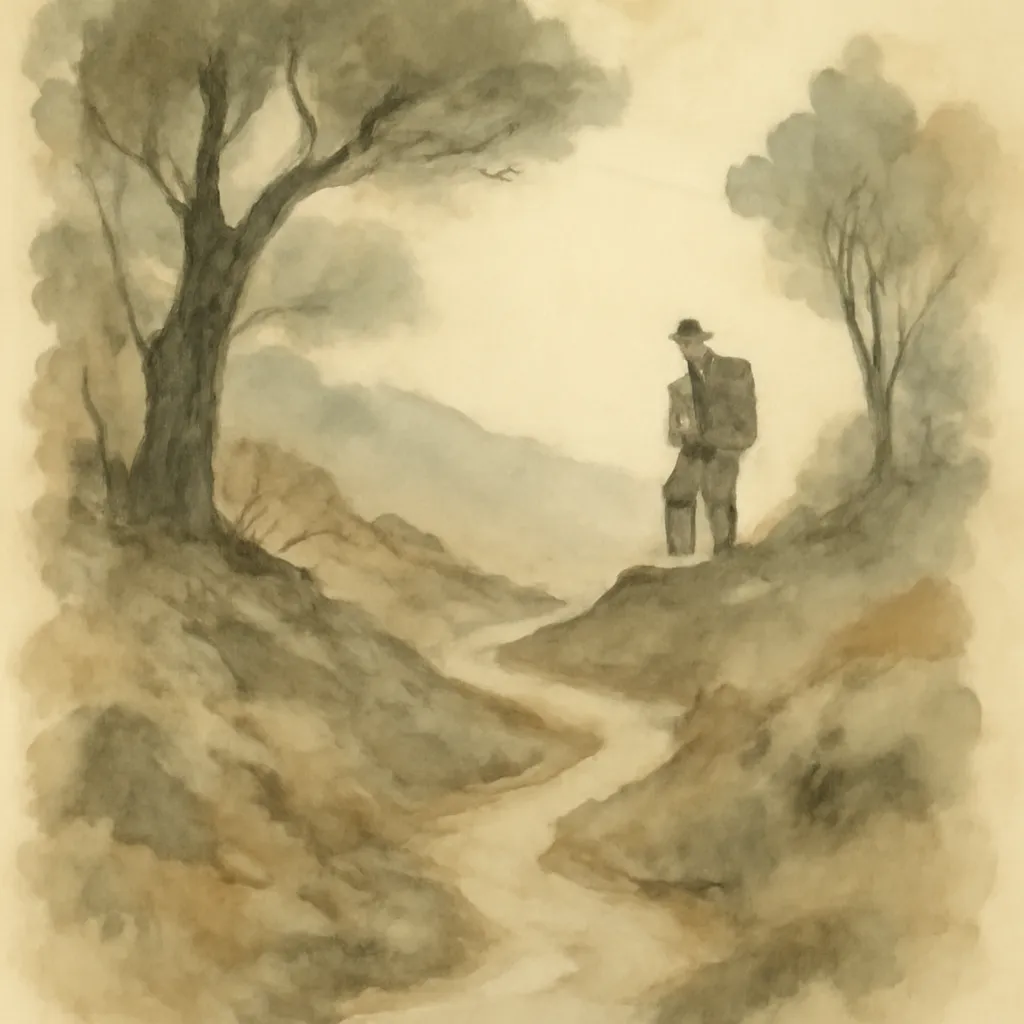
The impending hike looms large in the narrative, representing both a physical and psychological challenge for the recruits. Godwin's anxiety about the hike encapsulates the fear of inadequacy felt by many soldiers as they prepare for this test of endurance. The narrative builds tension leading up to the hike, illustrating how it serves as a rite of passage for the recruits. The experience of marching through various terrains, coupled with the camaraderie shared among the men, ultimately transforms the hike into a defining moment in their military training. It is through this grueling challenge that Godwin and his comrades confront their insecurities, pushing their physical limits and realizing their capacity for resilience. This pivotal event not only tests their physical limits but also solidifies their identities as soldiers, marking a significant milestone in their journey. By focusing on the hike as both a literal and metaphorical journey, French captures the essence of transformation experienced by the recruits.
10.The Intersection of Duty and Identity
Godwin's transformation throughout the narrative raises questions about the intersection of duty and personal identity. As he adapts to military life, he grapples with the expectations placed upon him as a soldier. The conflict between his civilian self and the soldier he is becoming is a central theme, prompting readers to reflect on the broader implications of service. This exploration of identity is particularly poignant in the context of a nation on the brink of war, as the recruits confront their roles within a larger narrative of patriotism and sacrifice. Godwin's journey illustrates not only the personal struggles of adapting to a new identity but also the societal pressures that come with the call to serve. The narrative ultimately challenges readers to consider what it means to serve and how that service shapes one's sense of self, prompting reflection on the individual versus collective identity.