1.The Reluctant Narrator
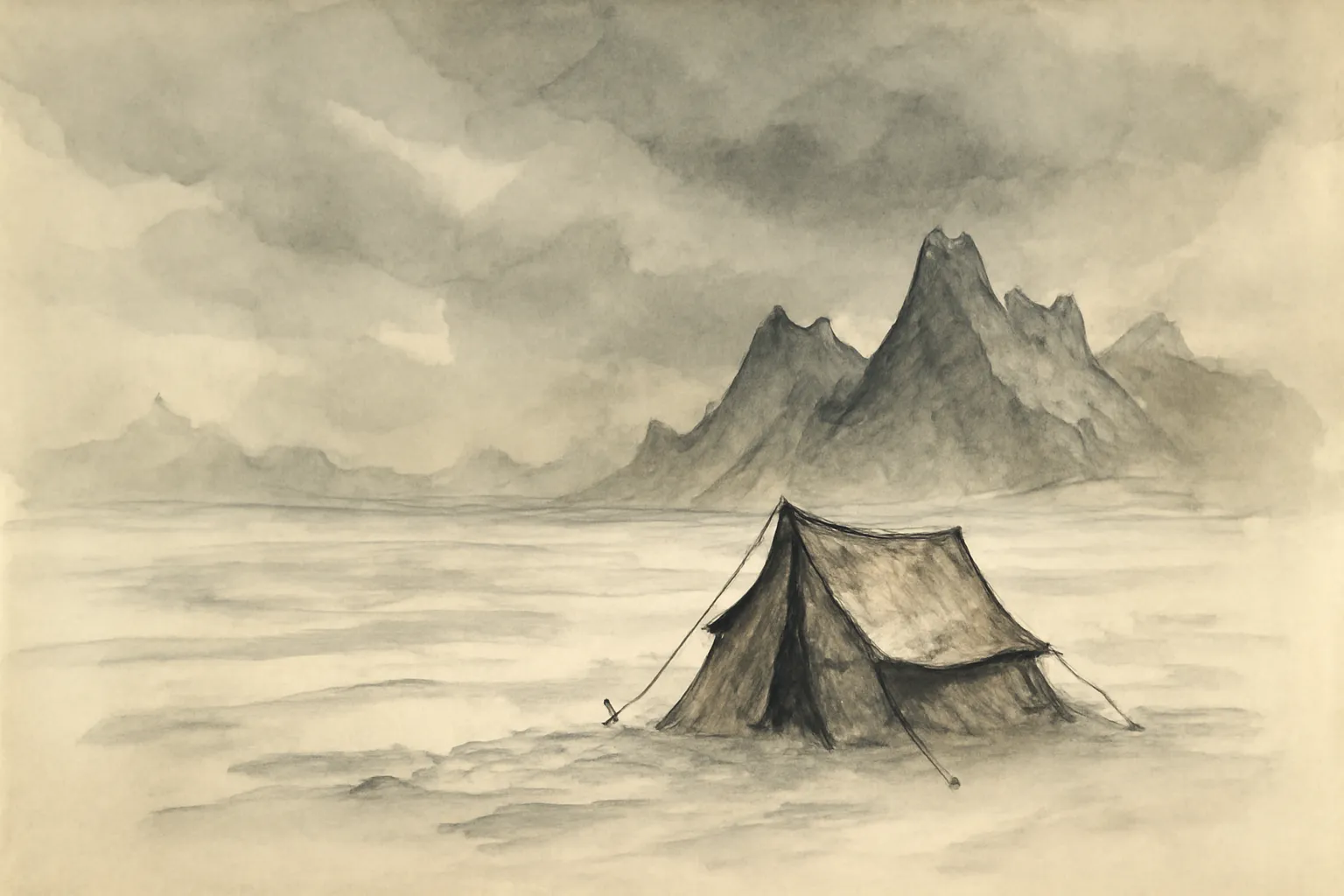
The story opens with the narrator’s hesitation to share the horrifying events experienced during the Antarctic expedition. He is acutely aware that his warnings will be ignored by the scientific community, reflecting a profound frustration that echoes throughout the narrative. This reluctance sets a tone of foreboding, suggesting that the truths he is about to reveal are so terrifying that they might shatter the very foundations of human knowledge. The narrator's position as a geologist underscores a recurring theme in Lovecraft's work: the confrontation between science and the unknown. His warnings about the dangers of pursuing knowledge in uncharted territories resonate deeply, suggesting that some truths are better left undiscovered. This theme of reluctant revelation powers the narrative, drawing readers into a world where ignorance may be a form of protection.
2.Scientific Ambition and Ethical Responsibility
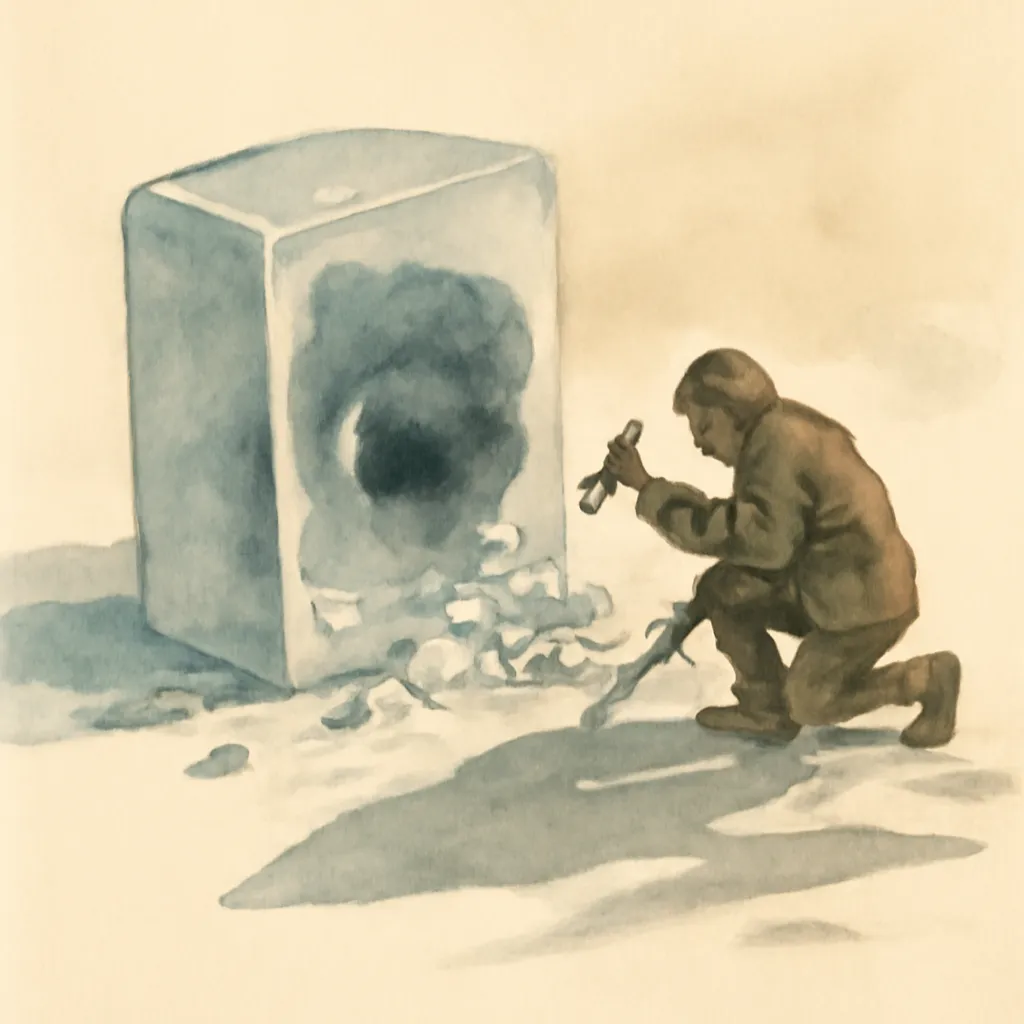
The expedition is driven by a fervent desire to uncover ancient fossils, but this ambition raises critical ethical questions about humanity's pursuit of knowledge. The narrator reflects on the potential consequences of disturbing the ancient ice and the unknown entities that may lie beneath. As the team progresses, their initial excitement morphs into anxiety, revealing a growing understanding that their quest could be more destructive than enlightening. This exploration of scientific ambition highlights the tension between the thirst for discovery and the moral obligation to respect the unknown. The narrative serves as a cautionary tale about the potential hubris of humanity when faced with forces beyond comprehension. The ethical dilemmas presented challenge readers to consider the ramifications of their curiosity in the context of the broader universe, prompting reflection on the responsibilities that come with knowledge.
3.The Call of the Unknown
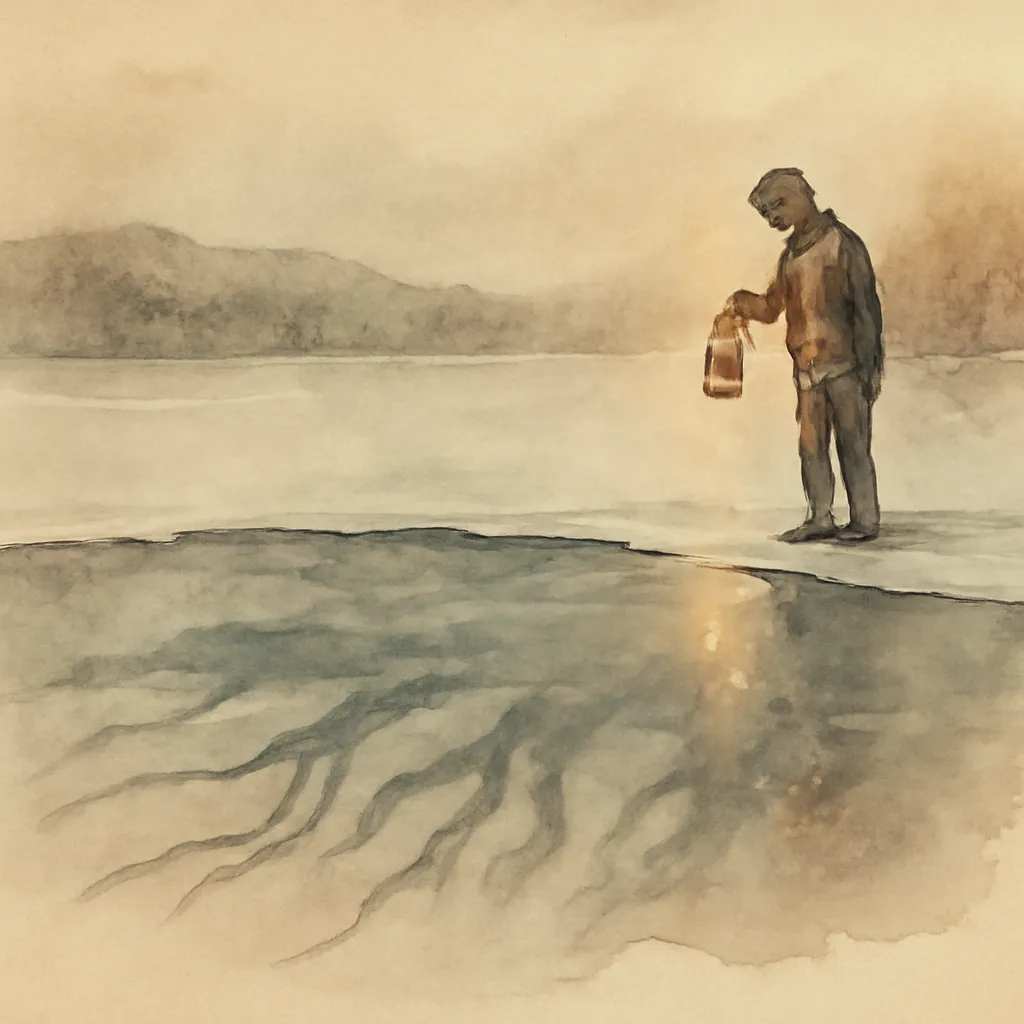
As the Miskatonic University Expedition ventures into uncharted territories, the allure of the unknown grows stronger. The excitement surrounding Lake's preliminary findings captivates the team, igniting their imaginations and highlighting humanity's innate curiosity. However, this thirst for discovery becomes a double-edged sword, as the Antarctic wilderness serves as a stark reminder of their vulnerability. The narrator captures the exhilarating tension of exploration—the thrill of uncovering ancient life juxtaposed against the ominous acknowledgment of the dangers involved. The icy landscape is portrayed as both beautiful and terrifying, a reflection of the dual nature of discovery. As the team pushes forward, the consequences of their actions become increasingly apparent, revealing that the fascination with the unknown may come at a steep price. This interplay between intrigue and peril is a central theme, shaping the characters’ destinies as they confront the horrors hidden in the ice.
4.The Fossilized Remnants of a Forgotten World
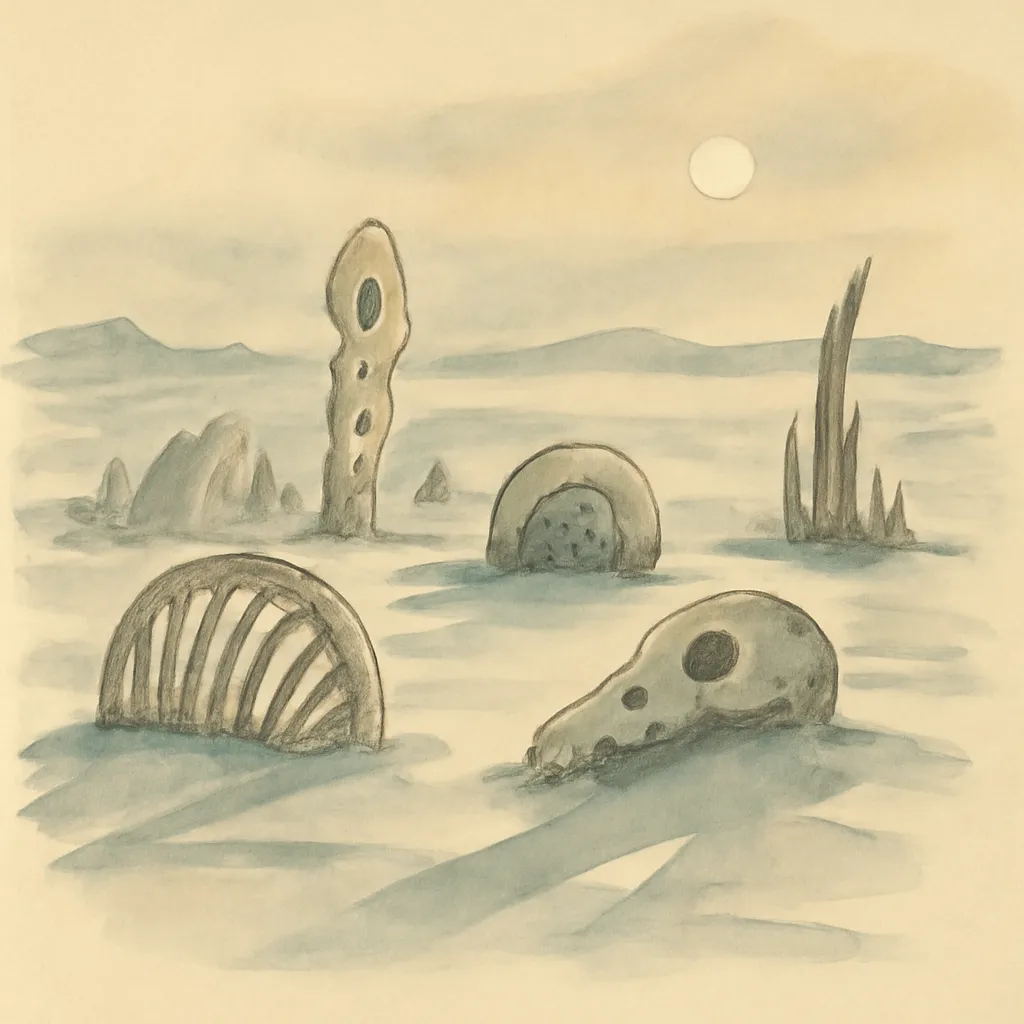
The expedition’s initial discoveries lead to the unearthing of ancient fossils, stirring both wonder and dread among the team members. The fossils, dating back to a time long before humanity, provoke questions about the nature of life itself and the possibility of other intelligent beings that may have existed on Earth. As the narrator examines these findings, the narrative emphasizes the fragility of life and the unpredictability of evolution. The fossils serve as a reminder of a time when ancient creatures roamed the Earth, hinting at the complexity and diversity of life that existed before humanity's rise. However, this intrigue is laced with foreboding, as the implications of these discoveries suggest a lineage that may have evolved in ways unimaginable to the modern mind. The tension between scientific discovery and the fear of what lies beneath the surface permeates the narrative, setting the stage for the chilling revelations that follow.
5.Descent into Chaos
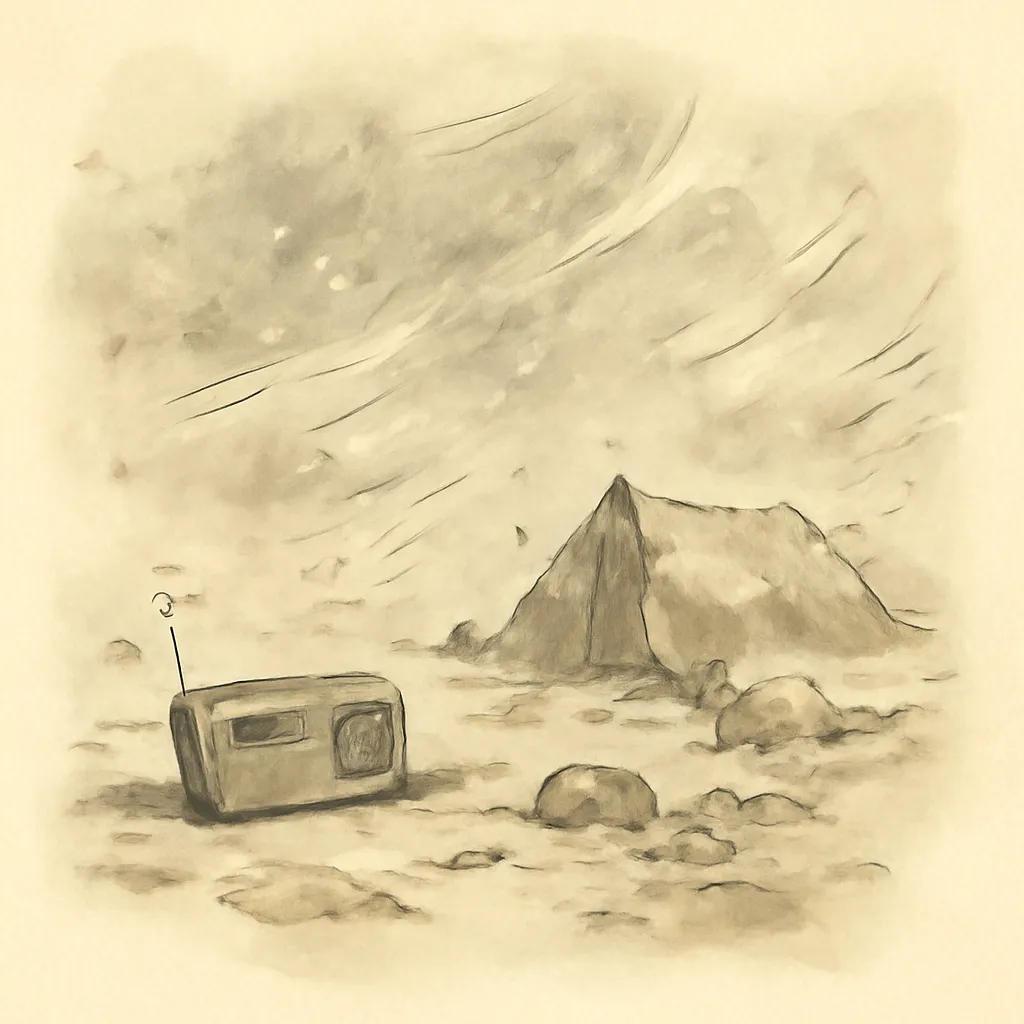
A turning point occurs when communication is lost with Lake’s sub-group, plunging the expedition into chaos and heightening tensions within the camp. The worsening weather conditions and the eerie stillness amplify the sense of isolation, leading the narrator to fear for the safety of his team. Upon reaching Lake's camp, they are confronted with devastation—missing crew members, mangled bodies, and signs of a violent conflict that defy explanation. This descent into chaos encapsulates the psychological strain of the expedition, as the characters grapple with the horrors that have unfolded. Lovecraft skillfully explores the fragility of sanity as the team members confront the unspeakable, blurring the lines between rationality and madness. The turmoil challenges their understanding of reality, reflecting the devastating impact of fear and isolation on the human psyche. This theme resonates deeply, illustrating how the unknown can unravel the mind when faced with incomprehensible terror.
6.The Ancient City: A Testament to Alien Intelligence
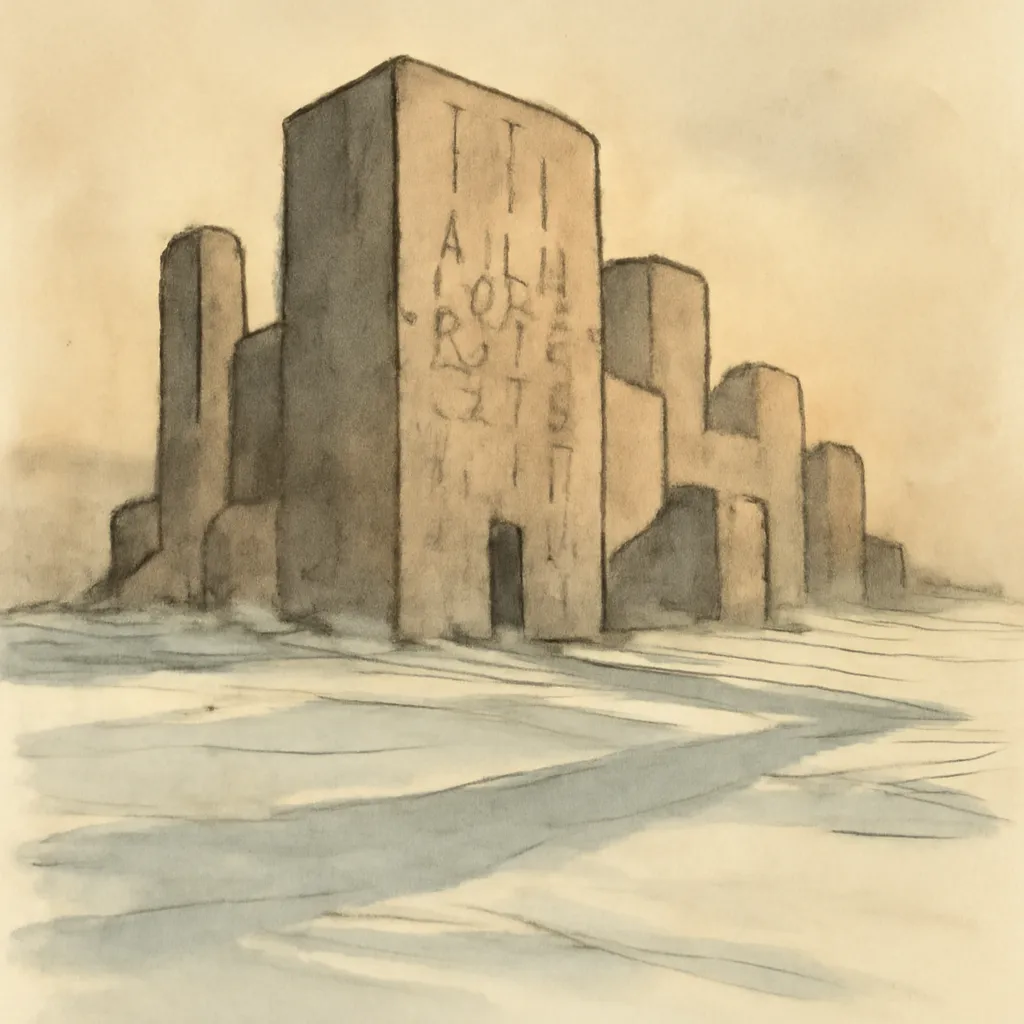
The expedition's discovery of a gigantic, ancient city beneath the ice marks a significant shift in the narrative, as the characters confront the remnants of a civilization that defies the laws of nature. The architecture of the city, with its geometric shapes and bizarre constructions, evokes a sense of alien intelligence, challenging the characters and readers alike to reconsider their understanding of history. The narrator's awe quickly turns to horror as he realizes that the city is not merely a relic of the past but a stark reminder of the cosmic beings known as the Old Ones—entities that existed long before humanity. This revelation transforms the narrative from one of exploration to one steeped in existential dread, as the characters grapple with the implications of their findings. Lovecraft’s vivid descriptions of the city serve to heighten the sense of otherworldly horror, emphasizing the themes of lost knowledge and the dangers of unearthing ancient secrets. The city becomes a character in its own right, embodying the unsettling legacy of those who came before.
7.The Shoggoths: Horrors Born from Creation
Among the most terrifying discoveries within the ancient city is the existence of the Shoggoths—amorphous beings created by the Old Ones as laborers. These creatures embody the dark side of creation, representing the potential consequences of scientific ambition gone awry. Lovecraft intricately weaves the narrative around the implications of their existence, illustrating how the Old Ones’ desire to create led to the birth of these monstrous entities. The Shoggoths' ability to reshape themselves highlights the dangers of playing god, serving as a metaphor for humanity's own potential to create its own horrors through unchecked ambition. As the expedition delves deeper into the city, the presence of the Shoggoths becomes a haunting reminder of the fragility of life and the ethical dilemmas associated with creation. This exploration of the Shoggoths raises profound questions about the nature of existence, creation, and the moral responsibilities that accompany scientific discovery.
8.Confronting Cosmic Horror
Lovecraft's exploration of cosmic horror permeates the narrative, illustrating humanity's insignificance in the face of ancient, unfathomable forces. The characters’ encounters with the remnants of the Old Ones reveal a universe filled with complexities that challenge their understanding of existence. The narrator’s internal struggle reflects the broader theme of humanity's place within a vast, indifferent cosmos, where the pursuit of knowledge often leads to despair. This confrontation with cosmic horror serves to heighten the tension and dread, prompting readers to grapple with their own beliefs about the limits of human understanding. Lovecraft masterfully depicts the struggle to comprehend the incomprehensible, illustrating how the unknown can evoke both terror and fascination. This theme resonates deeply, inviting readers to contemplate the broader implications of existence and the potential for unfathomable forces that lie beyond human comprehension.
9.The Abyss Beckons: A Descent into Darkness
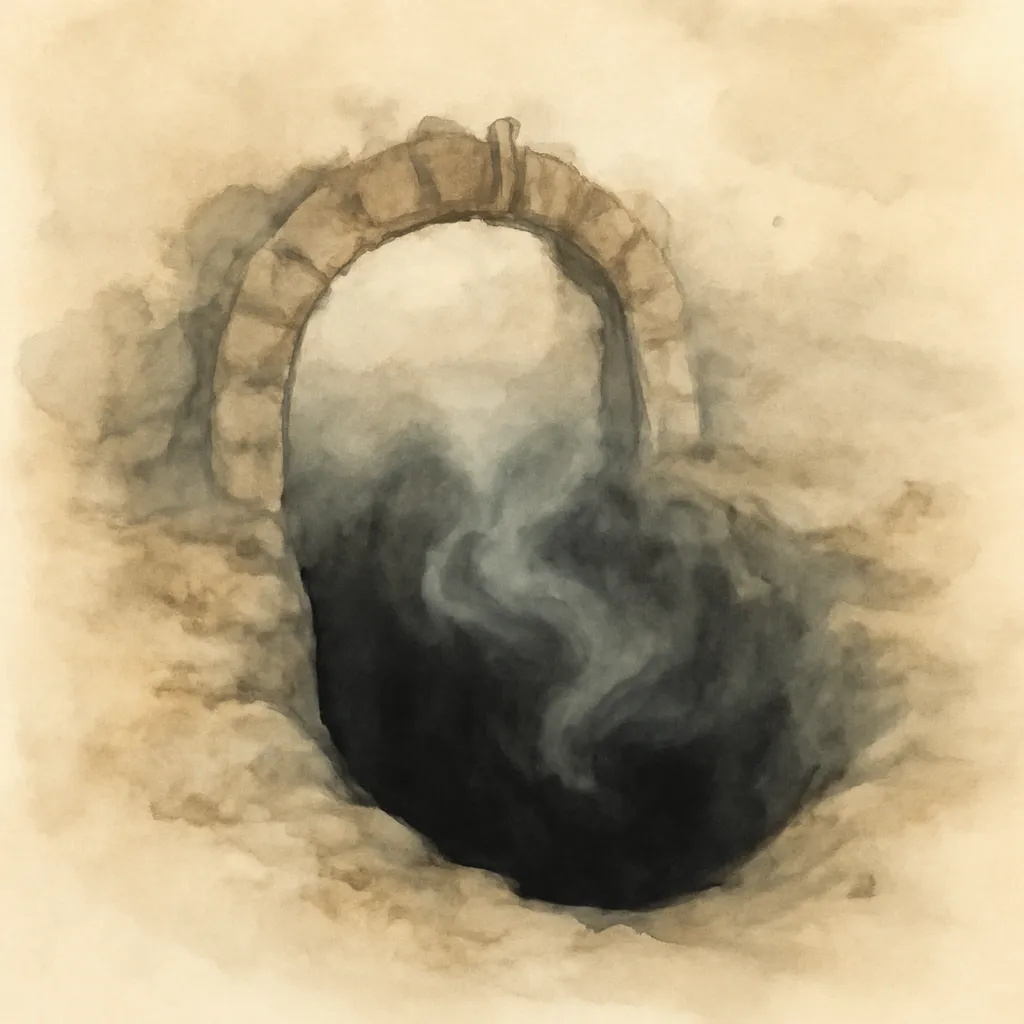
The expedition's desire to explore the abyss beneath the ancient city leads to a perilous journey into darkness. The characters' determination to uncover the secrets hidden within the abyss symbolizes humanity's relentless pursuit of knowledge, even when faced with the potential for destruction. As they descend, the atmosphere becomes increasingly oppressive, heightening the sense of foreboding. The narrator’s exploration of the abyss serves as a metaphor for the human condition—a quest for understanding that often leads to despair. The recurring theme of the abyss reflects the duality of discovery, illustrating how the pursuit of knowledge can lead to enlightenment or catastrophic consequences. Lovecraft's portrayal of the descent into darkness encapsulates the essence of horror, reminding readers of the thin line between curiosity and madness. This descent into the unknown serves as a chilling reminder of the terrors that await those who dare to uncover the secrets of the cosmos.
10.The Legacy of the Old Ones: A Reflection on Time
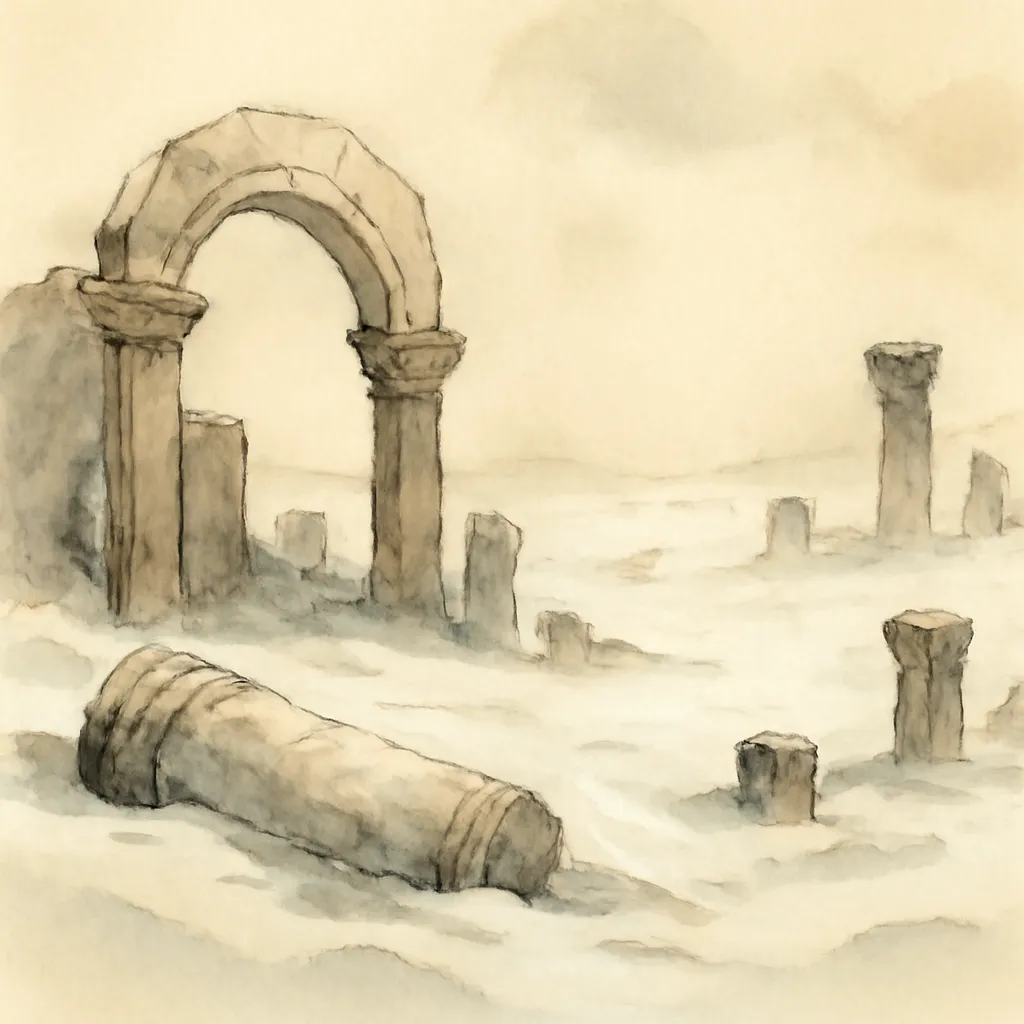
Ultimately, the expedition uncovers the chilling legacy of the Old Ones—a civilization that once thrived but has now been rendered obsolete by time. The remnants of their existence serve as a stark reminder of the transience of life and the cyclical nature of civilizations. The narrator reflects on the fate of the Old Ones, grappling with the notion that all beings, no matter how powerful, are subject to the ravages of time. This exploration of legacy and obsolescence adds depth to the narrative, inviting contemplation on the nature of progress and the consequences of ambition. Lovecraft’s portrayal of the Old Ones serves to highlight the fragility of existence, emphasizing that even the mightiest civilizations can fall into obscurity. This theme resonates throughout the narrative, prompting readers to consider their own legacy in a universe that is indifferent to human struggles and aspirations. The chilling echoes of the Old Ones linger long after the expedition has ended, serving as a haunting reminder of the costs associated with the pursuit of knowledge.