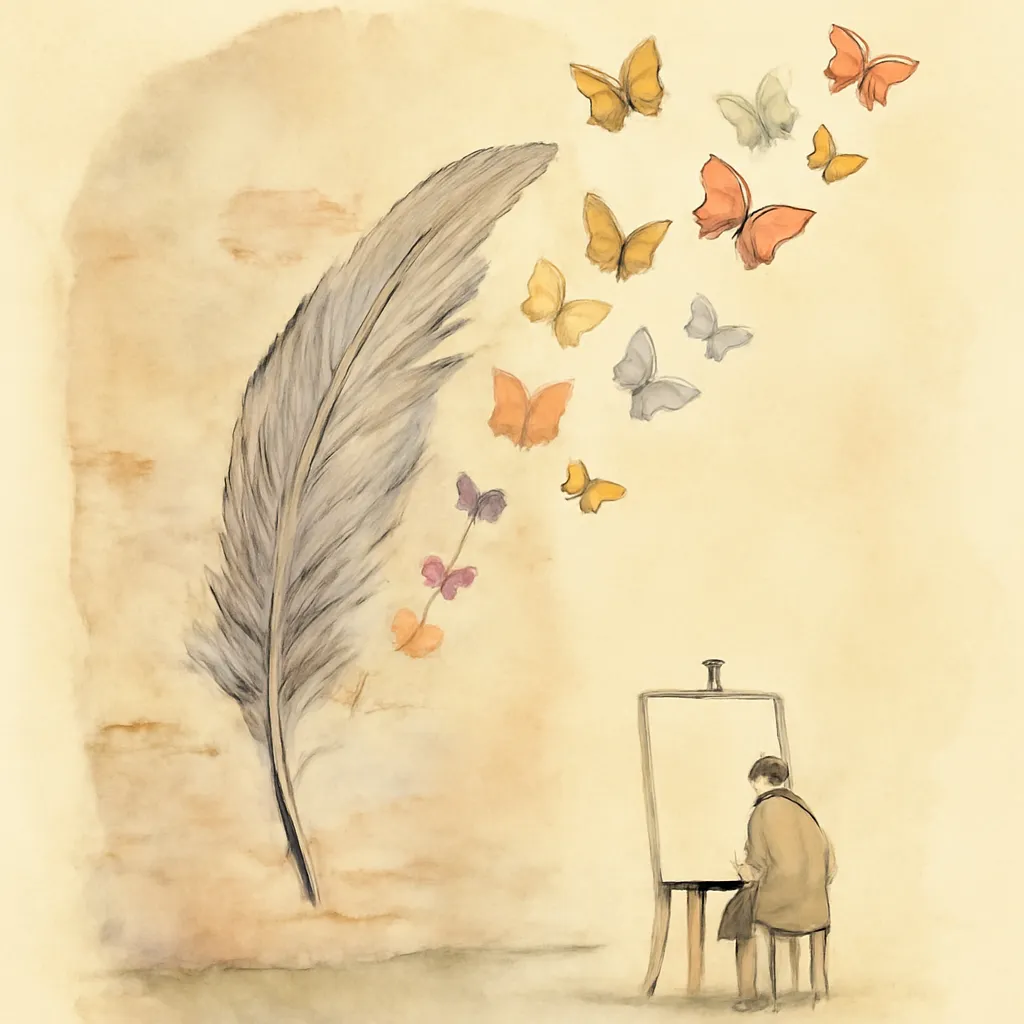
1.Language as a Weapon
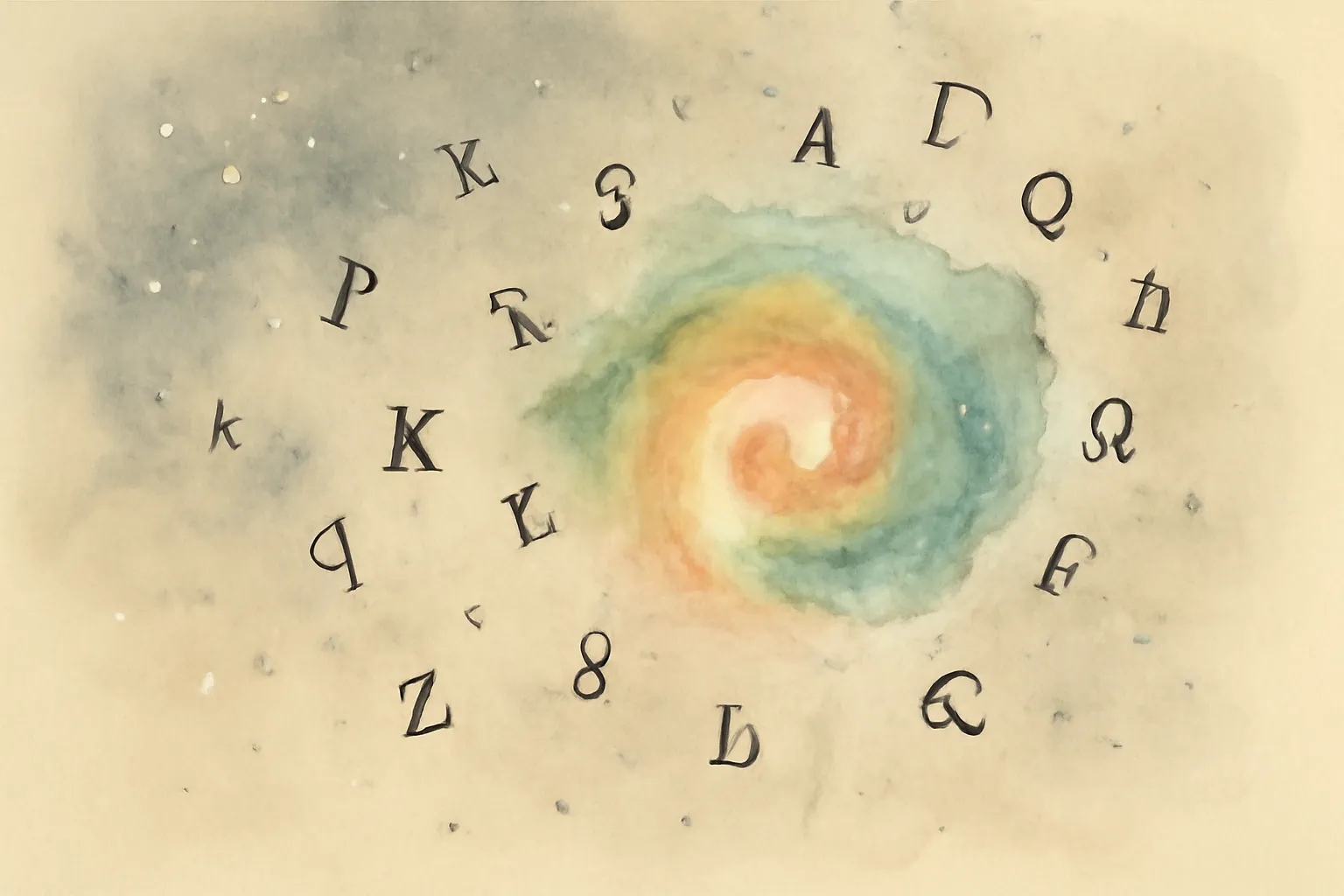
At the heart of Babel-17 is the concept that language doesn't just describe reality—it creates it. The titular language, Babel-17, is engineered to manipulate perception and cognition so profoundly that those who learn it become unwitting agents for an enemy power. Delany explores the Sapir-Whorf hypothesis to its extreme: by changing the structure of thought through language, you can change a person's loyalties, ethics, and even their sense of self. This idea raises unsettling questions about the vulnerability of the mind and the latent power within the words we use.
2.Identity and Self-Perception
Protagonist Rydra Wong is a poet and linguist whose ability to intuit meaning makes her uniquely qualified to confront Babel-17. Through her journey, Delany examines how language constructs identity—not just for individuals, but for entire cultures. Rydra's struggle with the language becomes a struggle to maintain her own sense of self, highlighting the delicate interplay between internal thought and external influence.
3.Communication and Miscommunication
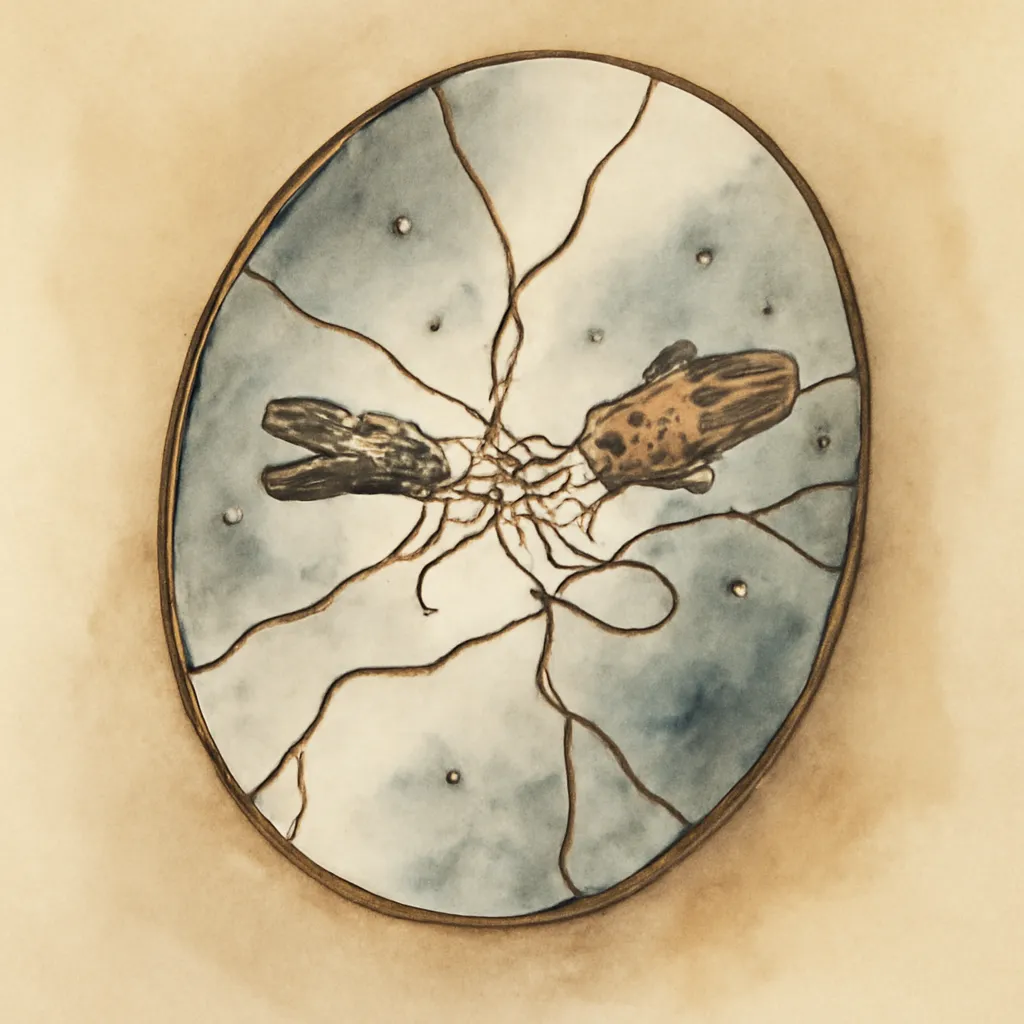
Babel-17 is also about the barriers and bridges of communication, both literal and metaphorical. The novel's interstellar war is as much a battle of understanding as of firepower, with sabotage and infiltration enabled by the inability of one side to comprehend the other's methods. Delany uses this to comment on the pitfalls of miscommunication and the necessity of translation—not just between languages, but between worldviews.
4.Cultural Relativity
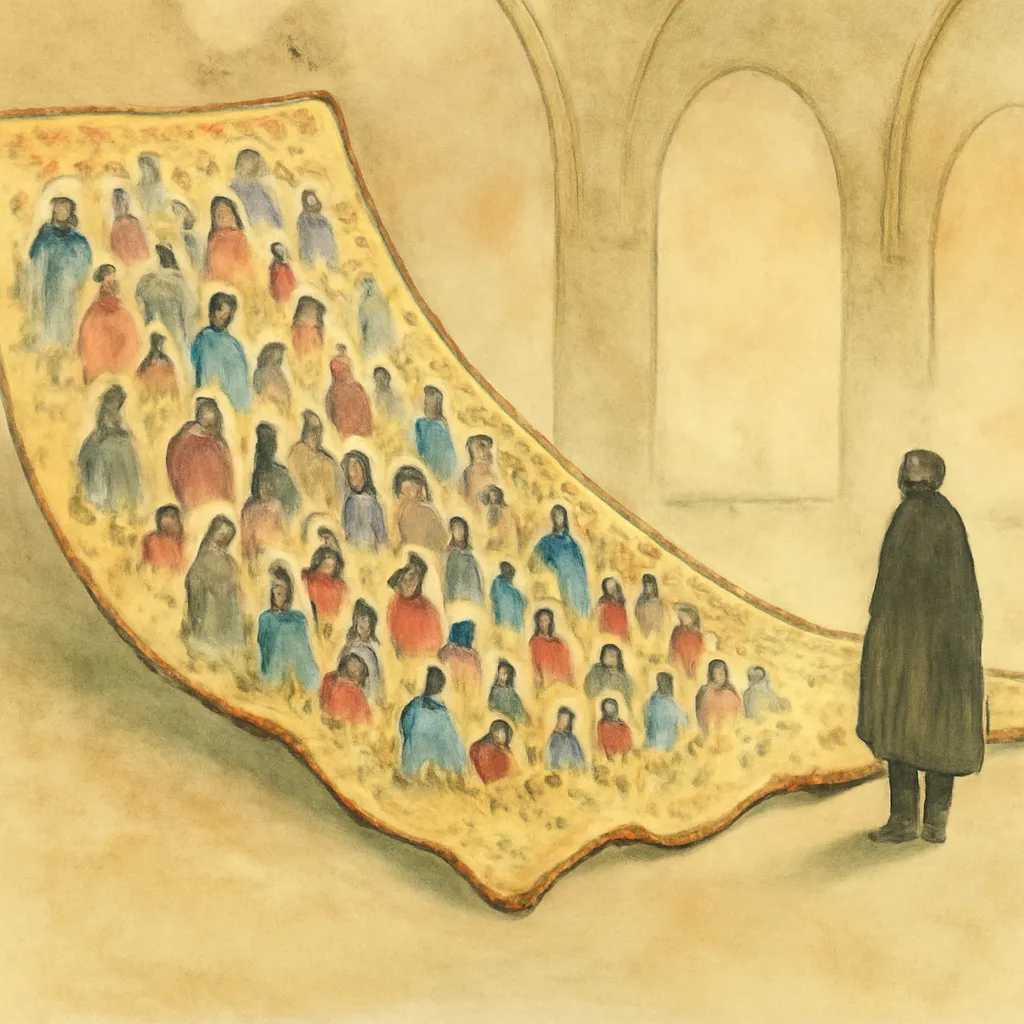
The societies in Babel-17 are depicted as products of their languages and customs, each with its own logic and values. Delany's future is richly multicultural and queer-inclusive, challenging readers to question their own cultural assumptions. The novel suggests that understanding another's language is a gateway to empathy and peace, but also a potential vector for manipulation.
5.The Limits and Possibilities of Human Cognition
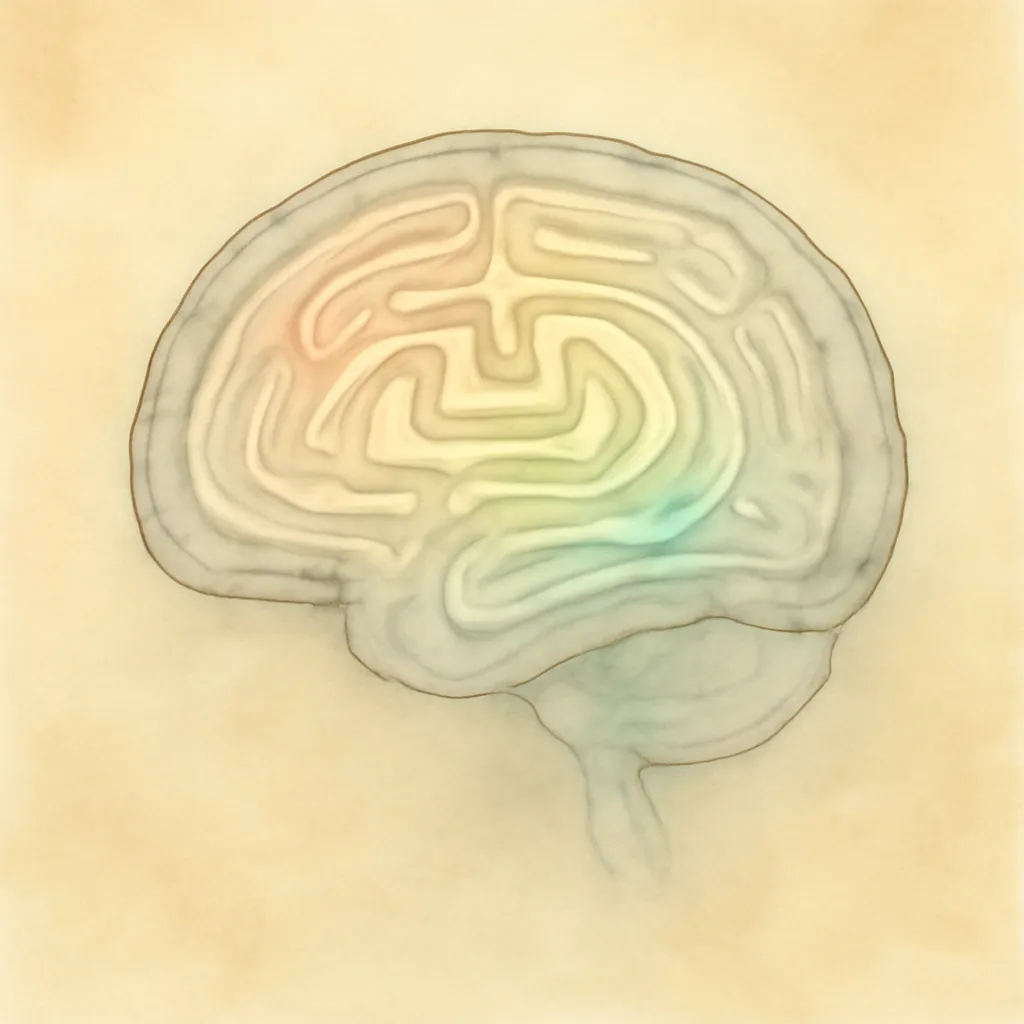
By presenting a language that can literally rewire the brain, Delany probes the limits of what it means to be human. Babel-17 asks whether thought can ever be truly free, or if we are always constrained by the words and structures we inherit. The novel is both a warning and an invitation: language can imprison, but it can also liberate, expand, and transform.
6.Artistry and the Poet’s Role
Rydra Wong’s dual identity as poet and codebreaker reflects Delany’s belief in the power of art to decipher and reshape reality. Her sensitivity to nuance and metaphor becomes a superpower, suggesting that artists and linguists are not just interpreters, but active agents in the creation of worlds—both fictional and real.