1.The Eagerness of Youth
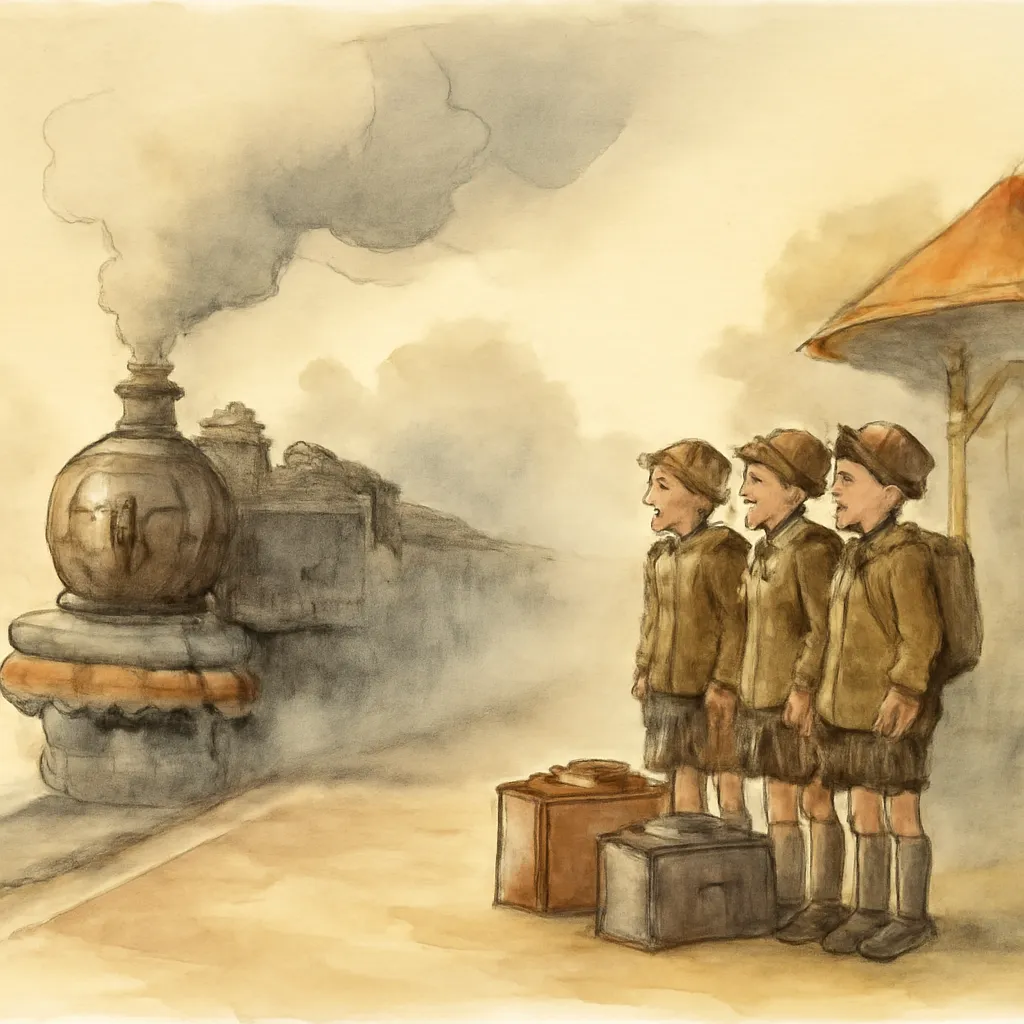
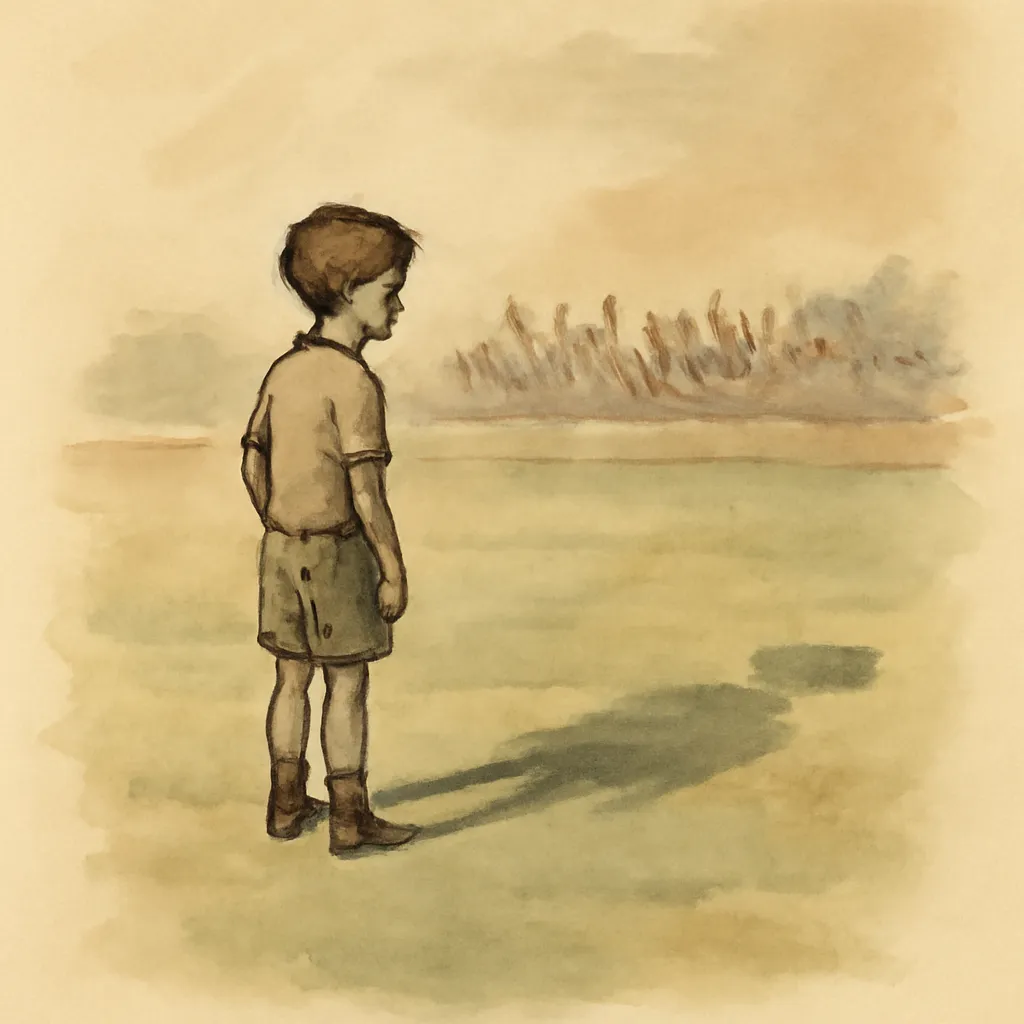
Barry Locke's arrival at the boarding school encapsulates the youthful eagerness to fit in and make friends. His initial moments at the station highlight a sense of wonder and anticipation as he steps into a world filled with unfamiliar faces. Despite his warm brown eyes and shy smile, Barry feels overlooked amidst the excitement of reunions among the other boys. This sets the stage for his journey, emphasizing how the desire for acceptance and belonging can shape a young person's experiences. As he navigates friendships, Barry's character is defined by his willingness to connect with others, revealing how youth is often characterized by a blend of enthusiasm and vulnerability. Barry’s expression, described as ready to like everybody else, signifies a hopeful outlook on life, representing the innocence and optimism that often accompany youth.
2.Friendship and Loyalty

The theme of friendship is pivotal in Barry's journey, particularly in his relationship with Clyde Allen. Initially, Clyde serves as a guide, helping Barry acclimate to the school's environment. Their connection exemplifies the positive impact of friendship during formative years, providing Barry with a sense of security and understanding. However, as their friendship develops, the complexities of social dynamics emerge. Barry's desire to maintain his bond with Clyde is tested as he grapples with feelings of inadequacy and the pressure of fitting into Clyde's circle of friends. This relationship illustrates the delicate balance of loyalty and self-identity that often accompanies adolescent friendships. Barry's interactions with Clyde reveal how trust and support can either strengthen or strain relationships, a reality that resonates with anyone who has navigated the tumultuous waters of teenage social life. Ultimately, Barry learns that true friendship requires both acceptance and the courage to stand up for one another.
3.The Struggle for Acceptance

Barry's experiences at the boarding school reflect a broader struggle for acceptance that many young people face. Despite his talent for football, Barry's initial reluctance to embrace the sport stems from a fear of judgment and failure. His decision to abstain from baseball until spring is a manifestation of his uncertainty, indicating a lack of confidence in his abilities. This internal conflict is exacerbated by the expectations of his peers, particularly Clyde's friends, who embody the 'right sort' of boys. Barry's journey is a poignant reminder that the quest for acceptance often involves navigating the expectations and judgments of others while staying true to oneself. His gradual acceptance into the football squad symbolizes the triumph of self-acceptance over external validation. By finally engaging with the sport, he begins to understand that acceptance comes not only from fitting in but also from embracing who he truly is, regardless of others’ opinions.
4.The Impact of Competition
Barry's introduction to football serves as a microcosm of competition's role in shaping character and resilience. Initially, Barry struggles to find his footing within the team, feeling overshadowed by more skilled players. However, as he participates in practices and scrimmages, he begins to uncover his potential. The physicality of the sport becomes a metaphor for life's challenges, where perseverance and determination are key to overcoming obstacles. Barry's journey from benchwarmer to a significant player illustrates how competition can foster personal growth and camaraderie. The trials he faces on the field mirror the broader challenges of adolescence, where success often requires effort and courage. Through competition, Barry learns valuable lessons about hard work, dedication, and the importance of not shying away from challenges; these lessons are foundational to his character development and understanding of sportsmanship.
5.Overcoming Adversity
Throughout the narrative, Barry's development is marked by his ability to overcome adversity, both in sports and personal relationships. The moment he is drafted onto the football squad, despite his initial self-doubt, marks a turning point in his journey. The pressure of performing well and the fear of disappointing his coach and teammates weigh heavily on him. However, Barry's determination to prove himself becomes a driving force, illustrating the importance of resilience in the face of challenges. His experiences on the field teach him that failure is not the end but a stepping stone to growth. The moments where he feels the stakes are high—such as during critical games or scrimmages—serve as pivotal experiences that teach him vital lessons about perseverance. This theme resonates deeply, reminding readers that overcoming adversity is often a crucial part of personal development and maturity.
6.The Complexity of Rivalries
The rivalries that Barry encounters in football reflect the complexities of competition and camaraderie. His interactions with players from opposing teams reveal a spectrum of emotions, from animosity to respect. The tension during games serves as a backdrop for Barry's growth, teaching him that rivalries can foster a sense of belonging and motivation. As he navigates these relationships, Barry learns that competition is not solely about winning but also about understanding one's opponents and the shared passion for the sport. This nuanced perspective on rivalry broadens the narrative, highlighting how competition can create bonds and foster mutual respect among athletes. Barry's evolution in understanding rivalries illustrates how they can often serve as a catalyst for personal and collective growth, urging players to elevate their performance while cultivating respect for their adversaries.
7.The Role of Mentorship
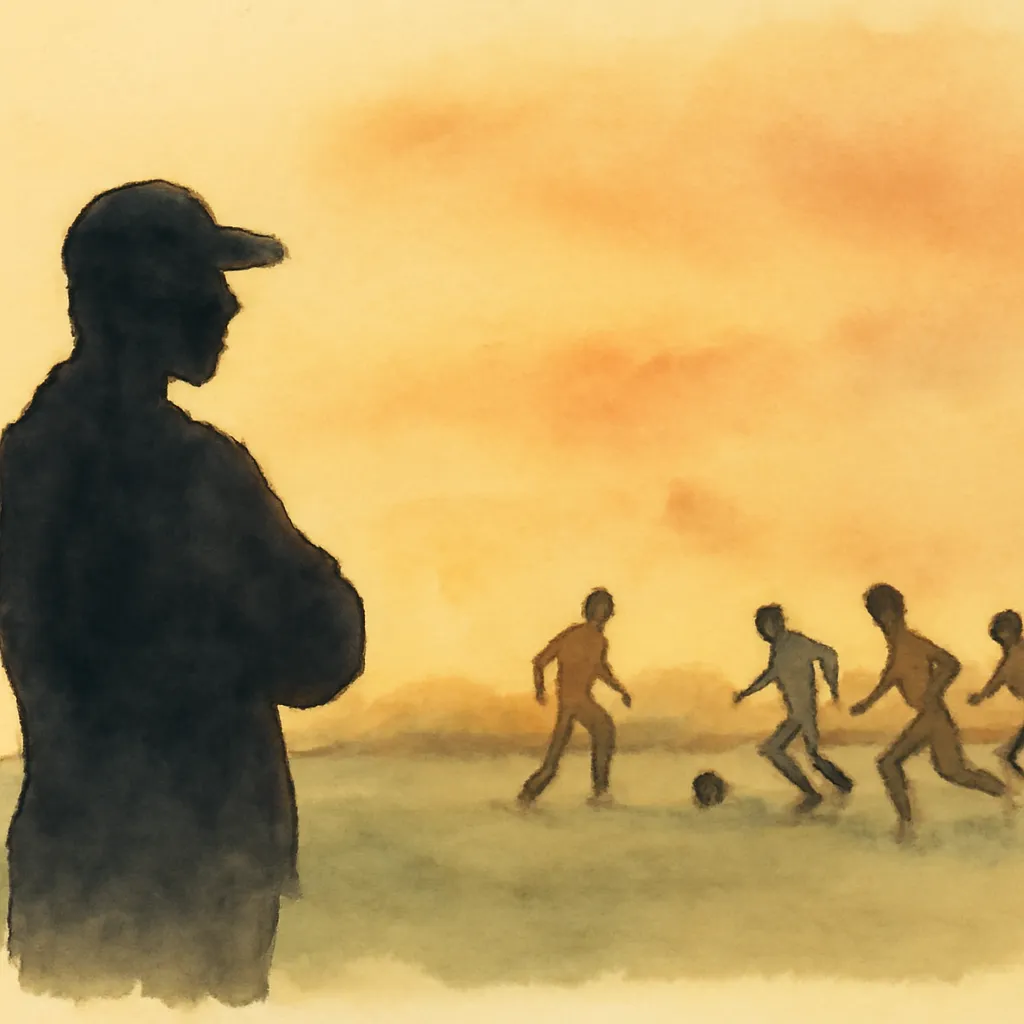
Major Loring serves as a crucial mentor in Barry's life, guiding him through the rigors of football and instilling a sense of discipline and responsibility. The coach's belief in Barry's potential, despite initial doubts, becomes a source of motivation for the young athlete. Loring's coaching style emphasizes hard work and perseverance, teaching Barry that success is earned through dedication rather than talent alone. The moments where Loring drills Barry in punting and positioning serve as not just physical coaching but also life lessons about commitment and focus. This mentorship dynamic underscores the importance of guidance in youth development, illustrating how positive role models can influence a young person's trajectory. Barry's relationship with Loring exemplifies the profound impact that a mentor can have on fostering confidence and resilience, highlighting the necessity of support in personal development.
8.The Value of Teamwork
As Barry becomes more integrated into the football team, the value of teamwork emerges as a central theme. The camaraderie developed among teammates highlights how collaboration and mutual support can lead to collective success. Barry's experiences during scrimmages and games illustrate that individual talent must be complemented by teamwork to achieve victory. The moments where he celebrates a touchdown with his teammates or strategizes in practice reflect the importance of shared goals and communication within a team. This emphasis on teamwork reinforces the idea that success is a collective effort, and highlights the bonds formed through shared experiences and challenges. Barry learns that being part of a team is not just about personal glory but about contributing to a larger purpose, promoting unity and cooperation among players.
9.The Journey to Self-Discovery
Barry's journey throughout the novel is ultimately one of self-discovery. From his initial hesitance to fully engage in football to his eventual success on the field, Barry learns about his strengths and weaknesses. As he faces various challenges, he begins to realize that his identity is shaped not only by his athletic abilities but also by his values and relationships. The pivotal moments in the story, such as his decision to confront tough opponents or to embrace his role on the team, serve as significant milestones in his path to self-awareness. The friendships he cultivates and the adversities he faces compel him to reflect on who he is and what he stands for. This journey of self-discovery is a universal theme, reminding readers that the path to understanding oneself is often fraught with challenges but ultimately rewarding. Barry's evolution serves as an inspiration for anyone navigating the complexities of adolescence and personal identity.
10.The Importance of Standing Up for Others
Throughout the narrative, Barry learns the significance of standing up for others, particularly in the face of bullying and peer pressure. His interactions with characters like Rusty Waterman highlight the challenges of confronting those who exert power over others. In moments where Barry defends his friends or challenges the status quo, he demonstrates a growing sense of morality and responsibility. This theme underscores the importance of empathy and courage in fostering a supportive community. Barry's development as a character emphasizes that true strength lies not just in physical prowess but in the willingness to protect and support those who may be vulnerable. This realization is crucial for Barry, as it helps him solidify his own values while impacting the dynamics of his friendships and broader social circles.