1.The Allure of Wealth
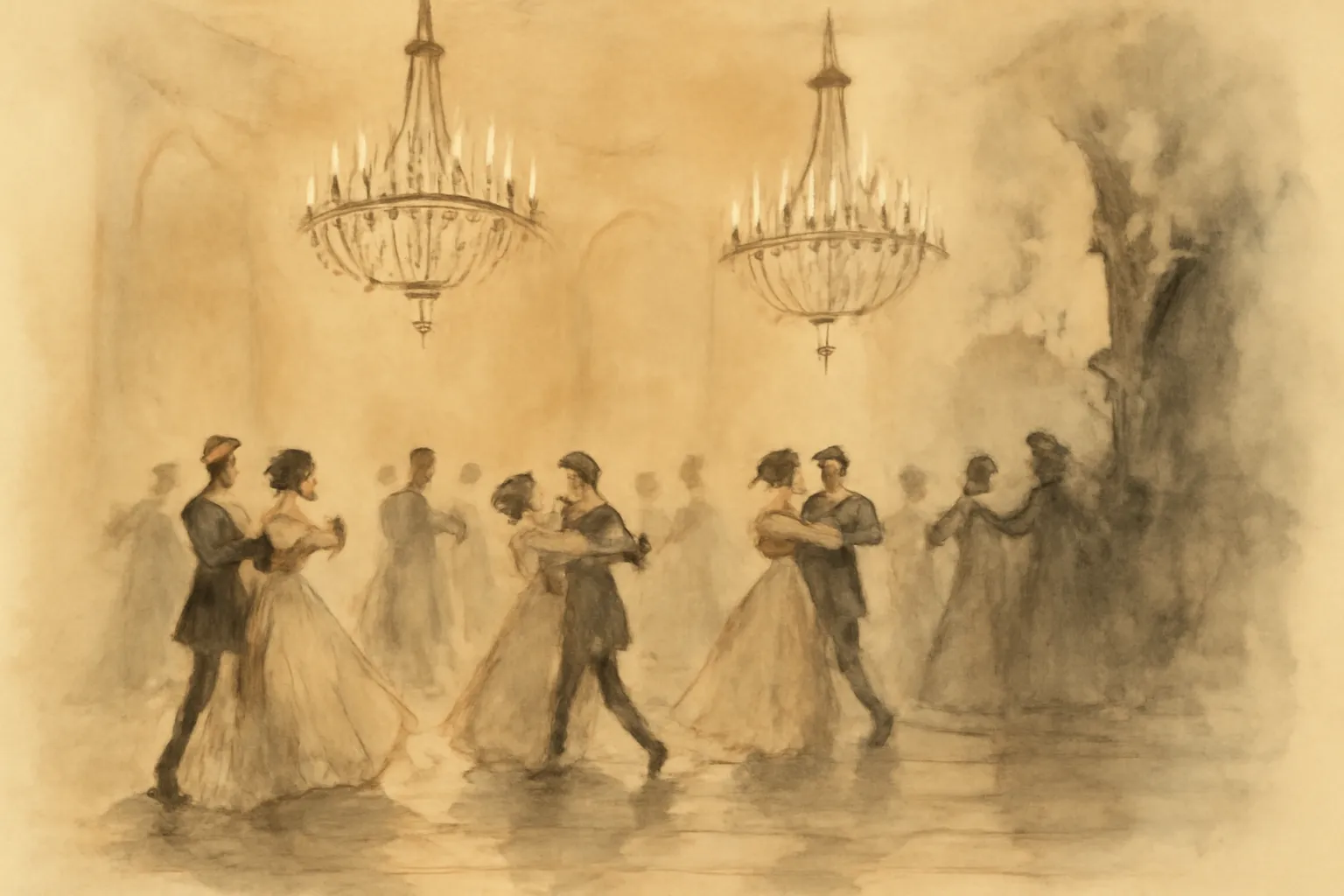
At the heart of 'The Beautiful and Damned' is the magnetic pull of wealth and the lifestyle it promises. Anthony Patch, born into a family of considerable means, embodies the aspirations of a generation eager to indulge in the luxuries of life. His grandfather, Adam J. Patch, amassed a fortune that grants Anthony a sense of entitlement and security, yet this wealth also becomes a double-edged sword. As Anthony grapples with feelings of inadequacy and the pressure to live up to familial expectations, the novel illustrates how affluence can breed both confidence and existential dread. The glittering parties, the fashionable crowds, and the pursuit of pleasure create a facade of happiness, yet beneath this surface lies a profound emptiness. Fitzgerald deftly critiques this obsession with wealth, suggesting that it often leads to moral decay and personal disillusionment.
2.The Fragility of Love
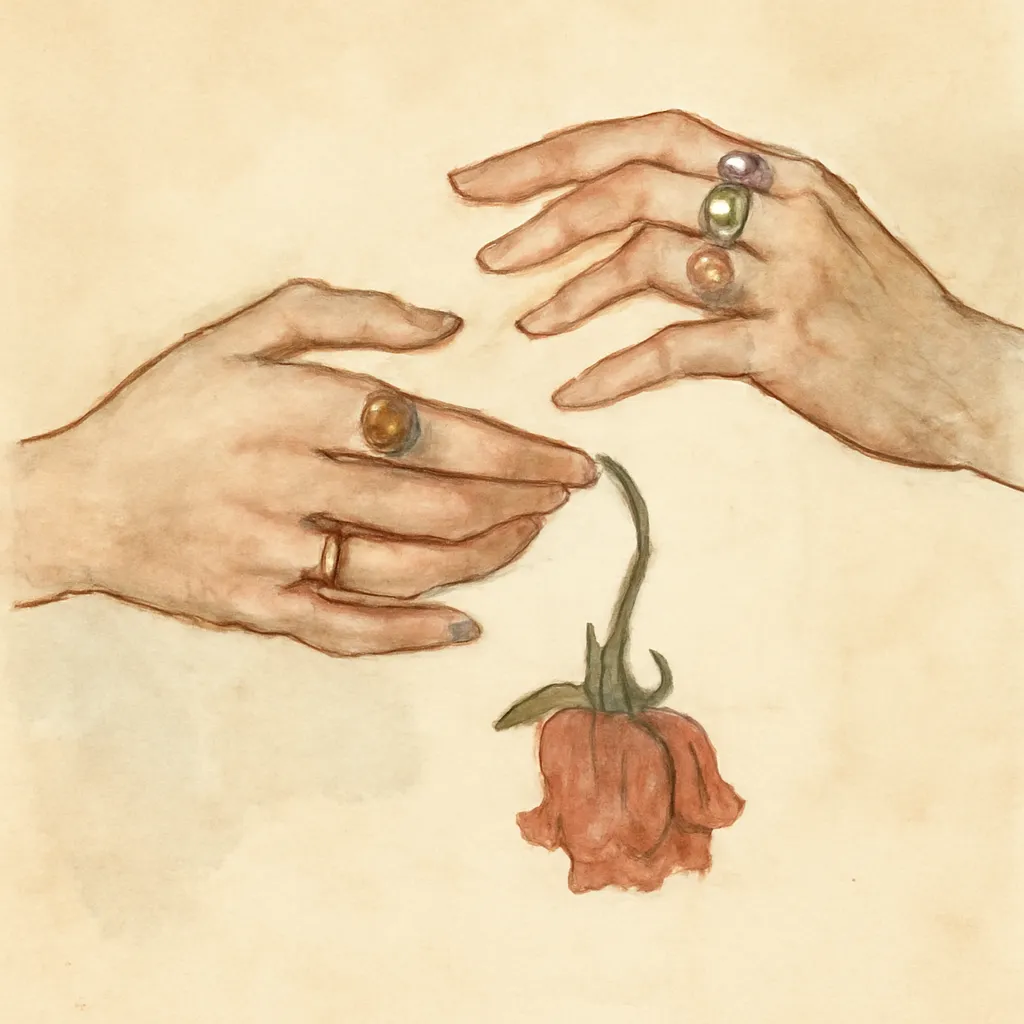
The relationship between Anthony and Gloria serves as a poignant exploration of love's complexities and vulnerabilities. Initially, their romance is painted in vibrant hues of passion and connection, as both characters revel in their shared dreams and aspirations. However, as their lives become increasingly entwined with societal expectations and the pursuit of status, the cracks in their relationship begin to surface. Gloria, who initially embodies youthful exuberance and charm, becomes increasingly disillusioned with the monotony of their lives. The novel captures the tension between their idealized love and the harsh realities they face, illustrating how ambition and self-interest can erode even the most fervent connections. As they navigate the pitfalls of fame and fortune, their love transforms from a vibrant flame into a flickering shadow, revealing the fragility of human relationships in the face of external pressures.
3.The Role of Irony in Self-Perception
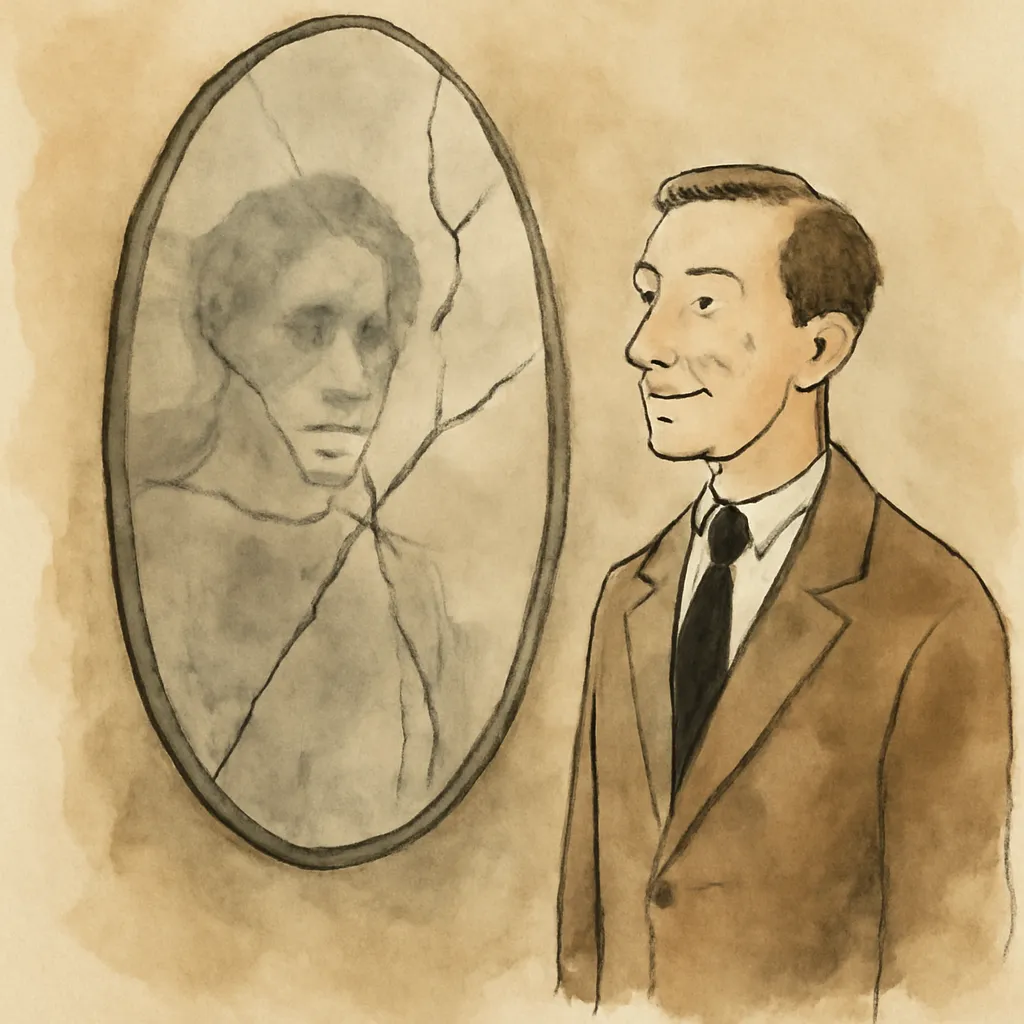
Irony plays a critical role in shaping Anthony Patch's self-perception and worldview. At the beginning of the novel, he grapples with a sense of identity that oscillates between self-assuredness and profound doubt. He frequently questions his own sanity and honor, caught in a web of societal expectations and personal aspirations. This irony manifests in his interactions with others, as he attempts to present himself as a sophisticated and significant figure, while internally wrestling with feelings of inadequacy. Fitzgerald uses this irony to highlight the disconnect between how individuals perceive themselves and how they are viewed by society. Anthony's journey reflects the broader human experience of navigating personal ambition while being ensnared by societal norms and values, ultimately leading to a tragic unraveling of his identity.
4.The Decay of the American Dream
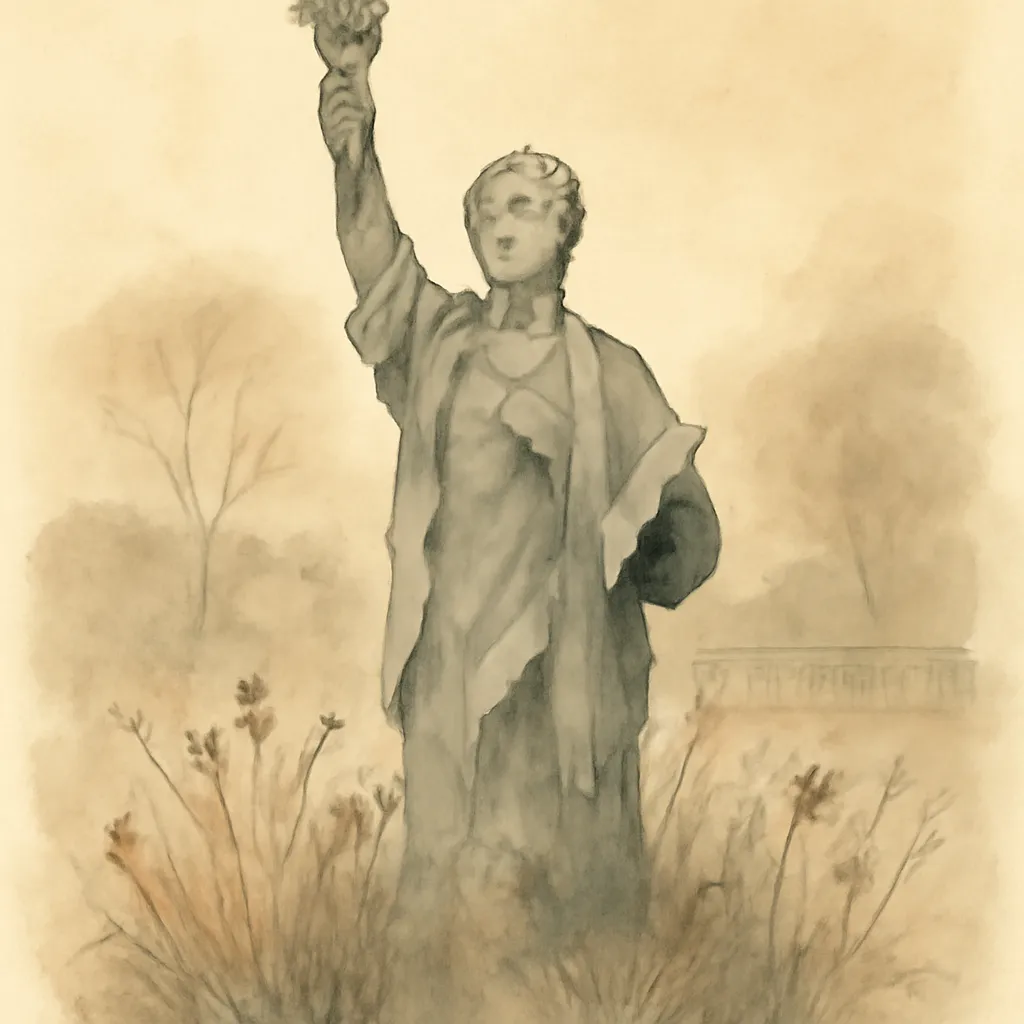
Fitzgerald's narrative serves as a critical lens on the American Dream, revealing its inherent flaws and disillusionment. As Anthony and Gloria ascend the social ladder, they become emblematic of a generation chasing an ideal that promises happiness and fulfillment but often delivers emptiness and despair. Their extravagant lifestyle, filled with parties and superficial relationships, reflects the hollowness that accompanies their pursuit of success. The novel suggests that the American Dream, while alluring, can lead to moral decay and existential crises. Anthony's eventual downfall serves as a cautionary tale, illustrating how the relentless pursuit of wealth and status can result in personal ruin. Fitzgerald captures the essence of a society in decline, where the glimmer of the American Dream fades into a haunting reminder of its unattainability.
5.The Influence of Social Class
The intricacies of social class play a significant role in shaping the characters' lives and aspirations in 'The Beautiful and Damned.' Through Anthony and Gloria's interactions with various social strata, Fitzgerald illustrates the rigid hierarchies that govern their world. Anthony's status as the grandson of a wealthy magnate affords him privileges, yet he remains acutely aware of the judgments and expectations that accompany his lineage. Gloria, on the other hand, grapples with her own insecurities, feeling the weight of societal standards that dictate beauty and success. Their experiences highlight the pervasive influence of class distinctions, revealing how these divisions impact personal relationships and self-worth. Fitzgerald's portrayal of social class underscores the characters' struggles for acceptance and validation, ultimately contributing to their tragic trajectories.
6.The Illusion of Happiness
Throughout 'The Beautiful and Damned,' Fitzgerald masterfully depicts the illusion of happiness that often accompanies wealth and status. Anthony and Gloria's lives are filled with opulence and social engagements, yet beneath this glamorous veneer lies a profound sense of dissatisfaction and longing. Their initial euphoria gradually gives way to a sense of entrapment, as they realize that material possessions and social recognition do not equate to genuine fulfillment. Fitzgerald poignantly captures this paradox, illustrating how the pursuit of pleasure can lead to a cycle of excess and disillusionment. The characters' struggles serve as a reminder that true happiness often eludes those who are consumed by the superficial allure of their surroundings, highlighting the emptiness that can accompany a life devoted to appearances.
7.The Impact of Time on Relationships
Time serves as a relentless force that shapes the trajectory of Anthony and Gloria's relationship, revealing the effects of aging and societal change. Initially, they revel in the vibrancy of youth and passion, but as the years pass, the pressures of life and the weight of their choices begin to erode their connection. Fitzgerald illustrates how the passage of time can transform love from a passionate flame into a mere ember, as the couple grapples with unfulfilled dreams and the realities of their existence. The loss of youthful idealism becomes palpable, as they confront the consequences of their actions and the inevitability of change. This exploration of time's impact on relationships underscores the fragility of human connections, emphasizing that love, like all things, is subject to the passage of time and the trials it brings.
8.The Struggle for Identity
The quest for identity is a central theme in 'The Beautiful and Damned,' as both Anthony and Gloria grapple with their sense of self amidst societal expectations. Anthony's struggle to define his purpose and worth leads him to question his own desires and aspirations. The pressure to live up to his family's legacy weighs heavily on him, creating an internal conflict that fuels his discontent. Gloria, too, faces challenges in establishing her identity, as she oscillates between the roles of devoted wife and independent individual. Fitzgerald deftly captures their individual journeys, highlighting the complexities of self-discovery in a world that often prioritizes external validation over personal fulfillment. Their experiences suggest that the search for identity is fraught with obstacles, yet it remains an essential part of the human experience.
9.The Role of Art and Creativity
Art and creativity serve as vital undercurrents in 'The Beautiful and Damned,' reflecting the characters' struggles and aspirations. Anthony's desire to write and create meaningful work is juxtaposed against the distractions of wealth and societal obligations. His creative pursuits often clash with the demands of his lifestyle, leading to a sense of frustration and inadequacy. Fitzgerald explores the tension between artistic ambition and the constraints of reality, illustrating how the pursuit of beauty and truth can be overshadowed by the superficiality of the world around them. Through Anthony's journey, the novel emphasizes the importance of creative expression as a means of understanding oneself and navigating the complexities of life. This exploration of art highlights the transformative power of creativity, suggesting that it can offer solace and clarity amidst the chaos of existence.