1.Genetics as a New Lens on Human History
Wade argues that the sequencing of the human genome has revolutionized our ability to reconstruct prehistory. Unlike traditional archaeology, which relies on artifacts and fossils, genetics can reveal migrations, population splits, and interbreeding events invisible to other disciplines. By analyzing genetic markers, scientists can estimate when groups diverged, track ancient migrations, and even infer aspects of early human behavior. This new genetic evidence often challenges or enriches established narratives, offering a more nuanced picture of our origins.
2.The Out-of-Africa Migration
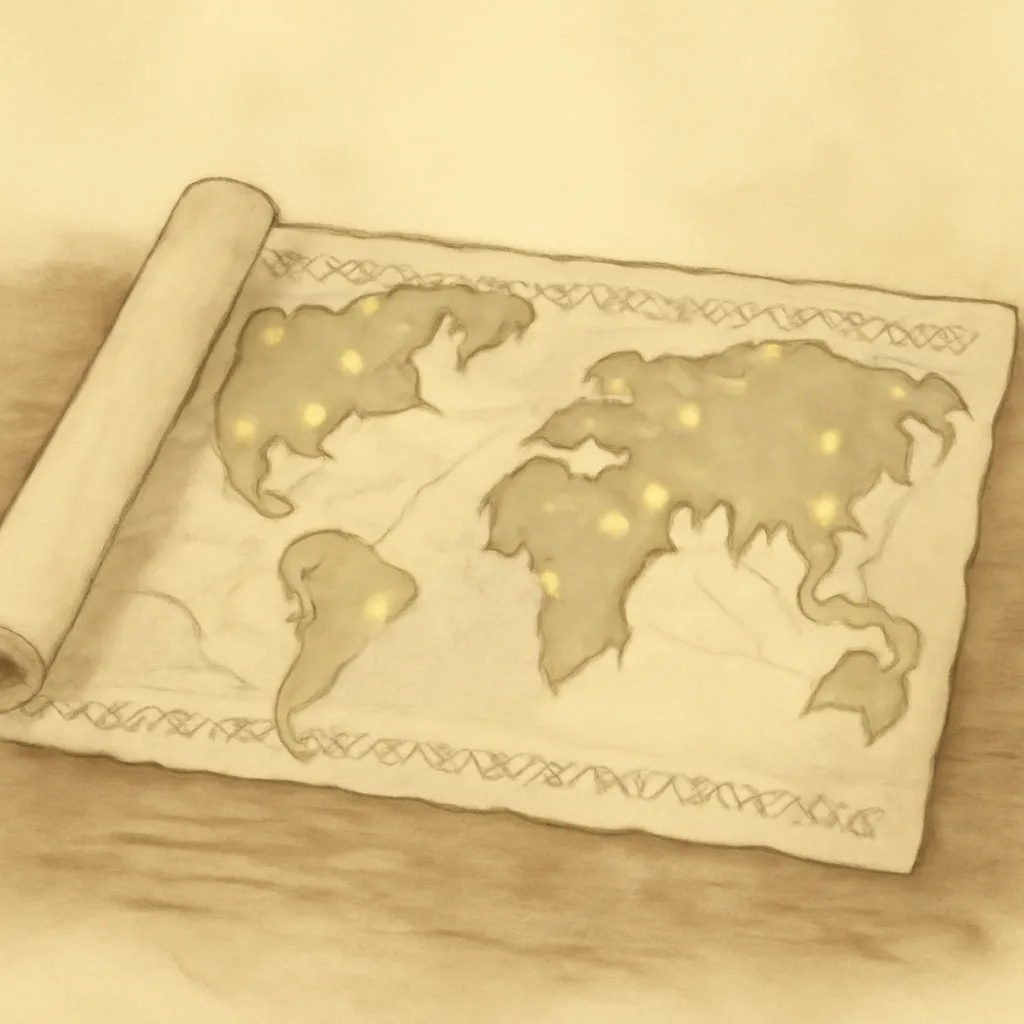
A central theme is the journey of modern humans out of Africa roughly 50,000 years ago. Wade details the genetic evidence supporting a single exodus, followed by the rapid spread of Homo sapiens across the globe. He discusses how genetic diversity decreases with distance from Africa, supporting the idea of a founder effect as small groups branched off and settled new lands. This migration shaped not only our physical traits but also the genetic basis for cultural and behavioral differences among populations.
3.Evolution of Human Behavior and Society
Wade explores how evolutionary pressures shaped not just our bodies but our minds and societies. He examines the genetic roots of language, cooperation, aggression, and social organization, suggesting that many aspects of human culture have deep evolutionary origins. The book discusses how natural selection may have favored traits like altruism, group loyalty, and even the capacity for violence, as these were advantageous in the small, competitive bands of early humans.
4.Interbreeding with Archaic Humans
Before the Dawn was among the early popular science books to discuss the evidence for interbreeding between modern humans and archaic relatives like Neanderthals. Wade reviews genetic findings suggesting that while modern humans largely replaced earlier hominins, some interbreeding did occur, leaving small but significant traces in our DNA. This challenges the view of a clean break between species and highlights the complexity of our evolutionary tree.
5.The Ongoing Evolution of Humans
Wade contends that human evolution did not stop in the distant past; instead, it continues to this day. He points to genetic adaptations such as lactose tolerance, disease resistance, and even possible differences in temperament or cognitive abilities among populations. The book argues that understanding ongoing evolution is crucial for making sense of modern human diversity and for dispelling myths about race and biology.
6.The Limits and Promise of Genetic History
While enthusiastic about the power of genetics, Wade also acknowledges its limitations. He cautions that genetic evidence must be interpreted carefully and in conjunction with archaeology and anthropology. The book warns against simplistic or deterministic readings of genetic data, emphasizing the complexity of human history and the interplay of genes, environment, and culture.