1.The Complexity of American History
American history is often oversimplified, yet it is marked by a tapestry of diverse ethnic groups and conflicting ideologies. Becker emphasizes that the various colonies—ranging from the Puritans of New England to the Catholics in Maryland—had distinct motivations and cultural backgrounds that led to tensions and conflicts. These groups struggled to merge into a unified nation, with deep-seated rivalries and differing visions for governance. The geographical diversity of the colonies further complicated this process; the rugged terrain of New England differed vastly from the fertile lands of the South. This complexity is crucial for understanding how a multitude of influences converged to create the United States, a nation that was anything but simple in its formation. The diverse motivations for migration, including the quest for economic opportunity, religious freedom, and political autonomy, reveal the multifaceted nature of American identity.
2.The Role of European Exploration
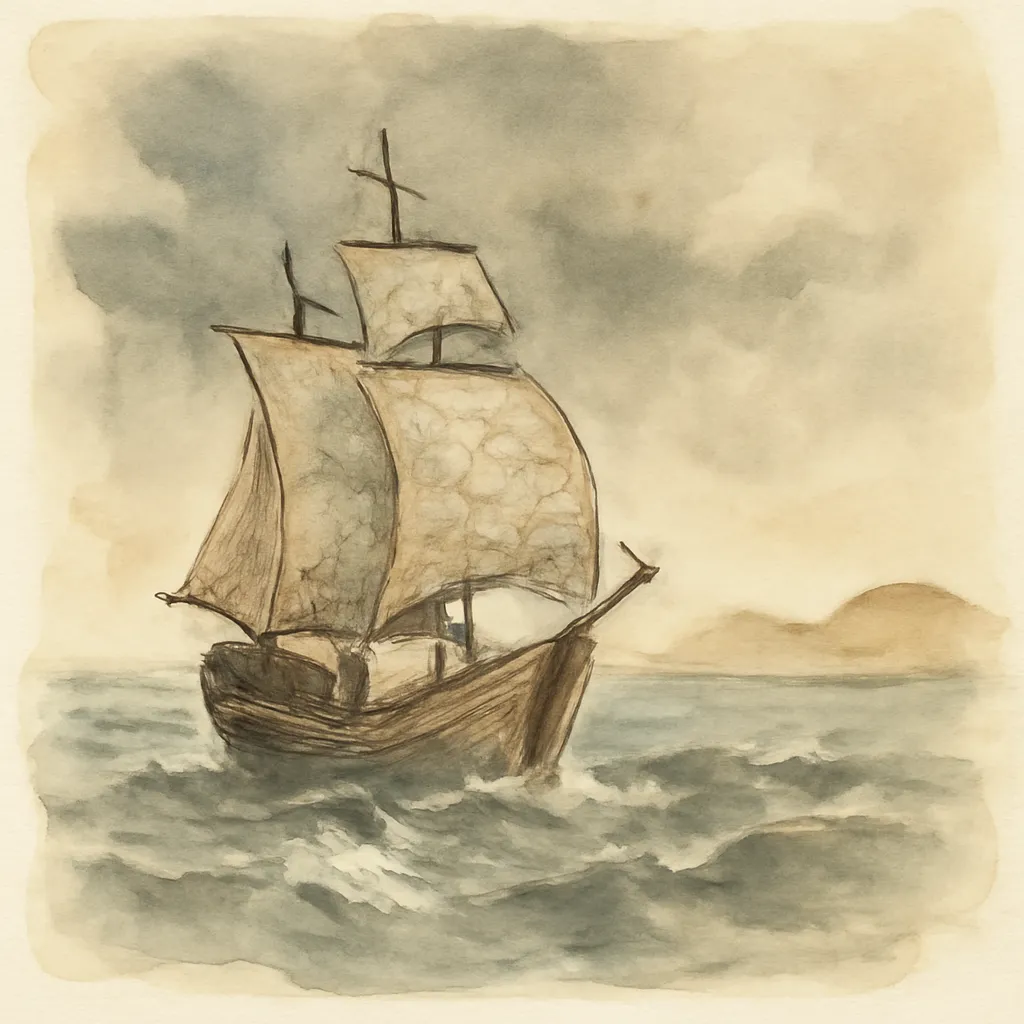
The discovery of the New World was fundamentally tied to Europe’s quest for trade routes to the East. Becker illustrates how the shifting dynamics of European power, particularly the desire for gold and spices, drove explorers like Columbus to seek new pathways. Columbus’s journey was not merely an exploration for a new land; it was a strategic move to establish trade that would enrich European nations. The initial perception of America as an obstacle in this quest gradually shifted as the continent revealed its own wealth in resources. This transition marked the beginning of America’s value as more than just a geographical barrier, highlighting the interconnectedness of global trade and exploration. The Spanish conquest of the Aztec and Inca empires, for instance, showcased the immense wealth that could be extracted from the New World, further fueling European interest and competition in the Americas. This interplay between exploration and exploitation underscores the complexity of early American history.
3.The Misunderstanding of American Value
Initially, the Americas were seen primarily as a barrier to the lucrative trade routes to Asia. It took decades for European powers to recognize the intrinsic value of the New World. Becker discusses how the early explorers’ ambitions were often thwarted by the harsh realities of the land and the indigenous peoples. The Spanish conquests in Central and South America revealed vast riches, yet North America remained elusive in its promise of wealth. It was only after significant exploration and failed expeditions that European nations began to appreciate the potential for colonization and the exploitation of natural resources. This gradual realization laid the groundwork for a more sustained and strategic approach to colonizing the continent. As European powers began to establish settlements, the focus shifted from merely traversing the land to developing it economically through agriculture, trade, and resource extraction.
4.The English Migration

The seventeenth century saw a significant influx of English settlers to America, driven by various motives including religious freedom and economic opportunity. Becker highlights that many of these settlers were not simply seeking wealth but rather a chance to build new lives away from the constraints of their homeland. The establishment of colonies like Virginia, Maryland, and Massachusetts Bay was not a straightforward process; it was fraught with challenges, including conflicts with indigenous populations and harsh living conditions. Yet, despite these obstacles, the colonies began to develop distinct political structures and social norms that reflected the settlers’ aspirations. For instance, in Massachusetts, the Puritans created a theocratic society that emphasized communal governance and religious conformity, while in Virginia, the economic focus on tobacco cultivation fostered a more individualistic and hierarchical society. The character of colonial life was shaped significantly by the settlers’ motivations, leading to a unique American identity that diverged from European traditions.
5.Colonial Life and Governance
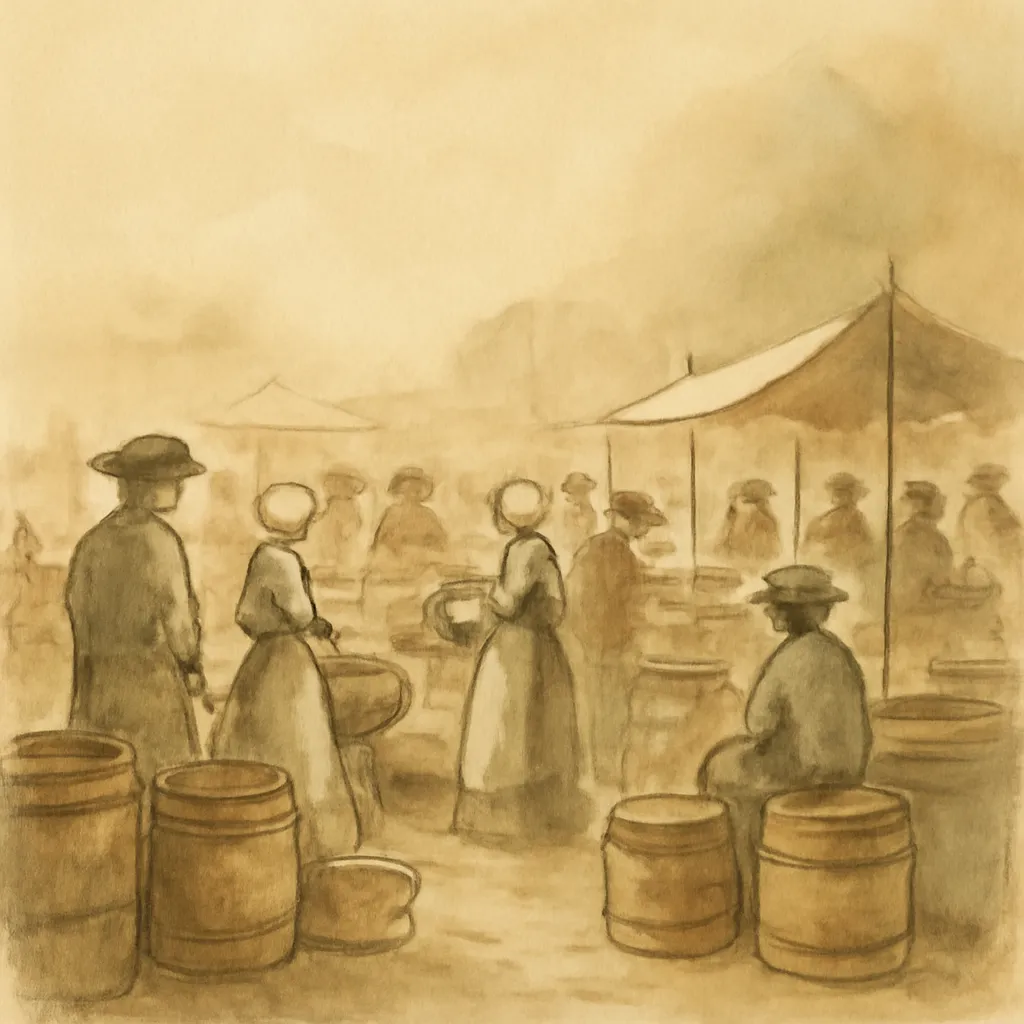
As the colonies matured, their political and social institutions began to take shape, often in ways that diverged from the expectations of European governments. Becker notes that the English colonies developed a sense of self-sufficiency and governance that was rooted in their experiences and challenges. The absence of a strong centralized authority allowed for local governance to flourish, leading to the establishment of representative assemblies and a growing sense of political agency among colonists. This development was not merely a reflection of political ideals but was also a response to the practical realities of life in the New World. The House of Burgesses in Virginia, for instance, became a model of colonial self-governance, demonstrating the colonists’ desire for a say in their own affairs. As the colonies grew, so did their confidence in their ability to self-govern, setting the stage for later demands for independence. The institutions they created were distinct from European models, reflecting a uniquely American approach to governance.
6.Economic Growth and Interconnectedness
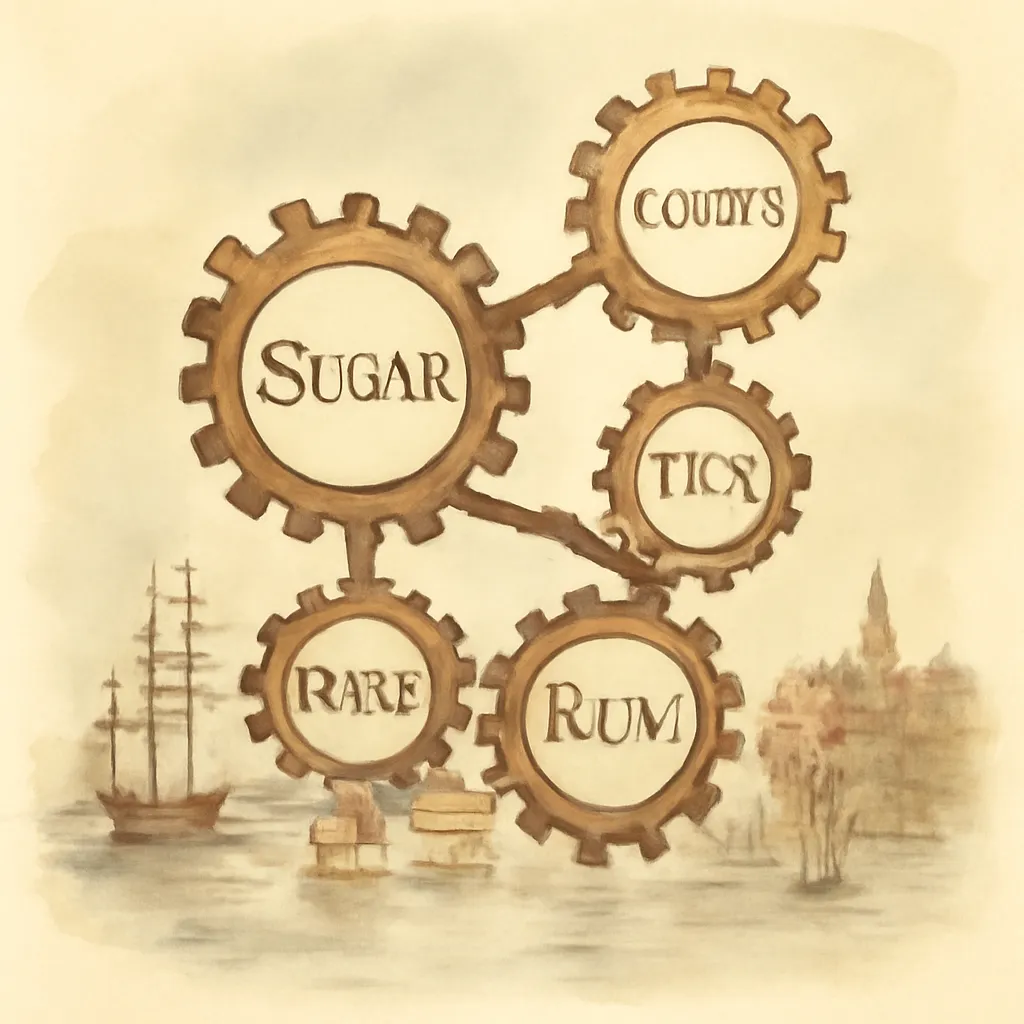
Becker emphasizes the remarkable economic growth of the colonies during the eighteenth century, which transformed them from isolated settlements into interconnected communities. By the time of the Stamp Act, colonies were no longer struggling for survival but were vibrant centers of trade and commerce. The population boom—growing from about 200,000 in 1689 to 1. 5 million by 1760—was accompanied by increasing wealth and economic interdependence. Colonies began to rely on one another for resources and trade, fostering a sense of common identity. The triangular trade, which involved the exchange of goods between Europe, Africa, and the Americas, epitomized this interconnectedness and economic complexity. The thriving port cities of New England, such as Boston and Newport, became hubs of commerce, while Southern colonies relied on plantation agriculture, creating a diverse economic landscape that linked the colonies together. This interconnectedness was crucial in shaping the collective mindset of the colonists, who began to see themselves as part of a larger whole rather than isolated entities.
7.The Rise of a Unique American Identity

As the colonies developed economically and politically, a distinct American identity began to emerge, characterized by a sense of independence and self-reliance. Becker explores how the colonial experience fostered a spirit of innovation and resilience among the settlers. The challenges of life in the New World, from conflicts with Native Americans to the harsh environment, cultivated a mindset that valued freedom and individual rights. This burgeoning identity was also shaped by a rejection of European aristocratic norms, as colonists sought to create a society based on merit rather than lineage. The prevalence of print culture, including newspapers and pamphlets, allowed for the circulation of revolutionary ideas and a shared sense of purpose. The Great Awakening, a religious revival movement, further contributed to this emerging identity by promoting individual piety and questioning traditional authority, setting the stage for a more democratic ethos. The result was a population increasingly confident in its unique identity, setting the stage for the revolutionary ideals that would later take hold.
8.The Path to Independence

The road to American independence was paved with a growing discontent towards British authority, rooted in differing ideals of governance and justice. Becker highlights that by the time of the American Revolution, many colonists felt a strong sense of entitlement to their rights as Englishmen, believing that their contributions to the empire warranted greater autonomy. The sentiment that America was free even before it secured independence reflects a deep-seated belief in their right to self-governance. This ideological shift was not merely a reaction to specific grievances, such as taxation, but rather a culmination of evolving perceptions of freedom, rights, and identity. The colonies’ resistance to British policies, epitomized by events like the Boston Tea Party, showcased their commitment to self-determination. This growing unrest revealed a profound shift in the colonists’ relationship with Britain, marking the emergence of a collective American identity that would ultimately drive them to seek independence.
9.The Ideals of the Revolution
The American Revolution was driven by ideals that transcended mere political disagreements; it embodied a vision of liberty and justice that resonated deeply with the colonists. Becker articulates that the revolutionaries were motivated by a belief in a new social contract, one that emphasized voluntary allegiance and the moral imperative of self-governance. The clash with British authority was not simply about taxation but rather about the fundamental rights of individuals. As colonists articulated their grievances, they framed their struggle as one for universal rights that went beyond their specific circumstances. This broad vision of liberty became a rallying cry, uniting diverse groups under a shared aspiration for freedom. The Declaration of Independence, with its powerful assertion of the right to life, liberty, and the pursuit of happiness, encapsulated these ideals and set forth a revolutionary framework that would inspire future generations.
10.The Legacy of the American Experience
The early experiences of the American people laid the foundation for the nation that would emerge in the following centuries. Becker concludes that the diverse origins, conflicts, and aspirations of the settlers contributed to a unique national character that valued independence and self-determination. The struggles faced by the colonies during their formative years not only shaped their political structures but also influenced their cultural and social dynamics. This legacy continues to resonate in contemporary America, where themes of diversity, resilience, and the quest for justice remain central. The tensions between various groups, the debates over rights and governance, and the commitment to a collective identity have all continued to evolve. Understanding these beginnings is crucial for grasping the complexities of modern American identity and the ongoing challenges of unity in diversity. As the nation moves forward, reflecting on its complex origins will be vital in navigating its future.