1.Behavior as a Layered Process
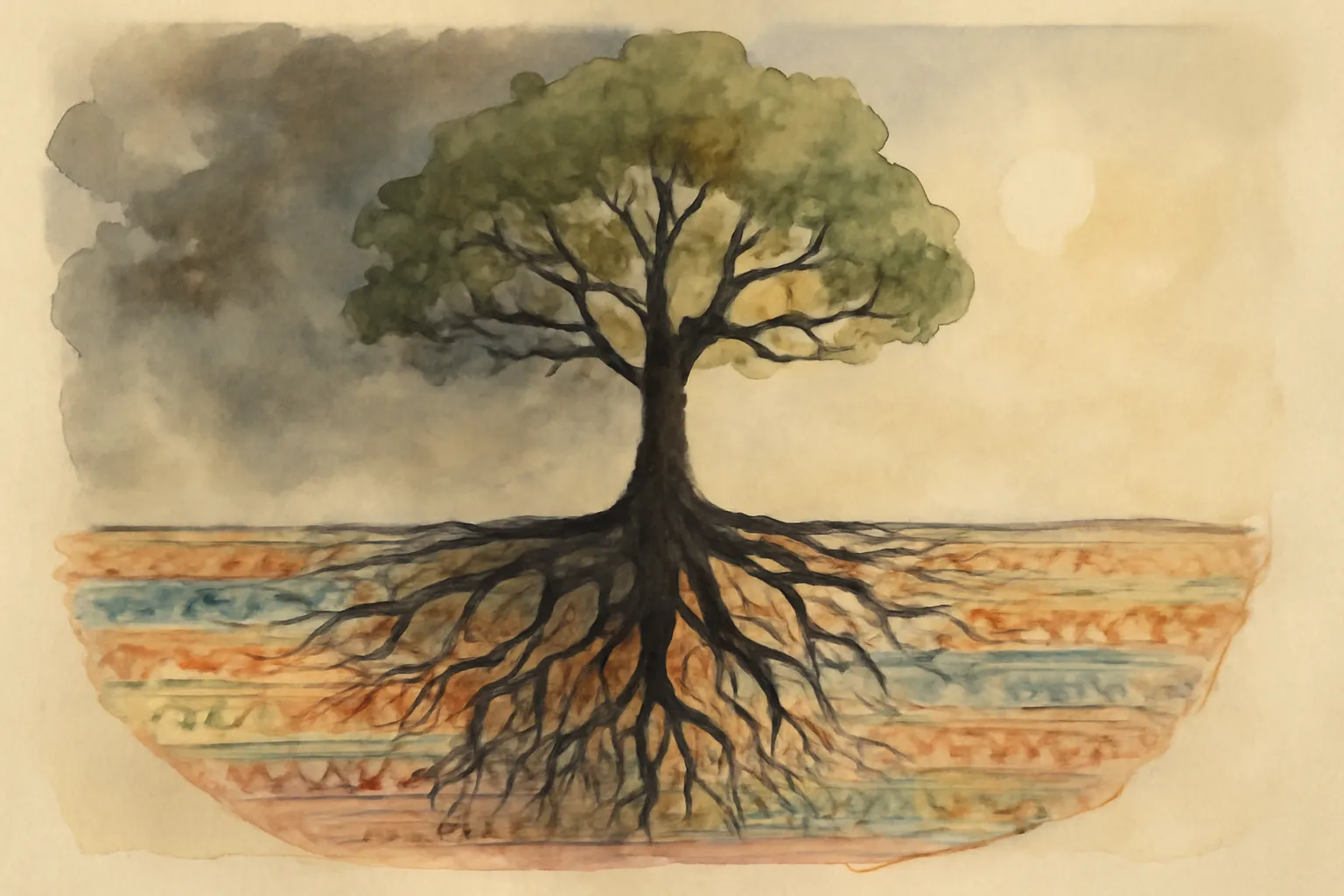
Sapolsky’s central insight is that human behavior is never the result of a single cause. Instead, it emerges from a complex interplay of factors, ranging from what happens in the brain milliseconds before an action, to influences from hormones, childhood experiences, cultural context, and even evolutionary pressures from millennia ago. By unpacking these layers, Sapolsky shows that understanding behavior requires looking at both the immediate triggers and the deep historical context that shape our responses.
2.The Brain’s Split-Second Decisions
The book begins at the smallest timescale: what occurs in the brain just before we act. Sapolsky explains how neural circuits, especially in regions like the prefrontal cortex and amygdala, weigh impulses, emotions, and social cues to produce behavior. These split-second processes can mean the difference between empathy and aggression, showing how even our most moral or immoral acts have biological roots.
3.Hormones and the Body’s Preparation
Sapolsky details how hormones such as testosterone, cortisol, and oxytocin prime us for certain behaviors hours or days in advance. These chemical messengers don’t dictate our actions, but they do alter how sensitive we are to triggers and how likely we are to act on impulse or restraint. This hormonal context helps explain why the same person may react differently to similar situations at different times.
4.The Power of Environment and Culture
Beyond biology, Sapolsky emphasizes the profound influence of environment, upbringing, and culture. Social norms, early childhood experiences, and group identities shape our values, biases, and even the way our brains are wired. Culture can encourage altruism or cruelty, and understanding this helps explain the vast differences in human behavior across societies.
5.Evolutionary Roots and Moral Complexity
The book ultimately situates human behavior in the context of evolution. Many of our instincts—tribalism, empathy, aggression—have deep evolutionary origins that once served survival. Yet, Sapolsky argues, these same instincts can lead to both heroic self-sacrifice and horrific violence. Recognizing this duality is crucial for grappling with the moral complexity of being human.
6.The Limits of Blame and the Possibility of Change
Sapolsky challenges simplistic notions of blame and free will, arguing that understanding the biological and social roots of behavior should foster empathy rather than judgment. While he doesn’t excuse wrongdoing, he suggests that a nuanced view of causality can inform more compassionate and effective approaches to justice and social policy.