

Neurophysiology · Neurobiology · Animal behavior
Behave: The Biology of Humans at Our Best and Worst by Robert Sapolsky — Summary, Key Ideas & Quotes
2017795 pages✦ 3-min Big ideas★ 3.9 (30)
Rate it
Why do we do the things we do? Over a decade in the making, this game-changing book is Robert Sapolsky's genre-shattering attempt to answer that question as fully as perhaps only he could, looking at it from every angle. Sapolsky's storytelling concept is delightful but it also has a powerful intrinsic logic: he starts by looking at the factors that bear on a person's reaction in the precise moment a behavior occurs, and then hops back in time from there, in stages, ultimately ending up at the deep history of our species and its genetic inheritance. And so the first category of explanation is the neurobiological one. What goes on in a person's brain a second before the behavior happens? Then he pulls out to a slightly larger field of vision, a little earlier in time: What sight, sound, or smell triggers the nervous system to produce that behavior? And then, what hormones act hours to days earlier to change how responsive that individual is to the stimuli which trigger the nervous system? By now, he has increased our field of vision so that we are thinking about neurobiology and the sensory world of our environment and endocrinology in trying to explain what happened. Sapolsky keeps going--next to what features of the environment affected that person's brain, and then back to the childhood of the individual, and then to their genetic makeup. Finally, he expands the view to encompass factors larger than that one individual. How culture has shaped that individual's group, what ecological factors helped shape that culture, and on and on, back to evolutionary factors thousands and even millions of years old. The result is one of the most dazzling tours de horizon of the science of human behavior ever attempted, a majestic synthesis that harvests cutting-edge research across a range of disciplines to provide a subtle and nuanced perspective on why we ultimately do the things we do...for good and for ill. Sapolsky builds on this understanding to wrestle with some of our deepest and thorniest questions relating to tribalism and xenophobia, hierarchy and competition, morality and free will, and war and peace. Wise, humane, often very funny, Behave is a towering achievement, powerfully humanizing, and downright heroic in its own right. Source: Publisher
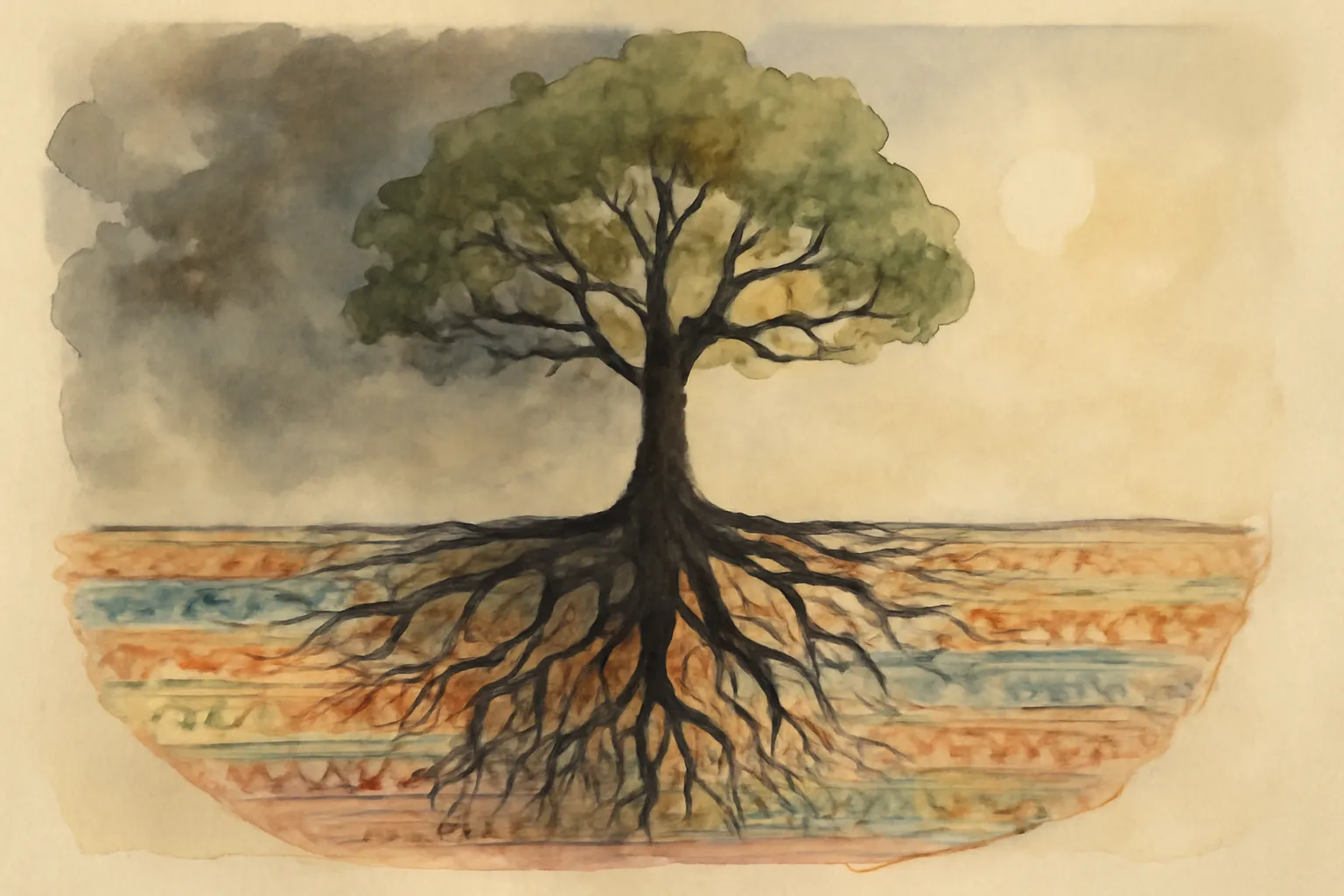
Sapolsky’s central insight is that human behavior is never the result of a single cause. Instead, it emerges from a complex interplay of factors, ranging from what happens in the brain milliseconds before an action, to influences from hormones, childhood experiences, cultural context, and even evolutionary pressures from millennia ago. By unpacking these layers, Sapolsky shows that understanding behavior requires looking at both the immediate triggers and the deep historical context that shape our responses.
The book begins at the smallest timescale: what occurs in the brain just before we act. Sapolsky explains how neural circuits, especially in regions like the prefrontal cortex and amygdala, weigh impulses, emotions, and social cues to produce behavior. These split-second processes can mean the difference between empathy and aggression, showing how even our most moral or immoral acts have biological roots.
“You don’t have to choose between being scientific and being compassionate.”
