1.The Early Years: Foundations of a Polymath

Benjamin Franklin's early life was marked by a rich tapestry of experiences that shaped his character. Born into a family of English descent in Boston, Franklin was the youngest son of Josiah Franklin, a blacksmith. His upbringing was steeped in the traditions of Protestantism and a strong work ethic. Franklin's insatiable curiosity led him to self-educate, reading extensively and honing his writing skills. His early experiences as an apprentice to his brother James, a printer, ignited his passion for the written word and public discourse. This foundational period laid the groundwork for Franklin's later achievements as a writer, inventor, and statesman, underscoring the importance of intellectual curiosity and resilience in shaping one's destiny. He developed a love for reading that transcended the limited educational resources available to him, often borrowing books from others and teaching himself through practical experience. His ability to critically analyze and express complex ideas would serve him well in his later endeavors, both in literature and politics.
2.A Citizen of Philadelphia: Engagement in Public Affairs
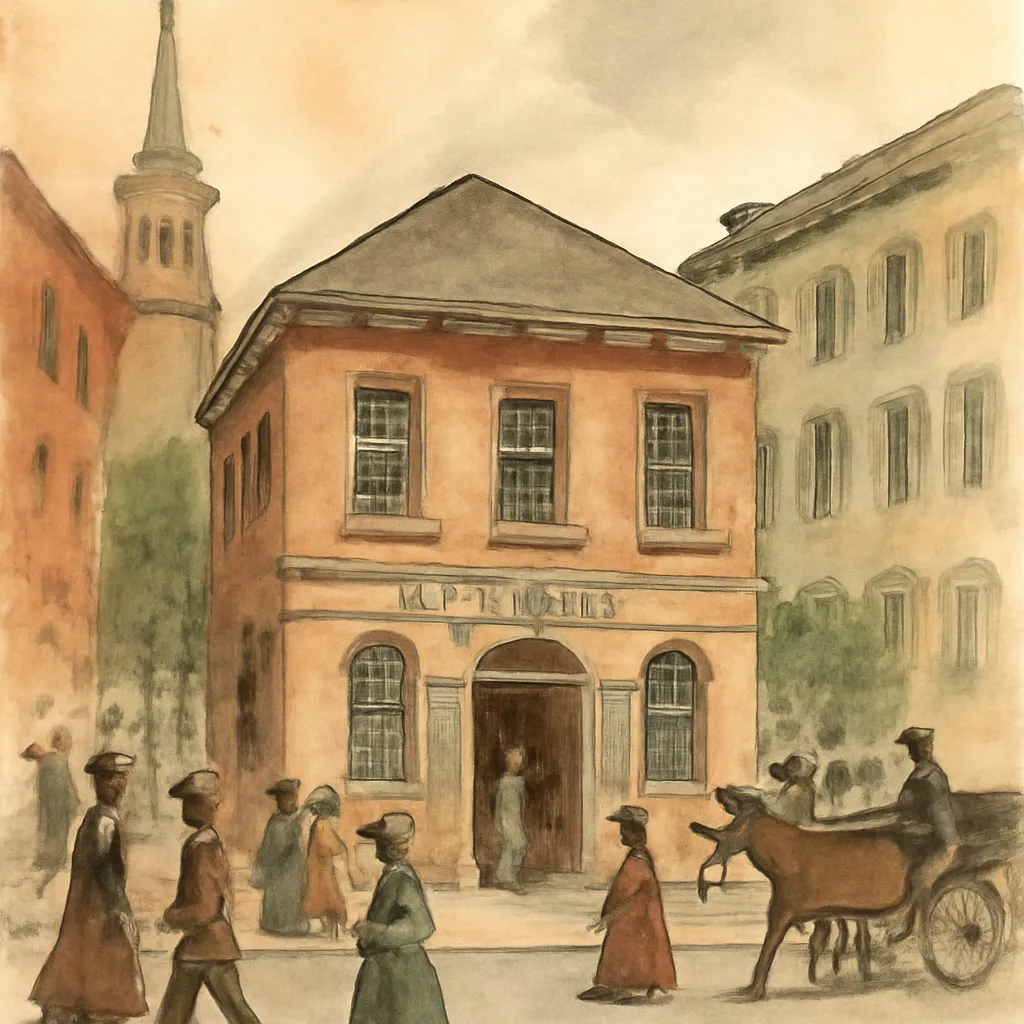
Franklin's move to Philadelphia marked a significant turning point in his life. He quickly became an influential figure in the city, engaging in various public affairs and civic activities. His involvement in the establishment of the first public library and the American Philosophical Society showcased his commitment to education and knowledge dissemination. Franklin's ability to connect with people from different walks of life, including fellow artisans and affluent merchants, enabled him to build a wide network of influence. He organized the Junto, a club for mutual improvement, where he and his peers would discuss moral, political, and philosophical issues, further reflecting his dedication to civic engagement. His early attempts at public service, including his work in the postal system, highlighted his dedication to improving the community. Franklin's experiences in Philadelphia exemplified how civic engagement can lead to broader societal change, demonstrating the power of individual initiative in shaping public life. His writings during this period, particularly in the Pennsylvania Gazette, also illustrated his belief in the importance of free expression and public discourse as tools for fostering a more informed citizenry.
3.Scientific Pursuits: The Enlightenment Thinker

Franklin's scientific endeavors were a testament to his innovative spirit and intellectual prowess. His famous kite experiment, which demonstrated the electrical nature of lightning, positioned him as a leading figure in the scientific community. Franklin's contributions to the understanding of electricity, including the invention of the lightning rod, showcased his ability to blend scientific inquiry with practical application. His writings on the subject garnered international acclaim, leading to recognition from European scientists. Franklin's work in science was not merely academic; it was deeply intertwined with his desire to improve society. By making science accessible and relevant, he embodied the Enlightenment ideals of reason and progress, influencing generations to come. Franklin's ability to communicate complex scientific principles in relatable terms made his ideas widely accepted. His experiments and publications also fostered a culture of inquiry in America, encouraging others to explore the natural world and expand the boundaries of human knowledge.
4.Diplomacy in Action: Representing Pennsylvania in England
Franklin's diplomatic missions to England were critical in shaping colonial relations with the British government. His first mission, undertaken to address grievances over taxation and governance, showcased his adeptness at navigating complex political landscapes. Franklin's persuasive abilities and keen understanding of political dynamics allowed him to advocate effectively for Pennsylvania's interests. However, he faced challenges, including skepticism from both British officials and his fellow colonists. His experiences in England revealed the growing tensions between the colonies and the Crown, foreshadowing the impending conflict. Franklin's adeptness in negotiations often put him at odds with other colonial leaders who held differing views on the relationship with Britain. His departure from the notion of blind loyalty to the Crown reflected a broader sentiment among colonists questioning their rights and autonomy. Franklin's diplomatic efforts exemplified the delicate balance between loyalty to one's home and the pursuit of justice, highlighting the complexities of colonial identity.
5.The Hutchinson Letters: A Turning Point
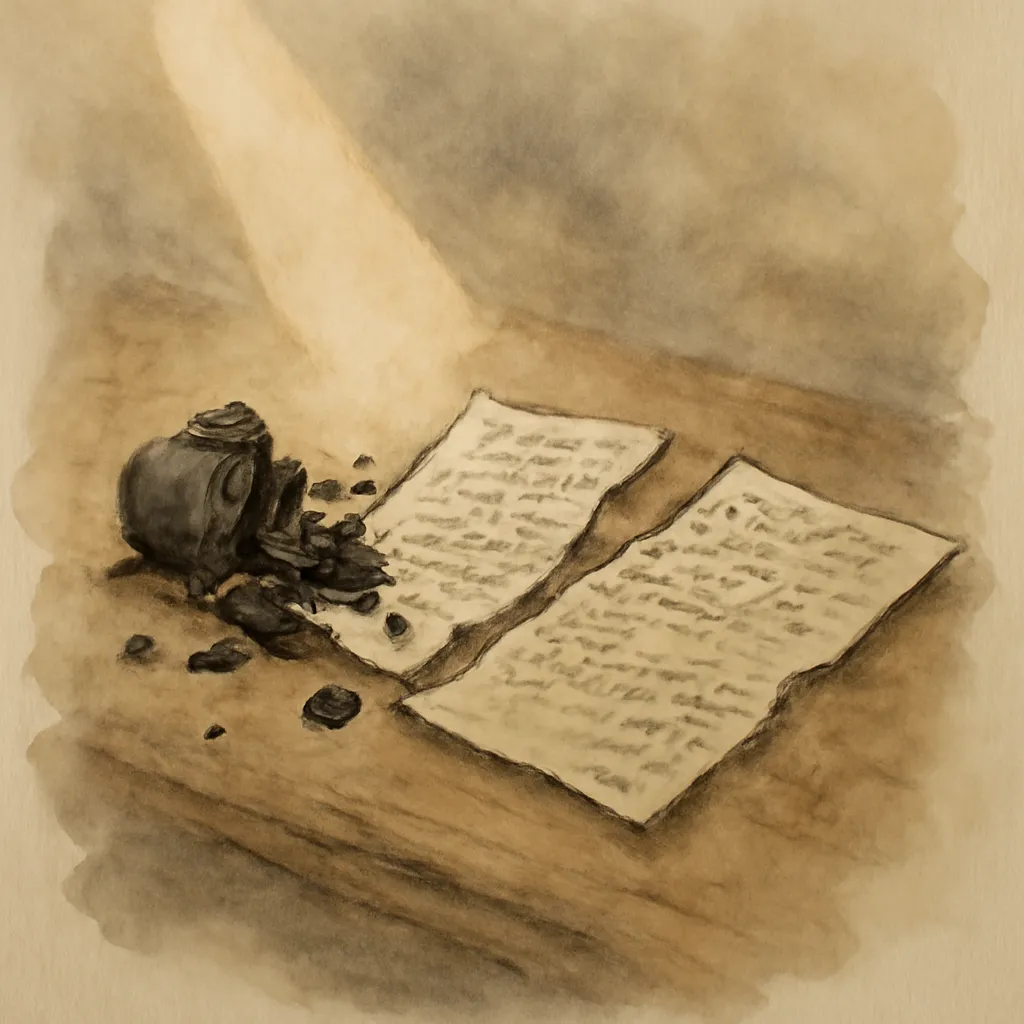
The incident involving the Hutchinson letters marked a pivotal moment in Franklin's political career and the relationship between the colonies and Britain. These letters, revealing the British government's harsh policies towards the colonies, were shared with Franklin by an English acquaintance. When Franklin forwarded the letters to Massachusetts, hoping to quell tension, they were leaked to the public, igniting outrage among colonists. This incident underscored the deepening rift between Britain and its American subjects, as Franklin found himself caught in the crossfire of political intrigue. The fallout from the Hutchinson letters solidified Franklin's role as a key player in the revolutionary movement, illustrating how information can be both a tool for diplomacy and a catalyst for conflict. The public's reaction to the letters, which painted British officials as traitors to their own countrymen, galvanized support for independence and showcased Franklin's unintended yet significant influence on public sentiment. This episode ultimately marked the transformation of Franklin from a loyal colonial agent to a staunch advocate for American rights.
6.A Revolutionary Leader: Homecoming Amidst Turmoil
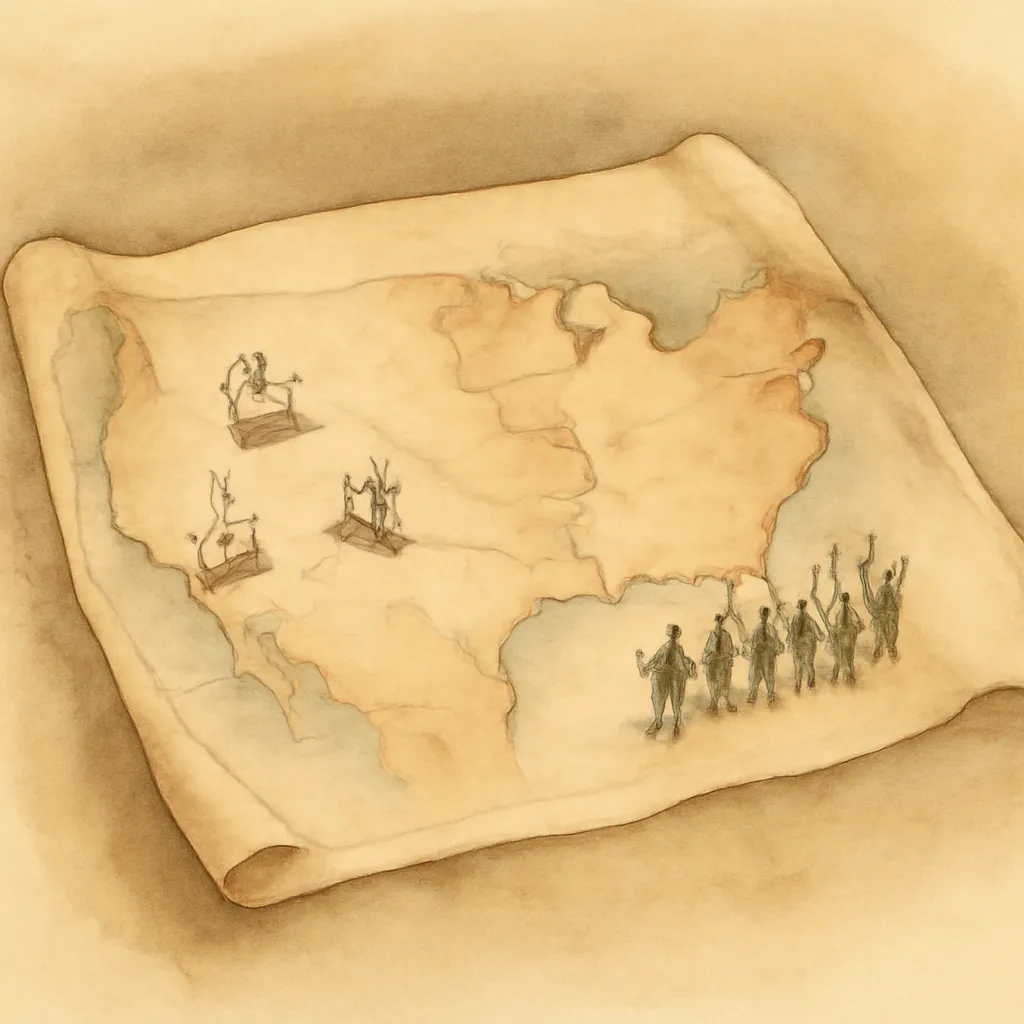
Upon returning to America, Franklin faced the stark reality of a nation on the brink of revolution. The battles of Lexington and Concord had already set the stage for conflict, and Franklin's insights into the situation were both prescient and urgent. He recognized the significance of these events, realizing they signaled a shift from colonial grievances to open warfare. As a respected elder statesman, Franklin took on the mantle of leadership, leveraging his experience and networks to rally support for the revolutionary cause. His ability to articulate the aspirations of the colonies while maintaining a vision for unity was crucial in galvanizing public sentiment. Franklin's return home highlighted the challenges of leadership in times of crisis and the importance of balancing personal convictions with the collective needs of a nation. His participation in the Continental Congress further solidified his role as a leader, where he tirelessly advocated for the colonies and worked to forge alliances that would prove essential in the fight for independence.
7.Minister to France: A Diplomatic Powerhouse
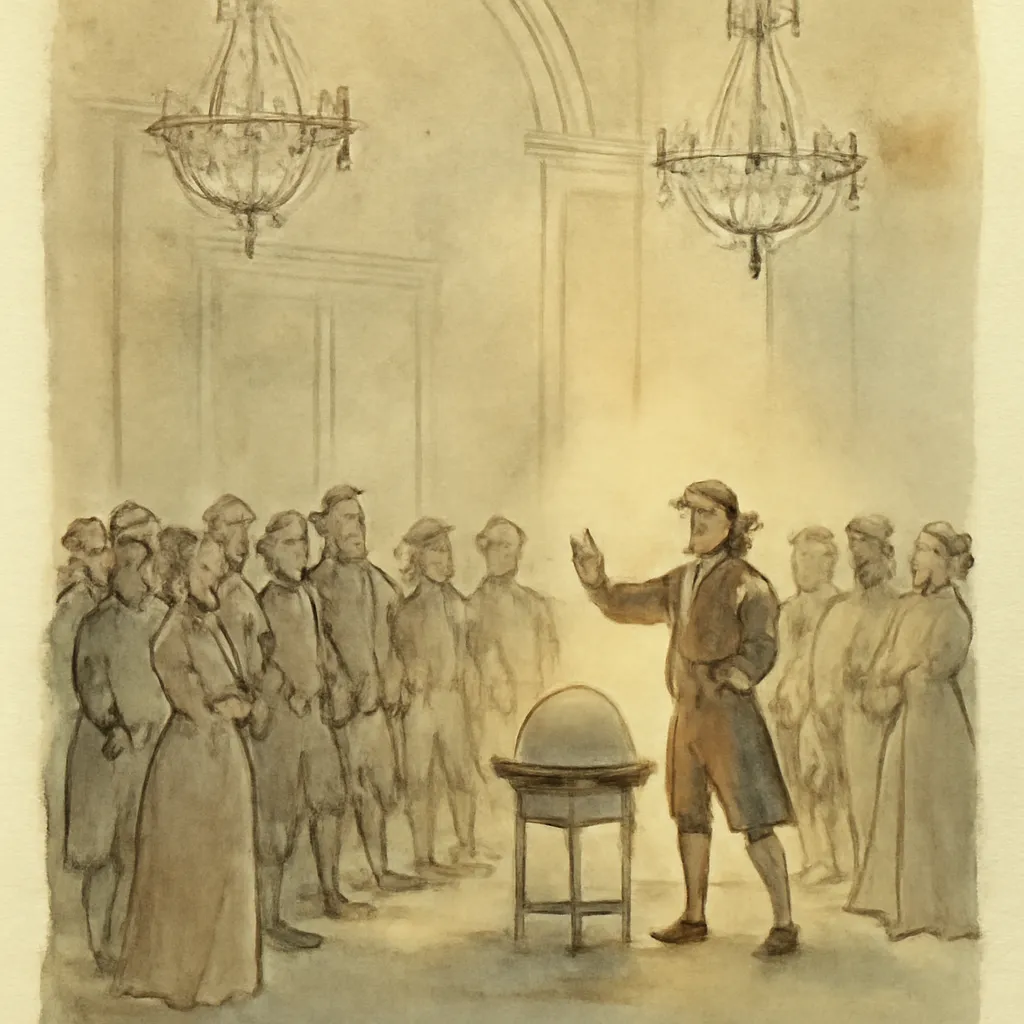
Franklin's appointment as the American minister to France marked a significant chapter in his life and in the American Revolution. His charm, wit, and reputation as a scientist endeared him to the French court, allowing him to forge crucial alliances. Franklin's diplomatic efforts were instrumental in securing French support for the American cause, which proved vital in the war against Britain. He navigated the complexities of French politics with finesse, often using his understanding of human nature to win over influential figures. His success in France exemplified the power of diplomacy and the importance of building relationships across cultural divides. Franklin's approach to diplomacy was characterized by his ability to blend informal social interactions with formal negotiations, creating a rapport that facilitated cooperation. His efforts not only secured essential military and financial support for the revolution but also helped to establish a long-lasting friendship between the United States and France, positioning America as a new player on the global stage.
8.Financing the Revolution: The Challenges of a New Nation

The financial struggles faced by the American Revolutionaries were daunting, and Franklin played a pivotal role in addressing these challenges. The lack of a formal treasury and a stable currency forced Congress to rely on innovative, albeit risky, methods to fund the war. Franklin's experience in finance and commerce proved invaluable as he sought loans and support from European allies. His ability to communicate the urgency of the American plight helped secure necessary funding, but the reliance on loans also highlighted the precarious nature of the new nation's financial stability. Franklin's efforts in financing the revolution underscored the importance of economic considerations in political movements, illustrating how financial resources can determine the fate of nations. He advocated for the establishment of a national bank and a robust financial system to support the burgeoning government, demonstrating his foresight in understanding the role of sound fiscal policy in sustaining a new republic.
9.The Constitutional Convention: A Legacy of Compromise
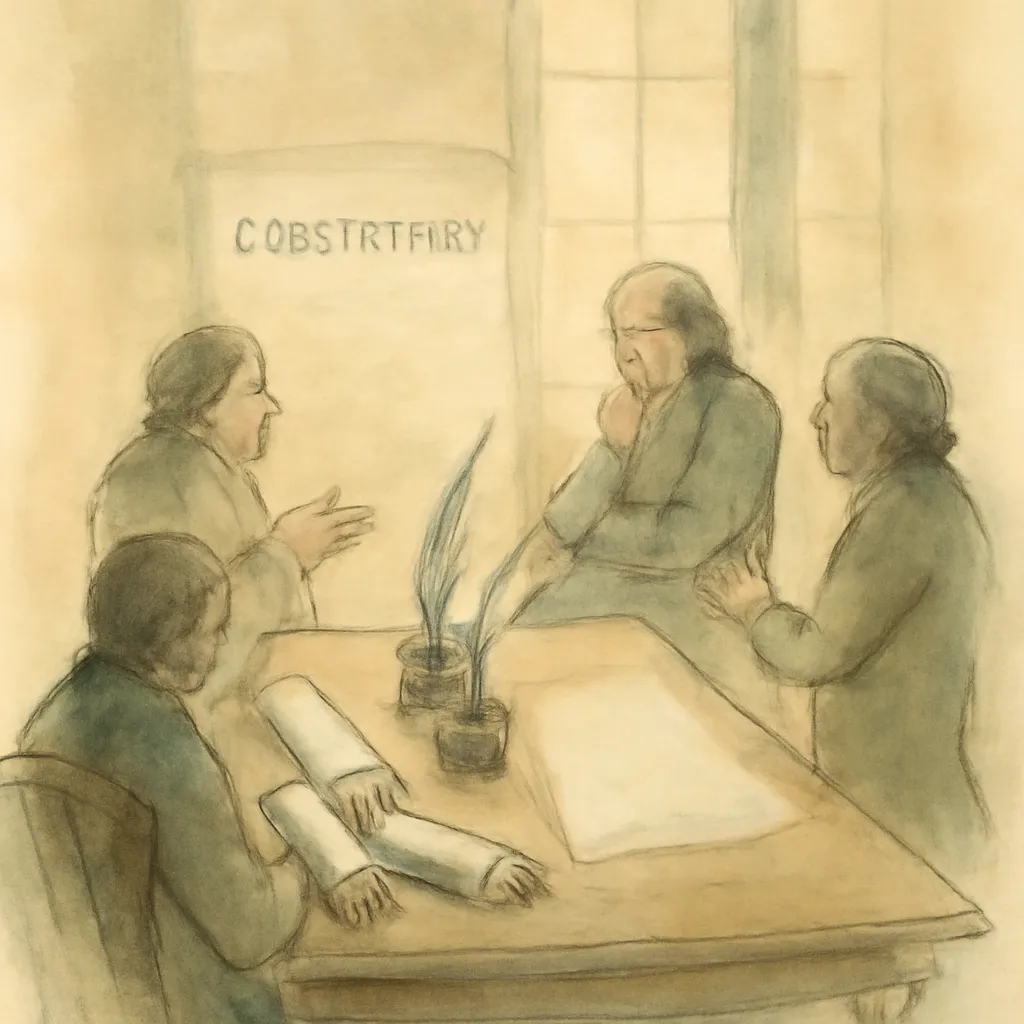
After the revolution, Franklin played a crucial role in the Constitutional Convention, where the framework for the United States government was debated and established. His experience and wisdom were critical in fostering compromise among the delegates, many of whom had differing visions for the new nation. Franklin's advocacy for a balanced government that incorporated elements of both democracy and republicanism reflected his deep understanding of political philosophy. His contributions helped shape the Constitution, emphasizing the need for a strong yet flexible government. Franklin's role in the convention exemplified the challenges of nation-building and the importance of collaboration in achieving a common goal. His call for unity among the states and his emphasis on the need for a government that could adapt to changing circumstances set a precedent for future governance. By championing compromise, Franklin ensured that the Constitution would be a living document capable of addressing the evolving needs of the nation.
10.Reflections on Life: The Wisdom of Age

In his later years, Franklin's reflections on life and governance revealed a man deeply committed to the ideals of liberty, equality, and civic responsibility. As president of Pennsylvania, he continued to advocate for social reform, including the abolition of slavery and the promotion of public education. His writings during this period reflected a blend of pragmatism and idealism, as he grappled with the realities of a nation still finding its footing. Franklin's commitment to public service and his belief in the potential for progress underscored the enduring relevance of his ideas. His legacy serves as a reminder of the power of individual agency in shaping history and the importance of remaining engaged in civic life, even in the twilight of one's years. Through his later work, Franklin illustrated that wisdom and experience can guide the pursuit of justice and equity, encouraging future generations to continue the fight for a more perfect union.