1.The Magic of a Happy Childhood

Bert Lloyd's early life is marked by a series of fortunate circumstances that paint his childhood as a magical experience. Born in Halifax, a city teeming with opportunities for adventure and exploration, Bert enjoys the benefits of being an only child, a loving family, and a comfortable home. His parents, particularly his mother, play a significant role in nurturing his spirited personality while trying to instill discipline. The contrast between Bert's wild, energetic nature and his mother's gentle guidance reflects the broader theme of balancing freedom and responsibility in childhood. This dynamic illustrates how a supportive environment can foster a child's imagination and resilience, allowing them to thrive amidst the chaos of growing up. The author skillfully portrays the joys of Bert's early years, capturing the essence of what it means to be a child—full of wonder, mischief, and a thirst for adventure. These formative experiences shape Bert's character and provide the foundation for the lessons he learns throughout the story.
2.The Allure of Adventure in Halifax

Halifax serves as more than just a backdrop; it is integral to Bert's adventures and experiences. The city, with its bustling harbor and military presence, offers countless opportunities for exploration. The vivid descriptions of the city's forts, parks, and the surrounding seascape ignite a sense of adventure in Bert, who imagines himself as a soldier or a sailor. This setting not only shapes Bert's childhood fantasies but also highlights the historical significance of Halifax as a military and naval hub during the time. The author skillfully evokes the sights and sounds of the city, allowing readers to feel the pulse of life in a 19th-century seaport. Moreover, the unique culture of Halifax, with its blend of maritime activity and societal structures, adds depth to Bert's character development. The excitement of witnessing warships, sailors, and the vibrant street life contributes to Bert's dynamic imagination and desire for adventure, emphasizing the importance of environment in shaping a child's aspirations.
3.Family Dynamics and Relationships

The relationships within Bert's family are central to the narrative, showcasing the warmth and complexities of familial love. Bert’s father, Mr. Lloyd, is depicted as a figure of authority and respect, while his mother embodies nurturing and patience. Their interactions reflect a loving household where Bert feels secure yet challenged to learn and grow. The bond between Bert and his elder sister, Mary, is also significant; her affection and guidance provide a comforting presence in his life. This family dynamic emphasizes the importance of support systems in childhood development, demonstrating how love and understanding can help navigate the trials of growing up. The portrayal of Bert’s grandparents, especially his grandmother, adds another layer of warmth, showing how extended family influences a child's upbringing. The narrative illustrates how familial ties can serve as both a shield and a compass, guiding children through their formative years while instilling values that shape their identities. Through various interactions, the reader gains insight into the loving yet challenging environment that forms the basis of Bert’s character.
4.The Journey to the Countryside
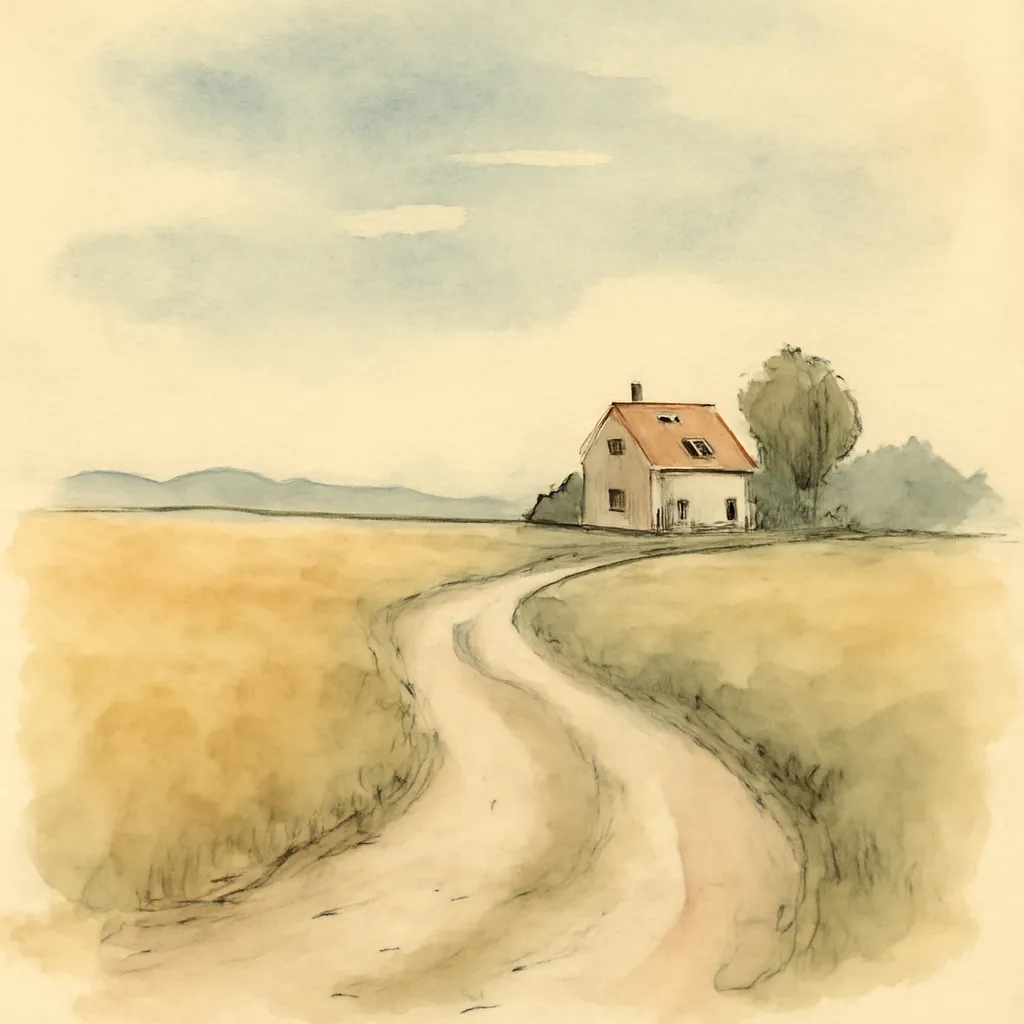
Bert's trip to his grandfather's homestead marks a pivotal moment in his journey of self-discovery. The invitation from his grandfather introduces Bert to the joys and challenges of rural life, contrasting his urban upbringing. As he arrives at Maplebank, the excitement of reconnecting with nature and experiencing farm life unfolds. The vivid descriptions of the countryside and its inhabitants, including the animals and the labor of haying, immerse readers in the pastoral beauty of Nova Scotia. This visit not only broadens Bert's horizons but also instills a sense of responsibility and appreciation for hard work. The transition to the countryside symbolizes a rite of passage, where Bert learns valuable lessons about life, labor, and the rhythms of nature. Through the sights and sounds of the farm, readers can feel Bert’s transformation as he navigates the complexities of rural life, discovering not just the beauty of nature but also the reality of diligence and effort that sustains it.
5.Experiencing the Joys and Trials of Farm Life
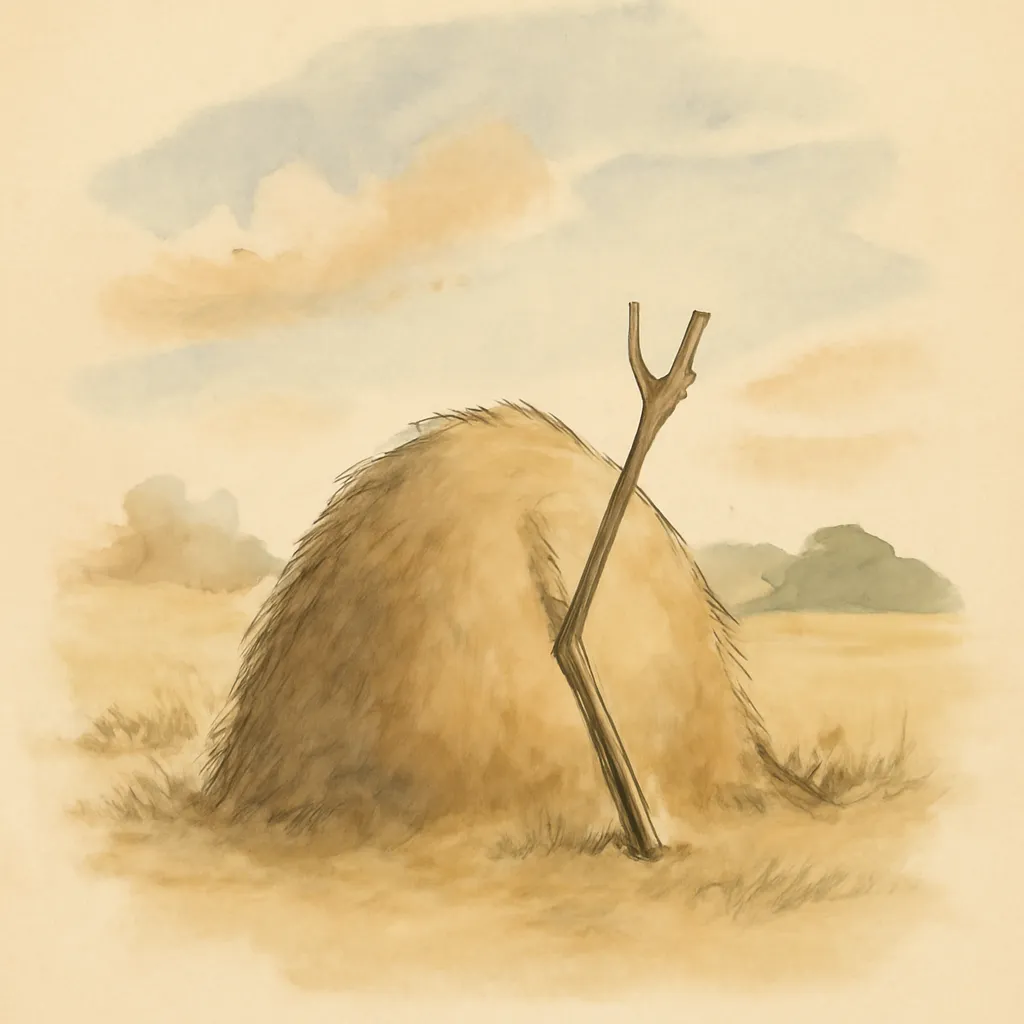
At Maplebank, Bert encounters the joys and trials of farm life, providing him with a deeper understanding of nature and community. His attempts to help with the haying process reveal both his eagerness and naivety, leading to humorous mishaps that highlight the learning curve of childhood. The interactions with farmhands and his uncles introduce Bert to the values of hard work, cooperation, and respect for nature. These experiences are formative, teaching him resilience as he navigates the challenges of farm chores. The depiction of these labor-intensive tasks is not just about work; it's about building character and learning the importance of contributing to the family and community. Through these interactions, Bert grapples with the realities of agricultural life, fostering a sense of accomplishment and belonging. The author captures the essence of farm life, illustrating how it shapes Bert's understanding of his own abilities and the interconnectedness of individuals within a community.
6.The Contrast of Sunday Expectations

Sundays at Maplebank starkly contrast with the joyous Sundays Bert experienced in Halifax, showcasing the strictness of his grandfather's Presbyterian beliefs. The somber atmosphere of the Lord's Day is a source of discomfort for Bert, who longs for the playful interactions and family time he enjoyed back home. This cultural shift highlights the generational differences in parenting and religious practices, emphasizing how expectations can shape a child's perception of faith and family. Bert's struggle to adapt to this rigid environment offers insights into the challenges of conformity and the longing for freedom in a child's heart. The narrative effectively illustrates how varying family traditions can impact a child's emotional landscape, creating a rich tapestry of experiences that contribute to their growth. Bert’s internal conflict between his spirited nature and the solemn expectations of Sundays emphasizes the complexities of childhood as he learns to navigate the nuances of family values and personal beliefs.
7.The Influence of Friendship

Friendship emerges as a vital theme in Bert's life, influencing his decisions and shaping his character. The camaraderie he shares with friends like Frank Bowser highlights the joys of childhood companionship, but also the complexities of peer pressure and moral choices. As Bert navigates school life, the dynamics of friendship introduce both support and challenges, particularly when he faces temptations and the consequences of 'meeching'—a term for skipping school. His friendship with Frank tests his values and integrity, illustrating the nuanced nature of childhood relationships. The author captures these moments with authenticity, showcasing how friendships can inspire growth but also lead to difficult choices, ultimately shaping Bert's understanding of loyalty and responsibility. The emotional depth of these friendships allows readers to reflect on their own experiences, underlining the impact that peers can have on a child's development and ethical framework.
8.The Importance of Education

Bert's experiences at school reflect the varying approaches to education in his time, particularly at Mr. Garrison's school, where the lack of structure leads to chaos and missed learning opportunities. The narrative critiques the educational system, emphasizing the need for a more organized approach that fosters genuine learning rather than mere recitation. Bert's transition to Dr. Johnston's school represents a turning point, where he encounters a more rigorous environment that challenges him academically and personally. The contrasting educational experiences underscore the importance of a supportive and structured learning environment, where students can thrive and develop their potential. This theme resonates with readers, reminding them of the lasting impact of education on a child's development and future. The narrative poses critical questions about the purpose of education, encouraging readers to consider the significance of nurturing curiosity and critical thinking alongside traditional academic achievement.
9.Facing Bullying and Adversity
Bert's encounters with bullying, particularly from Rod Graham, introduce a poignant exploration of resilience and the struggle for self-assertion among children. The narrative captures the emotional turmoil Bert experiences as he navigates his relationships with peers, highlighting the psychological impacts of being targeted. His journey through these challenges teaches him valuable lessons about standing up for himself and the importance of friendship in overcoming adversity. The climactic moment when Bert finally confronts Rod signifies a pivotal growth in his character, marking his transition from victim to empowered individual. This theme of overcoming bullying resonates deeply, portraying the universal struggle many children face in asserting themselves and finding their place within social hierarchies. The author addresses the complexities of conflict resolution, emphasizing the need for courage and support from friends in the face of intimidation.
10.Rites of Passage and Growth

Bert's journey is ultimately one of growth and self-discovery, reflecting the rites of passage that define childhood. Each experience, from his adventures in Halifax to the lessons learned at Maplebank, contributes to his development into a responsible young man. The narrative encapsulates the essence of childhood—filled with joy, mischief, and the inevitable challenges that foster growth. As Bert confronts various trials, from familial expectations to the complexities of friendship and education, he emerges with a stronger sense of identity and purpose. The author masterfully weaves these themes together, creating a rich tapestry that illustrates the beauty and complexity of growing up. Bert's story is not just a personal journey; it is a universal exploration of the transition from innocence to maturity, resonating with readers of all ages. The conclusion of his journey serves as a reminder that growth, while often difficult, is an essential part of the human experience.