1.The Innocence of Youth
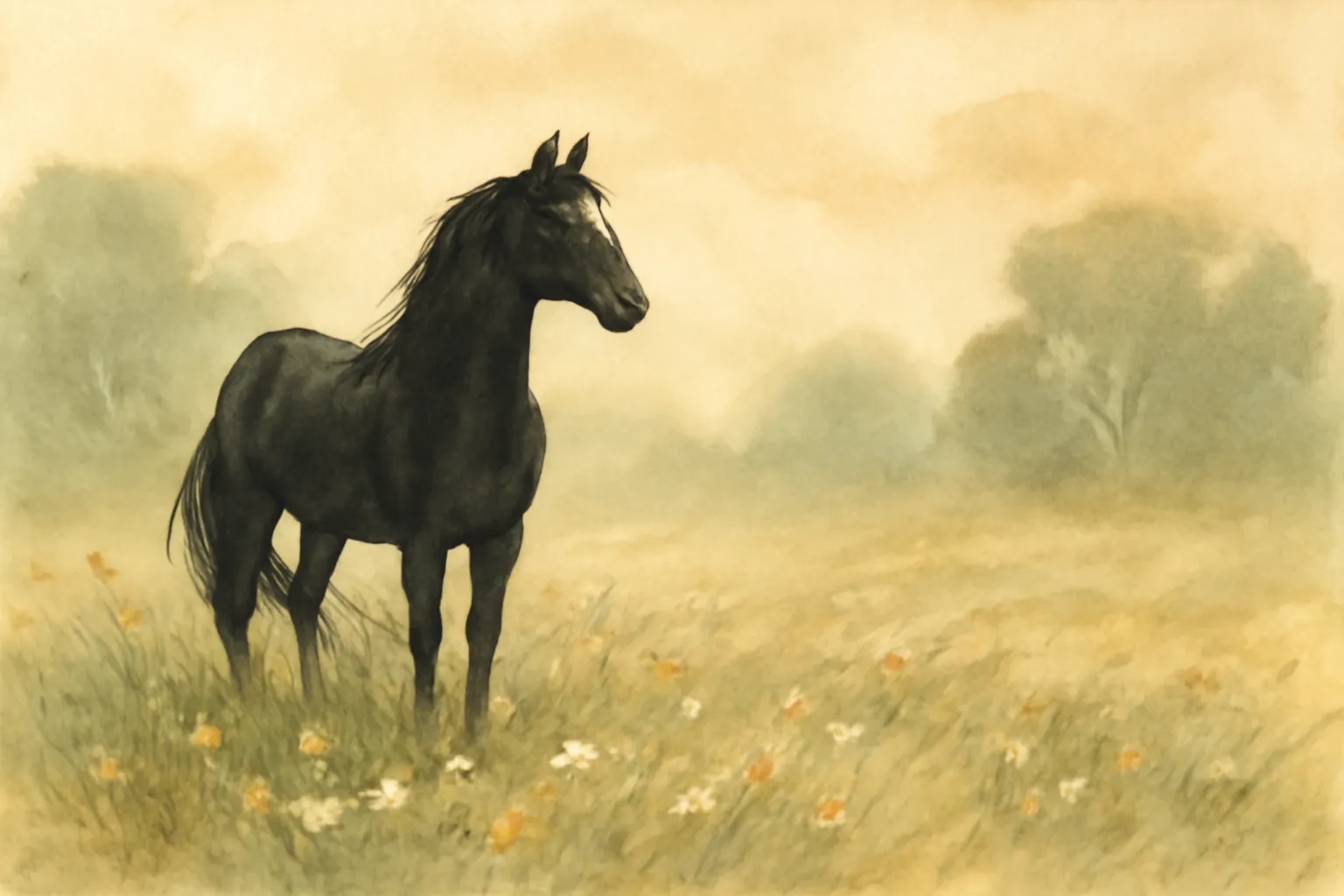
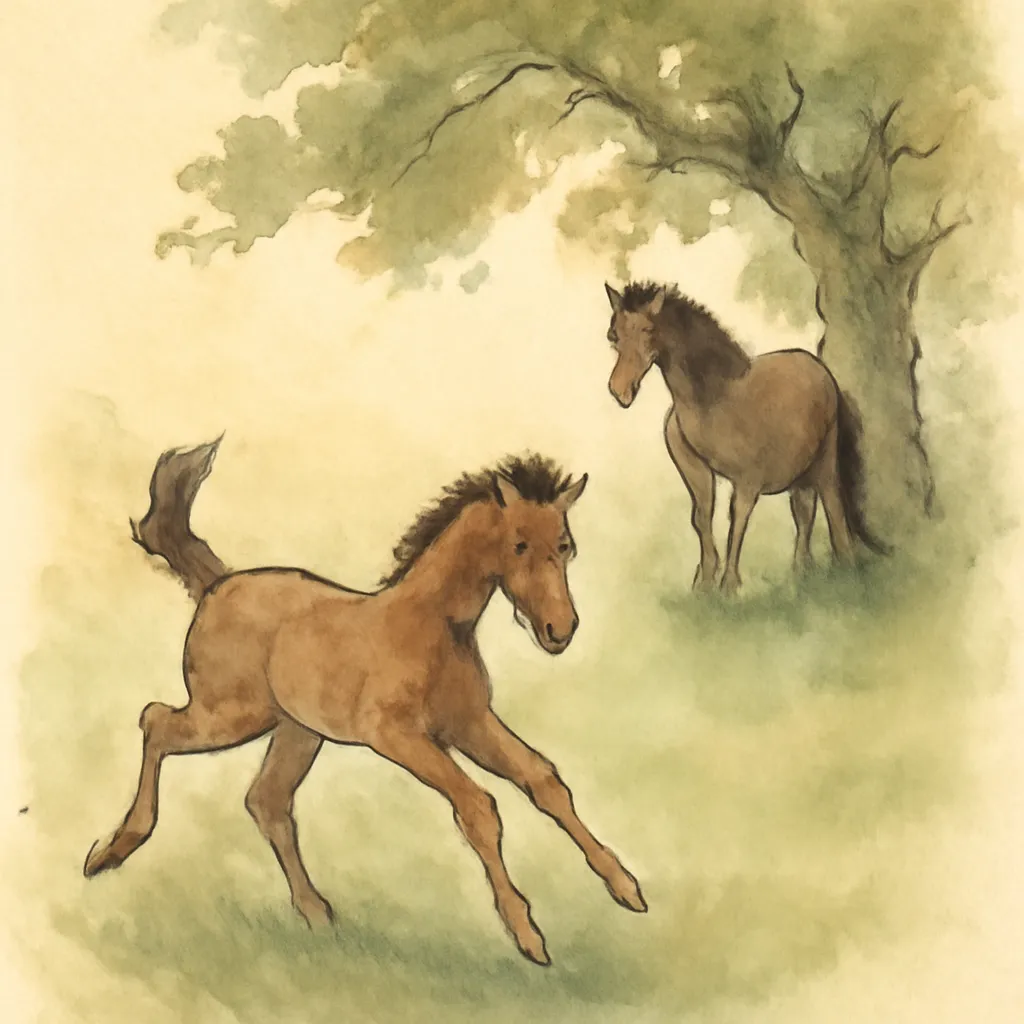
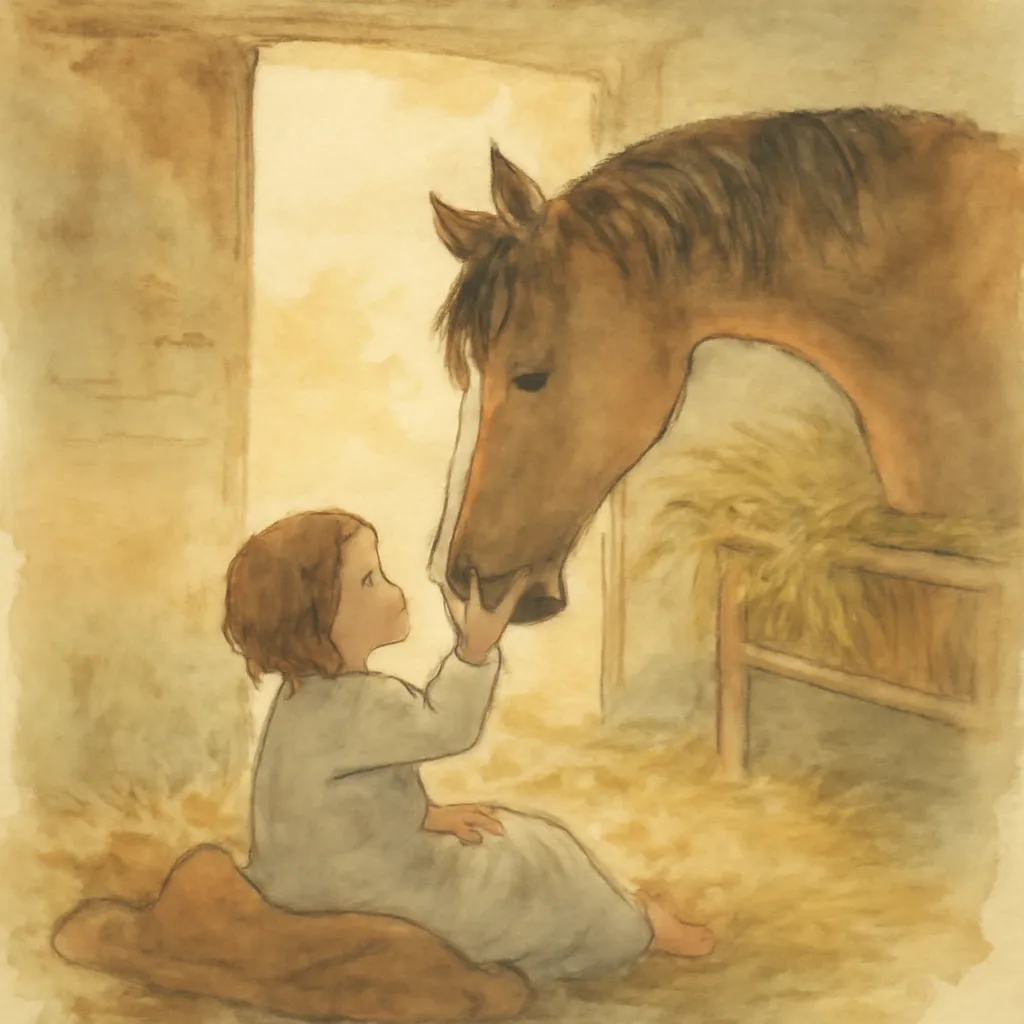
Black Beauty begins his life in a serene meadow, surrounded by the love of his mother, Duchess, who instills in him the values of gentleness and good manners. This idyllic upbringing highlights the innocence and joy of youth, where playfulness and freedom reign. The meadow serves as a metaphor for the potential and purity of young lives, untouched by the cruelty of the world. Duchess emphasizes the importance of maintaining one’s character despite the roughness of peers, teaching Black Beauty to aspire to kindness rather than to adopt the bad habits of the cart-horse colts. This foundation of values becomes crucial as Black Beauty faces the challenges of his future, underscoring the significance of early teachings in shaping one's destiny.
2.The Cruelty of the Hunt
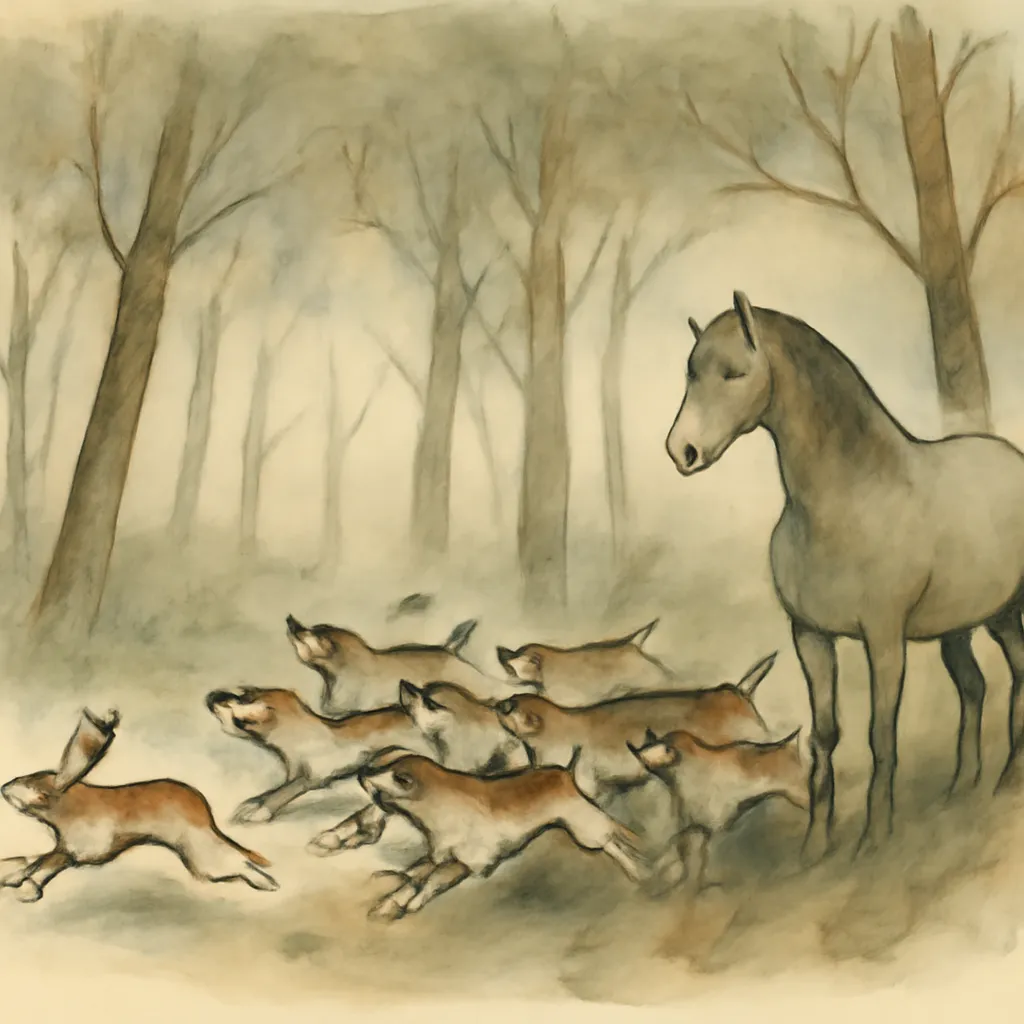
As Black Beauty witnesses a hunt for the first time, he is filled with a mix of excitement and horror. The thrill of the chase echoes the natural instincts of horses, yet the brutal reality of the dogs pursuing a frightened hare brings forth the darker side of human entertainment. This experience serves as a critical moment in Black Beauty's life, marking the transition from innocent play to the harsh realities of survival. The hunt illustrates the often-ignored consequences of human actions on animals, prompting readers to reflect on the ethics of hunting for sport. Through this lens, Sewell critiques societal norms that prioritize entertainment over compassion, urging a reevaluation of what is considered acceptable in the pursuit of pleasure.
3.Breaking In: A Harsh Reality
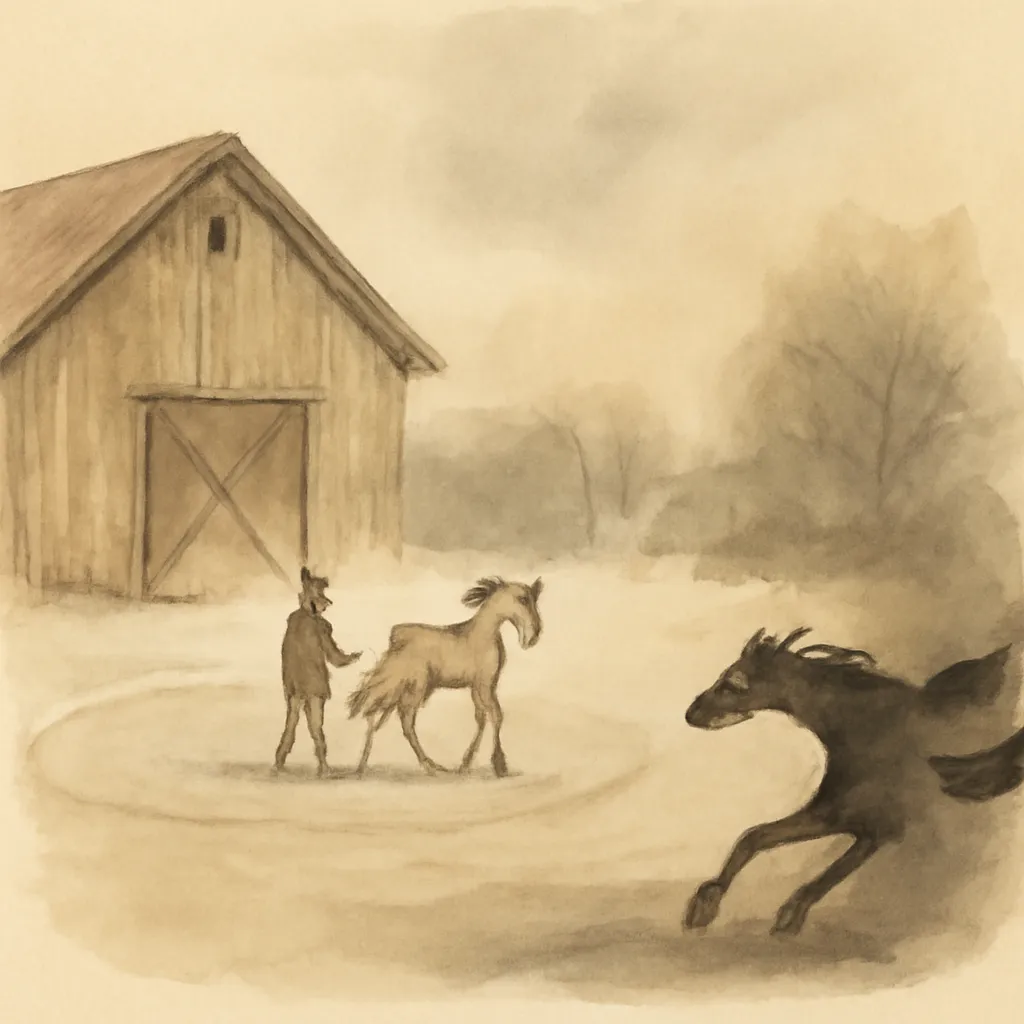
The process of 'breaking in' horses is portrayed as a necessary yet brutal rite of passage. Black Beauty’s initial training under Squire Gordon is gentle and considerate, contrasting sharply with the harsh methods used by others. This juxtaposition highlights the varying attitudes toward horse training and the impact of kindness versus cruelty. The description of the bit and bridle illustrates the discomfort horses endure, raising awareness about the physical and psychological toll of training methods that prioritize obedience over well-being. Sewell uses Black Beauty’s experiences to advocate for humane treatment, emphasizing that a horse's willingness to work is nurtured through understanding and gentleness, not fear and pain.
4.The Importance of Good Owners
Black Beauty's time with Squire Gordon and his family exemplifies the profound effect of kind ownership. The Gordons treat their horses with respect, understanding their needs and feelings. This relationship fosters trust and loyalty, allowing Black Beauty to thrive both physically and emotionally. The contrast with other owners, who neglect or abuse their horses, serves to highlight the critical role of empathy in animal care. Sewell emphasizes that good owners not only provide for their horses but also create an environment where they feel safe and valued. This dynamic showcases the potential for positive human-animal relationships, advocating for a model of care that prioritizes compassion and respect.
5.The Loss of Liberty
As Black Beauty transitions from freedom in the meadow to the constraints of stable life, he grapples with the loss of liberty. The stark change from open fields to confined spaces symbolizes the broader theme of captivity versus freedom. Black Beauty’s longing for the freedom to run and play contrasts with the reality of his existence as a working horse. This tension highlights the emotional struggles faced by animals in service, prompting readers to empathize with their plight. Sewell’s portrayal of this loss serves as a poignant reminder of the sacrifices made by animals for human benefit, urging society to recognize and respect their need for autonomy and joy.
6.Ginger's Story: A Tale of Trauma
Through the character of Ginger, Sewell explores the deep scars left by abuse and mistreatment. Ginger’s traumatic experiences shape her behavior and outlook, illustrating how past suffering can affect an animal’s temperament. Her narrative serves as a powerful counterpoint to Black Beauty’s relatively gentle upbringing, emphasizing that not all horses are afforded the same kindness. Ginger’s struggles highlight the importance of understanding individual histories in the treatment of animals, advocating for a compassionate approach that considers their past. This theme resonates with readers, encouraging a more nuanced understanding of behavior in both animals and humans, and the necessity of empathy in healing.
7.The Dangers of Ignorance
Sewell draws attention to the dangers of ignorance through various characters who mistreat horses without understanding the consequences of their actions. This theme is embodied in the character of Joe Green, who learns the importance of kindness and care through his experiences with Black Beauty and Ginger. The narrative showcases how a lack of knowledge can lead to harmful practices, emphasizing the need for education in animal care. By highlighting the journey from ignorance to understanding, Sewell advocates for informed ownership and treatment of animals. This call for awareness extends beyond horses, encouraging readers to apply the lessons of compassion and knowledge in all aspects of their lives.
8.The Role of Community
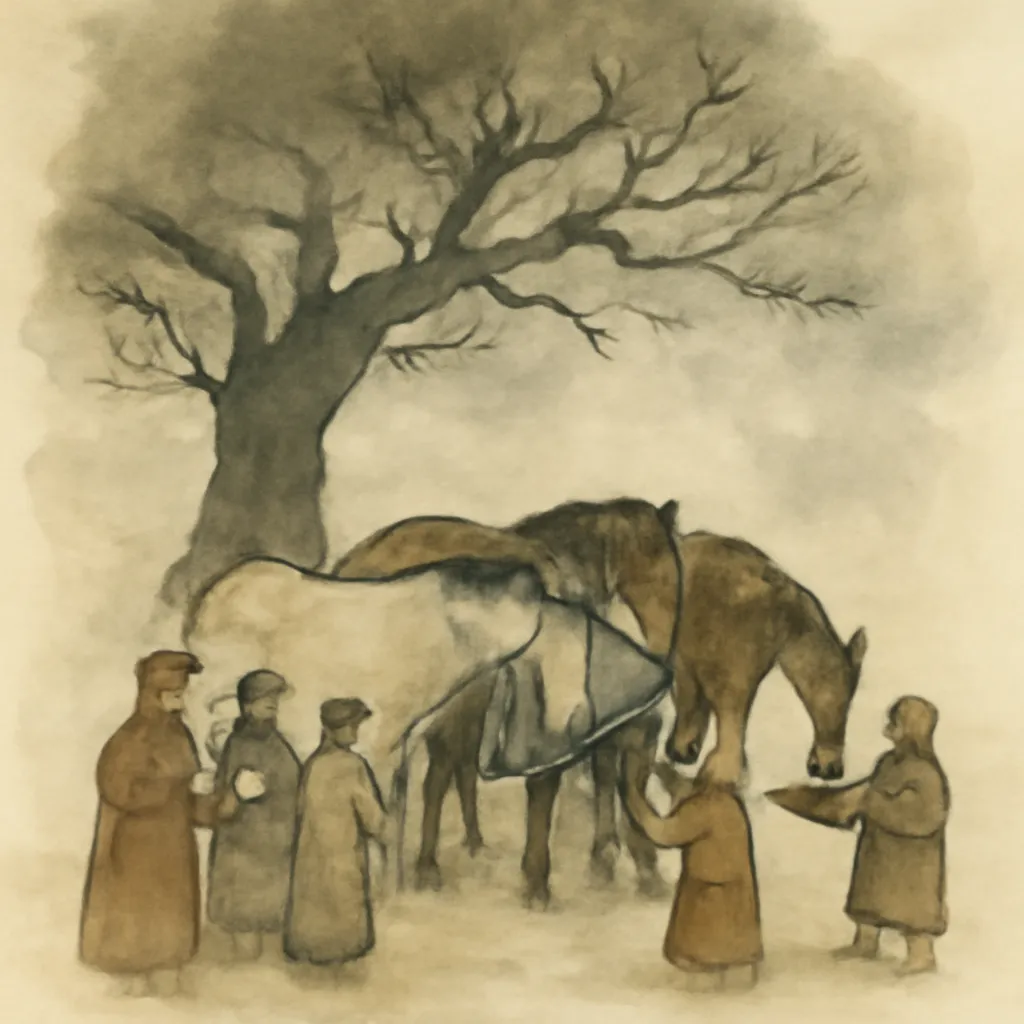
The supportive community surrounding Black Beauty and his fellow horses emphasizes the importance of solidarity in the face of adversity. Characters like John Manly and the villagers who care for horses in need illustrate the positive impact of community action. Their efforts to protect and advocate for horses highlight the collective responsibility we share for the welfare of animals. Sewell emphasizes that individual actions can lead to significant change when supported by a community that values compassion. This theme encourages readers to consider their role within their communities and the potential for collective advocacy in improving the treatment of animals.
9.The Impact of Industrialization
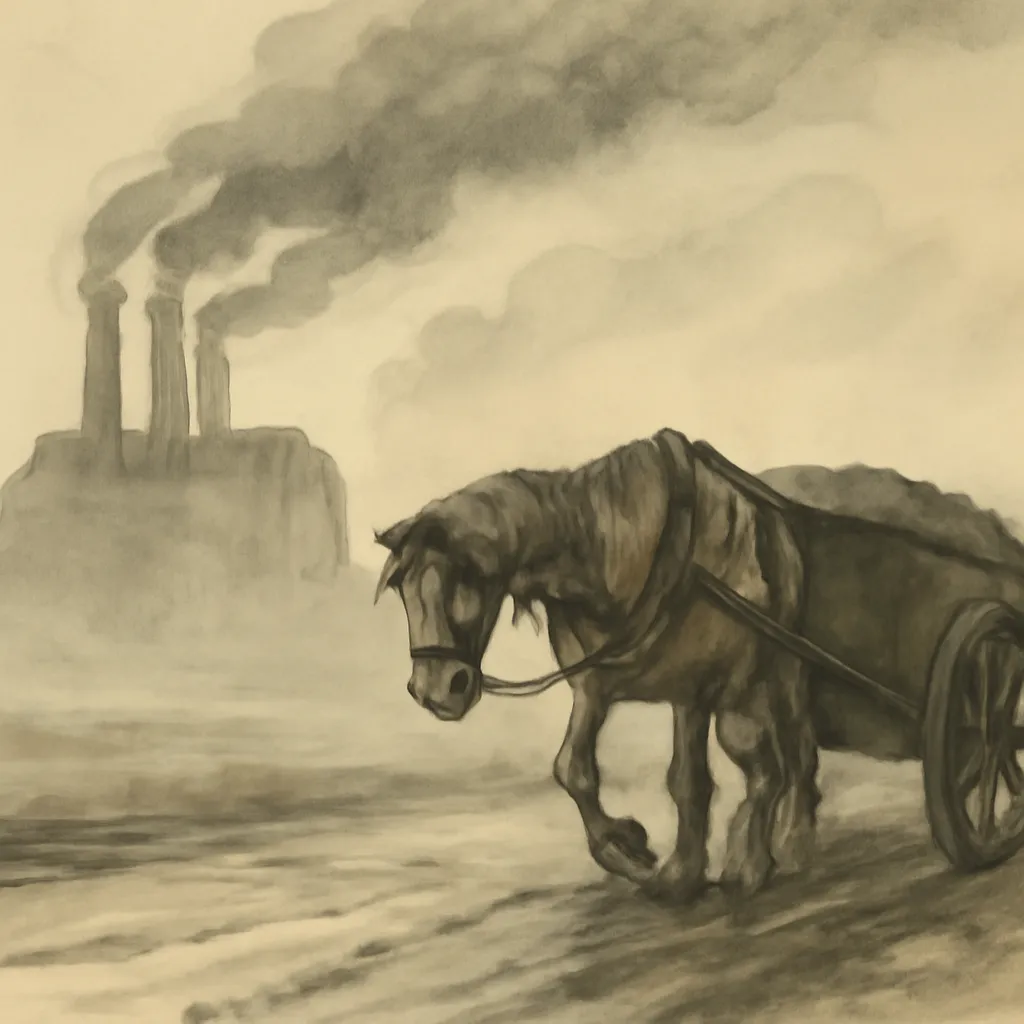
Sewell critiques the impact of industrialization on animal welfare, showcasing how the rise of machinery and urbanization has led to neglect and abuse of horses. The narrative reflects a changing society that increasingly views horses as mere tools rather than sentient beings deserving of care. This shift highlights the tension between progress and compassion, urging readers to consider the ethical implications of technological advancement. Sewell’s portrayal of working horses in urban settings serves as a warning against prioritizing efficiency over empathy, advocating for a balance between progress and humane treatment. This theme resonates in contemporary discussions about animal rights and the ethical responsibilities of society toward its non-human inhabitants.
10.A Call to Action
Ultimately, 'Black Beauty' serves as a powerful call to action, urging readers to advocate for better treatment of animals. Sewell’s narrative emphasizes the need for kindness, understanding, and respect in all interactions with horses and other creatures. By presenting the struggles and triumphs of Black Beauty, the story inspires readers to reflect on their own relationships with animals. This call to action extends beyond mere awareness; it encourages individuals to take steps toward advocacy and change in their communities. Sewell’s message is clear: compassion and empathy must guide our treatment of all living beings, and it is our responsibility to ensure their well-being.