1.Blindness as Metaphor
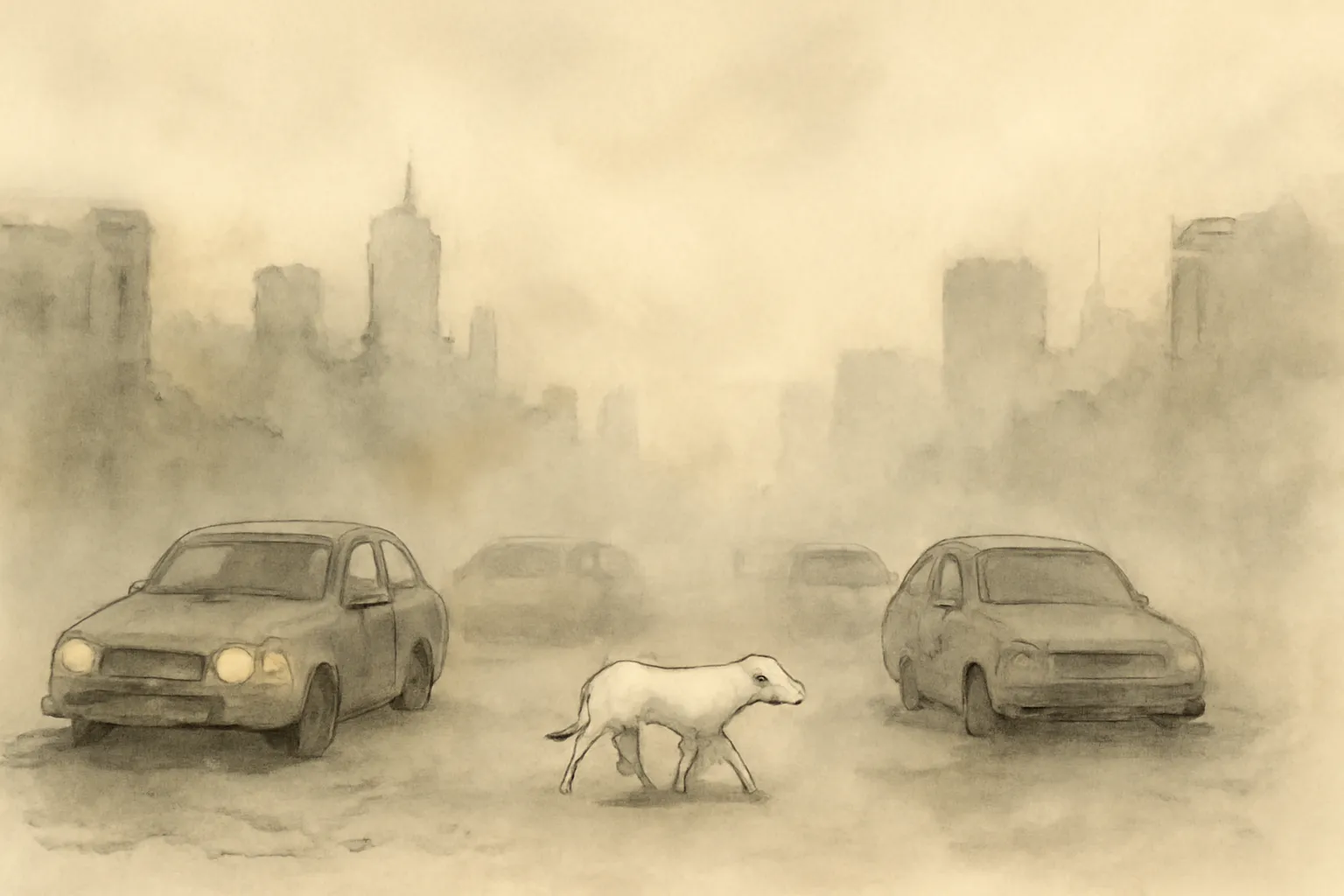
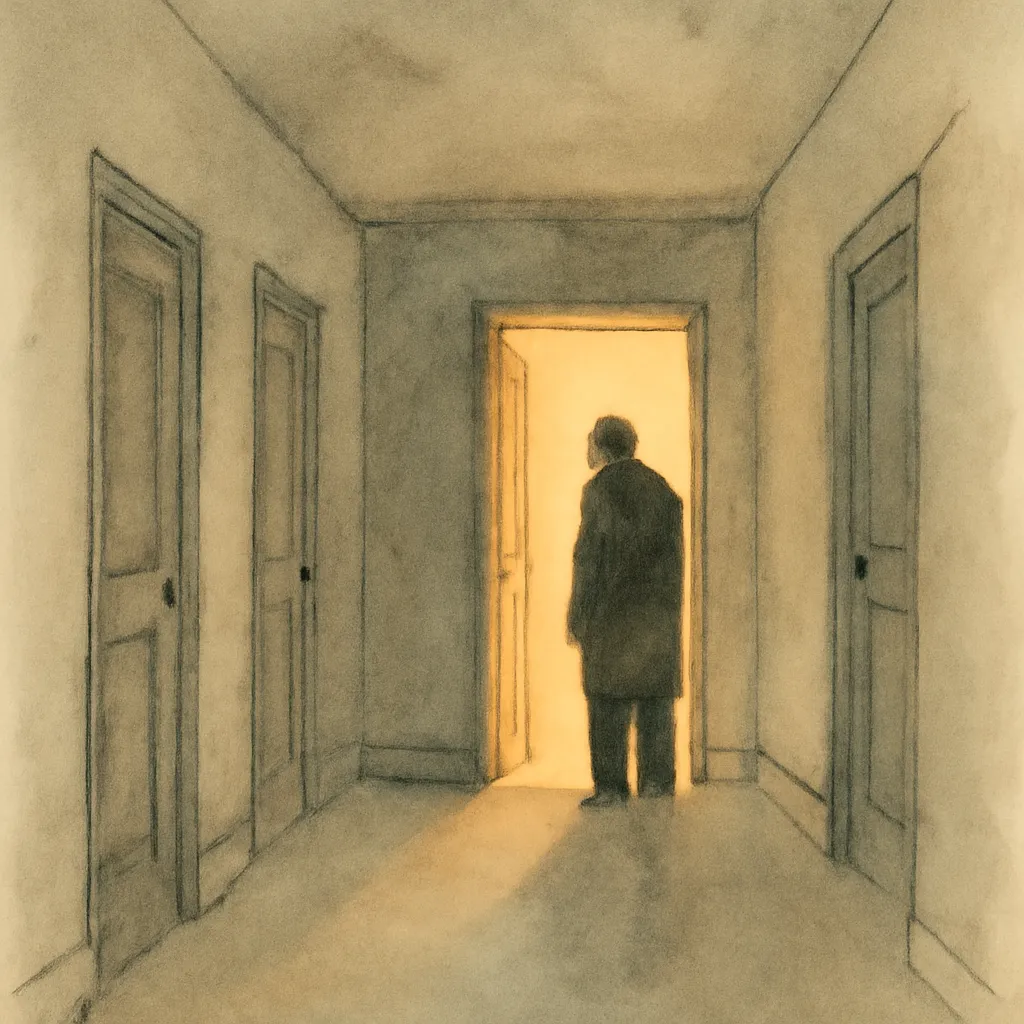
Saramago’s epidemic of sudden, total blindness is less about physical sight and more about moral and existential blindness. The novel suggests that people are often 'blind' to the suffering, needs, and dignity of others even when they can see. The loss of sight exposes how little people truly perceive about themselves and their society, forcing readers to question what blindness really means.
2.Breakdown of Social Order
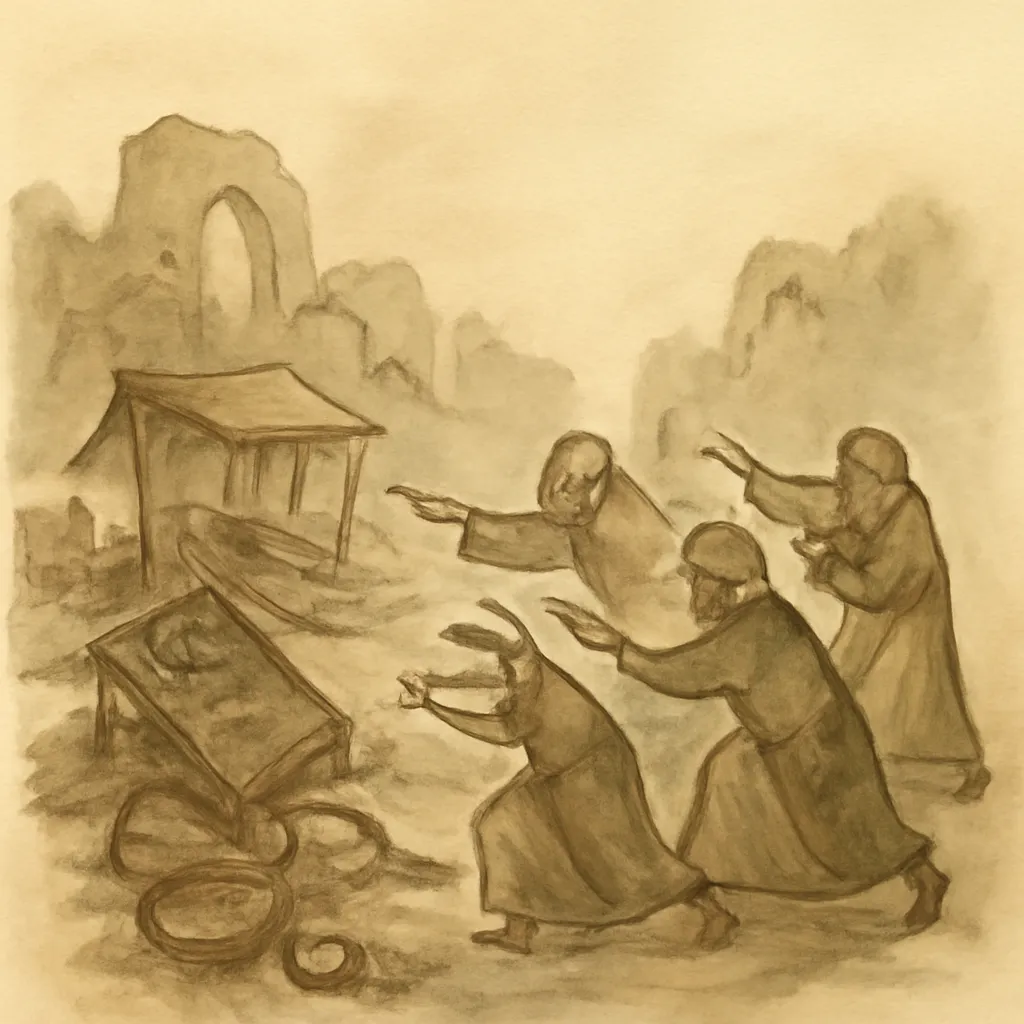
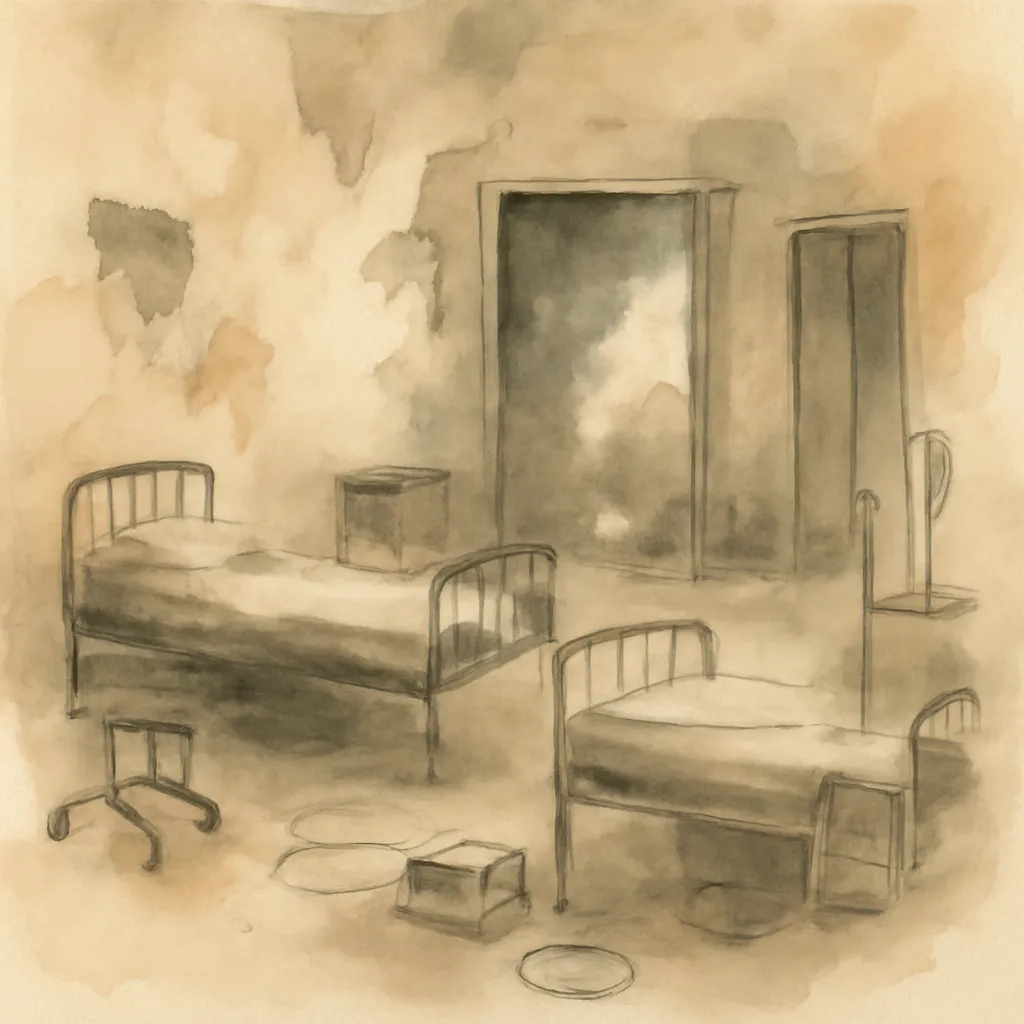
As the blindness spreads, the institutions meant to protect and organize society—government, healthcare, law enforcement—fail spectacularly. Saramago depicts how quickly civilization can unravel, revealing the fragility of the systems we take for granted. The quarantine facility becomes a microcosm of anarchy, where rules dissolve and raw power dynamics emerge.
3.Human Nature Under Pressure
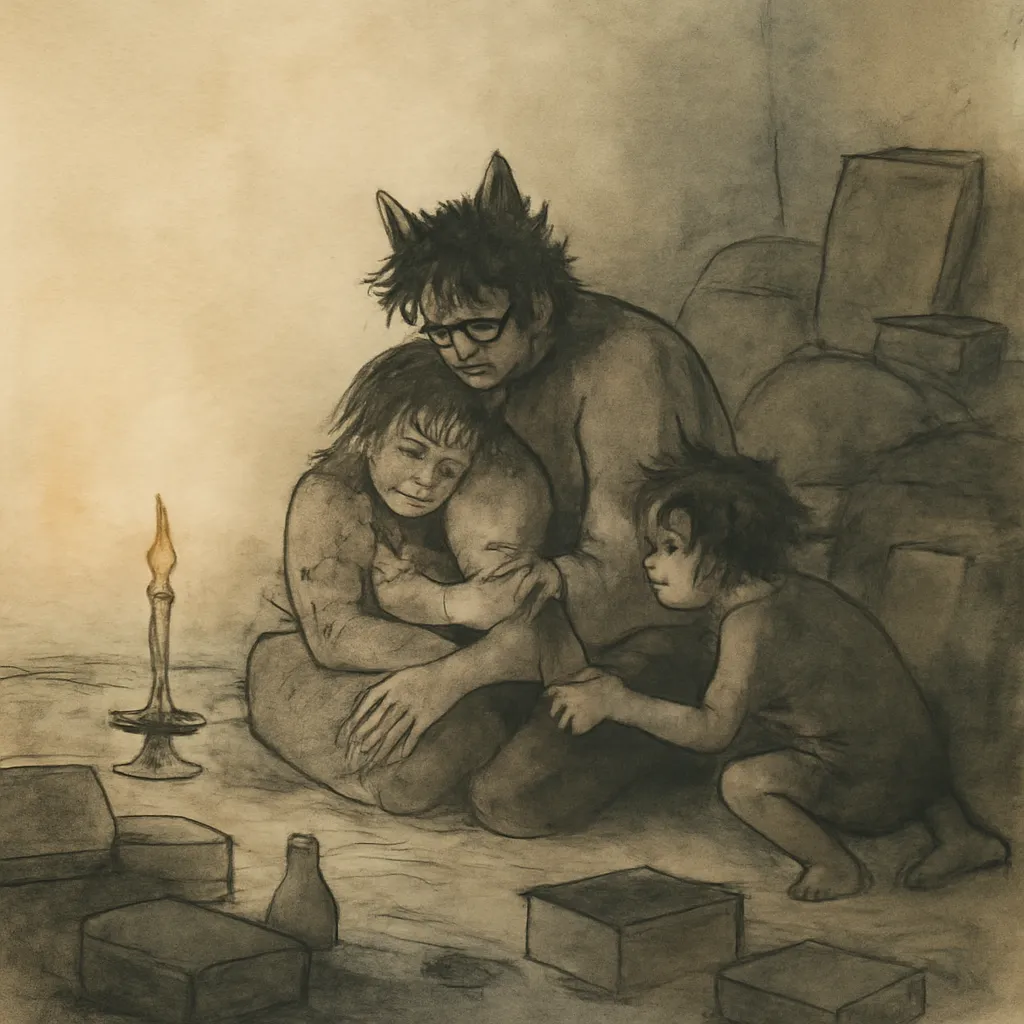
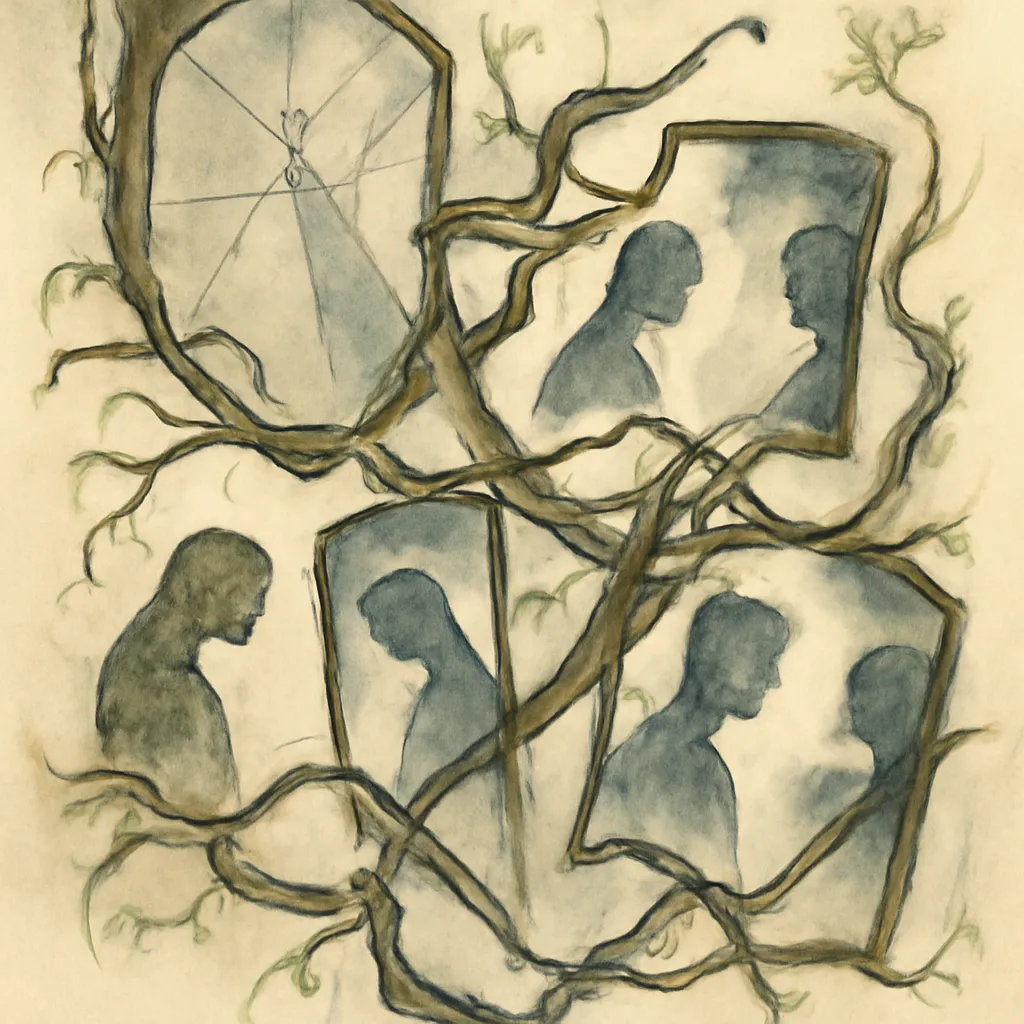
Stripped of social norms and oversight, the characters’ behavior ranges from selfless to savage. Saramago does not shy away from depicting cruelty, selfishness, and violence, but he also highlights moments of compassion and solidarity. The story asks: when survival is at stake, what aspects of our humanity endure, and which are discarded?
4.The Role of the Witness
The doctor's wife, the only character who retains her sight, becomes the group’s reluctant leader and moral compass. Her vision is both a blessing and a burden, forcing her to witness the full horror and hope of human behavior. Through her, Saramago explores the responsibility of those who 'see'—literally or metaphorically—to act ethically in the face of suffering.
5.Language and Communication
Saramago’s distinctive, flowing prose—marked by long sentences and sparse punctuation—mirrors the confusion and chaos of the blind world. Communication becomes fraught, misunderstandings abound, and the loss of names (characters are identified by roles, not names) underscores the erosion of individuality and identity.
6.Hope and Redemption
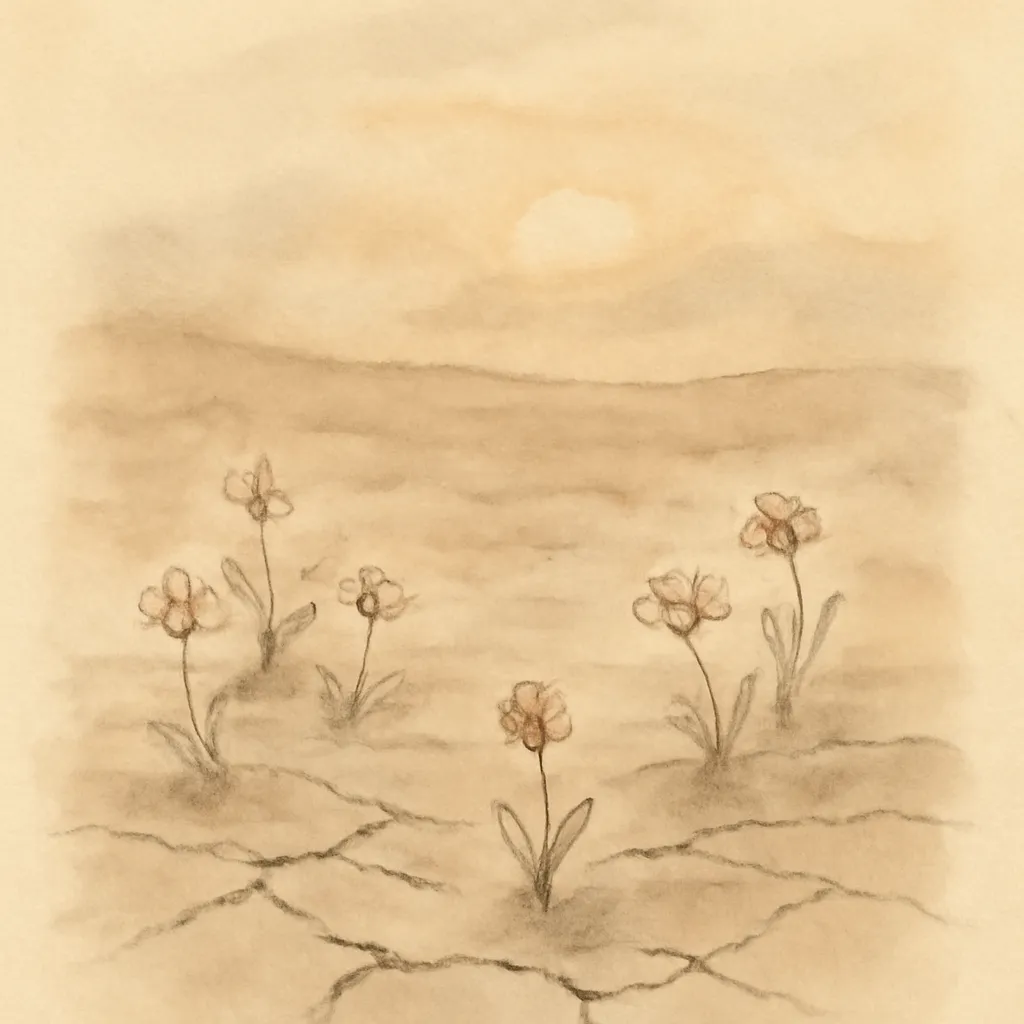
Despite its bleakness, Blindness is not devoid of hope. Acts of kindness, sacrifice, and love persist amid the darkness. Saramago suggests that even in the most desperate circumstances, the possibility of regaining 'sight'—awareness, empathy, moral clarity—remains, if only we choose to open our eyes.