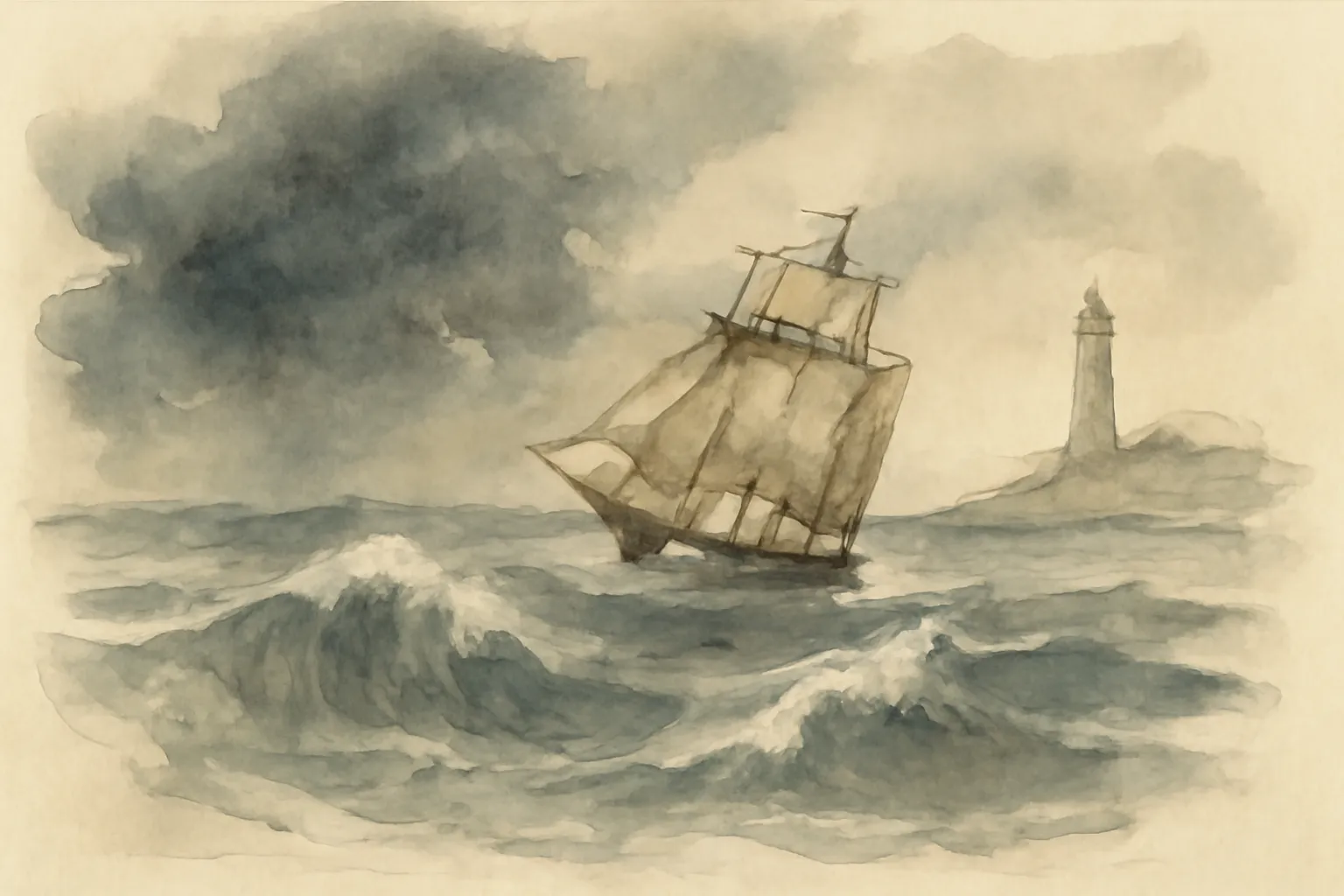
1.The Tension Between Duty and Desire
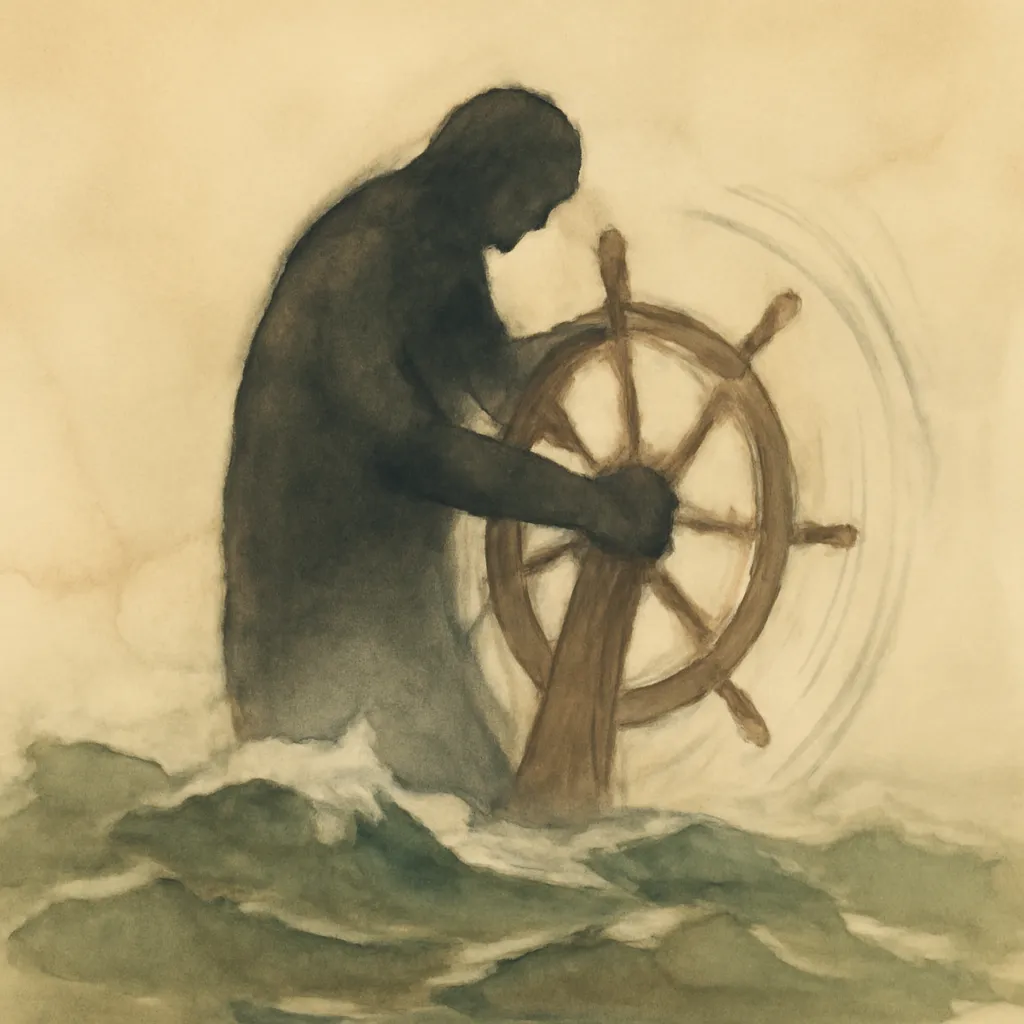
Captain Boyd Mayo grapples with the conflict inherent in his dual roles as a seaman and a man in love. His responsibilities as a captain weigh heavily on him, especially as he develops feelings for Polly Candage, which complicate his professional life. The sea becomes a symbol of both opportunity and burden; it represents the livelihood that sustains him but also the emotional turmoil that threatens to engulf him. This tension between duty and desire creates a compelling conflict that propels the narrative forward, forcing Mayo to confront his feelings while maintaining the expectations of leadership. He often feels that expressing his affection for Polly would be a sign of weakness, fearing that it might compromise his authority with the crew. Day delves into how these conflicting desires can lead to critical moments of introspection and growth, highlighting that the struggle between what one must do and what one wants is universal and deeply human. The resolution of this tension showcases Mayo's development as he learns to embrace both his professional responsibilities and his personal desires.
2.The Role of Women in Maritime Society

Polly Candage emerges as a strong, independent character whose actions challenge the traditional gender roles of her time. In a world where women are often relegated to passive roles, Polly asserts her agency through her intelligence and determination. Her spirited nature is evident as she engages with the crew and actively participates in the sailing lessons, defying the societal expectation that women should remain confined to the domestic sphere. The dynamic between Polly and her father, Captain Candage, further complicates this narrative; Candage's protective instincts often stifle Polly's independence, leading to tension that highlights the generational clash regarding women's roles. Through Polly, Day critiques the stifling norms of gender and emphasizes the importance of self-empowerment. Polly's determination to pursue her passions, whether through sailing or engaging with crew members, showcases her resilience and defiance against societal constraints. This struggle for autonomy is not merely a personal battle but represents a broader movement for women's rights and recognition in a male-dominated world. Polly's character serves as an inspiration, illustrating that women can be both strong and loving, capable of forging their own paths while nurturing relationships.
3.Navigating Relationships on the High Seas
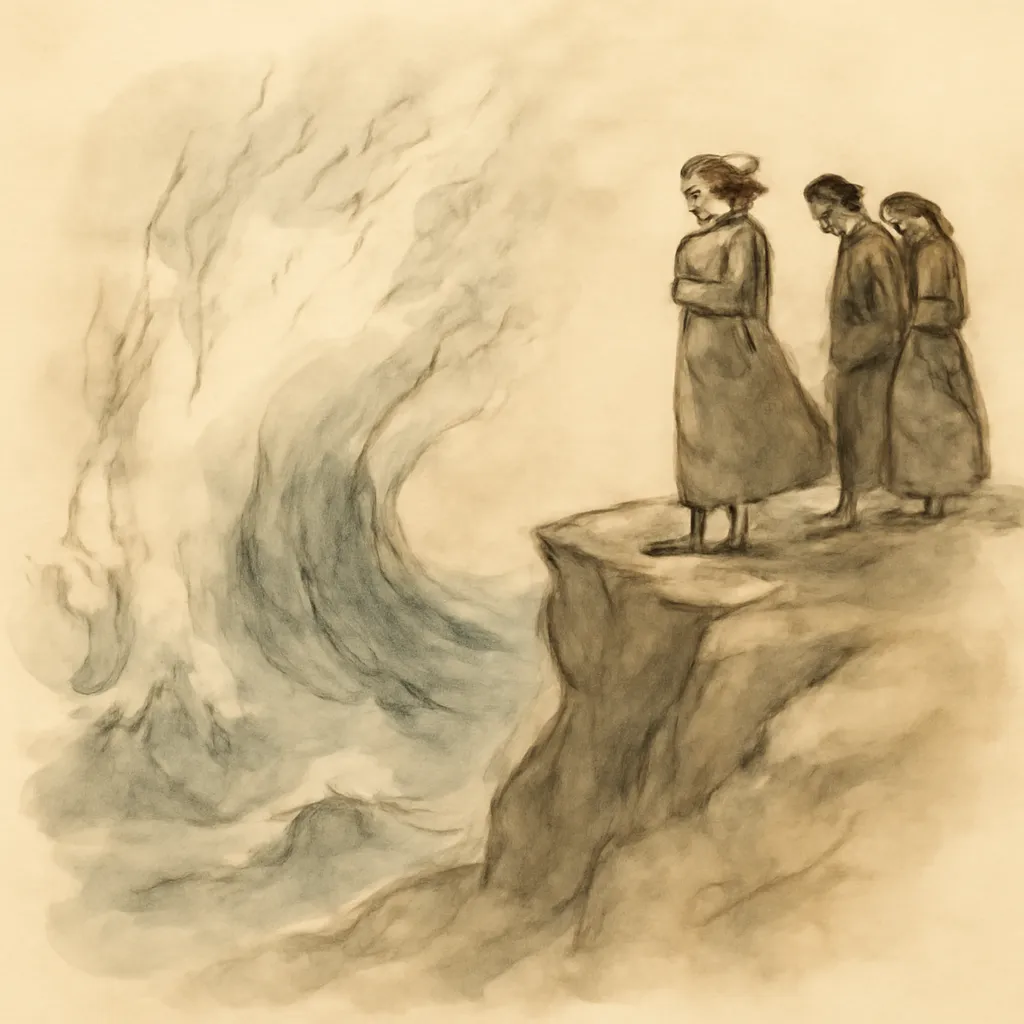
The relationships in "Blow The Man Down" are as turbulent and unpredictable as the ocean itself, reflecting the complexities of human emotions. The interactions between Mayo, Polly, and Captain Candage are fraught with misunderstandings, unspoken desires, and the weight of past decisions. As Mayo and Polly navigate their budding romance, they are constantly influenced by the presence of the crew and the expectations of maritime life. The novel illustrates how the isolation of life at sea can amplify personal conflicts and intensify emotional experiences. The crew's camaraderie provides both support and distraction, complicating the romantic dynamics at play. Day captures the nuances of human relationships, showing that misunderstandings often stem from fear and insecurity, ultimately leading to missed opportunities for connection. The sea serves as a metaphor for these relationships, with its ever-changing tides mirroring the characters' emotional states. This thematic exploration highlights the importance of emotional intelligence and communication in fostering meaningful connections amid adversity.
4.The Influence of Environment on Character Development

The setting of the novel plays a crucial role in shaping the characters and their experiences. The sea, with its beauty and danger, becomes both a backdrop and a catalyst for change. Characters are often forced to confront their fears and insecurities against the unpredictability of nature. This environmental influence is particularly evident in the way Mayo evolves as a captain and as a man. The harsh realities of life at sea, including storms, fog, and isolation, mirror the internal struggles of the characters, emphasizing the theme of resilience. Day's vivid descriptions of maritime life not only enhance the narrative but also serve to illuminate the characters' emotional journeys. The interplay between the characters and their environment underscores the idea that external challenges can lead to profound personal growth, as they learn to adapt and overcome obstacles. Each wave and gust of wind becomes symbolic of the trials the characters face, forcing them to reconsider their choices and values.
5.The Complexity of Familial Relationships

The dynamic between Polly and her father, Captain Candage, adds depth to the narrative, exploring themes of protection, pride, and rebellion. Candage's overprotectiveness stems from his love for Polly but often stifles her independence and creates tension between them. This father-daughter relationship encapsulates the struggle between tradition and modernity, as Polly seeks to assert her identity in a world defined by her father's expectations. Their interactions reveal the complexities of familial love, where good intentions can sometimes lead to misunderstandings and conflict. Day artfully illustrates how love can be both a source of support and a cause of strife, showcasing the importance of trust and open communication in bridging generational divides. As Polly fights for her autonomy, she challenges her father's worldview, ultimately pushing him to reconsider his beliefs about her capabilities. This relationship serves as a microcosm of broader societal changes regarding gender roles and familial expectations, making it relatable and impactful.
6.The Symbolism of the Sea
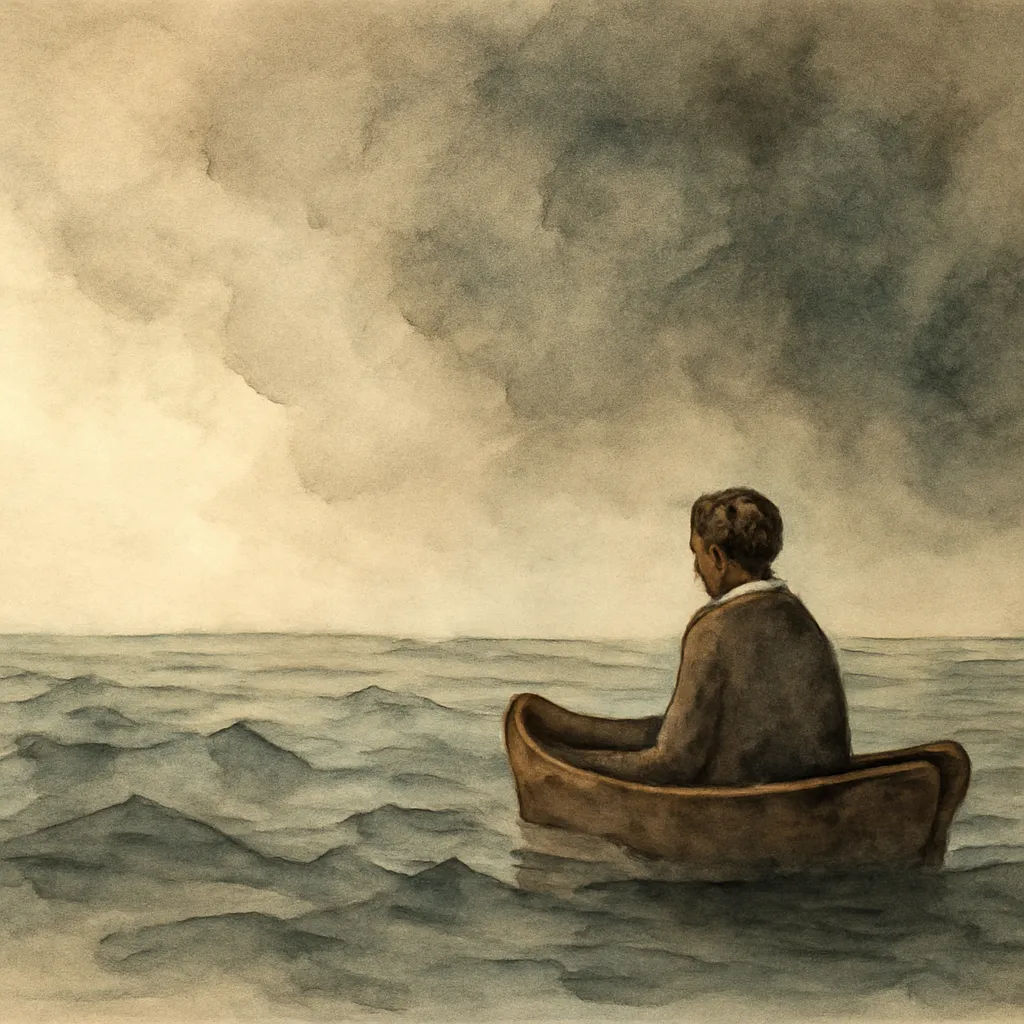
The sea serves as a powerful symbol throughout the novel, representing both freedom and danger. For the characters, it is a source of livelihood, adventure, and ultimately, self-discovery. The unpredictable nature of the ocean reflects the characters' emotional landscapes, revealing their vulnerabilities and aspirations. The vastness of the sea symbolizes the potential for exploration and growth, while also serving as a reminder of the inherent risks involved in navigating both the waters and human relationships. Day uses the sea not only as a setting but also as a character in its own right, shaping the narrative and influencing the decisions of the human characters. This symbolism enriches the story, adding layers of meaning that resonate with readers, inviting them to consider their own relationships with the forces that shape their lives. The relationship between the characters and the sea emphasizes the theme that life is as unpredictable as the tides, and it takes resilience and courage to navigate both.
7.Courage in the Face of Adversity
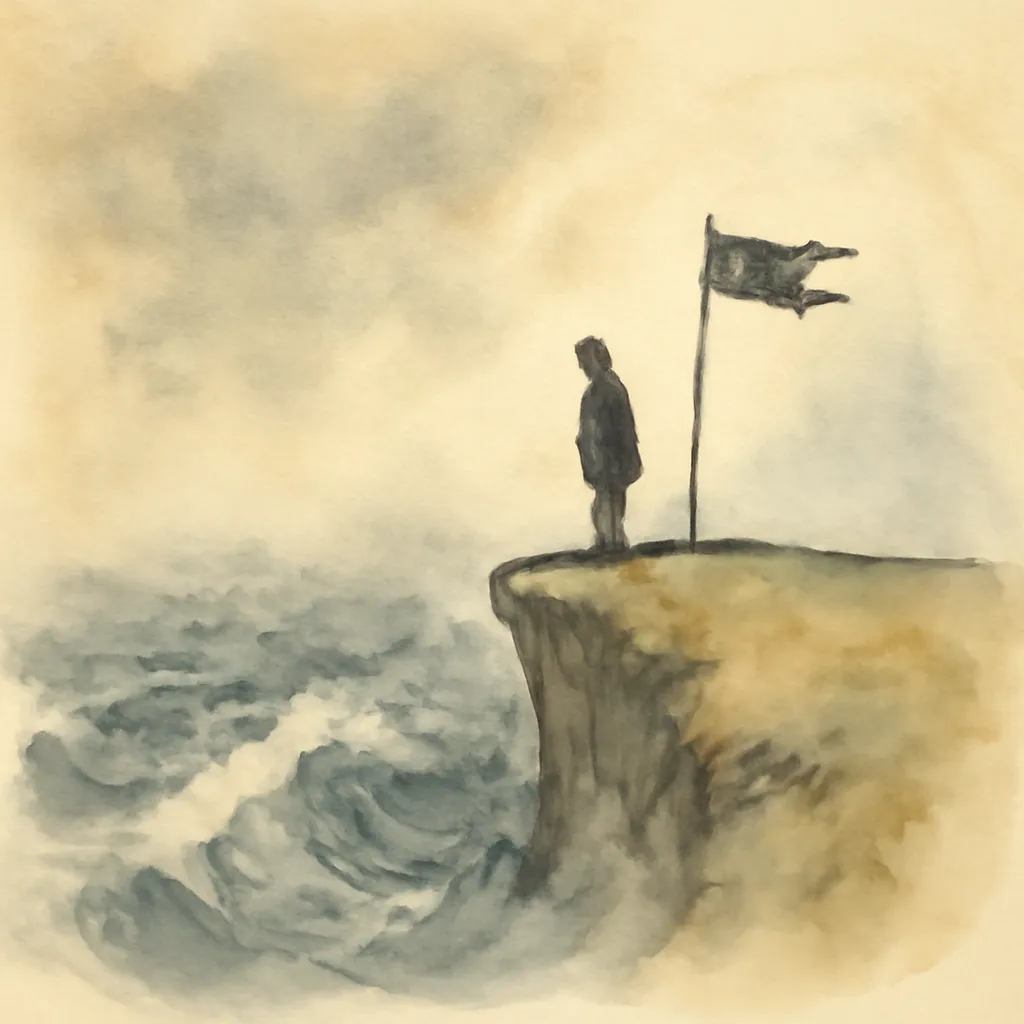
The characters in "Blow The Man Down" exhibit various forms of courage, whether it be facing the dangers of the sea, confronting personal fears, or standing up for their beliefs. Captain Mayo's journey is marked by moments of bravery, as he navigates both the literal and metaphorical storms that threaten to derail his life. Polly's determination to assert her independence in a male-dominated society exemplifies her inner strength and resilience. The novel emphasizes that true courage is not the absence of fear, but the willingness to confront it and act despite the risks. This theme resonates throughout the narrative, inspiring readers to consider their own definitions of courage and how it manifests in their lives. Through the characters' struggles, Day illustrates that courage can take many forms, from grand acts of heroism to quiet defiance against societal norms. The moments when characters choose to act with integrity, despite the potential costs, highlight the profound impact of courage on their journeys.
8.The Importance of Communication
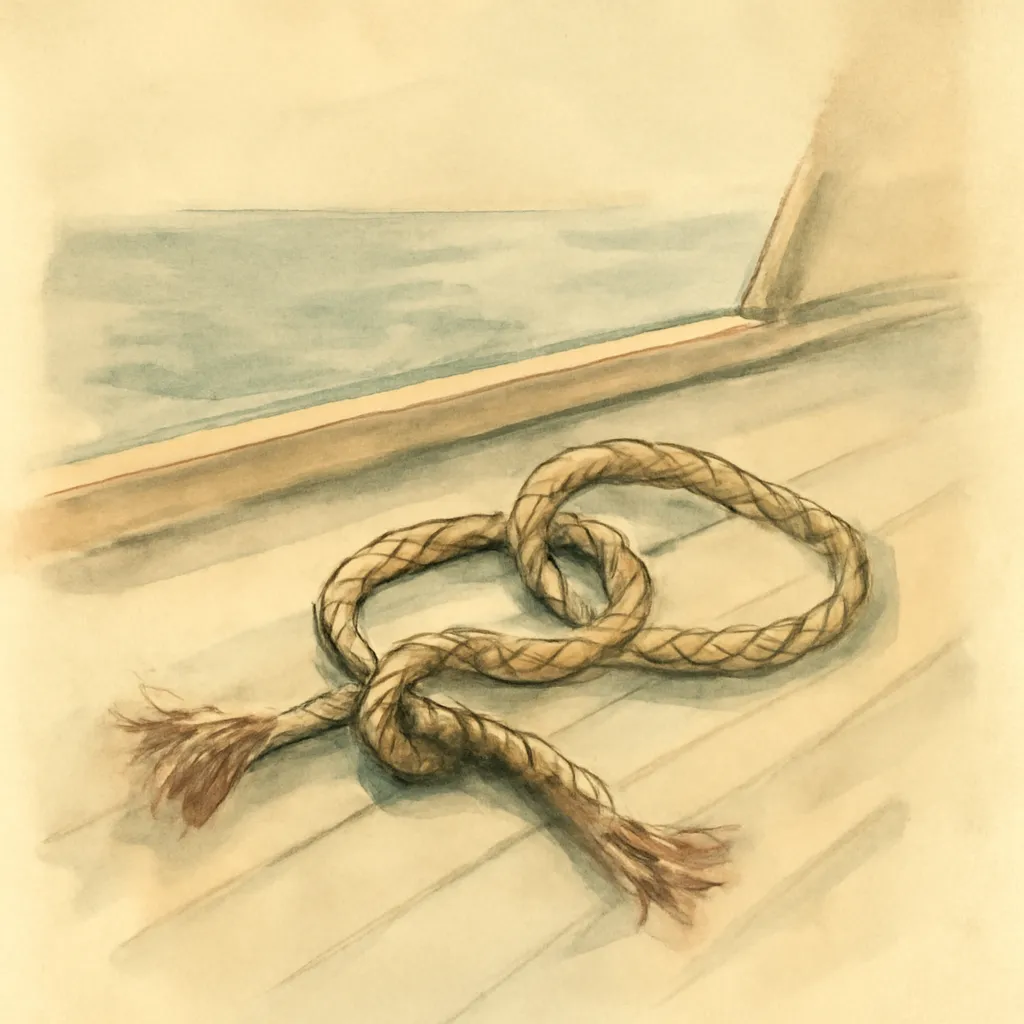
Miscommunication and unspoken feelings play a significant role in the conflicts that arise between characters in the novel. The inability to express emotions leads to misunderstandings and missed opportunities, particularly in the romantic relationship between Mayo and Polly. Their interactions are often marked by hesitation and ambiguity, highlighting the challenges of vulnerability. The novel underscores the necessity of open dialogue in building trust and fostering deeper connections. Through the characters' struggles with communication, Day illustrates the broader theme that effective communication is essential for resolving conflicts and nurturing relationships. This message serves as a reminder of the importance of honesty and transparency in all aspects of life, urging readers to reflect on their own communication practices in their relationships. The evolving dynamics between characters reveal that the path to understanding often lies in confronting uncomfortable truths and embracing vulnerability.
9.The Struggle for Identity
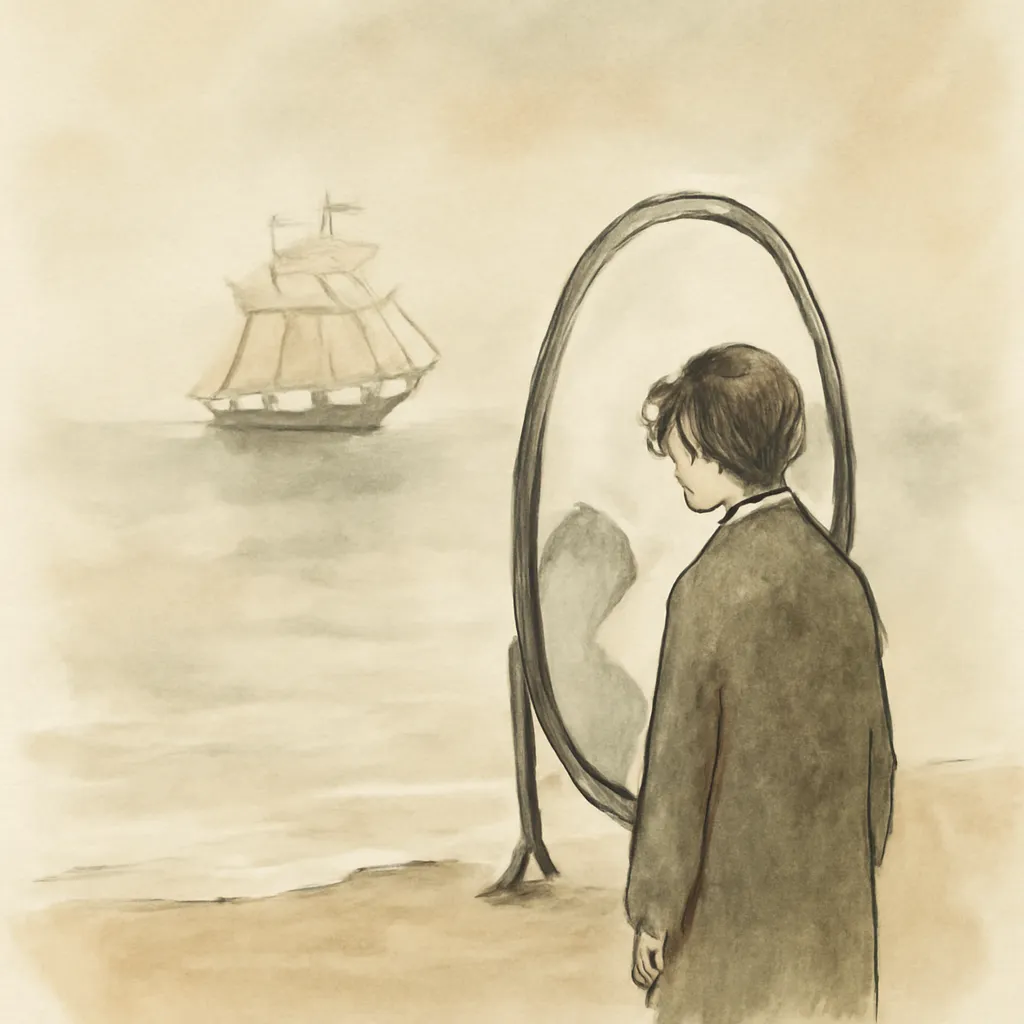
Throughout the novel, characters grapple with their identities in the context of societal expectations and personal aspirations. Captain Mayo's journey reflects the struggle to balance his identity as a captain with his desires as a man in love. Similarly, Polly confronts the limitations imposed by her gender and societal norms, seeking to define herself beyond her father's expectations. This theme of identity is deeply intertwined with the characters' emotional growth, as they learn to embrace their true selves amidst external pressures. Day's exploration of identity resonates with readers, inviting them to reflect on their own journeys of self-discovery and the challenges that come with asserting one's identity in a complex world. This struggle for identity becomes a catalyst for self-acceptance, illustrating that the journey toward understanding oneself can yield profound insights. The characters’ development reveals that identity is not a fixed trait but a fluid construct shaped by experience, choices, and the assertion of one’s agency.