1.The Financial Pressures of Theater Production

The quest for financial stability underpins the ambitions of many in the theater world. Mr. Godfrey Vandeford's opening remarks about the dire financial situation following the failure of 'Miss Cut-up' illustrate the high stakes of theatrical production. With mounting bills and the pressure to deliver a hit, Vandeford's worry about the viability of their next production, 'The Rosie Posie Girl,' highlights the constant tension between artistry and commerce. The characters are acutely aware that their dreams hinge on the success of their shows, leading to frantic brainstorming sessions where they must innovate to capture the audience's attention. This financial urgency not only drives the plot but also shapes the characters' relationships, as they grapple with the implications of their financial decisions on their creative visions. The consistent threat of failure looms over them, demonstrating how economic factors can dictate artistic choices. This tension serves as a reminder that the theater is not just a creative arena but also a business where the stakes are incredibly high, often compromising the true essence of artistic expression.
2.Collaboration in Creative Endeavors

The partnership between Patricia Adair and Godfrey Vandeford serves as a testament to the power of collaboration in creative projects. Their relationship evolves from initial professional necessity to a deeper, more complex bond as they work closely on 'The Purple Slipper.' Through brainstorming sessions and shared decision-making, they learn to respect and rely on each other's artistic instincts. Daviess illustrates that collaboration is not merely a practical arrangement but an emotional investment where trust and mutual support are essential. This dynamic becomes crucial in navigating the chaotic environment of Broadway, where individual egos often clash, and personal ambitions can overshadow collective goals. Their collaboration showcases the importance of finding common ground, as well as the joy of shared creative success. Patricia’s initial naivety and Godfrey’s seasoned experience complement each other, leading to a partnership that fosters growth and innovation. This evolution emphasizes how different perspectives can enhance the creative process, resulting in a richer, more dynamic creation that resonates with both the artists and the audience.
3.The Struggles of a Female Playwright
Patricia Adair's journey as a female playwright in early 20th-century America sheds light on the unique challenges faced by women in the arts. Despite her talent and ambition, she must navigate a male-dominated industry that often undermines or overlooks women's contributions. The contrasting dynamics between Adair and the more established Violet Hawtry underscore the societal expectations placed on women in the theater. While Hawtry embodies the archetype of the successful star who commands immediate respect, Adair’s rise is marked by doubt and the need to assert her worth in a space that is not always welcoming. As Adair asserts her voice and vision, she challenges these outdated norms, carving out a space for herself in a world that often marginalizes female creators. Her experiences with the dismissive attitudes of male colleagues and her determination to rise above them serve as a powerful narrative of resilience. This journey highlights the broader historical context of women's struggles for recognition and respect in the creative fields, resonating with contemporary conversations about gender equity in the arts. Adair’s triumphs and setbacks provide a nuanced view of the female experience in a competitive environment, showcasing her strength and tenacity.
4.The Role of Artistic Integrity

Throughout 'Blue-grass and Broadway,' the concept of artistic integrity emerges as a central theme, especially in the context of commercial theater. Characters like Vandeford grapple with the balance between creating meaningful art and catering to audience expectations. The pressure to produce hits can lead to compromises that dilute the original vision of a play. Adair's steadfast commitment to her creative ideals serves as a counterpoint to this commercialism. Her insistence on authenticity and depth in storytelling challenges Vandeford to reconsider what it means to produce a successful show. This ongoing tension between integrity and profitability ultimately shapes the narrative, emphasizing the importance of staying true to one's artistic vision, even amidst external pressures. Daviess invites readers to reflect on the sacrifices that often accompany artistic creation—the fear of losing one's voice in the pursuit of success. The struggle for artistic integrity resonates with anyone involved in creative work, serving as a reminder that true success lies not just in financial gain but in the fulfillment of one’s artistic purpose.
5.The Complexity of Personal Relationships
The interplay between personal and professional relationships adds depth to the narrative, illustrating how ambition can both connect and complicate human interactions. Adair and Vandeford's burgeoning friendship evolves alongside their professional collaboration, blurring the lines between personal affection and creative partnership. Daviess captures the nuances of their relationship, revealing how shared struggles can foster deep connections. However, the presence of characters like Violet Hawtry and Dennis Farraday introduces further complexity, as romantic entanglements and friendships intertwine with the pressures of theater life. This exploration of relationships underscores the idea that the pursuit of art is rarely a solitary journey; it is often shaped by the people we work with and the bonds we form along the way. The emotional stakes in their interactions raise questions about loyalty, ambition, and the sacrifices that come with pursuing one's dreams. Their journey together reveals that personal relationships are as critical to success as talent, highlighting the emotional landscape behind the scenes of theater.
6.A Window into Broadway's Inner Workings
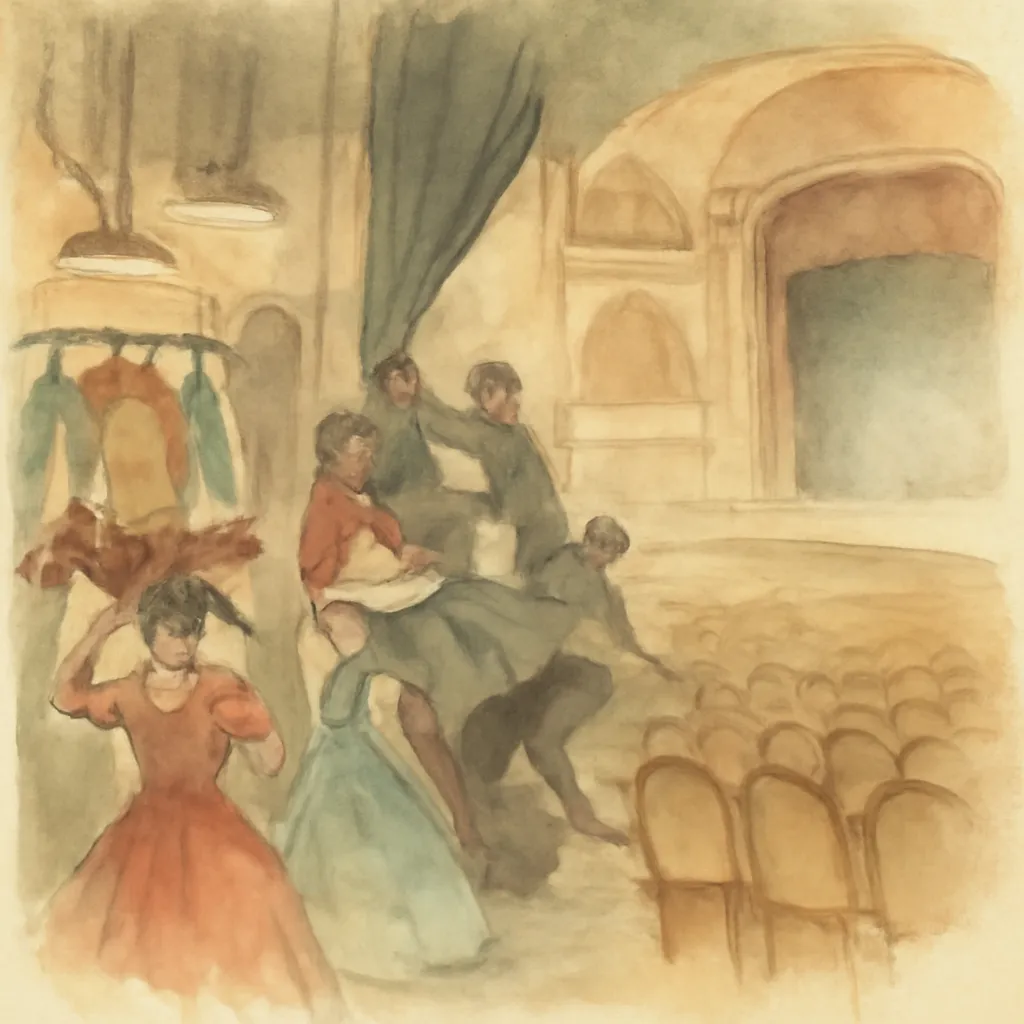
Daviess provides readers with a vivid portrayal of the bustling, frenetic world of Broadway, offering insights into the behind-the-scenes processes of theater production. From the chaotic rehearsals to the intricate details of costume design, the narrative immerses readers in the vibrant atmosphere of New York's theater district. The characters' interactions during these moments reveal the collaborative nature of theater, where every role contributes to the overall success of a production. This depiction serves to demystify the theater experience, shedding light on the hard work, creativity, and teamwork that go into bringing a show to life. By showcasing the various roles involved, from producers to stagehands, Daviess honors the collective effort required in the theater, emphasizing that every contribution matters. The intricate dance of collaboration and chaos paints a realistic picture of the challenges artists face, making the eventual triumphs all the more rewarding. This behind-the-curtain look invites readers to appreciate the synergy required to make theater a compelling experience.
7.The Impact of Audience Reception
The reactions of audiences play a significant role in shaping the narrative and the characters' journeys in 'Blue-grass and Broadway.' The tension surrounding the debut of 'The Purple Slipper' highlights the vulnerability that creators face as they present their work to the public. Audience reception can validate or undermine the hard work of the cast and crew, influencing their future endeavors. This aspect of theater underscores the unpredictable nature of creative expression, where success is not solely determined by the quality of the work but also by how it resonates with viewers. Daviess captures this reality, reminding readers that the arts are an interactive experience, shaped by the perceptions and emotions of those who engage with it. The characters’ anticipation for audience feedback reflects the anxiety that accompanies creative work, as they hope for recognition and success. The shifting dynamics of audience reception also reveal the complexities of the creator-audience relationship, where external validation can profoundly impact artistic confidence.
8.The Journey of Self-Discovery

As Patricia Adair navigates the complexities of Broadway, her character undergoes significant growth and self-discovery. Initially introduced as a hopeful yet inexperienced playwright, she gradually learns to assert herself and her ideas in a challenging environment. This journey is marked by moments of doubt, determination, and resilience, as she confronts the realities of the theater world. Through her experiences, Adair evolves into a confident creator who understands the value of her voice and vision. This arc of self-discovery resonates with anyone pursuing their passions, highlighting the importance of perseverance and self-belief in the face of obstacles. Daviess illustrates that the path to success is often paved with challenges that ultimately lead to personal growth. Adair's transformation embodies the struggles many artists face as they seek to forge their identities in a demanding industry, making her journey relatable to those who aspire to create.
9.Cultural Reflections in Theater
Daviess uses 'Blue-grass and Broadway' to explore the cultural dynamics of early 20th-century America, particularly how theater serves as a mirror to society. The characters' interactions and the themes of their plays reflect broader societal issues, including gender roles, class disparities, and the pursuit of the American Dream. The theatrical landscape becomes a space for critique and reflection, where stories challenge the status quo and provoke thought. By weaving these cultural elements into the narrative, Daviess emphasizes the role of theater as not just entertainment but also as a platform for dialogue and change. This perspective invites readers to consider how the arts can influence societal norms and inspire progress. Daviess crafts a narrative that speaks to the universal human experience while remaining anchored in the specific cultural context of her time.