1.The Geography of Isolation
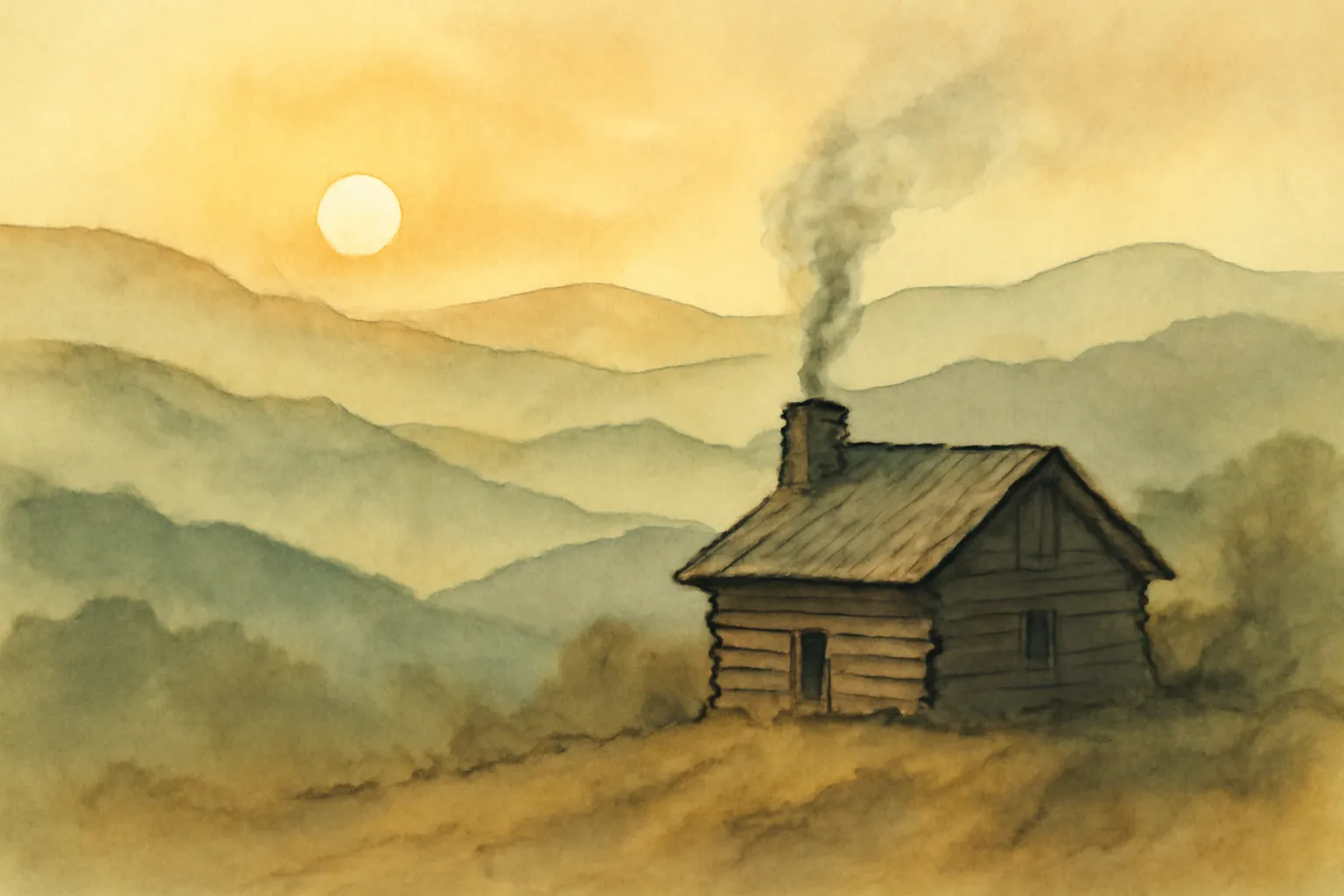
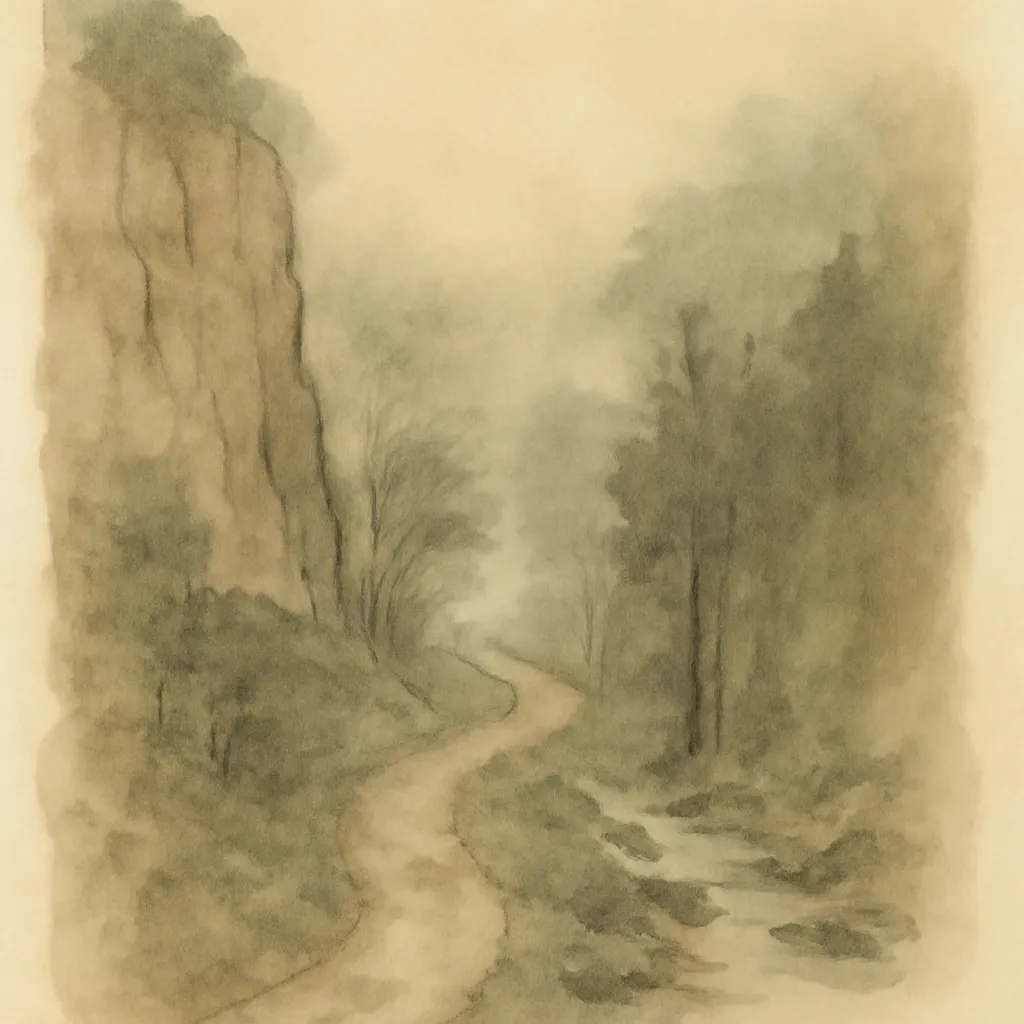
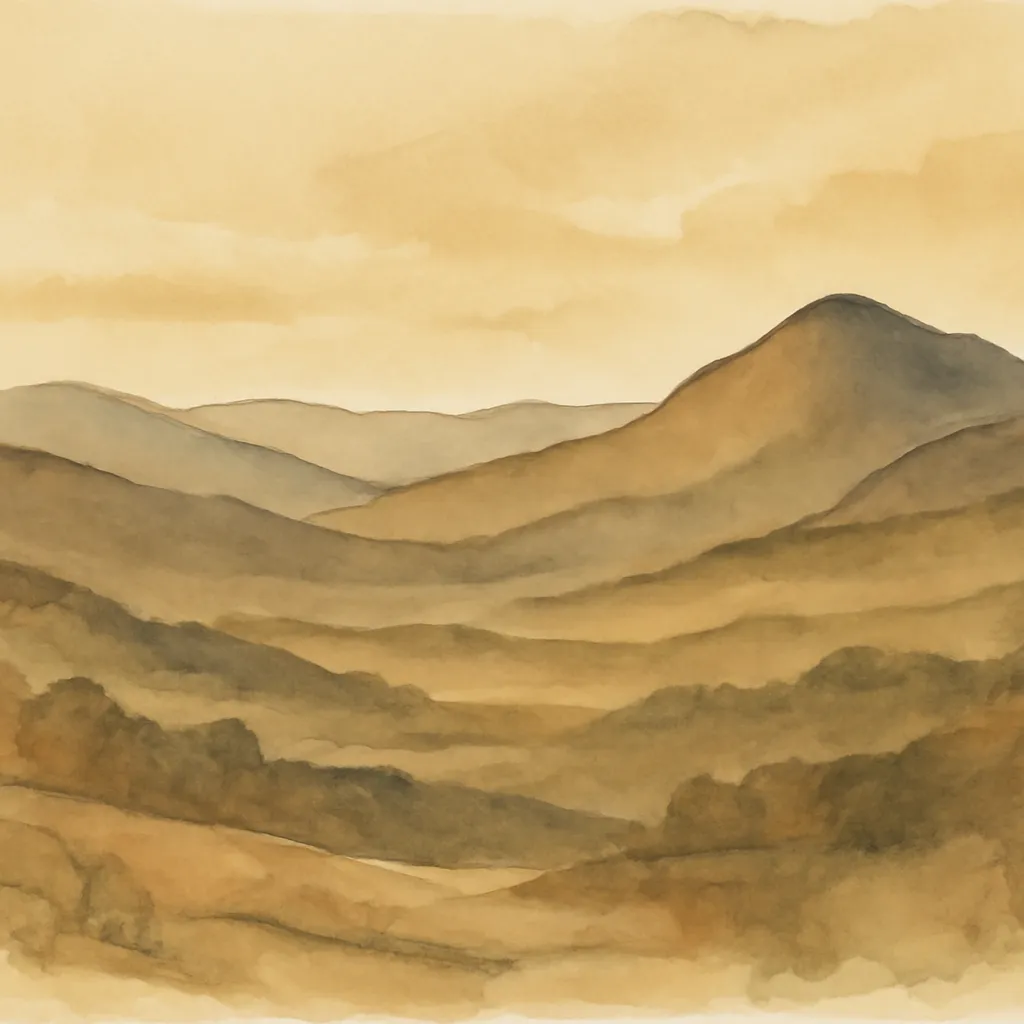
The Blue Ridge Country is characterized by its dramatic geography—high mountain walls and bridgeless streams have historically isolated its inhabitants, creating a unique cultural enclave. This isolation allowed the mountain folk to preserve their traditions and way of life, often at odds with the rapid changes occurring in the outside world. The region encompasses parts of eight states, with its rugged terrain forming a natural barrier that has fostered a strong sense of identity among its residents. The land itself plays a crucial role in shaping the lives of its people; the streams and rivers are not only vital for sustenance but also serve as a source of inspiration and folklore. The geographical features of the Blue Ridge have thus become intertwined with the culture, influencing everything from agriculture to social customs.
2.The Spirit of Independence
The people of the Blue Ridge exemplify a spirit of independence and self-reliance that is deeply ingrained in their culture. Living in a land where neighbors are often miles apart, mountain folk have developed a resourcefulness that allows them to thrive despite challenges. They learn to rely on themselves for their livelihood, whether it be through farming on steep slopes or crafting tools and equipment from available materials. This independence is not merely a survival skill; it is a point of pride and identity. The mountaineers cultivate crops in difficult conditions, often using traditional methods passed down through generations, demonstrating an intimate relationship with their land. Their ability to face adversity with courage reflects a resilience that is a hallmark of their character.
3.Blood Feuds and Community Ties
The history of the Blue Ridge is marked by infamous blood feuds, most notably the Hatfield-McCoy conflict, which serves as a poignant example of how deeply personal grievances can escalate into prolonged violence. These feuds often stem from trivial disputes that spiral out of control, fueled by a sense of honor and revenge. The story of Devil Anse Hatfield and his clan illustrates how familial loyalty can drive individuals to commit acts of violence that disrupt entire communities. These conflicts highlight the complexities of mountain life, where personal relationships intertwine with broader social dynamics. Despite the destructive nature of these feuds, they also reveal a profound sense of community among the mountain folk, who come together to support one another in times of strife, showcasing the duality of their existence.
4.Resourcefulness and Ingenuity
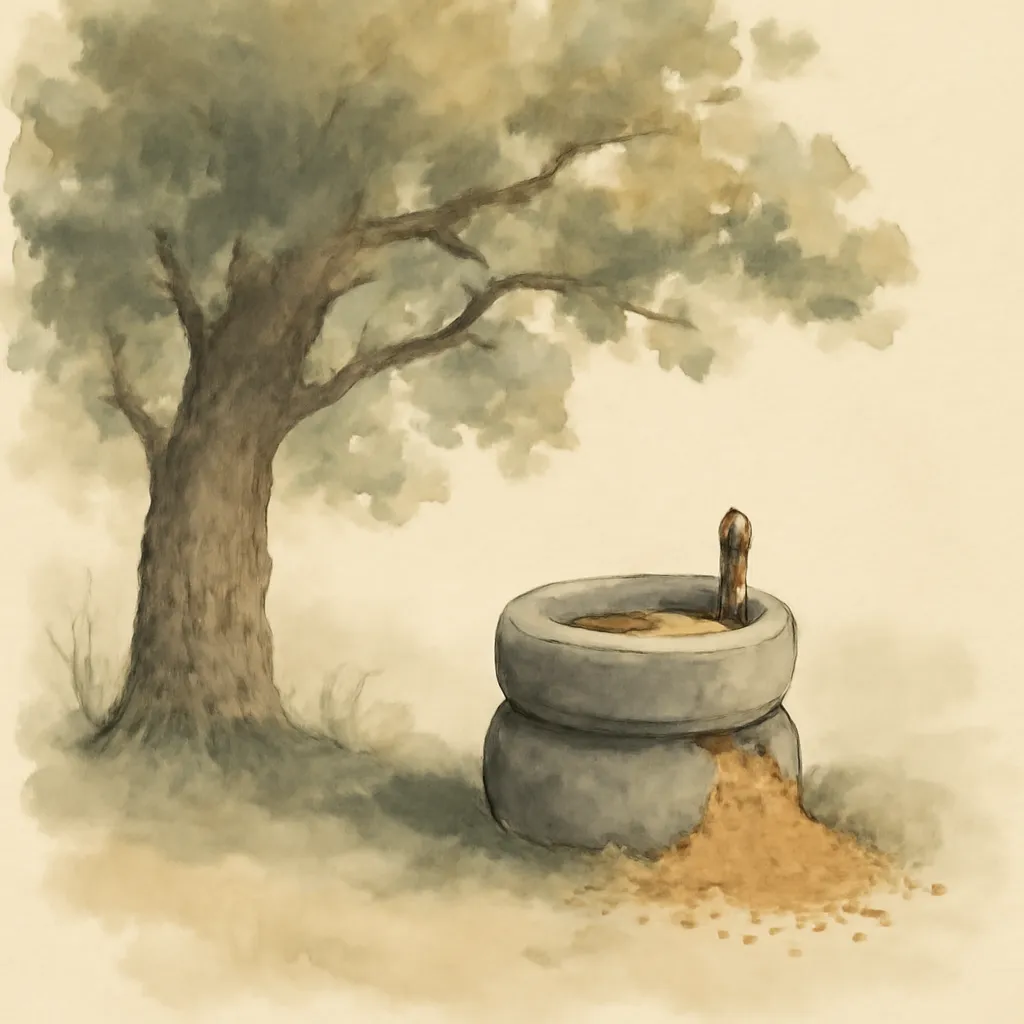
The mountaineers' ingenuity shines through in their everyday practices, particularly in how they utilize natural resources. From constructing makeshift mills to grinding corn using traditional methods, their ability to adapt to their environment is remarkable. The use of querns—hand-operated stone mills—is a testament to their resourcefulness, as they often have to create solutions with limited means. Even in farming, the mountain folk have developed techniques to cultivate crops on steep inclines, demonstrating their deep understanding of the land. This ingenuity is not just about survival; it reflects a profound connection to their heritage and the natural world around them. Their practices are a blend of tradition and innovation, illustrating how necessity drives creativity in the face of adversity.
5.Cultural Traditions and Gatherings
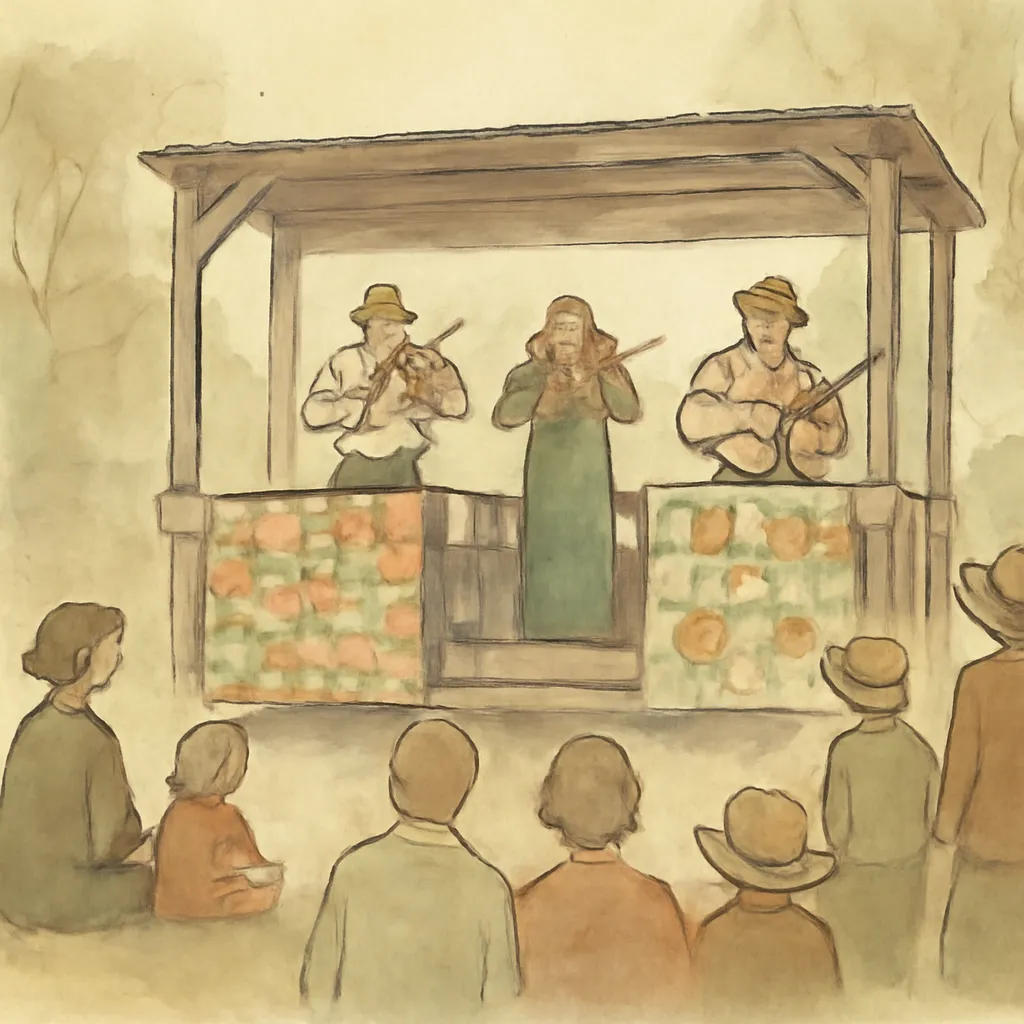
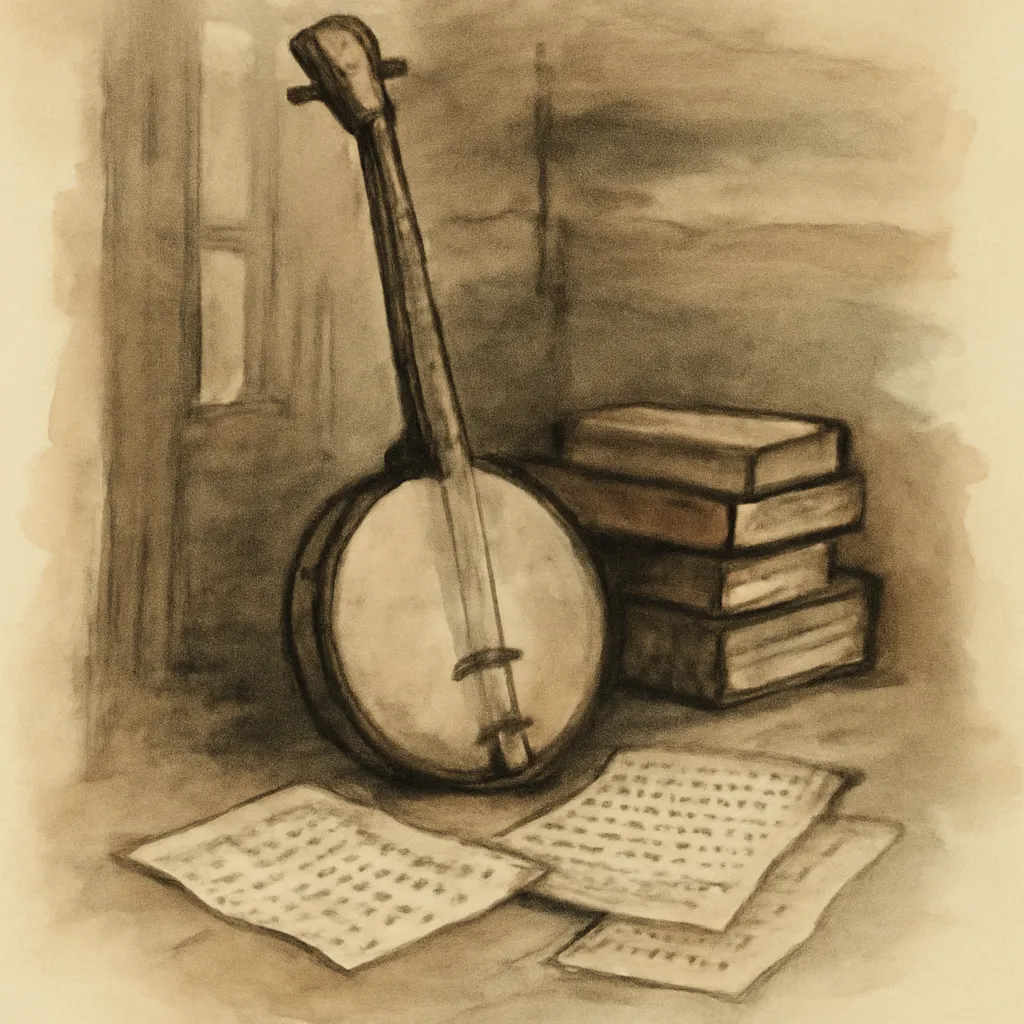
Cultural traditions in the Blue Ridge are vibrant and deeply rooted in community gatherings, where music, storytelling, and shared experiences come to life. Events like singing schools serve not only as a means of education but also as a way to strengthen community bonds. Philomel Whiffet, the singing master, embodies the spirit of these gatherings, bringing people together to celebrate their heritage through song. The church house becomes a focal point for social interaction, where mountain folk gather not just for worship but to connect with one another. These traditions reflect the values of the community—togetherness, respect for heritage, and the importance of oral storytelling. They serve as a reminder of the power of music and community in cultivating a shared identity.
6.Rituals of Mourning and Memory
Funeral customs in the Blue Ridge reveal a deep respect for the dead and a unique approach to mourning. The practice of delaying funeral services until long after burial stems from historical necessities, as communication was often slow in the mountains. This custom allows families to honor their loved ones in a communal setting, inviting friends and relatives to gather and celebrate the deceased's life. The emotional release that accompanies these gatherings underscores the significance of community support during times of grief. Mountain folk may appear stoic in public, but the rituals surrounding death allow for the expression of deep sorrow and remembrance. This blend of practicality and emotion illustrates the intricate relationship between life and death in their culture.
7.Superstitions and Beliefs
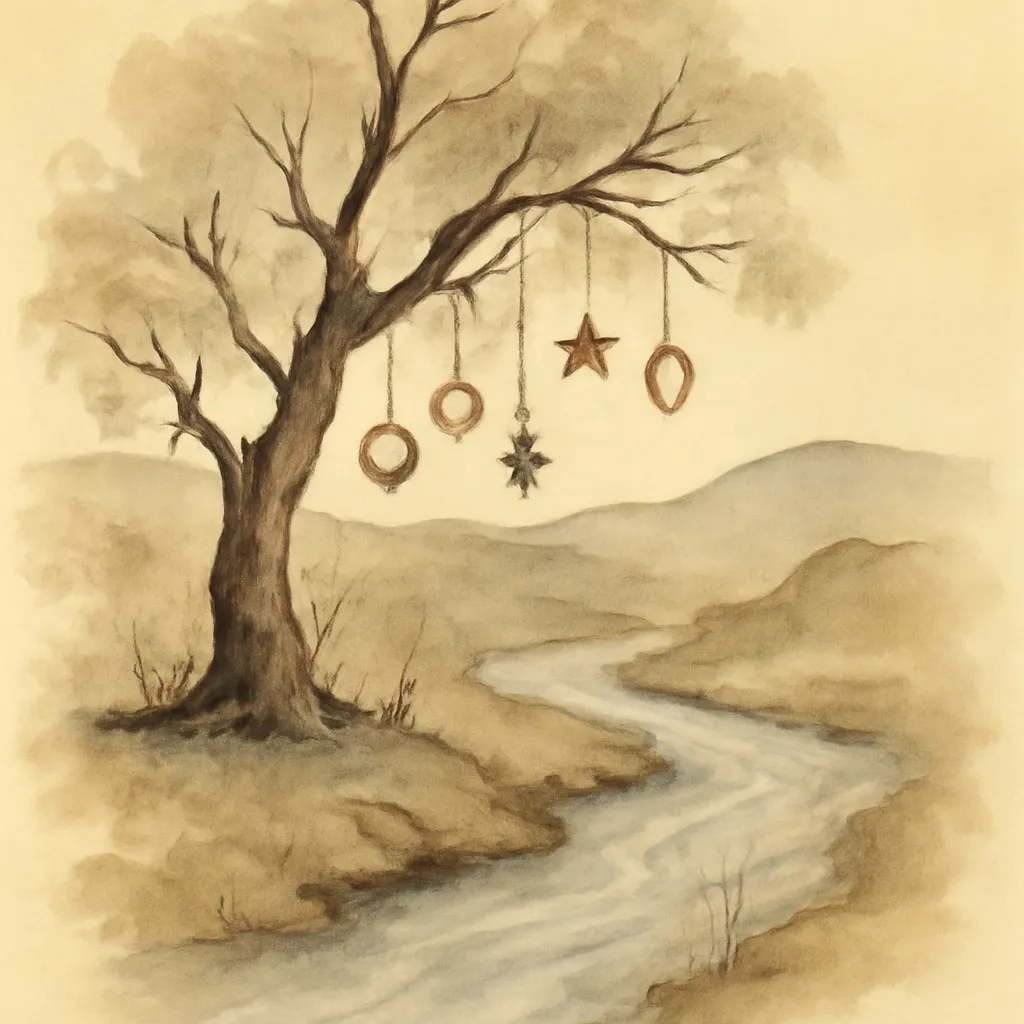
Superstitions play a significant role in the lives of the Blue Ridge folk, influencing their daily decisions and practices. Beliefs such as the importance of omens and the presence of water witches reveal a worldview deeply connected to nature and the spiritual realm. Figures like Noah Buckley, the water witch, embody the folklore that permeates the culture, where the ability to find water is seen as a mystical gift. These superstitions are not merely relics of the past; they inform how individuals interact with their environment and navigate challenges. The fear of the unknown is palpable, as seen in the timbermen's avoidance of the Ohio River, driven by tales of danger and witchcraft. Such beliefs reflect the community's desire to make sense of their world through stories that are passed down through generations.
8.The Landscape as a Character
The Blue Ridge landscape is not just a backdrop; it is a character in its own right, shaping the lives and identities of those who inhabit it. The natural beauty of the region, with its towering mountains, lush valleys, and flowing rivers, serves as a source of inspiration and sustenance. The seasons bring dramatic changes, each with its own rhythm and significance, influencing everything from agricultural practices to cultural celebrations. The vibrant flora and fauna of Appalachia are celebrated in poetry and song, reflecting the deep connection between the people and their environment. This relationship is reciprocal; the land nurtures the inhabitants, while they in turn honor and protect its beauty. The landscape is woven into the very fabric of their identity, representing both challenges and bounties.
9.Artistry and Expression
Despite facing socioeconomic challenges, the mountain folk possess a rich artistic tradition that manifests in their music, poetry, and storytelling. The ability to express joy and sorrow through song is a vital aspect of their culture, as seen in the works of individuals like Jilson Setters, the Singin' Fiddler. The artistry of the Blue Ridge is not confined to formal education; it thrives in the hearts of those who may be illiterate yet possess a profound understanding of their heritage. Their songs often reflect the struggles of mountain life, capturing the beauty and harsh realities of their existence. This artistic expression serves as a means of preserving their culture and passing down stories to future generations, reinforcing the importance of identity and community in their lives.
10.Enduring Legacy of the Blue Ridge
The legacy of the Blue Ridge Country is one of resilience, tradition, and an unwavering spirit. While the region has faced challenges from modernization and external influences, its inhabitants continue to uphold their customs and way of life. The stories of feuds, superstitions, and artistic expression provide a window into a world that remains vibrant and alive. As contemporary society evolves, the lessons learned from the mountain folk—about self-reliance, community, and the importance of heritage—remain relevant. The Blue Ridge serves as a reminder of the rich cultural tapestry that exists within America, where the past and present intertwine to create a unique identity. Understanding this legacy fosters appreciation for the complexities of American culture and the diverse experiences that shape it.