1.The Art of Biography
Boswell's Life of Johnson exemplifies the art of biography, where the author skillfully intertwines his narrative with the life of his subject. Phillips Brooks highlights the intimacy shared among the biographer, the subject, and the reader, with Johnson being the most engaging of the trio. However, Boswell's presence often overshadows his subject as he interjects his own thoughts and experiences, which some criticize as self-indulgent. Yet, it is this very presence that adds a layer of authenticity and relatability to the narrative, creating a bridge between the 18th-century world and modern readers. The biography serves as a testament to the transformative power of literature, inviting readers to reflect on their own lives through the lens of Johnson's experiences. This art form is not merely about recounting events but about capturing the essence of a person’s thoughts and feelings, ultimately crafting a narrative that resonates across time.
2.Johnson's Intellectual Resilience

Samuel Johnson's life story is one of intellectual resilience against the backdrop of adversity. Born into a world stripped of ornamentation, Johnson faced numerous challenges, including poverty and a tumultuous upbringing, which included struggles such as his father's death and his own health issues. Despite these odds, he emerged with a mind that was both Olympian in stature and unyielding in its quest for truth. Johnson's disdain for superficiality and nonsense is a recurring theme in Boswell’s account, as he consistently advocated for the dignity and rights of the individual. His life illustrates the importance of intellectual rigor and moral integrity, serving as a beacon for those navigating the complexities of existence. This resilience not only shaped his own character but also influenced the literary landscape of his time, making him a pivotal figure in the realm of English literature. His ability to confront societal norms and engage with philosophical ideas reflects a deep understanding of the human condition and the struggles inherent within it.
3.A Rich Tapestry of Relationships
Through Boswell's eyes, readers are introduced to a rich tapestry of relationships that defined Johnson's life. From his tumultuous friendship with Richard Savage, characterized by both camaraderie and hardship, to his interactions with literary giants and everyday people, Johnson's life was marked by a multitude of connections. Each relationship is detailed with nuance, showcasing Johnson's ability to engage with individuals from all walks of life, including royalty and commoners alike. The inclusion of various characters, such as the cat Hodge and the King, highlights the breadth of Johnson's social circle and his capacity for empathy and understanding. Boswell’s portrayal of these relationships invites the reader to reflect on their own connections and the impact of community on personal growth and intellectual development. These interactions reveal Johnson's wit and wisdom while also illustrating his vulnerabilities, creating a multifaceted understanding of the man behind the literary legend.
4.The Duality of Johnson's Nature
Johnson's character embodies a fascinating duality: he was both a towering intellectual and a deeply flawed human being. Boswell captures this duality through anecdotes that reveal Johnson's vulnerabilities, including his struggles with depression and alcohol. Despite his formidable intellect, Johnson was not immune to the human condition, often grappling with feelings of loneliness and despair. His candidness about his flaws, coupled with his moral teachings, creates a complex portrait that resonates with readers. This duality serves as a reminder that greatness in intellect does not preclude personal struggles, making Johnson a relatable figure for anyone navigating the challenges of life. His ability to confront his weaknesses while maintaining a commitment to truth and virtue is a powerful lesson in resilience. Boswell's narratives highlight moments of humor and levity alongside Johnson's darker reflections, painting a comprehensive picture of a man who was both brilliant and profoundly human.
5.The Role of Education and Mentorship

Education played a pivotal role in shaping Johnson's worldview, and Boswell highlights the influences of various mentors throughout his life. From his rigorous schooling under Mr. Hunter, where he faced strict discipline, to the intellectual stimulation he received from peers at Pembroke College, Johnson's education was marked by both structure and encouragement. He famously stated, 'My master whipt me very well. Without that, Sir, I should have done nothing,' emphasizing the necessity of discipline in learning. This perspective on education underscores the importance of mentorship in fostering intellectual growth and moral development. Johnson's own commitment to lifelong learning and his advocacy for teaching through respect and discipline offer valuable insights into the role of education in personal and societal advancement. His reverence for knowledge, paired with a practical approach to teaching, provides a model for educators and learners alike.
6.Johnson's Views on Society and Morality
Johnson's insights into society and morality reflect a deep understanding of human nature and the complexities of social interactions. He championed the dignity of the individual while simultaneously advocating for reverence and submission to higher moral standards. His conversations reveal a keen awareness of the societal pressures that shape behavior and beliefs. Johnson's disdain for hypocrisy and superficiality is evident in his critique of social norms, as he urged individuals to engage in sincere self-reflection. He believed that a man should keep his friendship in constant repair, which speaks to the importance of nurturing relationships in a world often characterized by competition and envy. His moral compass not only guided his life but also provides timeless wisdom for navigating the moral dilemmas of contemporary society. Through Boswell's narrative, Johnson emerges as a moral philosopher whose thoughts on ethics continue to resonate in today's discussions about right and wrong.
7.The Influence of Literature and Creativity

Literature was not merely a profession for Johnson; it was a vital part of his identity and a means of engaging with the world. His works, including The Life of Richard Savage and his essays in The Rambler, showcase his ability to weave moral and philosophical insights into compelling narratives. Johnson's literary endeavors reflect his belief in the power of storytelling to illuminate the human experience. His interactions with fellow writers and the theatrical community further enriched his understanding of creativity and its role in society. Johnson's encouragement of emerging writers and his critical eye for literature illustrate his commitment to the craft and the impact of literary discourse. By examining Johnson's relationship with literature, readers are encouraged to appreciate the transformative potential of writing and the importance of artistic expression in shaping cultural values and individual perspectives. His legacy as a writer continues to inspire generations of authors and thinkers, reinforcing the idea that literature serves as a mirror to society.
8.Navigating Fame and Recognition
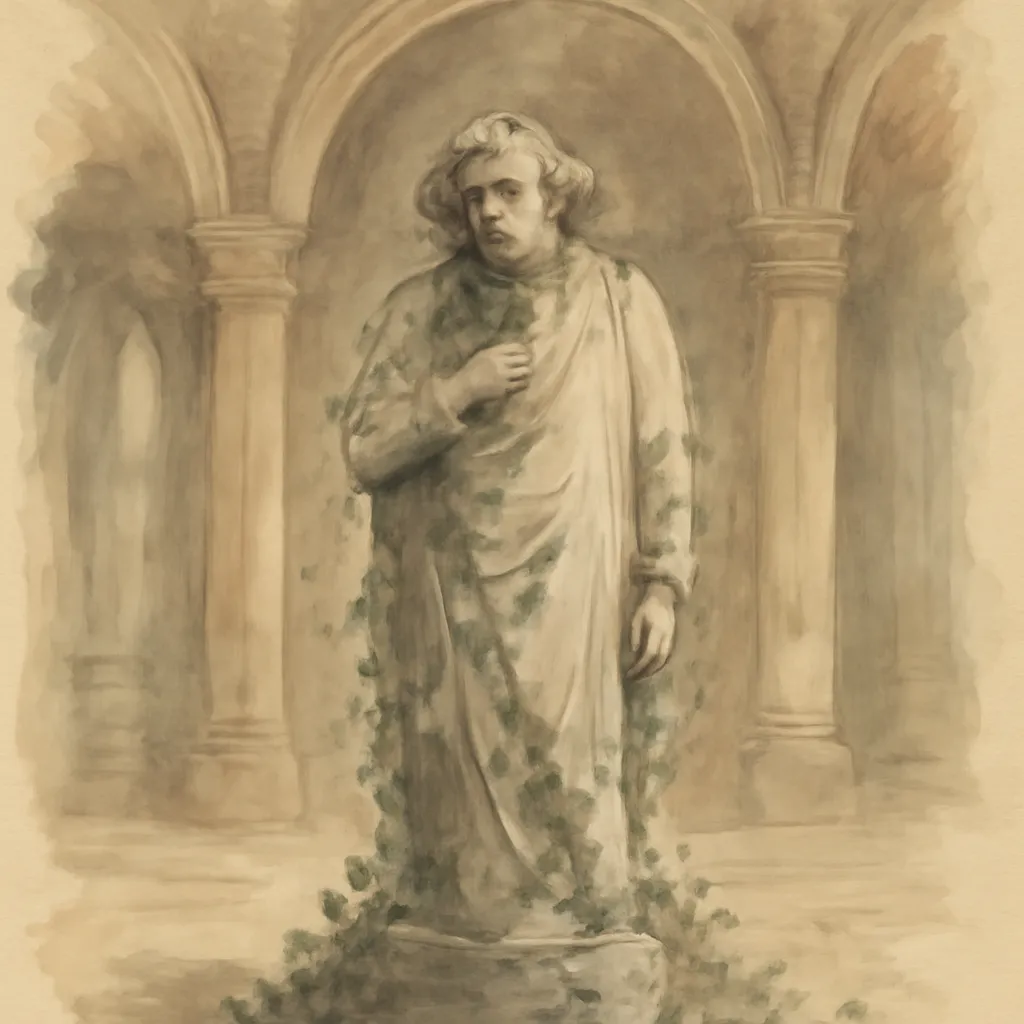
Johnson's journey through fame and recognition was fraught with challenges, illustrating the complexities of public life. Despite his literary accomplishments, he often felt the weight of societal expectations and the fickleness of public opinion. His famous rejection of Lord Chesterfield's patronage exemplifies his commitment to integrity over opportunism, as he valued respect and self-worth above fleeting fame. 'I would rather have the rod to be the general terror to all, to make them learn,' he remarked, highlighting his belief in the importance of principled living. This perspective on fame serves as a cautionary tale about the potential pitfalls of seeking approval and the necessity of staying true to one's values in the face of external pressures. Johnson's life offers insights into the tension between personal ambition and the desire for societal acceptance, reminding readers that true fulfillment often comes from authenticity rather than public acclaim.
9.The Legacy of Johnson's Wisdom
The wisdom encapsulated in Johnson's life and works continues to resonate through the ages, providing guidance for contemporary readers. His reflections on human nature, morality, and the pursuit of knowledge offer a timeless framework for navigating life's challenges. Boswell’s detailed account serves not only as a biography but also as a repository of Johnson's thoughts that encourage readers to engage in self-examination and pursue intellectual growth. Johnson's assertion that 'a man cannot be in a passion' when conversing with a sovereign underscores the importance of dignity and composure in all interactions. This legacy of wisdom invites readers to cultivate their own understanding of life, fostering a deeper connection with both themselves and the world around them. Johnson's teachings on friendship, morality, and the value of literature serve as guiding principles that remain relevant in today's complex society.
10.The Power of Conversation
Johnson's life was characterized by vibrant conversations that reflect his belief in the power of dialogue as a means of intellectual exchange. His discussions with friends, family, and acquaintances reveal his ability to engage with diverse perspectives while remaining true to his convictions. The lively exchanges captured by Boswell highlight how conversation can serve as a catalyst for personal growth and understanding. Johnson's humor and wit, often displayed in his interactions, emphasize the importance of levity in serious discussions. This appreciation for conversation encourages readers to seek out meaningful dialogues in their own lives, recognizing that such interactions can lead to enlightenment and deeper connections with others. Through his conversations, Johnson demonstrates that the exchange of ideas is not just an intellectual exercise, but a vital part of the human experience that enriches relationships and fosters community.