1.The Power of Friendship and Teamwork
The five chums—Ned, Jack, Jimmy, Frank, and Teddy—demonstrate the strength of friendship as they support one another through challenges. Their camaraderie is evident as they joke, tease, and encourage each other while tackling the difficulties of their expedition. Each boy brings unique skills and perspectives to the group, allowing them to overcome obstacles more effectively than they could alone. For instance, when faced with the chaos of a moose charging their camp, it is their quick teamwork that helps them regroup and maintain order. This highlights the importance of collaboration and trust in achieving common goals, especially in unfamiliar and potentially dangerous environments. As they navigate the wilderness, the boys exemplify how teamwork can turn difficult situations into manageable ones, fostering a sense of unity that is crucial for their survival.
2.Confronting Nature's Challenges
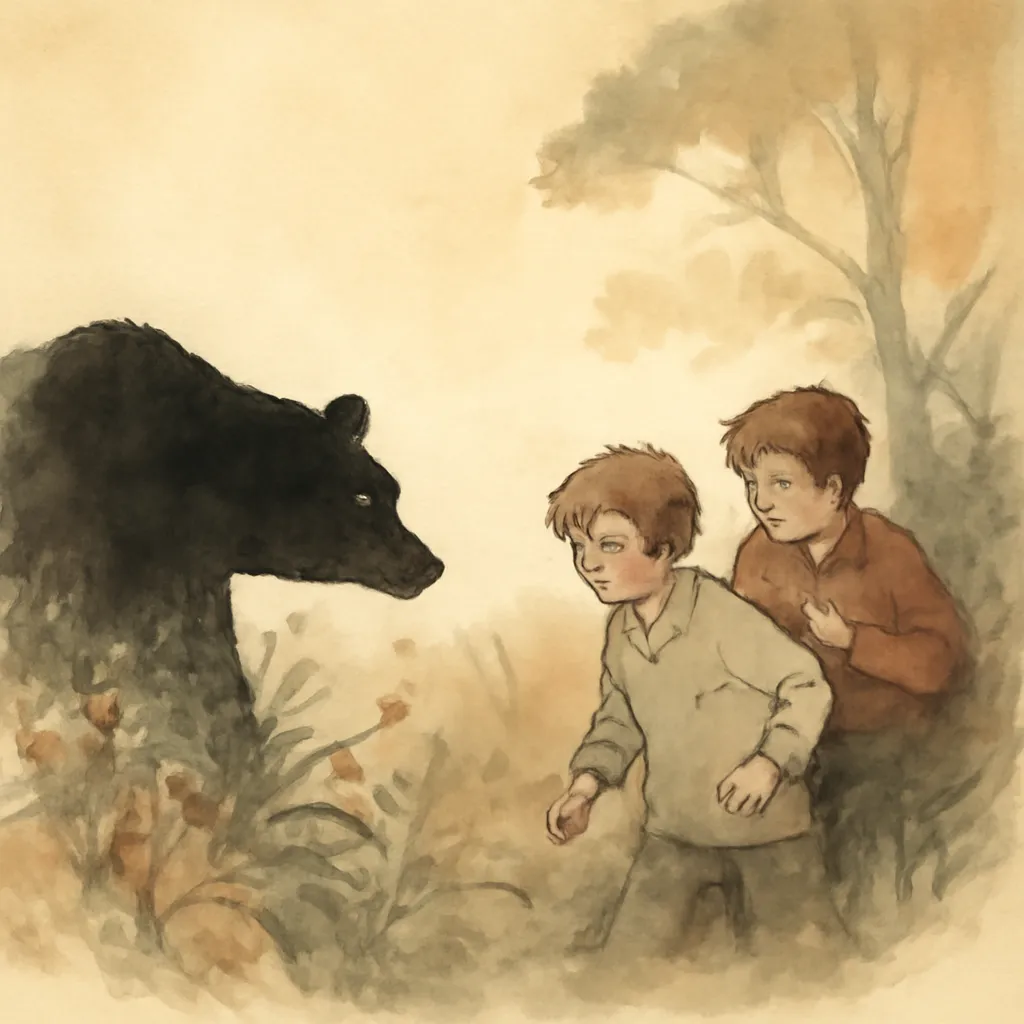
As the scouts navigate the wilds of Hudson Bay, they encounter the unpredictable forces of nature. From the wild charge of a bull moose to the treacherous rapids they must navigate, the boys learn to respect the environment and adapt to its challenges. Their experience is a testament to the unpredictability of the great outdoors, where every moment can bring a new trial. The boys’ reactions to these situations also demonstrate their growth as scouts, as they apply their training and instincts to assess risks and make decisions. For example, when they hear the roar of the rapids, they wisely pause to discuss their approach, showcasing their ability to think critically about safety in a high-stakes situation. Additionally, their encounters with wildlife, such as the moose and the various birds they observe, teach them the importance of caution and awareness in nature, deepening their appreciation for the untamed world they are exploring.
3.The Mystery of the Disappearing Fleet
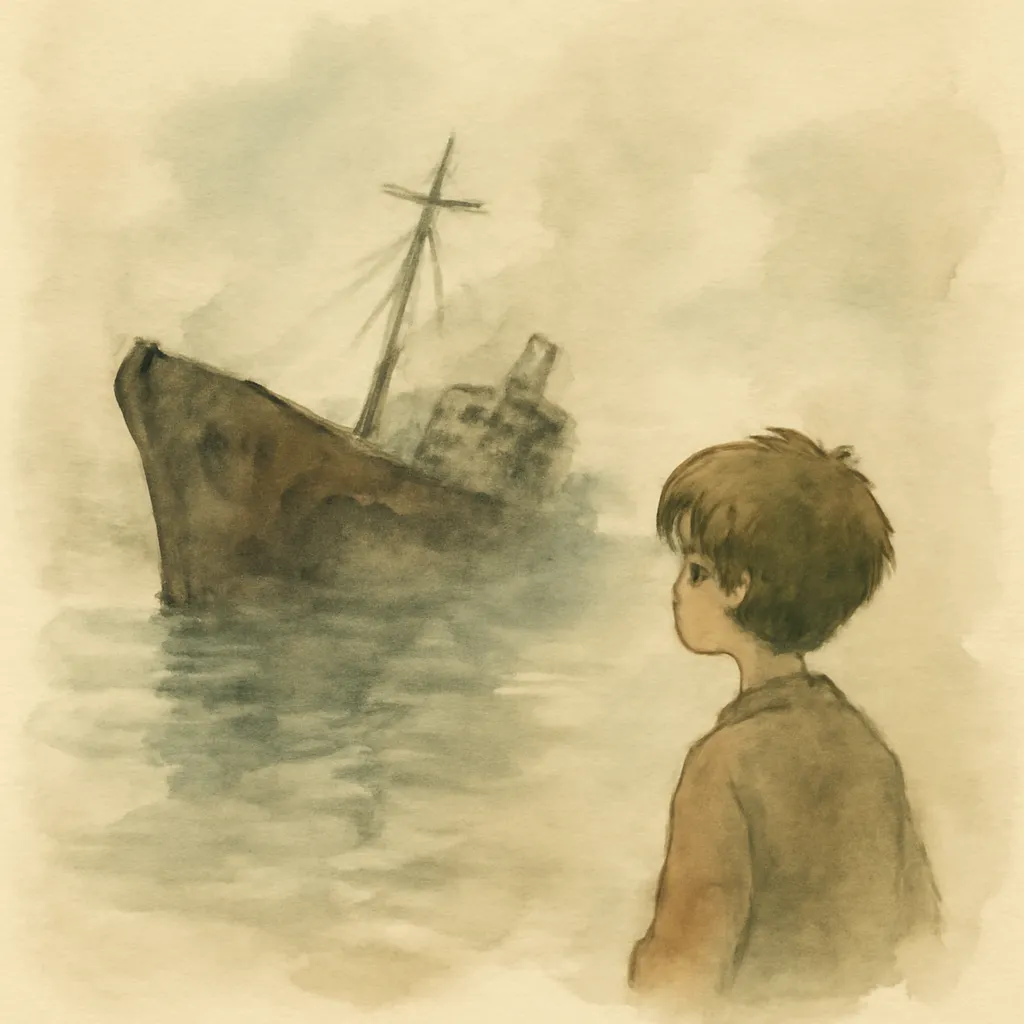
A central theme in the story is the enigma of the disappearing fleet that the boys hear whispers about during their journey. This mystery serves as a catalyst for their adventure, driving them to investigate and uncover the truth behind local legends. The scouts’ curiosity leads them to explore the coastline and observe strange occurrences, such as the sighting of a mirage on the horizon. This narrative thread highlights the human fascination with the unknown and the thrill of exploration, urging readers to embrace their curiosity and seek out answers. As the boys piece together clues, they embody the spirit of adventure that is intrinsic to the Boy Scout ethos. Their determination to solve this mystery illustrates the importance of inquiry and critical thinking—qualities that are essential not only for scouts but for anyone seeking to understand the world around them.
4.Woodcraft Skills in Action

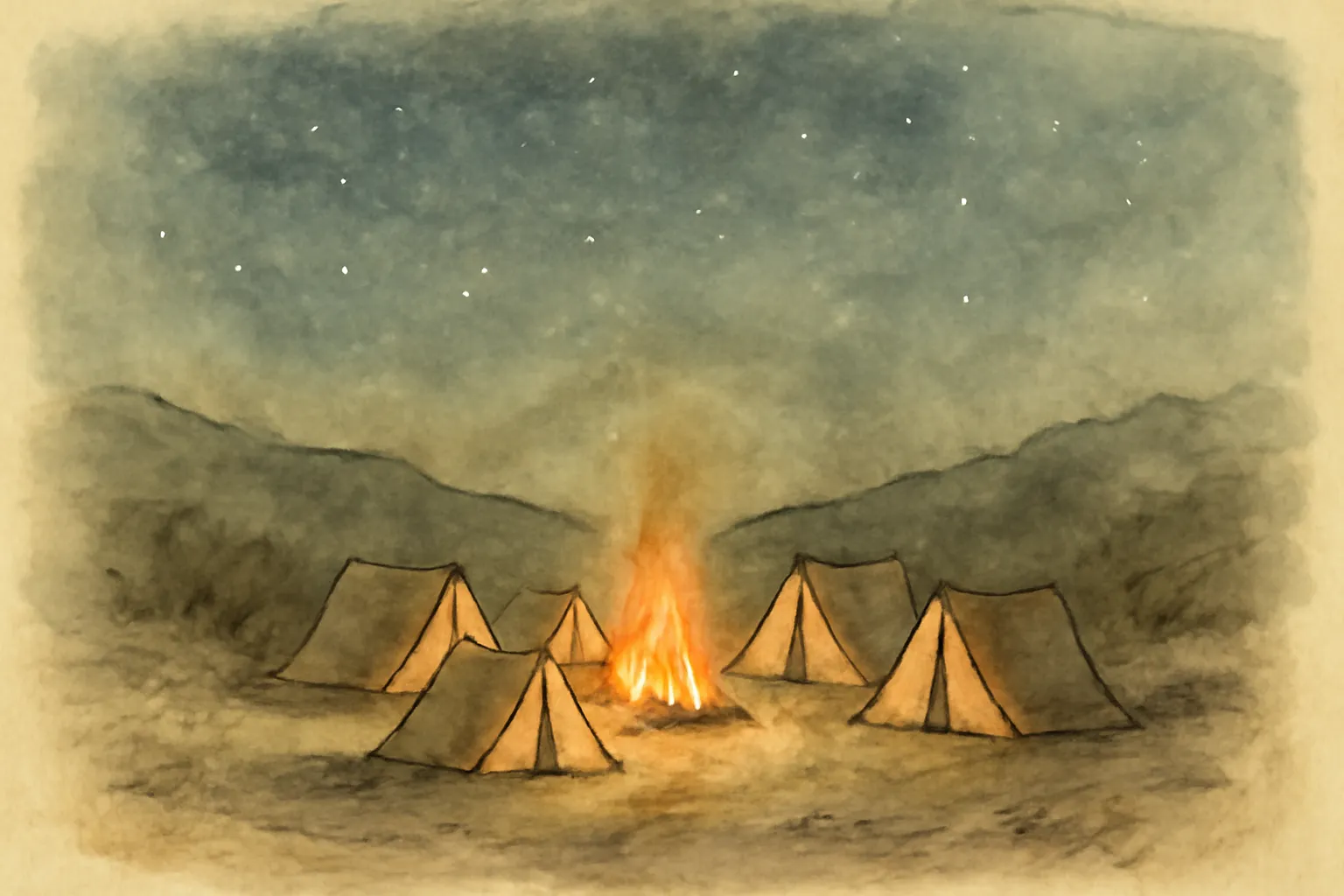
Throughout their expedition, the scouts rely heavily on their woodcraft skills, which are essential for survival in the wilderness. From pitching tents to cooking meals over a campfire, the boys demonstrate practical knowledge that is integral to their success. Their ability to identify edible fish and prepare them for dinner showcases their understanding of the local environment and the resources it offers. For instance, they show resourcefulness when preparing delicious trout for dinner, a skill that not only feeds them but also boosts their morale. Additionally, their ability to read signs in the environment, such as the remains of a previous campfire, emphasizes the importance of observation and understanding nature. This aspect of the story serves as an educational component, illustrating the value of learning survival skills and respecting the natural world, while also encouraging readers to appreciate the knowledge passed down through generations of scouts.
5.Facing Danger and Overcoming Fear
The boys confront various dangers during their journey, from wild animals to potential human threats. Each encounter tests their courage and resolve, forcing them to confront their fears head-on. For example, when they initially hear sounds of unknown men in the woods, their instincts kick in, and they prepare to defend themselves. This moment encapsulates the essence of bravery, as they choose to stand their ground rather than flee. The boys’ discussions about their fears and how to manage them reveal the psychological aspects of courage, showcasing that bravery is not the absence of fear but the willingness to act despite it. Additionally, the story delves into how the boys support each other during these moments of uncertainty, reinforcing the idea that facing fears is often easier when one has a strong support system. Their experiences illustrate that overcoming fear is a journey that requires both individual strength and collective encouragement.
6.Resourcefulness in the Face of Adversity
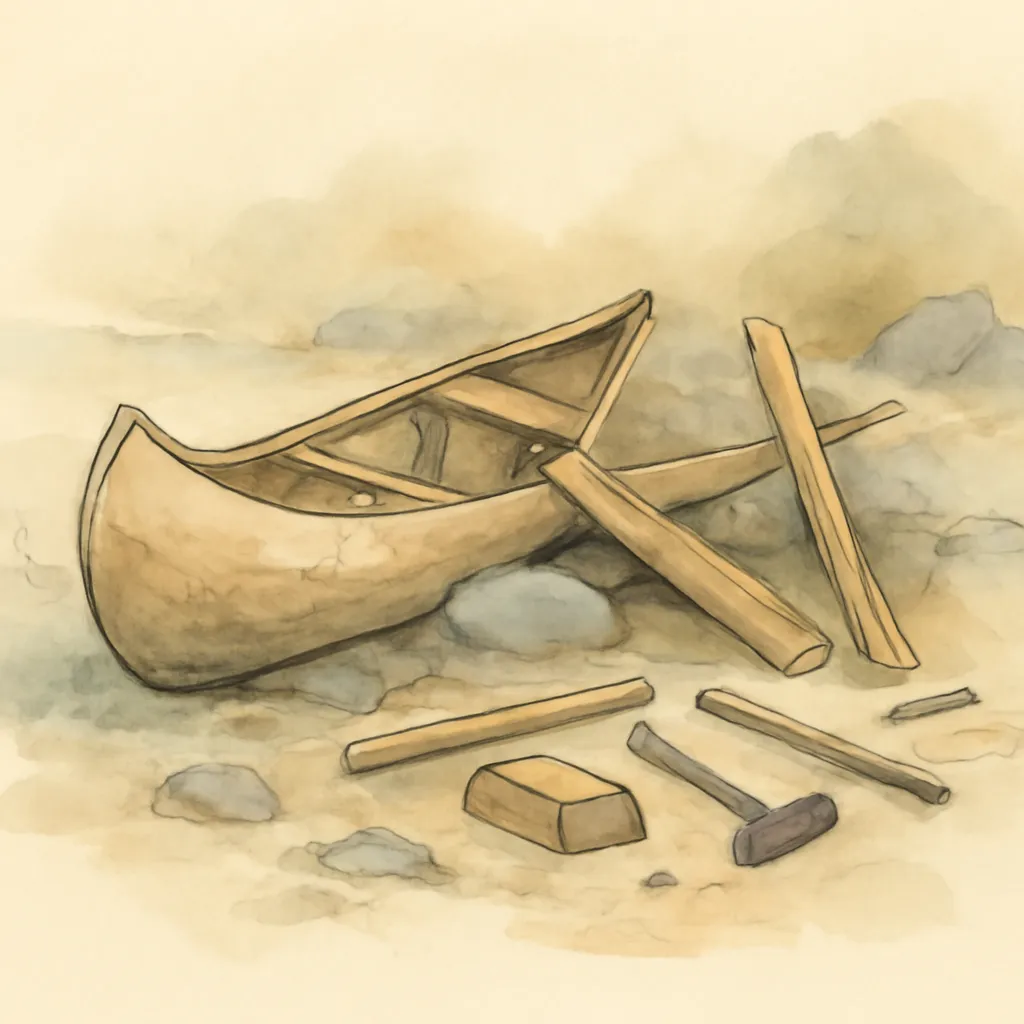
Resourcefulness is a recurring theme as the scouts navigate the challenges of their journey. When they find themselves in dire straits, such as losing their canoes or running low on supplies, their ability to think creatively allows them to adapt and survive. The boys devise plans to gather food, build shelters, and signal for help, demonstrating that ingenuity is as valuable as physical strength. For instance, after losing their canoes to thieves, they quickly discuss alternative ways to continue their journey, brainstorming how to reach their destination on foot while maintaining their spirits. This theme resonates with readers, encouraging them to cultivate their own resourcefulness in everyday life. By showcasing the boys’ quick thinking and adaptability, the story emphasizes that challenges can often lead to unexpected solutions and personal growth. It sends a message that with determination and creativity, one can find a way through even the toughest situations.
7.The Importance of Leadership

Ned emerges as a natural leader among the group, guiding his friends with confidence and decisiveness. His leadership is characterized by a blend of empathy, strategic thinking, and a willingness to listen to others. Throughout the story, Ned takes the initiative in critical situations, whether it’s deciding how to approach a new challenge or ensuring the safety of his friends. His ability to inspire and motivate the group reinforces the idea that effective leadership is about fostering collaboration and encouraging others to contribute their strengths. This portrayal of leadership serves as a model for readers, highlighting the qualities that make a good leader, such as integrity, courage, and compassion. Furthermore, the dynamics within the group illustrate how leadership can be situational, with different members stepping up based on the challenges they face. This concept of shared leadership emphasizes that everyone has a role to play and that true leadership often involves uplifting others.
8.Navigating Ethical Dilemmas
As the scouts uncover the truth about the mysterious fleet and the fraudulent mine operation, they face ethical dilemmas that challenge their moral compass. They must decide whether to expose the deception, knowing it could have serious consequences for themselves and others. The tension in these situations highlights the complexity of right and wrong, inviting readers to reflect on their own values. The boys’ discussions about what to do with the knowledge they’ve gained emphasize the importance of integrity and standing up for what is right, even when it is difficult. This aspect of the story serves as a moral lesson, prompting readers to consider the implications of their actions and the potential impact on others. The ethical challenges the boys face encourage a deeper understanding of the importance of honesty and accountability in one’s actions, reinforcing that courage often requires moral fortitude.
9.The Role of Nature in Personal Growth

The wilderness serves not only as a backdrop for the boys’ adventure but also as a catalyst for their personal growth. As they navigate the challenges of nature, they learn valuable lessons about resilience, perseverance, and self-discovery. Each trial they face pushes them beyond their comfort zones, allowing them to develop a deeper understanding of themselves and their capabilities. Their experiences, such as encountering the moose or dealing with the harsh realities of survival, prompt moments of introspection and growth. The natural setting also ignites a sense of wonder and appreciation for the environment, instilling a lifelong connection to nature. This theme underscores the transformative power of the outdoors, encouraging readers to embrace their own adventures and the lessons that come with them. By immersing themselves in nature, the boys not only enhance their survival skills but also cultivate a profound respect for the world around them, which ultimately shapes their character.