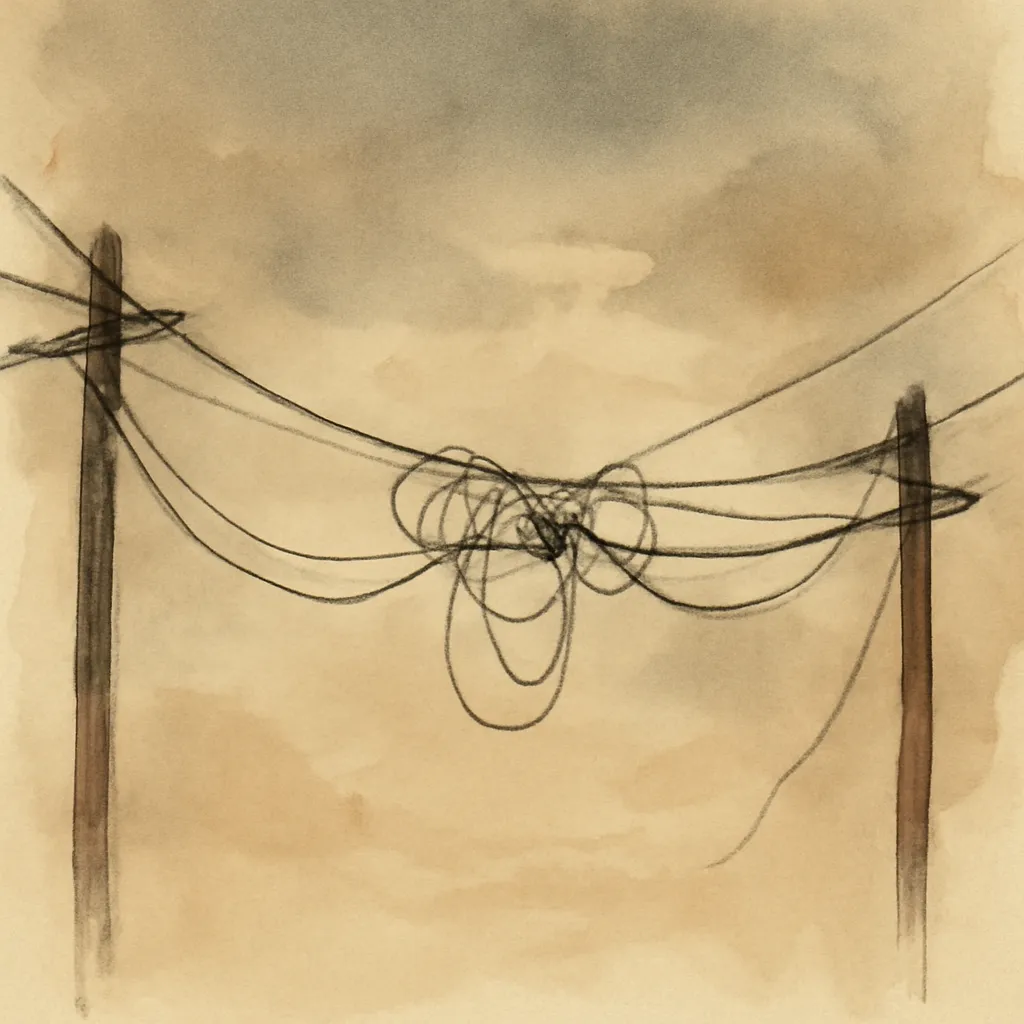
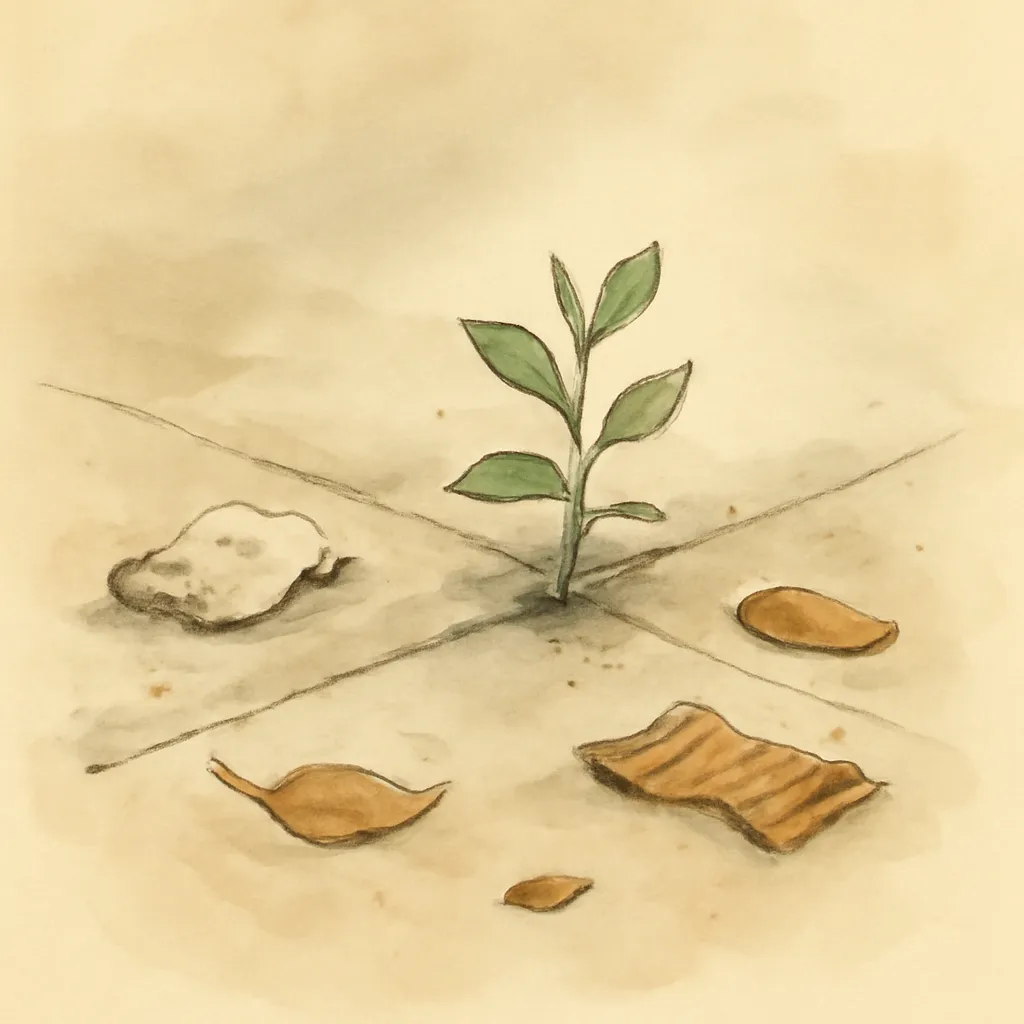
1.The Complexity of Ordinary Lives
Tyler’s novel reveals the richness within seemingly mundane routines. Maggie and Ira’s day-long trip is filled with small talk, memories, and minor mishaps, but beneath these surface events lies a profound exploration of love, regret, and compromise. The book suggests that the extraordinary is often hidden within the ordinary, and that the real drama of life is found not in grand gestures but in the accumulation of small moments and choices.
2.Marriage as a Living, Evolving Entity
Breathing Lessons examines marriage as something dynamic, shaped by time, misunderstandings, and forgiveness. Maggie and Ira’s relationship is not idealized; it’s marked by irritation, affection, disappointment, and hope. Tyler explores how spouses can be both deeply familiar and perpetually mysterious to each other, and how enduring love is less about perfection than about persistence and adaptation.
3.Memory, Nostalgia, and the Passage of Time
The novel is steeped in nostalgia, as Maggie and Ira revisit their shared past and reflect on roads not taken. Tyler highlights how memory shapes identity and relationships, and how longing for what might have been can coexist with acceptance of what is. This meditation on time gives the book a bittersweet tone, inviting readers to consider how their own histories color their present.
4.Communication and Miscommunication
A recurring theme is the difficulty of truly understanding another person, even someone as close as a spouse. Maggie’s tendency to meddle and Ira’s reserve lead to both comic misunderstandings and poignant disconnects. Tyler uses their conversations—by turns funny, frustrating, and touching—to show how communication can both bridge and widen the gaps between people.
5.Resilience and the Value of Small Acts
Despite disappointments and unfulfilled dreams, Maggie and Ira persist in their efforts to care for each other and their family. Tyler suggests that resilience is found not in dramatic transformations but in the willingness to keep trying, to forgive, and to find meaning in everyday acts of kindness and connection.
6.The Elusiveness of Control
Throughout the novel, Maggie attempts to fix the lives of those around her, often with unintended consequences. Tyler subtly critiques the human desire to control outcomes, highlighting both the futility and the hopefulness of such efforts. The story ultimately embraces the unpredictability of life and the necessity of letting go.