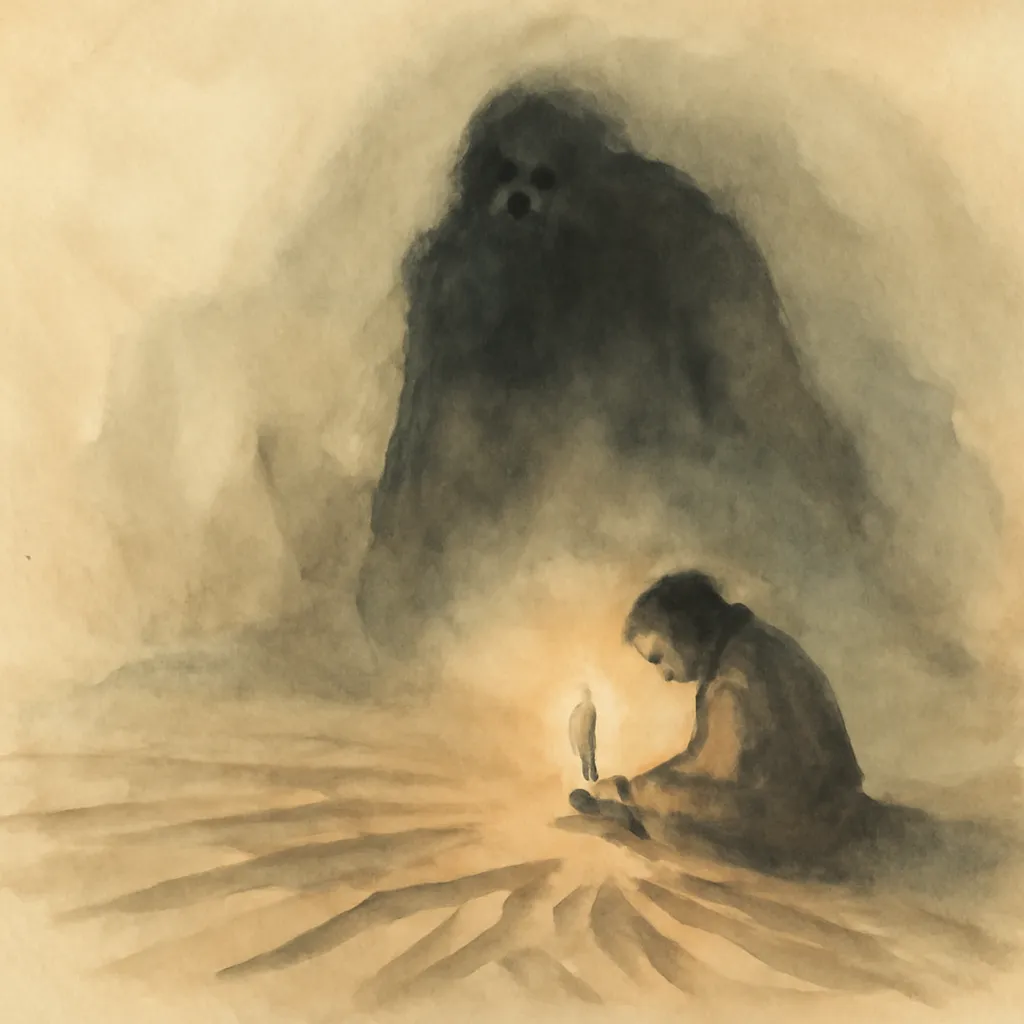
1.The Fragility of Human Identity
Chet Bullard's awakening in the hospital serves as a powerful metaphor for the fragility of identity. As he struggles to piece together his memories and confronts his vulnerability, readers witness how quickly life can shift from certainty to confusion. The moment he recalls his role as a Master Pilot is significant; it not only marks a personal triumph but also ties into the larger theme of self-discovery under duress. Throughout the novel, characters grapple with their sense of self, particularly when faced with dire circumstances that force them to confront their innermost fears and desires. Chet’s journey illustrates that identity is not a static entity but rather evolves through experiences. This theme resonates profoundly as individuals often find themselves questioning their roles and values when confronted with the chaos of survival.
2.The Perils of Captivity

The capture of Chet, Walt, and Diane by Schwartzmann is a pivotal moment that encapsulates the psychological and physical dangers inherent in being held prisoner. The narrative dives deep into the mental strain of captivity, portraying their attempts to navigate a world where their freedom is stripped away. Schwartzmann, a character defined by his ruthlessness, embodies the threat of tyranny, manipulating fear to maintain control over the protagonists. As they endure threats and intimidation, Chet and his companions must grapple with hopelessness and despair. This theme is not just about physical entrapment; it also explores the psychological impacts of power dynamics, highlighting how the captor's influence can warp personal relationships. The characters’ resilience in the face of such peril underscores the human spirit's capacity to endure even the most harrowing conditions, reminding readers that survival often requires not just strength but also mental fortitude.
3.The Bond of Friendship
Friendship emerges as a central pillar of strength for Chet, Walt, and Diane throughout their perilous journey. Their interactions reveal the depth of their loyalty and commitment to one another, serving as a source of courage in the face of overwhelming odds. The moments they share—whether strategizing an escape or providing emotional support—illustrate the profound impact of companionship. Chet’s observations of Walt and Diane’s concern for each other highlight a crucial aspect of their relationships: even amid chaos, they find solace in one another. The loyalty they exhibit not only fosters emotional resilience but also enhances their problem-solving capabilities. Ultimately, this theme reiterates that while individual strength is vital, the bonds forged through shared experiences can empower individuals to overcome formidable challenges together.
4.Courage in the Face of Fear
Chet's internal battle with fear is a compelling exploration of the nature of courage. His journey through the Dark Moon is fraught with peril, and as he confronts overwhelming dangers, he must navigate the fine line between fear and action. The narrative emphasizes that courage is not the absence of fear but rather the ability to act in spite of it. Chet’s evolution from a frightened captive to a proactive agent of change illustrates this distinction beautifully. Each decision he makes—whether attempting to escape or confronting Schwartzmann—is underscored by a deep-seated determination to protect those he cares about. This theme resonates universally; it reminds readers that facing one’s fears is a necessary step in personal growth and that real bravery often requires confronting the unknown with resolve and tenacity.
5.The Quest for Knowledge and Survival
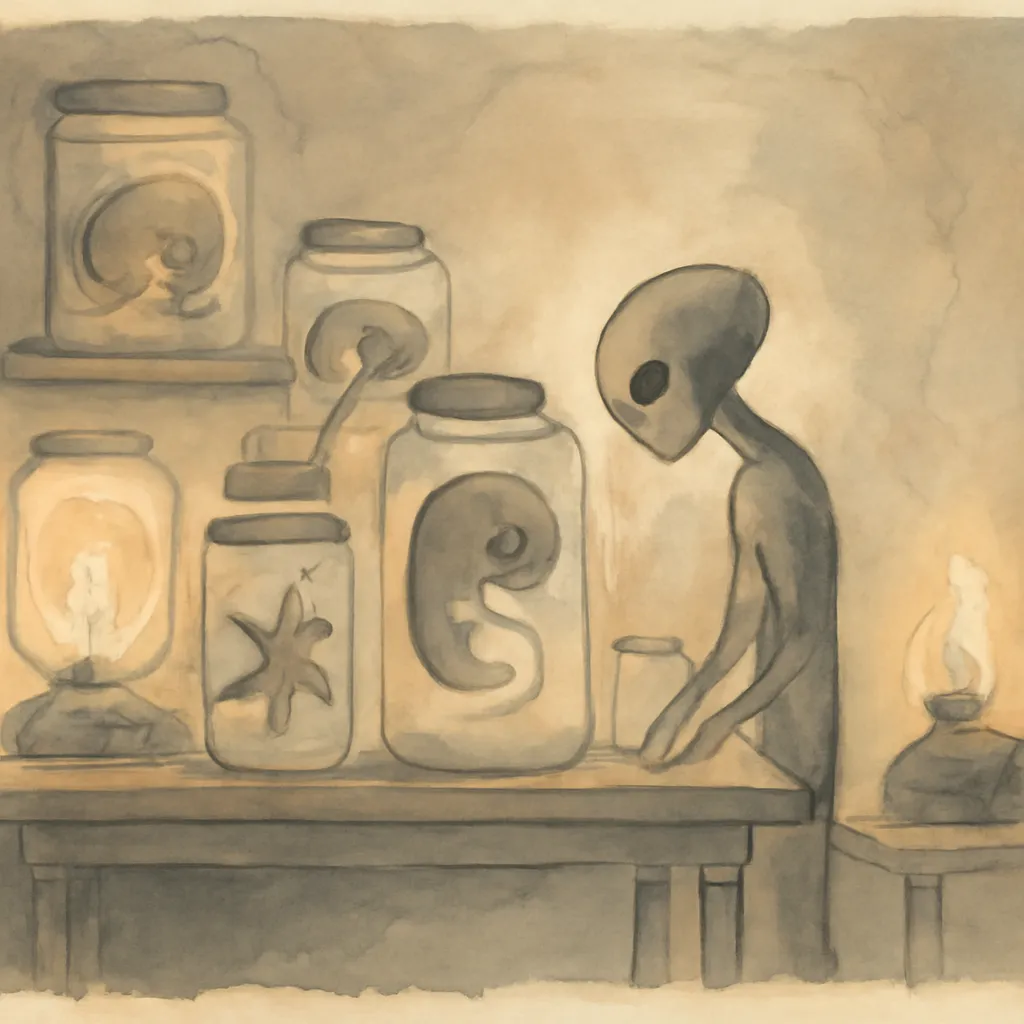
Herr Kreiss epitomizes the relentless pursuit of knowledge, even amidst the chaos of survival. His scientific curiosity drives much of the narrative, as he seeks to understand the alien environment that surrounds them. Kreiss’s experiments not only serve the plot but also reflect a broader theme of humanity’s insatiable thirst for understanding. The juxtaposition of survival with the quest for knowledge emphasizes that the two are often intertwined—gaining knowledge about their surroundings is essential for the characters’ survival. Kreiss’s character invites readers to consider the implications of scientific exploration and its potential repercussions in unknown territories. This theme highlights the tension between curiosity and caution, underscoring that while knowledge can empower, it must be approached with respect and responsibility.
6.The Duality of Nature
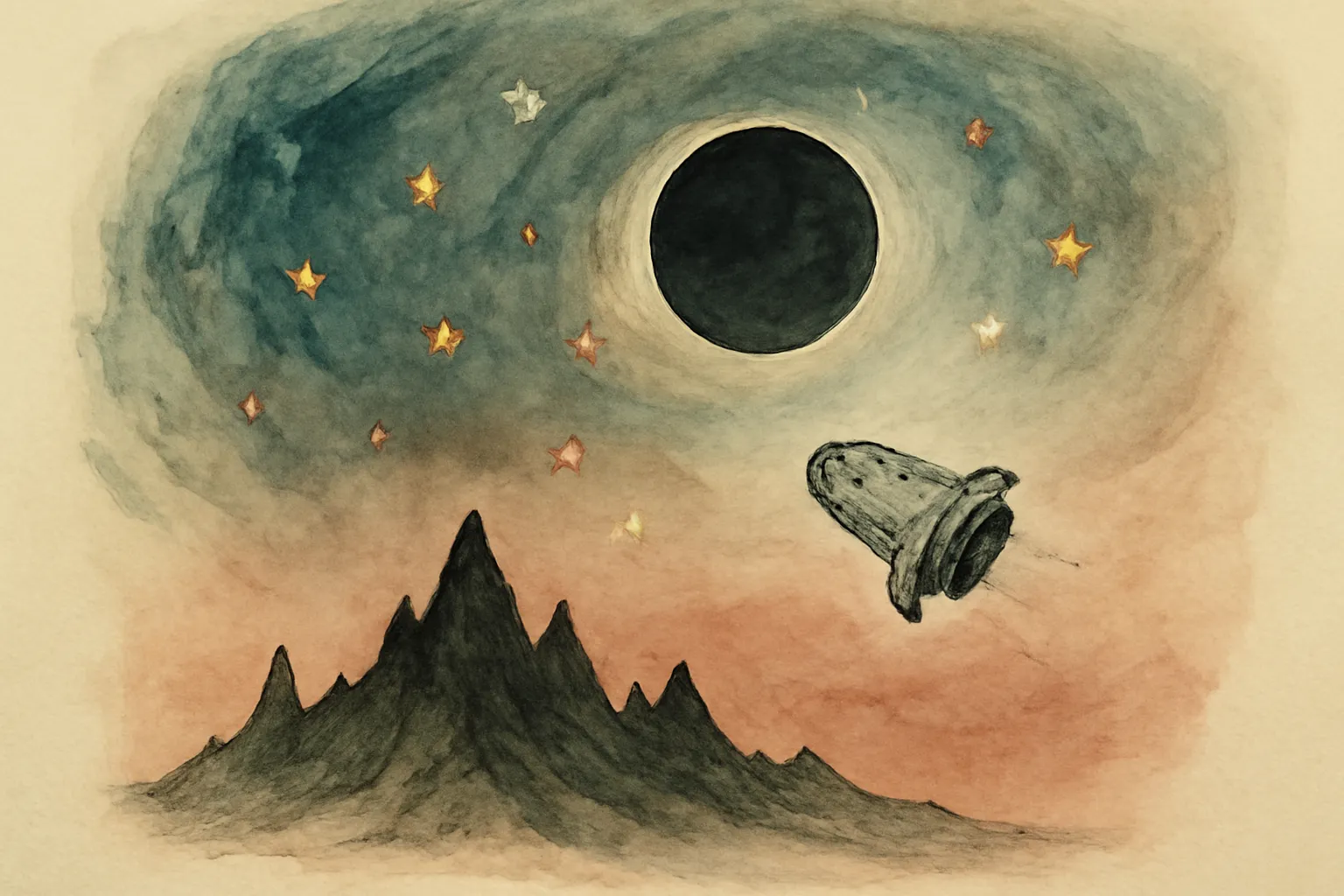
The portrayal of the Dark Moon serves as a vivid character in its own right, embodying both beauty and peril. As the protagonists navigate this alien landscape, they are captivated by its vibrant flora and fauna while simultaneously confronted by the lurking threats that inhabit it. This duality is a reflection of nature’s complexities, showcasing how beauty can often mask danger. Chet and his companions experience the allure of the environment, yet they are constantly reminded that it can also be a source of terror. This theme serves as a powerful metaphor for the broader human experience, where the world is full of both wonder and risk. The contrast between the enchanting aspects of the Dark Moon and its hidden dangers invites readers to appreciate nature's multifaceted qualities and to acknowledge the importance of respect and understanding in navigating the unknown.
7.The Importance of Strategy
The narrative emphasizes the critical role of strategy in overcoming challenges, particularly as Chet and his companions navigate their perilous situation. Chet’s reflections often lead to tactical decisions that could mean the difference between life and death. Their escape from Schwartzmann and survival in the hostile environment rely heavily on their ability to devise clever plans. The story illustrates that survival is not merely about brute strength; it requires intelligence, foresight, and the ability to adapt to changing circumstances. Chet’s strategic maneuvers and the team's collaborative efforts underscore the theme that effective planning and innovative thinking are essential for success in complex situations. This message resonates powerfully, reminding readers that strategic thinking can empower individuals to overcome obstacles and navigate life’s challenges.
8.The Consequences of Isolation
The isolation experienced by the characters on the Dark Moon creates a profound sense of desolation, amplifying their feelings of loneliness and despair. As they confront the alien landscape, the absence of familiar comforts and the constant threat of danger heighten their sense of alienation. This theme of isolation is not just physical; it manifests emotionally, as the characters grapple with their fears and insecurities in solitude. Chet’s internal monologues reveal how isolation can lead to introspection, but it also risks despair. The narrative poignantly illustrates the psychological toll that isolation can take, emphasizing that companionship is vital for mental resilience. It serves as a reminder that human connection is essential, particularly in moments of vulnerability, and that isolation can exacerbate fears and doubts, making the fight for survival even more daunting.
9.The Nature of Evil
Schwartzmann represents the embodiment of evil within the narrative, serving as a constant antagonist to the protagonists. His character is a study in malice, showcasing how one individual can wield power to instill fear and chaos. The interactions between Schwartzmann and the trio reveal the complexities of evil, as he manipulates and intimidates to achieve his desires. This theme invites readers to explore the nature of evil, as it poses moral dilemmas for the characters when confronting such malevolence. Chet, Walt, and Diane must navigate not just the physical threats posed by Schwartzmann, but also the psychological implications of his actions. The narrative challenges readers to consider the human capacity for evil and the impact it has on relationships, ultimately underscoring the struggle between good and evil that permeates the story.
10.The Power of Hope
Hope emerges as a central theme throughout the narrative, acting as a beacon for the characters amid despair. Chet and his companions often cling to hope as they confront seemingly insurmountable obstacles. Their determination to survive and escape Schwartzmann’s clutches is fueled by an unwavering belief in a better future. This theme emphasizes the importance of hope in overcoming adversities, as it inspires the characters to continue fighting against despair. The narrative poignantly illustrates how hope can provide strength and motivation, serving as a powerful force that propels individuals forward even in the darkest moments. It reinforces the idea that hope is not merely wishful thinking but an essential element of resilience, empowering individuals to envision possibilities beyond their current circumstances.