1.The Tragic Flaw of Bussy D'Ambois
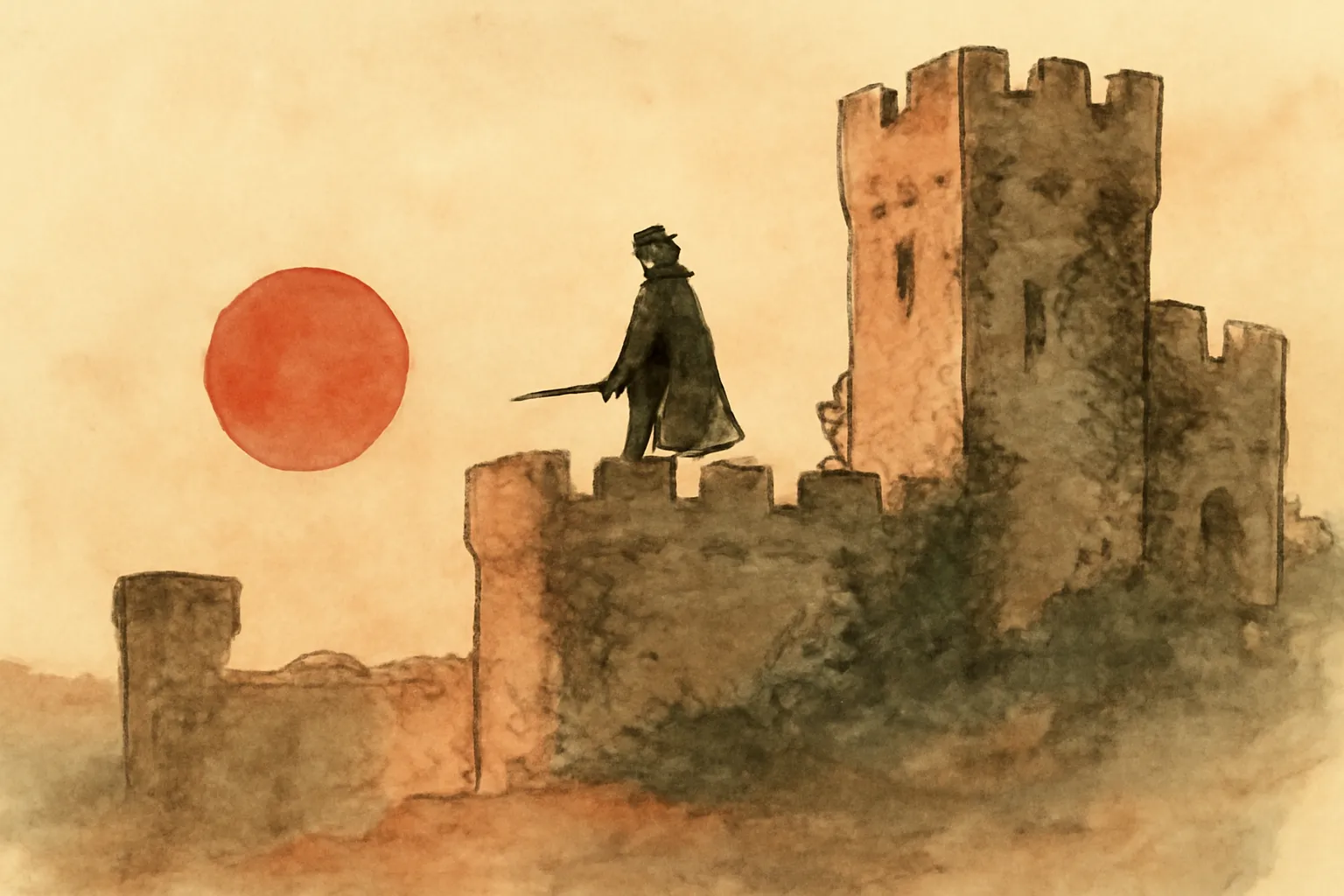
At the heart of 'Bussy D'Ambois' lies the tragic flaw of the protagonist, Bussy, whose ambition leads him toward greatness but ultimately contributes to his downfall. Bussy is portrayed as a charismatic and valiant figure, highly regarded for his prowess and noble lineage. However, his intense desire for recognition and revenge blinds him to the complexities of court politics, making him vulnerable to manipulation and betrayal. For instance, Bussy’s decision to confront those who wrong him manifests in acts of vengeance that alienate potential allies and incite the wrath of powerful enemies. This tragic flaw serves as a reminder of the age-old adage that unchecked ambition often results in self-destruction. Bussy’s journey emphasizes the importance of self-awareness and the perils of allowing pride to dictate one’s actions, inviting the audience to reflect on their own ambitions and the costs they entail.
2.The Dichotomy of Love and Power
In 'Bussy D'Ambois,' the relationship between love and power is intricately explored through Bussy’s interactions with the women in his life, particularly the Countess of Montsoreau. Love is portrayed as a potent force that drives Bussy’s actions, yet it also becomes a weapon wielded against him. The Countess embodies both affection and ambition, as her love for Bussy intertwines with her own desire for social elevation. This duality creates tension, as her motivations can be seen as both supportive and self-serving. Moreover, the power dynamics between Bussy and the Countess reflect the societal constraints placed upon women, illustrating how love can empower yet simultaneously bind individuals to a given fate. The complexity of their relationship highlights the broader theme of how personal desires intersect with political ambitions, showcasing the multifaceted nature of love in the pursuit of power.
3.Revenge as a Moral Quandary
Revenge is a central theme that permeates both plays, posing profound moral questions that challenge the characters and the audience alike. Bussy’s quest for vengeance following his perceived wrongs becomes a driving force, yet it is fraught with ethical dilemmas. The playwright uses Bussy's actions to explore the justification of revenge: Is it a rightful pursuit of justice, or does it lead to a cycle of violence that ultimately harms both the avenger and the victim? Through various encounters and confrontations, Chapman examines the emotional toll that revenge takes on Bussy, revealing the inner struggle between his desire for retribution and the toll it exacts on his soul. The tragic outcomes serve as a cautionary tale, suggesting that the pursuit of vengeance can lead to unforeseen consequences, urging the audience to consider the costs of their own desires for revenge and justice.
4.The Influence of Historical Context
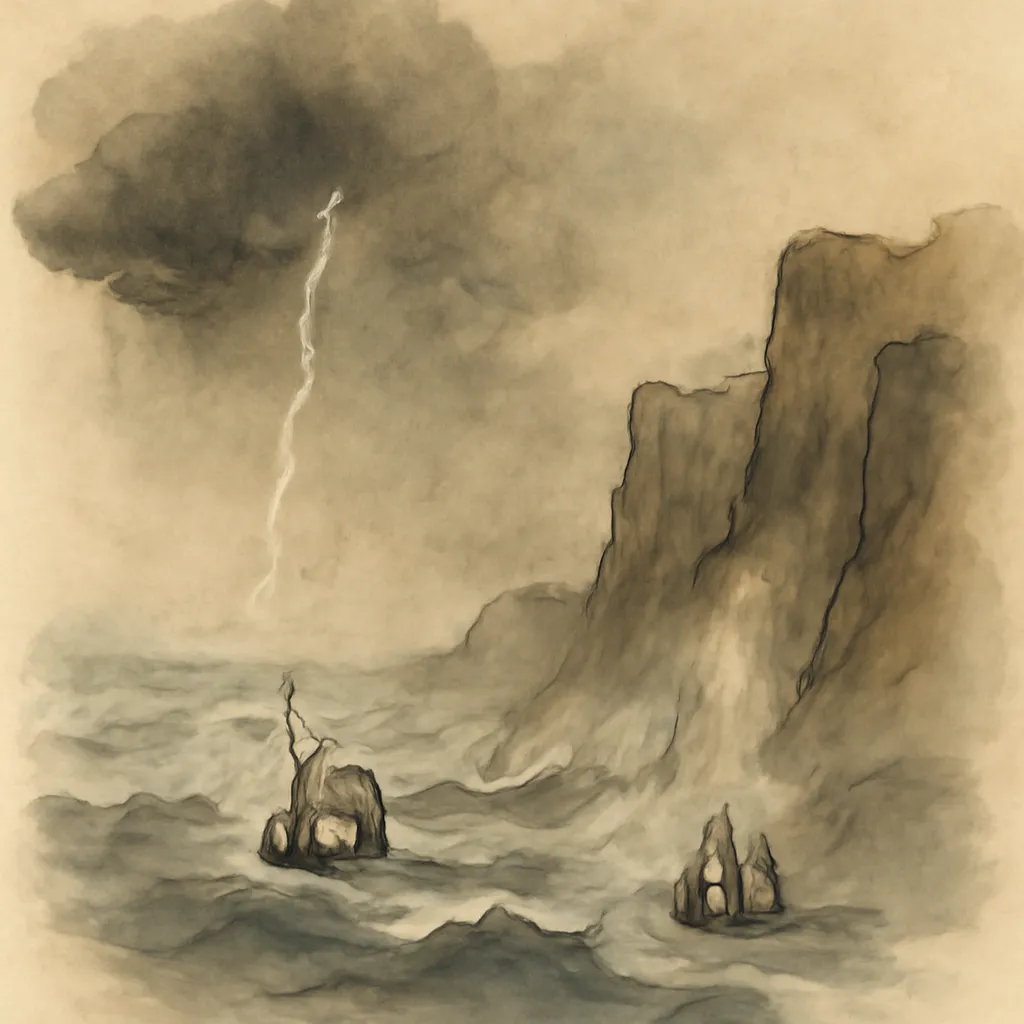
The historical backdrop of 16th-century France plays a pivotal role in shaping the narrative of 'Bussy D'Ambois.' The period was marked by political instability, religious conflict, and power struggles among the nobility, creating a fertile ground for themes of ambition and betrayal. Chapman incorporates real historical events and figures, such as the assassination of the Duke of Guise, to lend authenticity to the narrative while allowing for artistic interpretation. This blending of history and fiction not only enhances the dramatic tension but also serves to highlight the timeless nature of power struggles in human affairs. Through the lens of history, the audience is invited to reflect on how the themes of ambition, revenge, and honor are not merely relics of the past but resonate profoundly with contemporary societal dynamics. The historical context enriches the characters’ motivations and decisions, illustrating the impact of external forces on personal destinies.
5.Female Agency Amidst Patriarchal Constraints
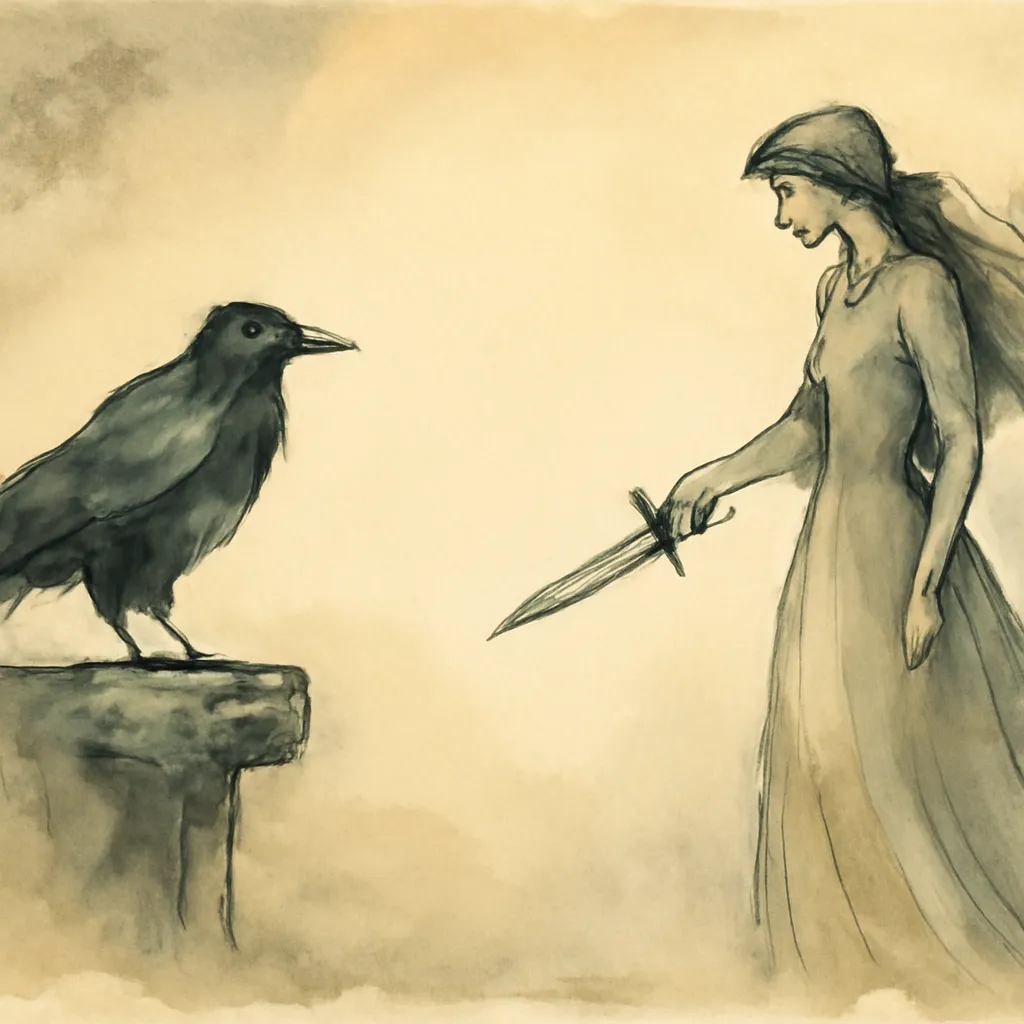
In both plays, female characters assert a degree of agency that challenges the traditional patriarchal norms of their society. The Countess of Montsoreau and Renee D'Ambois exemplify how women navigate the treacherous waters of power dynamics, often using their wits and relationships to influence outcomes. The Countess, while initially appearing as a mere object of desire, reveals her own ambitions and complexities, manipulating her circumstances to secure her position. Renee, on the other hand, embodies the theme of vengeance, taking charge of her narrative as she seeks to avenge her lover's death. Through these characters, Chapman critiques the societal limitations placed on women, highlighting their resilience and strategic maneuvering within a male-dominated world. This exploration of female agency enriches the narrative, offering a nuanced perspective on the role of women in a period when their power was often relegated to the shadows.
6.The Complexity of Male Relationships
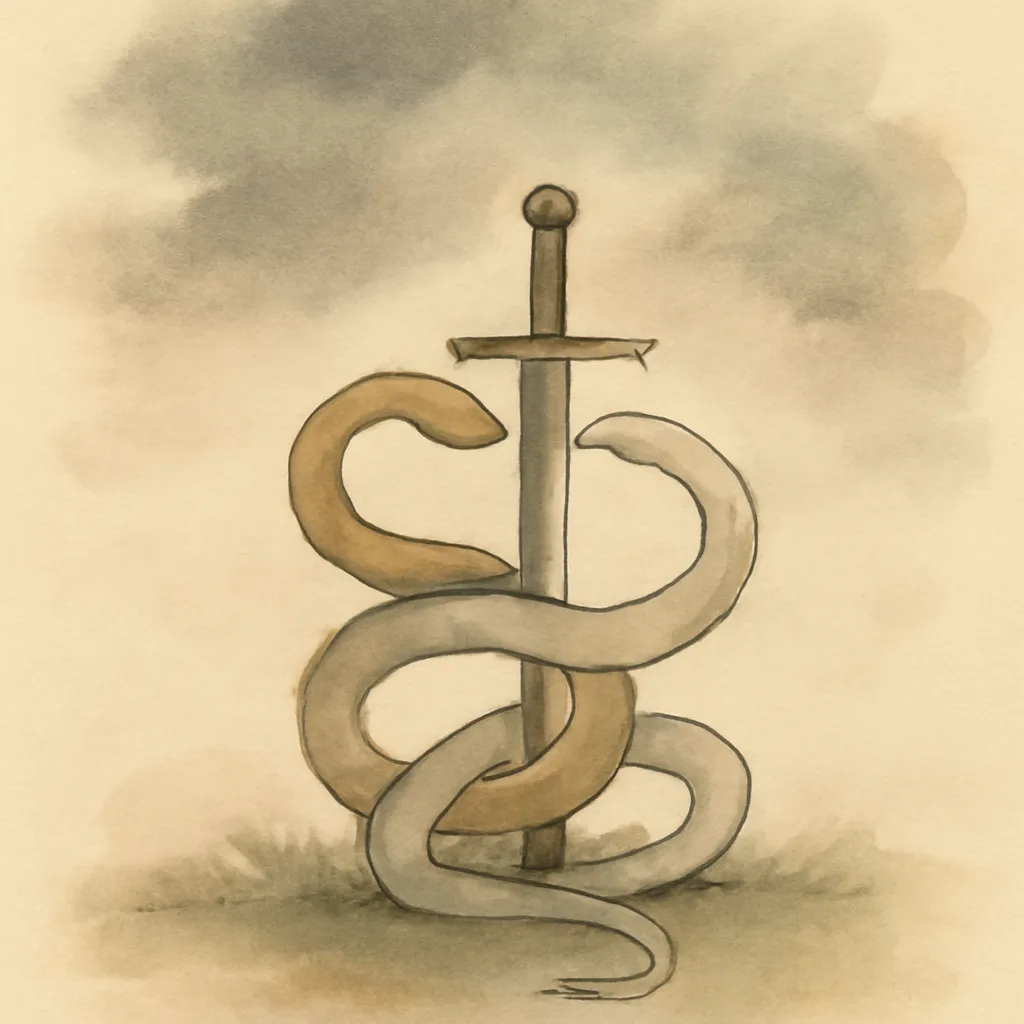
The relationships between male characters in 'Bussy D'Ambois' reveal the intricate dynamics of loyalty, rivalry, and betrayal within a competitive societal framework. Bussy's friendship with Clermont contrasts with their respective approaches to ambition and honor. While Clermont embodies a more philosophical and cautious demeanor, Bussy's impulsive nature drives him toward reckless decisions. This divergence creates tension, as their friendship is put to the test by personal ambitions and the societal pressures of their time. The plays delve into the fragility of male bonds, emphasizing how ambition can lead to jealousy and betrayal. Through these complex interactions, Chapman highlights the emotional depth and vulnerability that often accompany male relationships, challenging the notion of stoic masculinity prevalent in the era. The tragic outcomes of these friendships serve as poignant reminders of how the pursuit of power can fracture even the strongest alliances.
7.Language as Power and Manipulation

Chapman employs language as a powerful tool within 'Bussy D'Ambois,' using eloquent dialogue and soliloquies to reveal the psychological depth of characters and the machinations of the court. The characters' speeches often serve as vehicles for manipulation, as they navigate the treacherous landscape of courtly intrigue. Bussy's rhetoric, filled with bravado and charm, is instrumental in rallying support yet simultaneously exposes his vulnerabilities. The playwright utilizes language to illustrate the duality of communication: words can inspire loyalty or sow discord, depending on the intent behind them. This exploration of language underscores the complexities of human relationships, as characters wield words not only to express their desires but also to exert control over others. Through the emphasis on language as both a weapon and a shield, Chapman enriches the narrative and invites the audience to consider the broader implications of communication in their own lives.
8.The Nature of Honor and Its Consequences
Honor and reputation are pivotal themes in 'Bussy D'Ambois,' dictating the actions of characters and shaping their fates. In a society where personal honor is paramount, characters are compelled to uphold their reputations, often leading to acts of violence and betrayal. Bussy's obsession with restoring his honor after perceived slights illustrates the societal pressures that compel individuals to act in ways that may ultimately lead to their destruction. Chapman highlights the conflict between personal honor and the moral implications of such pursuits, questioning whether the adherence to honor is a noble endeavor or a destructive force. The tragic consequences of Bussy’s quest for honor serve as a cautionary tale about the dangers of allowing societal expectations to dictate personal actions, urging the audience to reflect on the true nature of honor and its impact on human relationships.
9.Fate vs. Free Will
The tension between fate and free will is a recurring motif in 'Bussy D'Ambois,' as characters grapple with the forces that shape their destinies. Chapman suggests that while individuals may strive for agency in their lives, they are often subject to the whims of fate and the historical context surrounding them. Bussy’s journey exemplifies this struggle, as his ambitions and desires lead him down a path fraught with danger and eventual tragedy. The characters often find themselves caught in a web of circumstances beyond their control, prompting the audience to consider the extent to which their own lives are influenced by external forces. This exploration of fate encourages a deeper understanding of the characters' motivations and decisions, emphasizing that the interplay between agency and destiny is a fundamental aspect of the human experience.