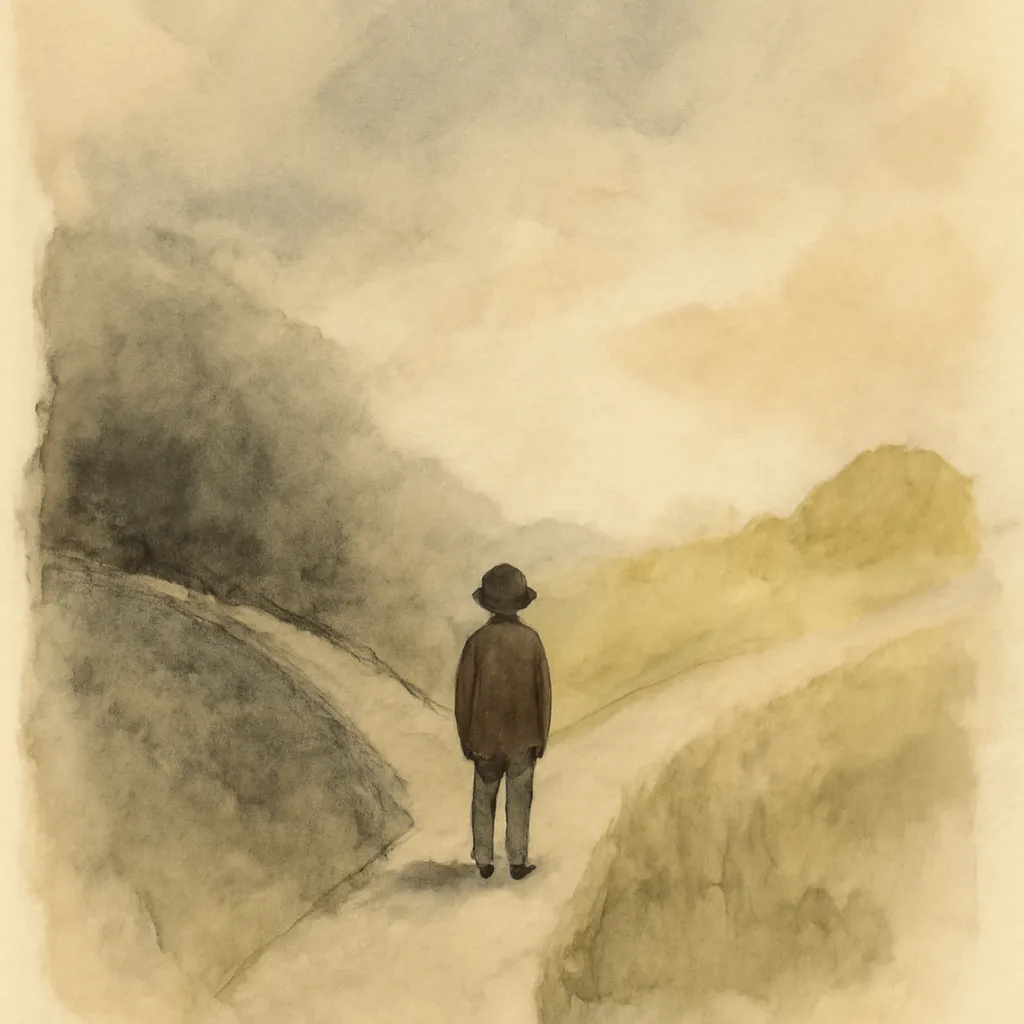
1.The folly of optimism
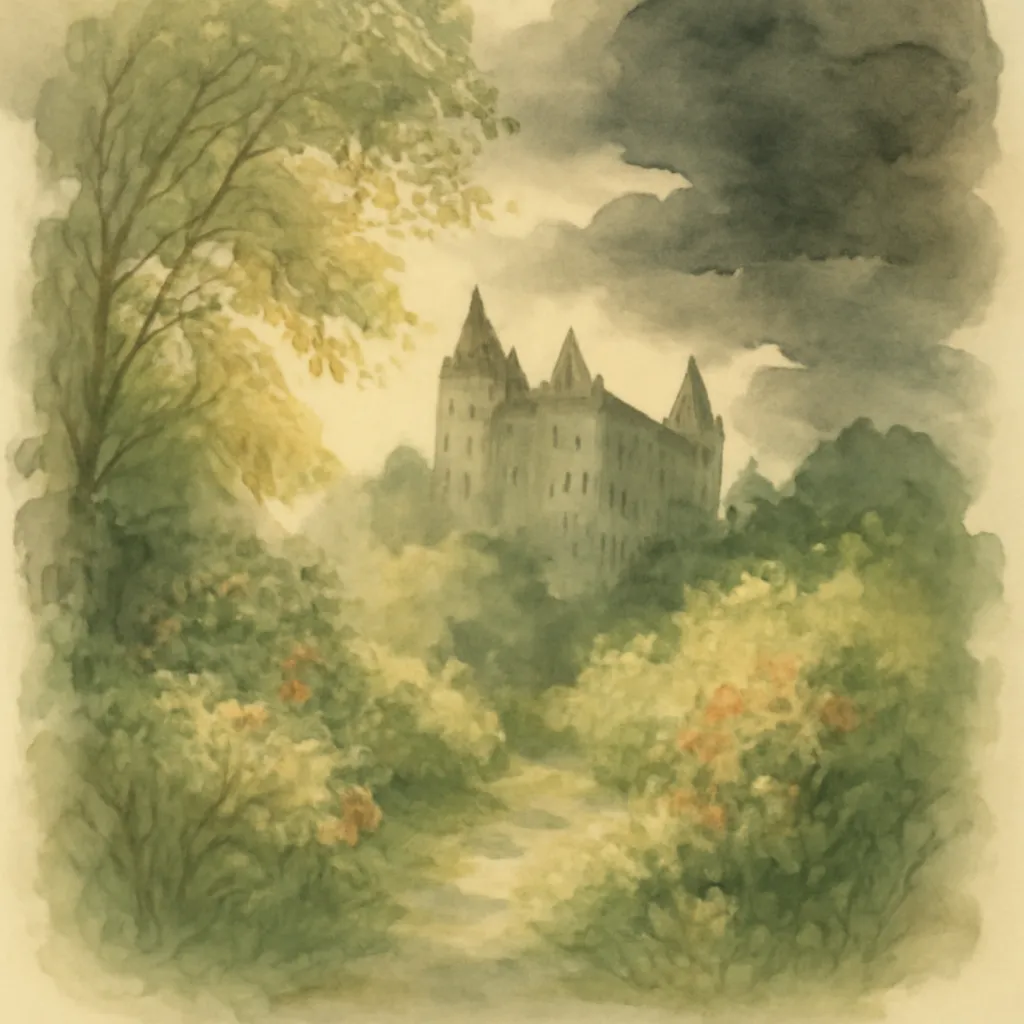
Candide's journey begins in the idyllic Westphalian castle, where he is taught by Pangloss that they live in the best of all possible worlds. This naive belief is quickly shattered when Candide is expelled from the castle and thrust into a harsh reality. The contrast between Pangloss's philosophy and Candide's experiences highlights the absurdity of blind optimism. As Candide faces war, suffering, and betrayal, the reader is compelled to question the validity of Pangloss's doctrine. The repeated misfortunes that befall Candide serve as a critique of those who cling to optimistic philosophies without acknowledging the suffering around them. Voltaire uses Candide's misadventures to illustrate that optimism can lead to inaction and complacency in the face of injustice.
2.The absurdity of philosophical debates
Throughout 'Candide,' Voltaire satirizes the intellectual elite and their penchant for convoluted philosophical arguments. Pangloss's metaphysical discussions often seem detached from the grim realities faced by the characters. For instance, in the aftermath of the Lisbon earthquake, Pangloss insists that such disasters serve a greater purpose, demonstrating how philosophical rationalizations can obscure the immediate suffering of real people. This critique extends to other characters, such as Martin, who represents a more cynical worldview. Their debates reveal the limitations of philosophy when confronted with the complexities of human existence. Voltaire suggests that while philosophical discussions can be intriguing, they often fail to address the urgent needs of those suffering in the world.
3.The brutality of war
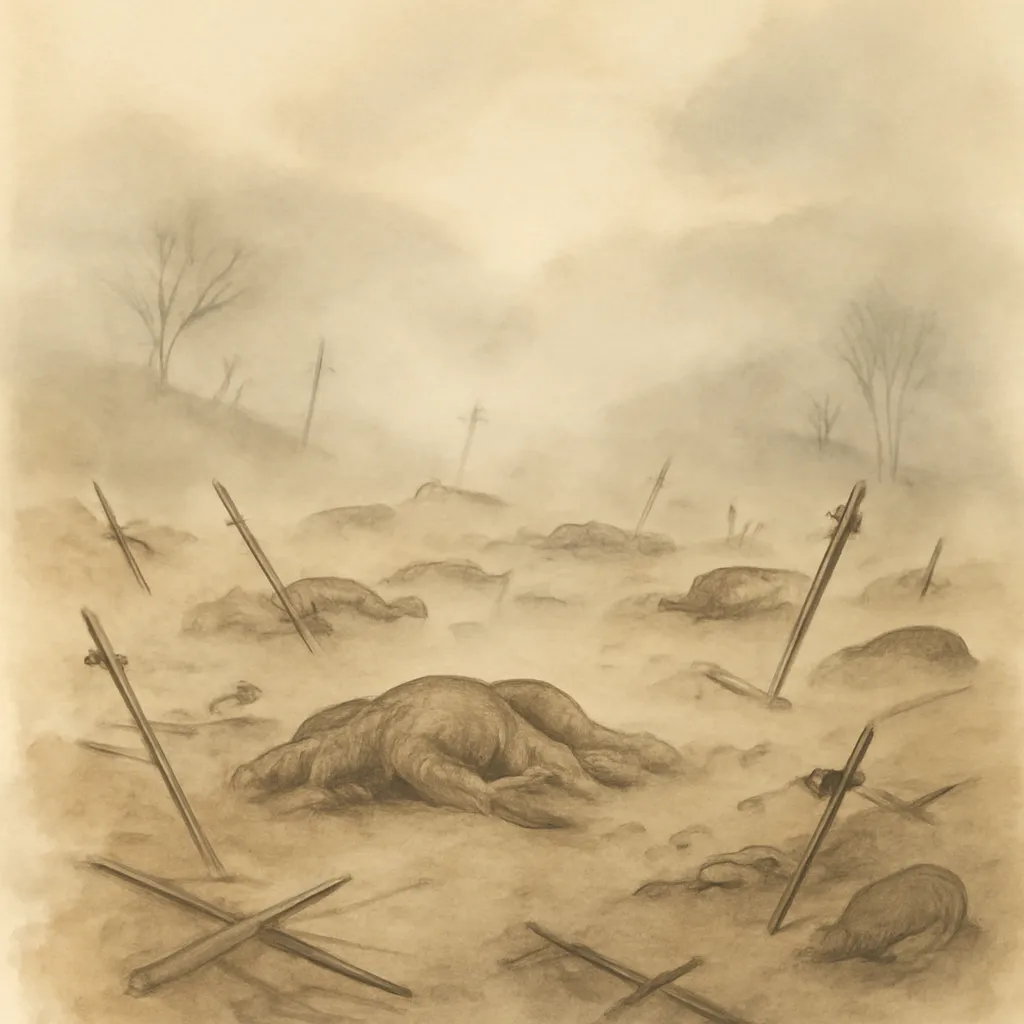
War serves as a recurring theme in 'Candide,' illustrating the senseless violence and devastation that accompany human conflict. Candide's experience with the Bulgarian army exposes the reader to the horrors of battle, where thousands perish without reason. The graphic descriptions of death and destruction force the reader to confront the grim realities of war, which starkly contrast with Pangloss's optimistic assertions. Voltaire critiques the glorification of war and the ways in which it is often justified by those in power. The portrayal of war as a destructive force underscores the futility of human ambition and the suffering it inflicts on innocent lives. Through Candide's disillusionment with the ideals of glory and honor associated with warfare, Voltaire calls into question the very nature of human progress.
4.The hypocrisy of religion
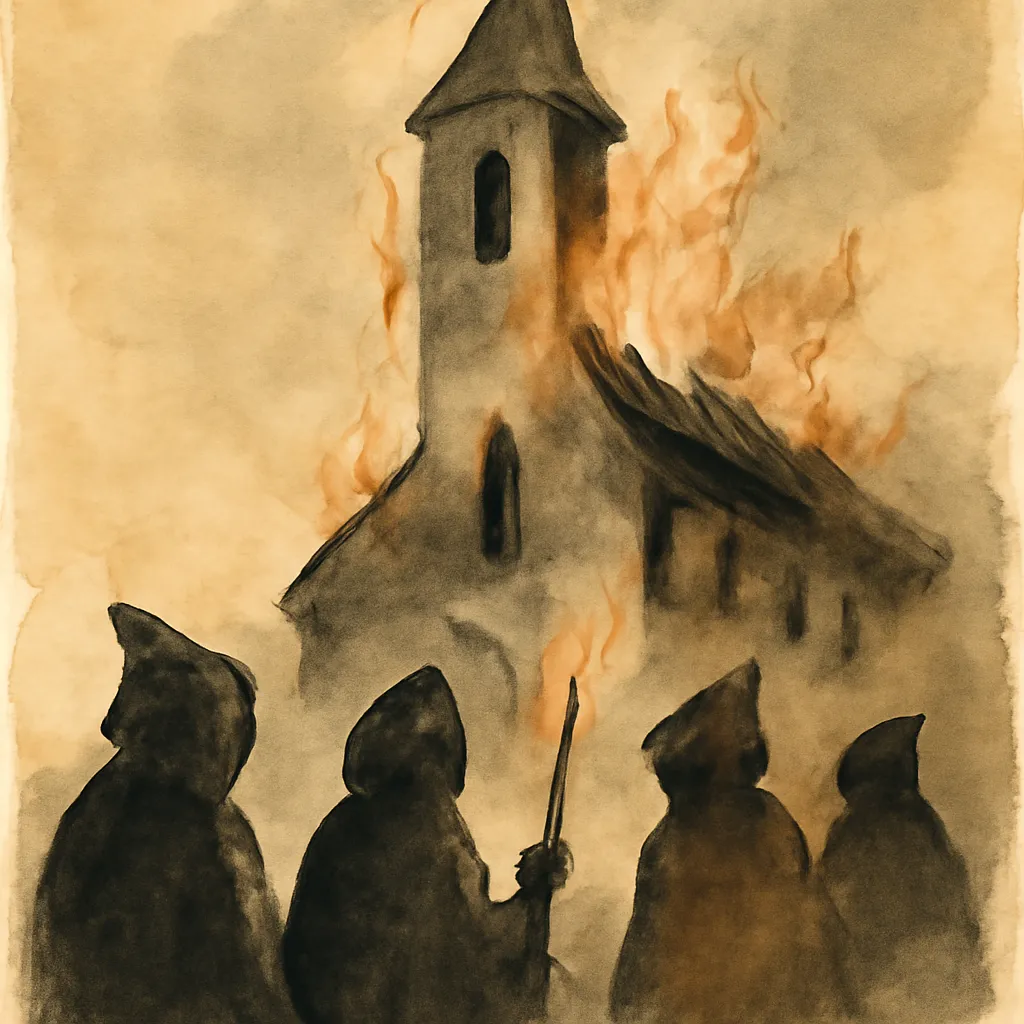
Voltaire's critique of religion is evident throughout 'Candide,' as he exposes the hypocrisy and moral failings of religious institutions. The auto-da-fé in Lisbon, where innocent people are burned to prevent further earthquakes, serves as a powerful indictment of religious fanaticism. Candide's encounters with various religious figures reveal a consistent pattern of corruption and self-interest. For instance, the Grand Inquisitor's actions are motivated by power rather than genuine faith, highlighting the disconnect between religious teachings and the actions of its followers. Voltaire suggests that organized religion often prioritizes dogma over compassion, leading to suffering rather than solace. This critique encourages readers to question the role of religion in society and its impact on human behavior.
5.The search for happiness
Candide's journey is ultimately a quest for happiness, a theme that resonates throughout the narrative. Despite the numerous trials he faces, Candide remains hopeful that he will reunite with Cunegonde and find true contentment. His experiences, however, lead him to question the nature of happiness itself. Voltaire suggests that happiness is not simply a state of mind but is deeply intertwined with the realities of existence. Candide's realization that external circumstances often dictate one's happiness forces him to confront the limitations of his previous beliefs. The final resolution of the story, where Candide ultimately finds solace in cultivating his own garden, symbolizes a shift towards a more pragmatic understanding of happiness—one that embraces the complexities of life rather than clinging to idealistic notions.
6.The resilience of the human spirit
Despite the relentless suffering and absurdities faced by Candide, the narrative ultimately celebrates the resilience of the human spirit. Voltaire portrays characters who endure unimaginable hardships yet continue to seek meaning and connection. Candide's journey is one of survival, as he navigates a world filled with cruelty and injustice. His encounters with various individuals, each with their own struggles, demonstrate the shared human experience of suffering. Voltaire suggests that while the world may be fraught with challenges, the capacity for hope and perseverance remains a defining trait of humanity. This resilience is embodied in Candide's refusal to abandon his quest for happiness, even in the face of despair.
7.The folly of materialism
Voltaire critiques the pursuit of wealth and material possessions throughout 'Candide,' illustrating how such desires can lead to moral corruption and personal suffering. Candide and Cacambo's discovery of El Dorado, a land of unimaginable riches, initially appears to fulfill their dreams of wealth. However, they quickly realize that material wealth does not equate to happiness or fulfillment. The subsequent loss of their treasures serves as a reminder of the impermanence of material possessions. Voltaire suggests that the obsession with wealth often distracts individuals from the pursuit of genuine happiness and meaningful relationships. This critique challenges readers to reevaluate their own values and priorities in a world that often equates success with material gain.
8.The impact of societal norms
Throughout 'Candide,' Voltaire examines the influence of societal norms and conventions on individual behavior and morality. The characters in the narrative often find themselves constrained by the expectations and values of their societies, leading to absurd and tragic outcomes. Candide's interactions with various social classes reveal the arbitrary nature of these norms, particularly in matters of love, honor, and justice. Voltaire's portrayal of the rigid class system and the hypocrisy inherent in social hierarchies serves as a critique of the societal structures that perpetuate inequality and suffering. By highlighting the absurdity of these conventions, Voltaire encourages readers to question the validity of societal norms and their impact on human behavior.
9.The importance of personal agency
As Candide's journey unfolds, the theme of personal agency emerges as a crucial element in the quest for happiness. Initially, Candide embodies a passive acceptance of fate, guided by the teachings of Pangloss. However, as he encounters adversity, he begins to assert his own agency, making choices that ultimately shape his destiny. Voltaire emphasizes the significance of individual responsibility in the face of life's challenges. Candide's decision to cultivate his garden at the end of the narrative symbolizes a newfound understanding of the importance of taking action to create one's own happiness. This shift from passive acceptance to active participation in life serves as a powerful reminder of the agency individuals possess in shaping their own realities.