1.Cultural Materialism
Harris’s central thesis is that the environment and material conditions—like food sources, technology, and population pressures—shape cultural beliefs and institutions far more than ideology or tradition alone. He argues that, over time, societies adopt practices that maximize their chances of survival, even if those practices seem bizarre or cruel by modern standards. This approach, called ‘cultural materialism,’ puts the focus on practical adaptation rather than abstract ideas.
2.The Logic Behind Taboo Practices
Practices like cannibalism, infanticide, and strict gender roles are not simply products of superstition or ignorance, Harris contends. Instead, he shows how such customs can be understood as rational responses to specific ecological and social pressures. For example, he examines why some societies practiced female infanticide, linking it to population control and resource scarcity rather than inherent misogyny.
3.Rise of Social Hierarchies
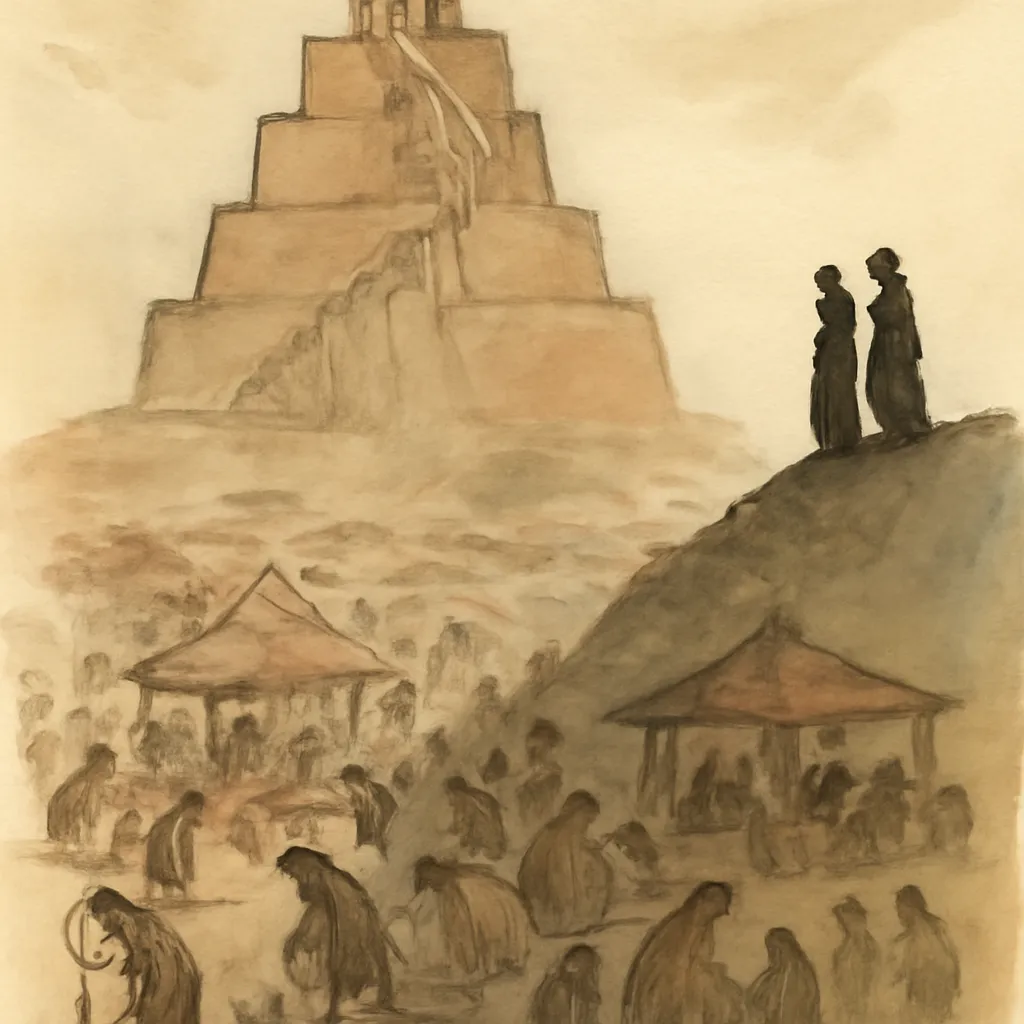
Harris traces the emergence of kings, priests, and complex hierarchies to shifts in subsistence strategies—especially the move from hunting and gathering to agriculture. As societies grew and food production intensified, new forms of power and inequality emerged, justified by religion and tradition but rooted in material necessity.
4.Population Pressure and Warfare
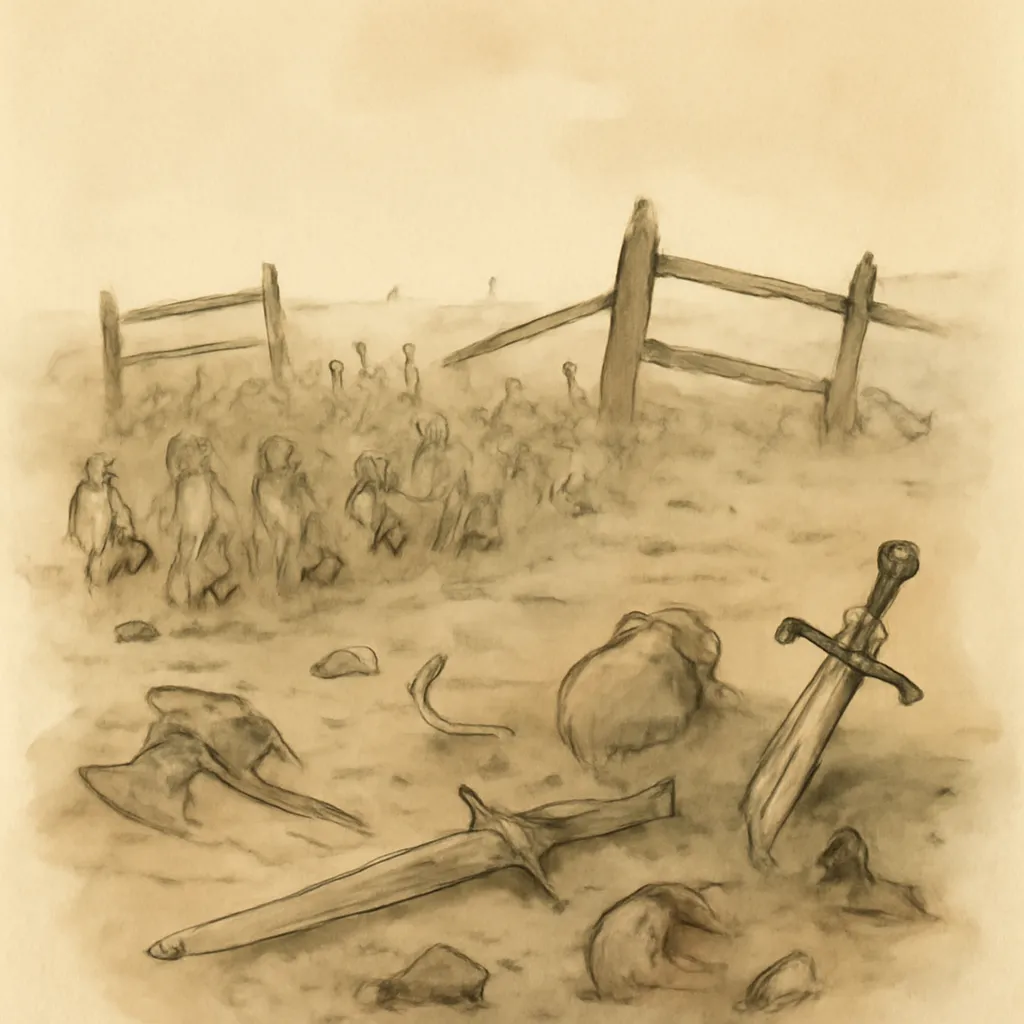
Population growth, Harris argues, is a key driver of cultural change. When resources become scarce, societies may resort to warfare, conquest, or even cannibalism as desperate adaptations. He links the expansion of empires and the rise of militarism to the need to secure food and territory, not simply to the ambitions of rulers.
5.Ecology of Food and Religion
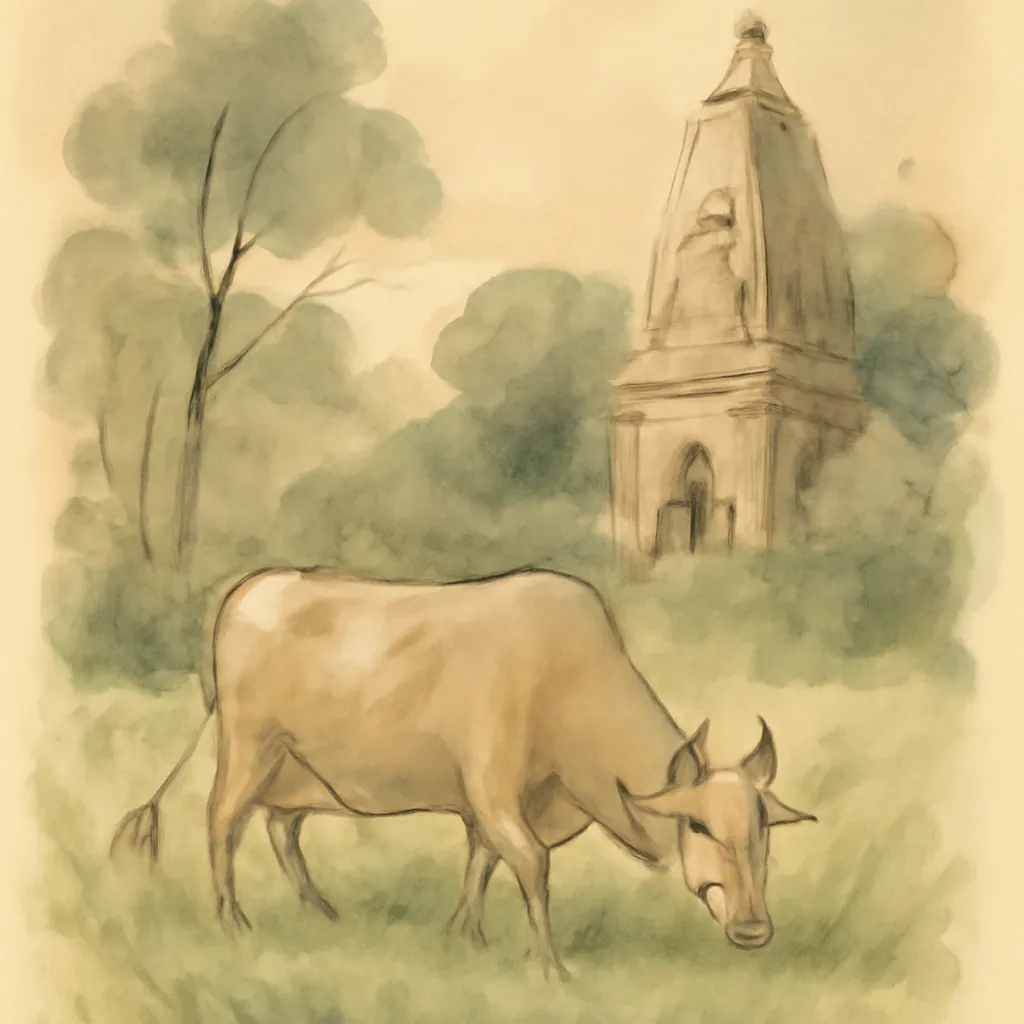
Harris explores how religious food taboos—such as the sacred cow in India or the prohibition of pork in Judaism and Islam—often have ecological and economic roots. These taboos, he argues, help regulate resource use and protect the subsistence base of a society, even if their original logic is later obscured by spiritual rationalizations.
6.Limits of Cultural Relativism
While Harris emphasizes understanding cultures on their own terms, he also challenges the idea that all customs are equally valid or beyond critique. By exposing the material roots of cultural practices, he invites readers to see both the necessity and the cost of certain traditions—and to question whether they still serve their original purpose.