1.The Power of Storytelling
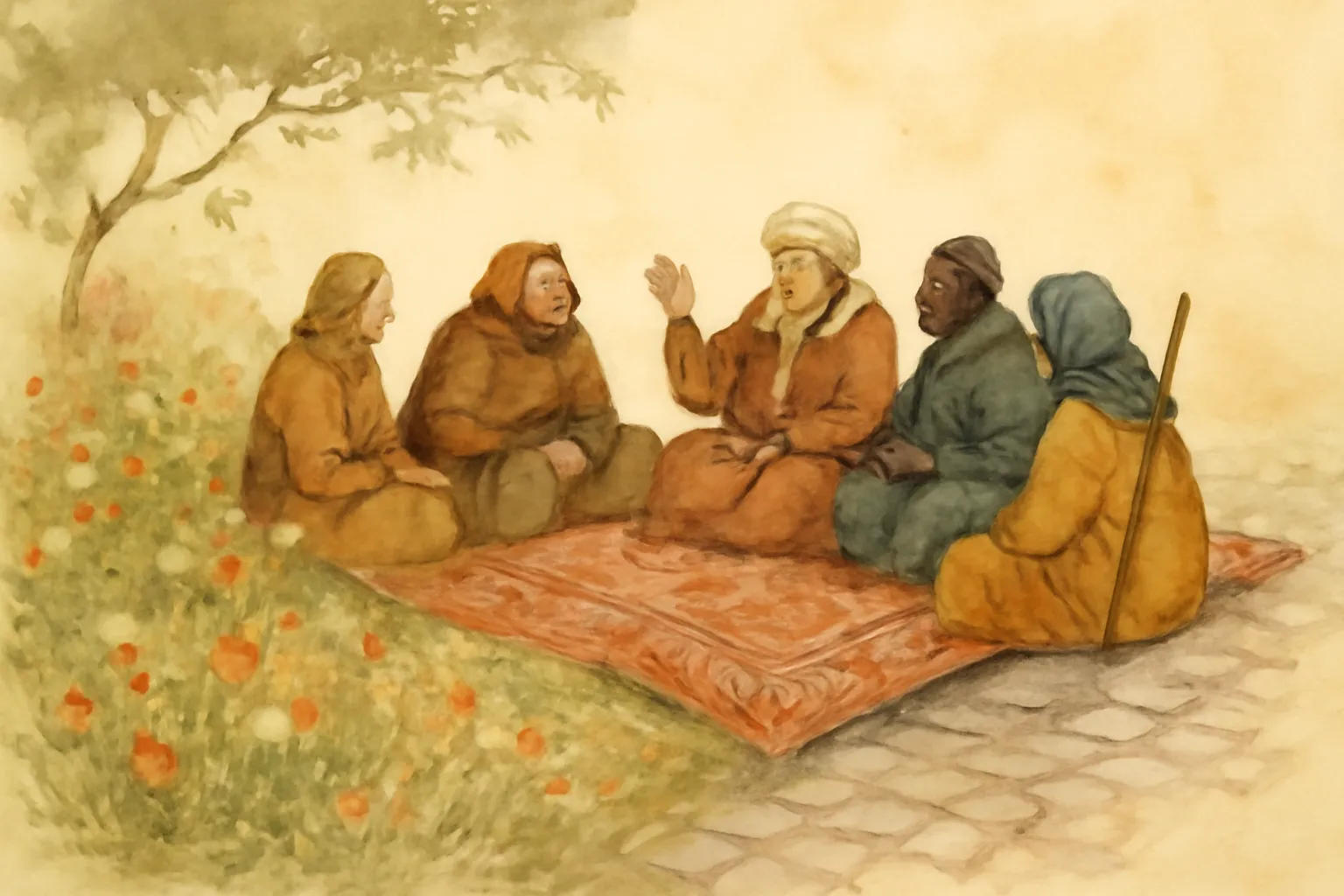
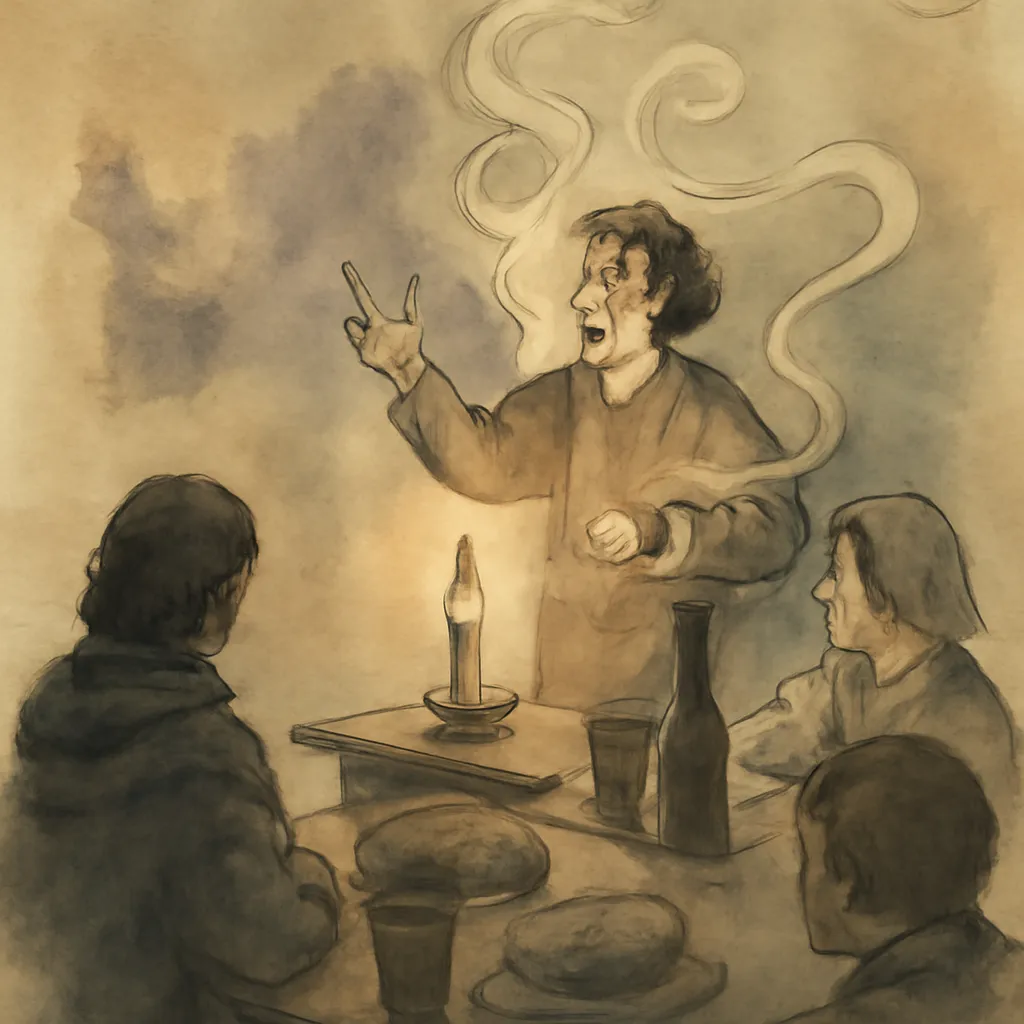
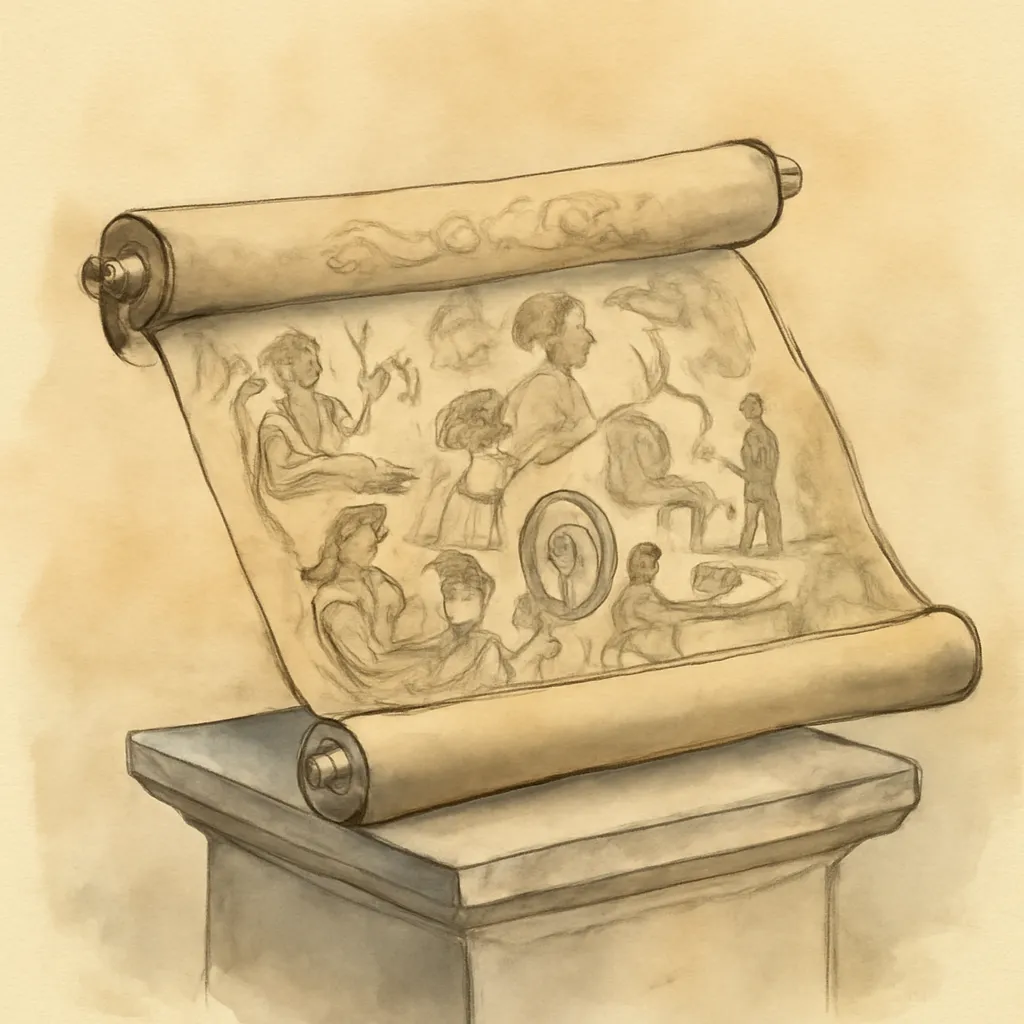
At the heart of 'The Canterbury Tales' lies the transformative power of storytelling. Each pilgrim's tale serves as both entertainment and a vehicle for deeper truths about life and society. Chaucer masterfully uses this narrative framework to allow characters to express their identities, beliefs, and biases, revealing how stories can reflect and shape reality. For example, the Knight’s tale, steeped in chivalric ideals, contrasts sharply with the bawdy humor of the Miller's tale, demonstrating how different perspectives coexist and inform one another. This interplay showcases the idea that storytelling is not just a means of entertainment but also a crucial method of understanding and confronting the complexities of human experience.
2.Class and Social Commentary
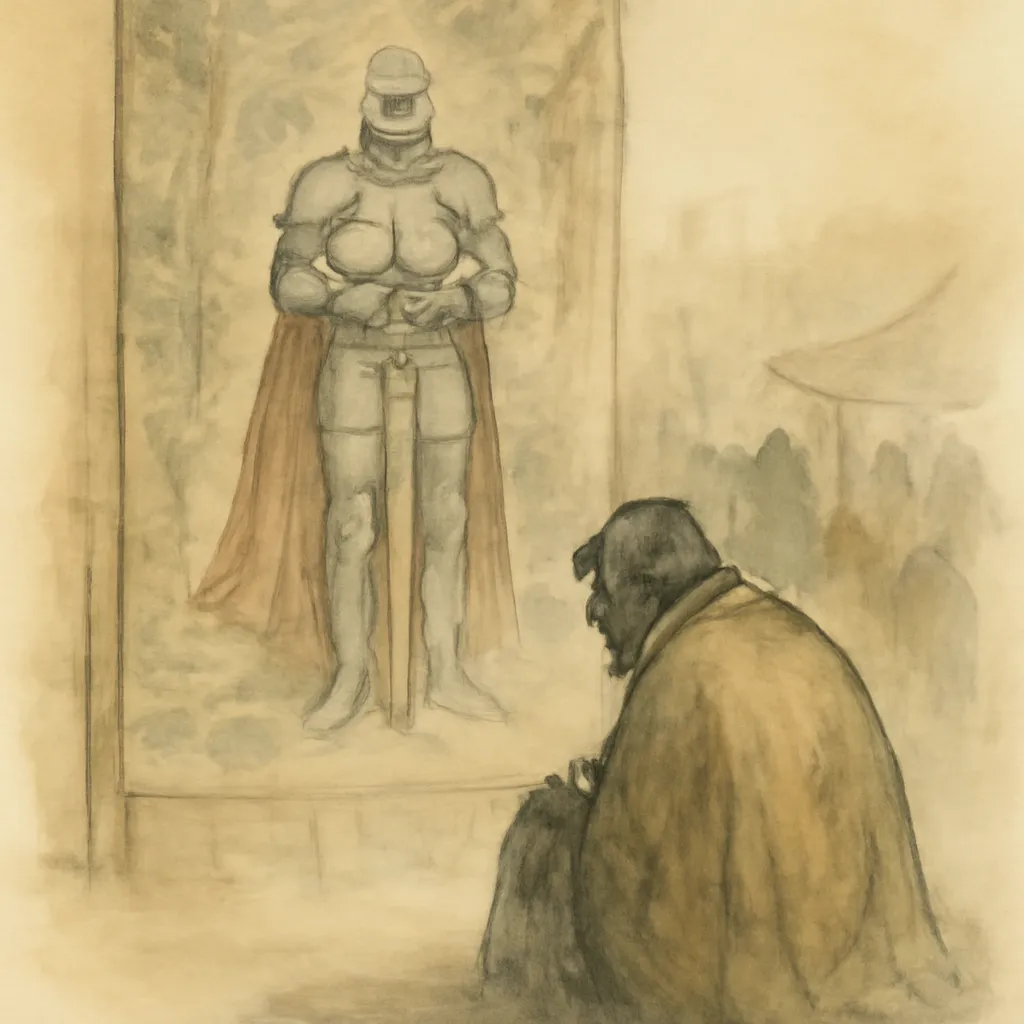
Chaucer’s work provides a rich commentary on the social hierarchy of medieval England. Through the diverse backgrounds of the pilgrims, from the noble Knight to the poor Parson, Chaucer critiques the rigid class structures that define their lives. Each character's tale reflects their social status and personal values, offering insights into the virtues and vices associated with different classes. For instance, the Wife of Bath boldly challenges societal norms about marriage and female autonomy, while the Clerk presents a more subdued and scholarly perspective on love. This exploration of class not only highlights the disparities of the time but also invites readers to consider the nature of social mobility and the moral implications of wealth and power.
3.The Complexity of Love
Love, in its many forms, is a central theme woven throughout the tales. Chaucer explores romantic love, marital relationships, and even the darker sides of love, such as jealousy and betrayal. The Knight’s Tale presents a noble and idealized vision of love, where honor and valor are paramount, while the Wife of Bath’s Tale offers a candid and often humorous take on the dynamics of power within marriage. Through these contrasting views, Chaucer illustrates that love is not a monolithic experience; it is fraught with complications and contradictions. The tales encourage readers to reflect on their own understanding of love, questioning societal expectations and personal desires.
4.Moral Lessons and Human Folly
Each tale in 'The Canterbury Tales' serves as a moral lesson, often highlighting human folly and the consequences of poor choices. Characters such as the Pardoner and the Summoner embody corruption and greed, using their positions to exploit others rather than serve the community. Their tales serve as cautionary examples, warning against the dangers of moral compromise and hypocrisy. Conversely, the Parson stands out as a model of virtue and integrity, demonstrating the rewards of living a principled life. Through these narratives, Chaucer encourages readers to reflect on their own moral compass and the societal pressures that can lead individuals astray.
5.Religious Critique and Spirituality
Chaucer does not shy away from critiquing the religious institutions of his time. The tales of the Friar and the Pardoner expose the corruption and hypocrisy prevalent within the Church, showcasing how some clergy exploit their spiritual authority for personal gain. In contrast, the Parson represents true Christian values, embodying humility and genuine piety. This dichotomy underscores the tension between institutional religion and personal spirituality, prompting readers to consider the true essence of faith. Chaucer’s nuanced portrayal of religious figures invites reflection on the nature of belief and the impact of organized religion on individual lives.
6.Gender Roles and Feminine Agency
Chaucer's exploration of gender roles is particularly notable in the tales of the Wife of Bath and the Prioress. The Wife of Bath challenges patriarchal norms by asserting her authority over her marriages and advocating for female desire and autonomy. Her tale, rich with personal experience, highlights the struggle for women to assert themselves in a male-dominated society. In contrast, the Prioress embodies a more traditional view of femininity, emphasizing grace and virtue. These contrasting portrayals reflect the complexities of gender in medieval society, inviting readers to consider the evolving roles of women and the societal expectations that shape their identities.
7.The Role of Humor and Satire
Humor and satire are integral to Chaucer’s narrative style, providing a lens through which to critique societal norms and human behavior. The Miller's Tale, with its ribald humor and clever trickery, serves as a stark contrast to the more serious themes presented in other tales. This use of humor allows Chaucer to address sensitive topics—such as infidelity and class conflict—while engaging the reader in a lighthearted manner. By employing satire, Chaucer encourages readers to laugh at human folly, fostering a sense of camaraderie among the pilgrims and the audience alike. This approach highlights the importance of humor as a tool for social commentary and reflection.
8.Pilgrimage as a Metaphor for Life's Journey
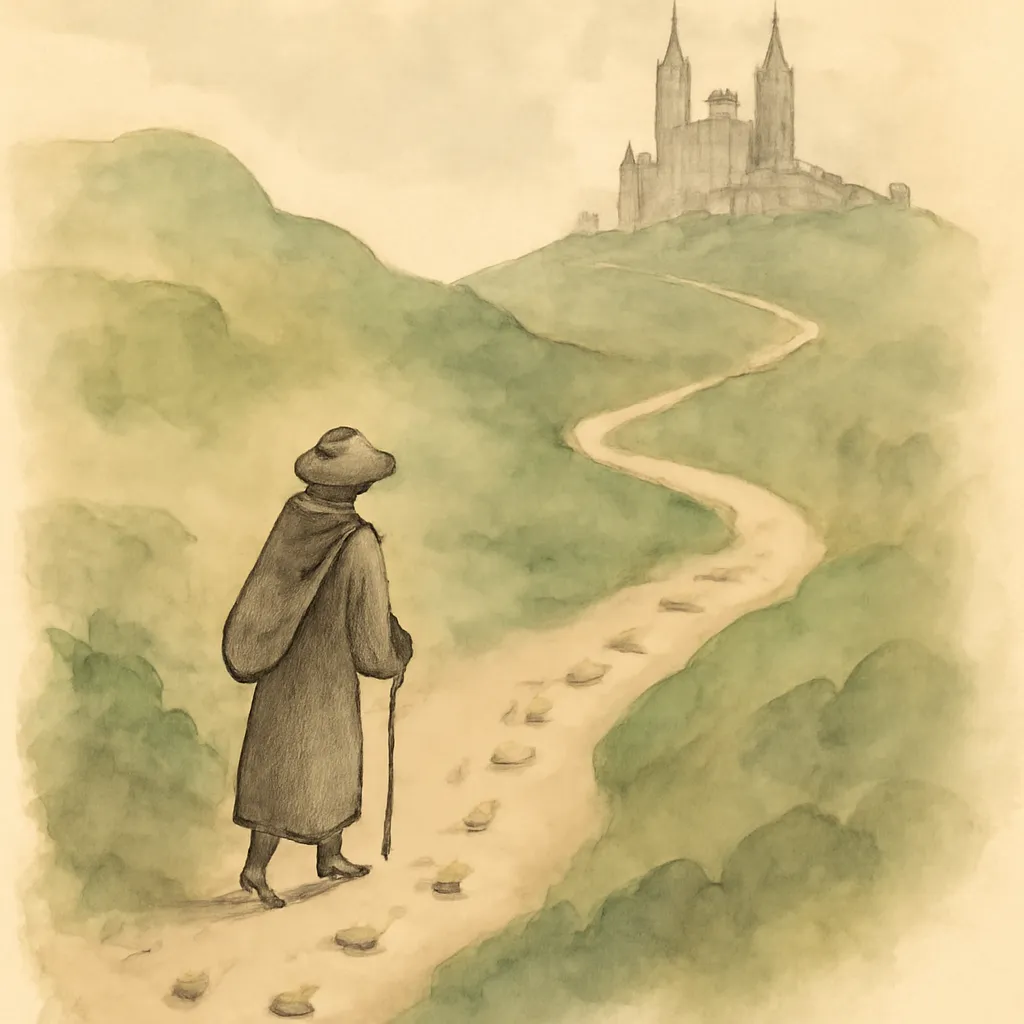
The pilgrimage to Canterbury serves as a powerful metaphor for life's journey, with each character representing different paths and experiences. As the pilgrims travel together, they share stories that reflect their individual struggles, aspirations, and moral dilemmas. This communal journey emphasizes the interconnectedness of human experiences, suggesting that despite their differences, all individuals seek meaning and understanding in their lives. Chaucer’s depiction of the pilgrimage invites readers to consider their own life journeys, the choices they make, and the stories they tell along the way. The tales become a vehicle for exploring the universal themes of growth, redemption, and the search for purpose.
9.The Influence of Classical Literature
Chaucer's work is deeply influenced by classical literature, drawing on themes and structures from ancient texts while infusing them with contemporary relevance. References to classical figures and stories are prevalent, as seen in the Knight’s Tale, which embodies the ideals of chivalry reminiscent of Greek and Roman epics. However, Chaucer adapts these influences to reflect the moral complexities of his time, showcasing the evolution of storytelling traditions. This blending of classical and contemporary elements enriches the narrative, providing layers of meaning that resonate with readers and elevate the tales beyond mere entertainment.
10.The Enduring Legacy of 'The Canterbury Tales'
Chaucer's 'The Canterbury Tales' remains a cornerstone of English literature, celebrated for its rich characterizations, intricate narratives, and profound insights into human nature. Its exploration of social issues, moral questions, and the complexities of relationships continues to resonate with modern audiences. The tales provide a mirror reflecting the myriad experiences of humanity, inviting readers to engage with timeless themes that transcend cultural and temporal boundaries. As a pioneering work of the English literary canon, it has influenced countless writers and remains a vital reference point for discussions about storytelling, society, and the human condition.