1.Carmen as the Embodiment of Freedom
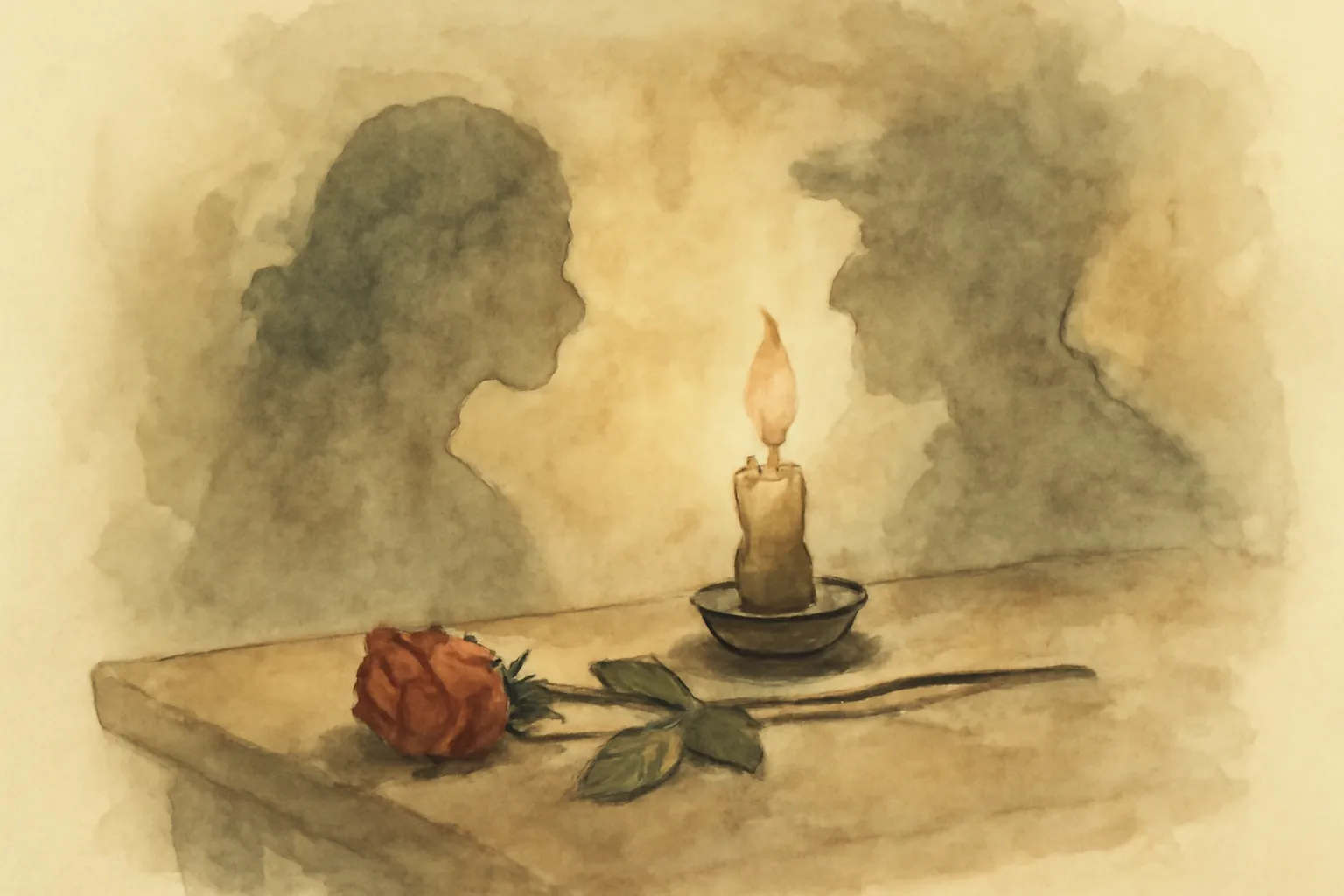
Carmen stands as a symbol of independence and rebellion against societal norms. Her character is defined by her refusal to conform to traditional expectations of femininity in 19th-century Spain. Rather than seeking a stable domestic life, Carmen embraces her autonomy, choosing her lovers and her path without regard for societal approval. This fierce independence challenges the conventional roles assigned to women, highlighting the restrictive nature of societal expectations. Through Carmen, Mérimée illustrates the power of self-determination and the intoxicating allure of freedom, positioning her as a figure of empowerment. However, her independence also sets the stage for conflict, as those in her life, particularly Don José, struggle to understand her need for freedom while demanding loyalty in return. This tension between autonomy and expectation raises questions about the true nature of love and commitment.
2.The Transformation of Love into Obsession
The passionate relationship between Carmen and Don José serves as a poignant exploration of how love can morph into obsession. Initially, Don José is captivated by Carmen's vivacity and charm, drawn into her world of spontaneity and excitement. However, as their relationship deepens, his affection turns into a consuming obsession, characterized by jealousy and possessiveness. This shift highlights the danger of conflating love with ownership, as Don José's desire to control Carmen ultimately leads to tragic consequences. Their dynamic reveals the complexities of romantic relationships, where passion can blur the lines of affection, resulting in destructive behaviors. Mérimée's portrayal of this transformation serves as a cautionary tale, reminding readers that love should be rooted in respect and freedom rather than domination. The intricate interplay of desire and control is a central theme, illuminating the darker sides of love.
3.The Importance of Cultural Identity
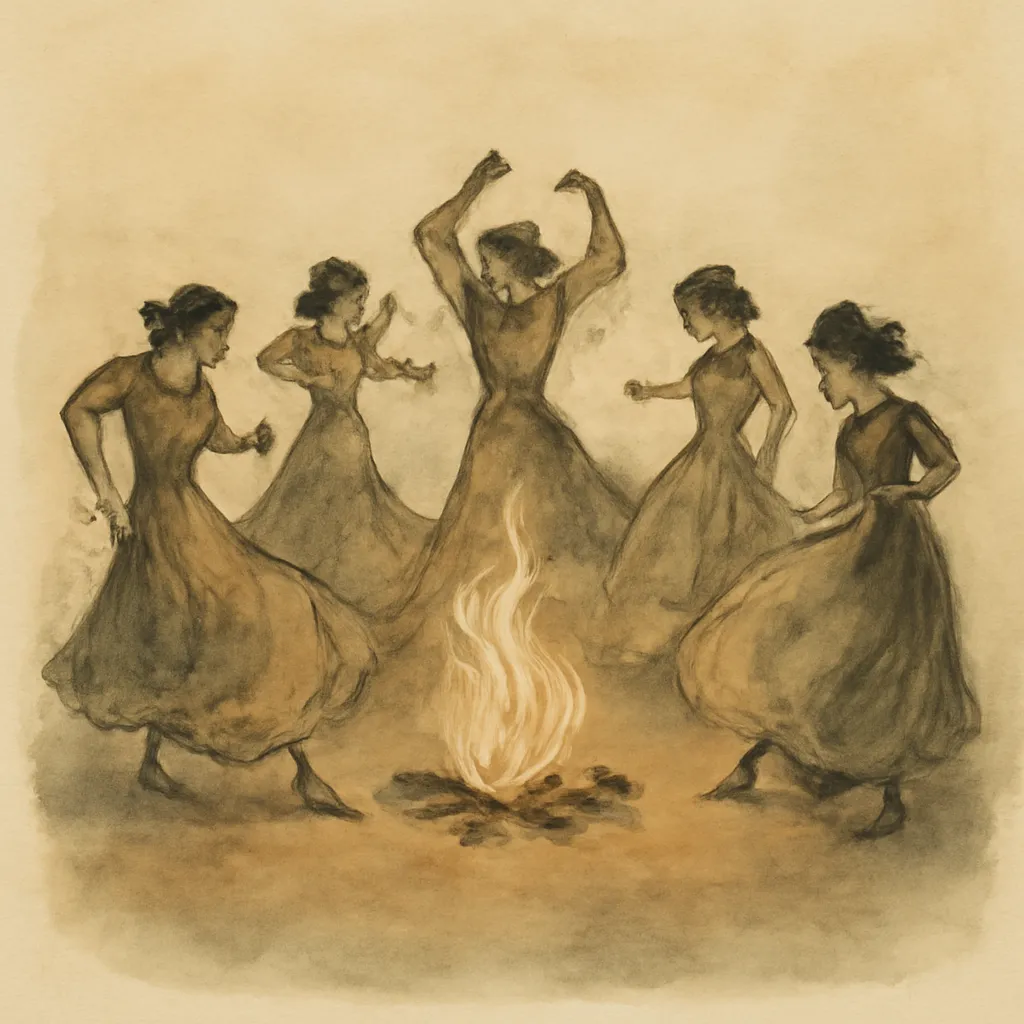
Carmen's Romani heritage plays a crucial role in shaping her identity and the narrative's cultural context. The depiction of the Gitanas—Gypsies—offers insights into the clash between traditional Spanish society and the allure of the outsider. Carmen embodies the characteristics associated with the Romani people: she is free-spirited, enigmatic, and unbound by societal constraints. This cultural lens not only enriches the character but also serves as a medium through which the author critiques societal norms. The contrast between Carmen's vibrant, unconventional lifestyle and Don José's military background emphasizes the tension between conformity and freedom. Through this exploration of cultural identity, Mérimée invites readers to reflect on how societal labels shape individual experiences and relationships. Carmen's struggles highlight the challenges faced by those who exist outside social constraints, illustrating the complexities of navigating identity in a world that often marginalizes the unconventional.
4.The Symbolism of the Bullfight

The bullfight in 'Carmen' serves as a powerful symbol of both cultural heritage and the raw impulses inherent in human relationships. For Don José, the bullfight represents his struggle for control and dominance, mirroring his turbulent relationship with Carmen. The spectacle embodies the tension between attraction and aggression, as the bullfighter faces a creature that embodies both beauty and danger. This duality resonates with Don José's feelings toward Carmen, whose fierce independence both fascinates and terrifies him. The setting of the bullfight also reflects the societal expectations placed upon men to exhibit strength and bravery. Mérimée uses this symbolism to illustrate the complexity of human emotion, where love can evoke both admiration and violence, leading to inevitable conflict. The bullfight becomes a metaphoric battleground for Don José's internal struggles, as he grapples with his feelings of affection toward Carmen and the societal pressure to assert his masculinity.
5.Fate and the Inevitability of Tragedy
Carmen's narrative is imbued with a sense of fate, suggesting that the characters are destined for tragedy. The foreshadowing of dire consequences creates an underlying tension that permeates the story, leading readers to anticipate the fallout from the characters' choices. Don José's inability to escape his fate reflects the broader commentary on human existence—the struggle against forces beyond one’s control. This theme of fatalism is poignantly expressed through Carmen, who, despite her fierce independence, seems to embrace her doomed destiny. Mérimée suggests that the pursuit of freedom and passion may lead to tragic outcomes, illustrating the fragile nature of life and the unforeseen repercussions of personal desires. This inevitability prompts readers to consider their own choices and the potential consequences of their actions, offering a sobering reflection on the interplay between agency and destiny.
6.The Role of Jealousy in Relationships

Jealousy emerges as a potent theme in 'Carmen,' driving the narrative toward its tragic conclusion. Don José's jealousy not only fuels his obsession with Carmen but also leads to violent confrontations that escalate their conflict. This emotion, often depicted as a natural response to love, is portrayed here as a destructive force that blinds individuals to reason and compassion. The consequences of jealousy extend beyond Carmen and Don José, affecting their interactions with others and contributing to their isolation. Mérimée's exploration of jealousy invites readers to reflect on its complexities, illustrating how it can distort relationships and ultimately lead to irrevocable harm. Through this lens, the narrative serves as a cautionary tale about the dangers of allowing jealousy to overshadow love, urging a deeper understanding of trust and respect in relationships. Don José's downfall exemplifies how unchecked jealousy can transform devotion into violence, with devastating ramifications.
7.Gender Dynamics and Power Struggles

The narrative intricately weaves themes of gender dynamics and power struggles throughout Carmen's tale. While Carmen embodies independence, Don José is constrained by societal expectations of masculinity, which dictate that he assert control over his surroundings. His initial attraction to Carmen quickly turns into a struggle for dominance, reflecting the rigid gender roles of the time. This imbalance is further complicated by Carmen's refusal to conform to traditional feminine norms, leading to inevitable conflict between the two characters. Mérimée critiques these societal structures by showcasing the tension between personal desire and societal obligations, urging readers to consider how gender roles shape individual behavior and relationships. As the power struggle intensifies, the narrative reveals the limitations imposed by traditional gender expectations, ultimately questioning the very foundations of love, loyalty, and autonomy. The friction between the characters serves to critique the societal norms that dictate how men and women should behave in relationships.
8.The Outsider's Perspective on Society

Carmen’s status as an outsider in Spanish society allows for a unique exploration of cultural norms and values. As a Romani woman, she exists on the fringes of society, largely unbound by its constraints. This outsider perspective enables her to challenge conventional norms and assert her independence, yet it also subjects her to prejudice and marginalization. Don José, though a soldier, finds himself equally ostracized due to his infatuation with Carmen, illustrating how love can lead to alienation from societal expectations. Through Carmen’s experiences, Mérimée critiques the ways in which society ostracizes those who do not conform, highlighting the need for empathy and understanding towards marginalized individuals. The narrative prompts readers to reconsider their perspectives on outsiders and the societal structures that define belonging. By showcasing the complexities of Carmen's life, the story urges a reflection on the value of diversity and the impact of exclusion based on cultural identity.
9.Class and Social Hierarchy in Relationships

Social class plays a significant role in shaping the interactions and conflicts between characters in 'Carmen.' The disparity between Carmen's lower status as a Romani woman and Don José's military background creates a complex dynamic in their relationship. This tension is evident in their differing attitudes toward love and duty, as Carmen's adventurous spirit clashes with Don José's sense of honor and obligation. Mérimée uses this class dynamic to critique the rigid social hierarchies of his time, illustrating how they influence personal relationships and individual aspirations. The societal pressures stemming from class differences ultimately contribute to the tragic resolution of their story, emphasizing that love cannot flourish in the face of societal constraints. This exploration serves as a reminder of the impact of social status on personal connections and the need to challenge systemic inequalities. The characters' struggles highlight the pervasive influence of class on their decisions and the relationships they forge, offering a critical view of how society often prioritizes status over individual merit.
10.The Complexity of Human Emotion and Relationships

At its core, 'Carmen' is a profound exploration of the intricacies of human emotion and the complexities of relationships. The characters are multifaceted, exhibiting a broad spectrum of feelings that range from love and desire to jealousy and despair. Mérimée delves into the emotional depths of his characters, showcasing how their passions intertwine and conflict. Carmen's fierce independence and Don José's possessiveness create a dynamic that is both passionate and fraught with tension. This exploration extends beyond romantic love to encompass themes of loyalty, betrayal, and the quest for identity. By portraying the characters' emotional struggles, Mérimée invites readers to engage deeply with their experiences, reflecting on the universal nature of human feelings and the ways in which they shape our lives. The narrative serves as a mirror, reflecting the complexities inherent in human connections, and challenges readers to confront their own emotional landscapes.