1.The Enchantment of Solitude
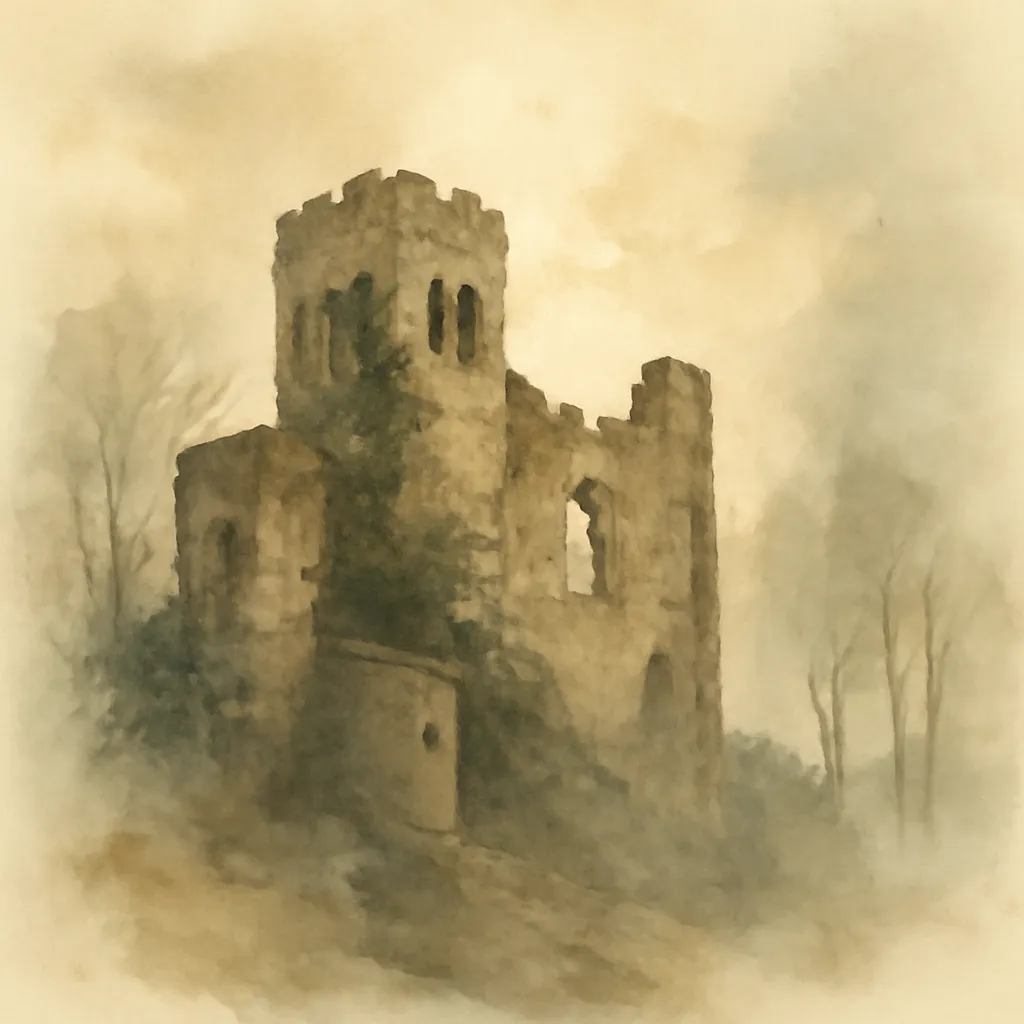
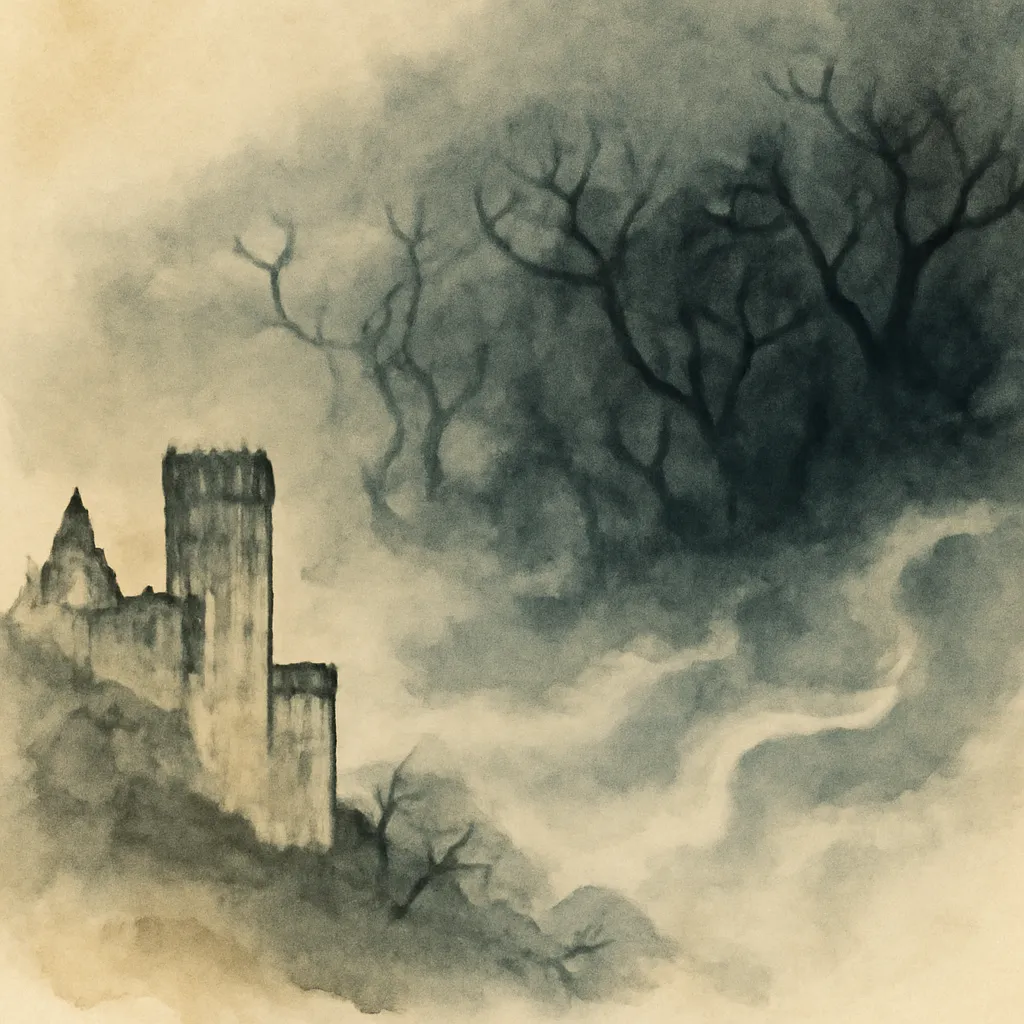
The story begins with Laura's description of her isolated life in a castle in Styria, where the landscape is both beautiful and haunting. The schloss, with its Gothic architecture and surrounding forest, creates a sense of solitude that permeates the narrative. This isolation sets the stage for the arrival of Carmilla, a mysterious young woman who disrupts Laura's tranquil yet monotonous existence. The castle's remoteness not only emphasizes Laura's loneliness but also foreshadows the supernatural events that will unfold. It serves as a character in its own right, reflecting the inner turmoil and the isolation of the characters. This enchanting yet eerie setting illustrates how physical environments can influence emotional states, enhancing the story's overall atmosphere.
2.The Arrival of Carmilla
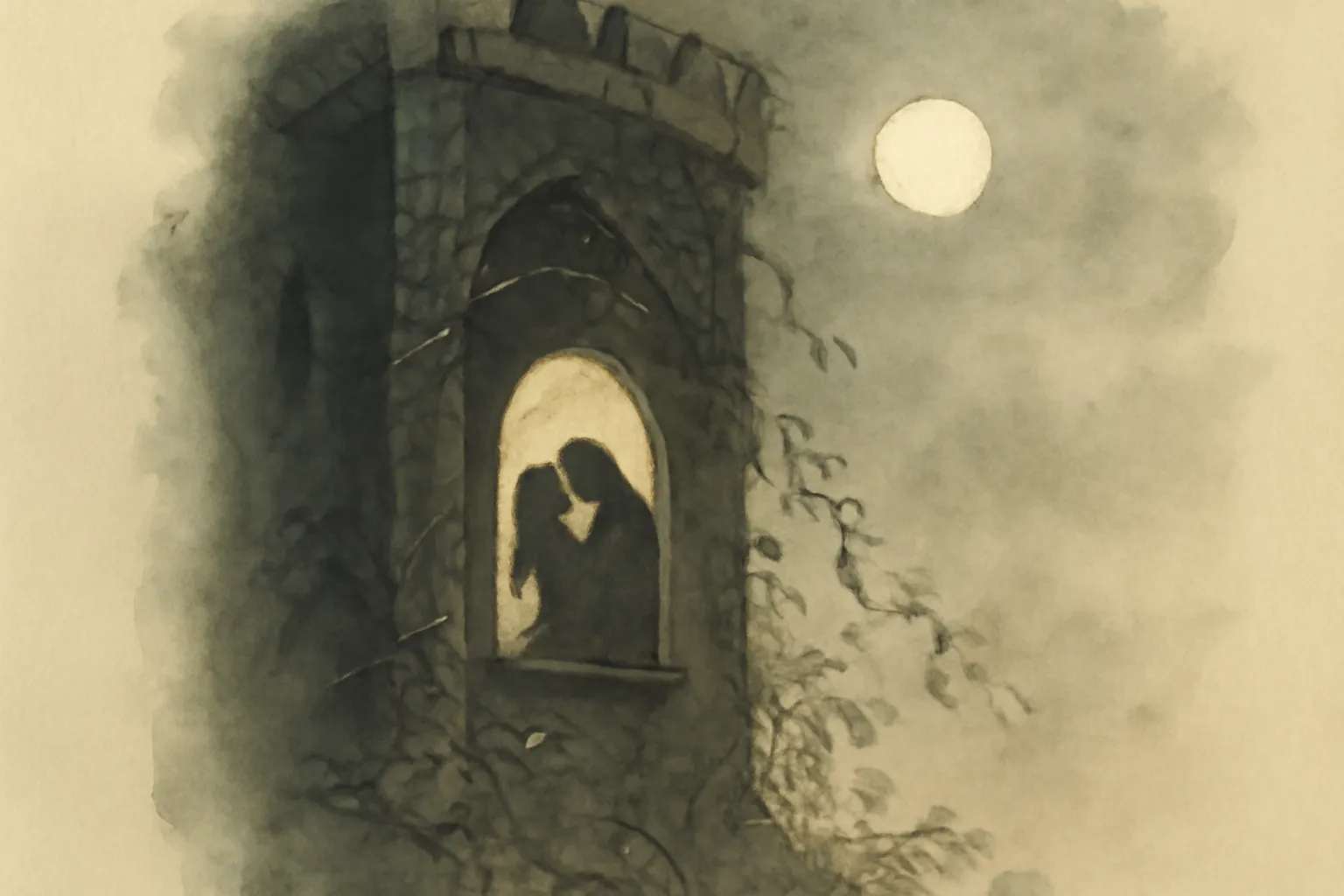
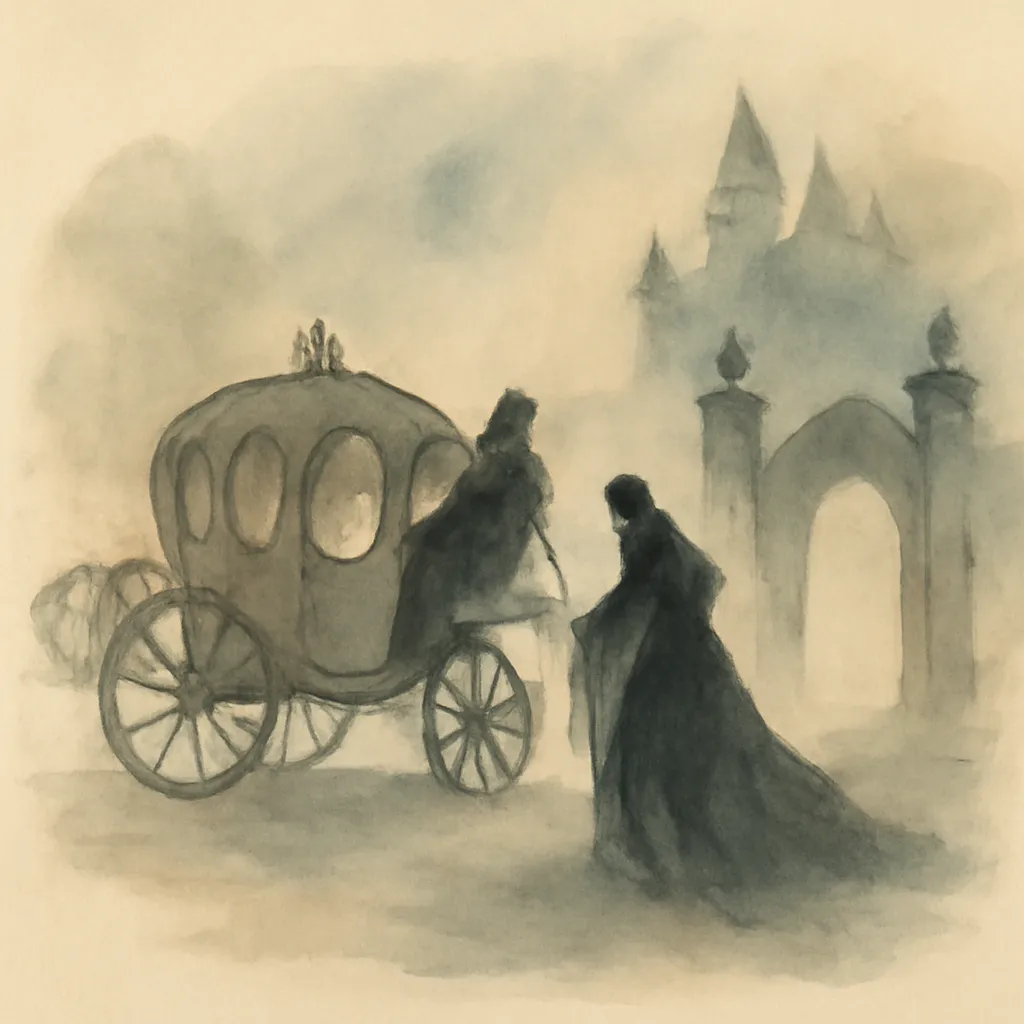
Carmilla's entrance into the story marks a pivotal shift in Laura's life. Initially introduced as a guest under mysterious circumstances, Carmilla embodies both charm and enigma. Her beauty and grace captivate Laura, stirring feelings that are both exhilarating and unfamiliar. As they spend time together, Carmilla's languid movements and captivating presence create an intoxicating bond between the two young women. However, Carmilla's reticence about her past and her family adds layers of intrigue and suspicion, leaving Laura yearning for deeper understanding. This dynamic underscores the theme of forbidden love, as their relationship evolves from friendship to something much more intimate and dangerous, challenging societal norms and expectations.
3.The Nature of Desire
The novella delves into complex themes of desire and sexuality, particularly through the lens of female relationships. Laura's fascination with Carmilla awakens feelings that challenge her understanding of love and attraction. Their connection blurs the lines between friendship and romantic desire, exploring the nuances of intimacy between women. Carmilla's character represents a seductive and dangerous allure that captivates Laura, leading her into a world of passion tinged with horror. The story navigates the tension between societal expectations and personal desires, emphasizing how love can manifest in unexpected and unsettling ways. This exploration of desire is not merely a backdrop; it drives the narrative forward, leading to tragic and transformative consequences.
4.The Shadow of the Past
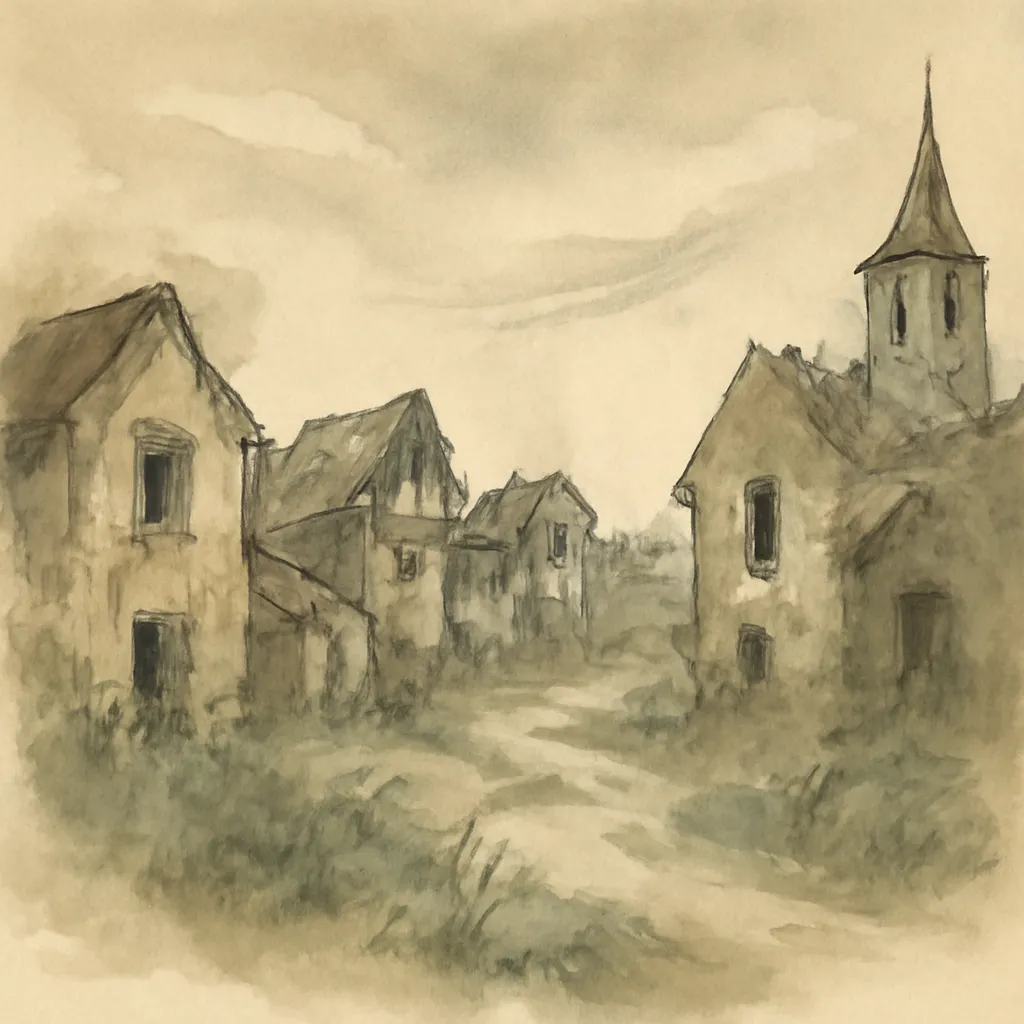
The legend of the Karnstein family and their cursed lineage looms large over the narrative, serving as a reminder of the inescapable influence of history on the present. The ruined village and the tale of the extinct family highlight the themes of decay and loss, reflecting the characters' struggles with their own identities and destinies. As Laura learns more about Carmilla's mysterious origins, it becomes clear that the past is not merely a backdrop but a living force that shapes their lives. This connection to history emphasizes the idea that unresolved traumas can resurface, manifesting in the form of supernatural events. The interplay between past and present creates a rich tapestry of intrigue, suggesting that the characters are haunted not only by their own choices but also by the legacy of those who came before them.
5.The Power of Secrets
Carmilla's reluctance to divulge her true identity and past creates an atmosphere of secrecy that permeates the story. Laura's frustration with Carmilla's evasiveness reflects her deep desire for connection and understanding. This tension illustrates the broader theme of how secrets can both bind and isolate individuals. The hidden truths about Carmilla's nature and her connection to vampirism serve as a metaphor for the struggles of self-identity and the fear of rejection. As Laura grapples with her feelings for Carmilla, the secrets they keep from one another complicate their relationship, leading to moments of both intimacy and betrayal. The narrative suggests that the weight of secrets can be both intoxicating and destructive, driving the characters toward tragic outcomes.
6.The Transformation of Laura
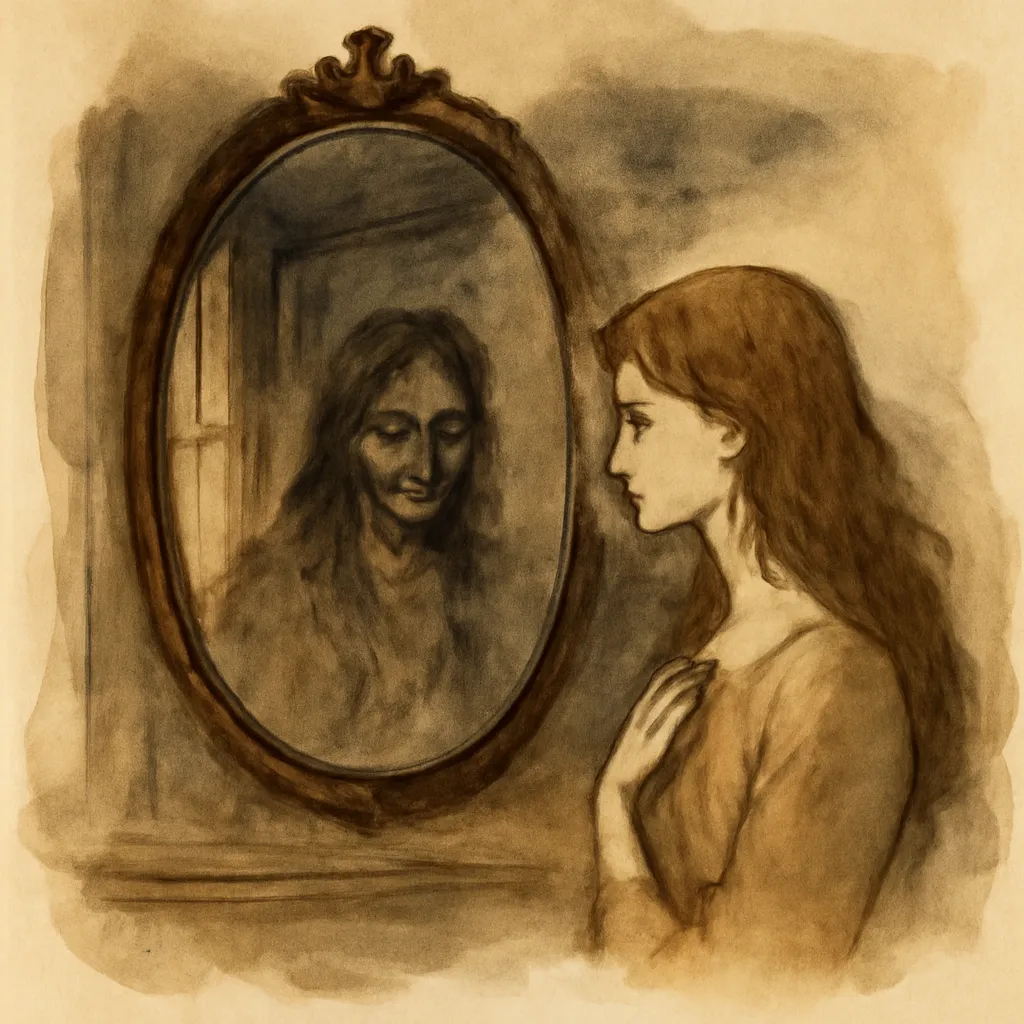
As the story progresses, Laura undergoes a profound transformation, both physically and emotionally. The influence of Carmilla begins to affect her health and well-being, manifesting in dreams and sensations that blur the line between reality and nightmare. This transformation symbolizes the seductive power of desire and the dangers of succumbing to it. Laura's experiences reflect the broader themes of vulnerability and the consequences of unchecked passion. The physical manifestations of her connection to Carmilla—such as the strange sensations and dreams—serve as harbingers of the darker forces at play. Laura's journey becomes a cautionary tale about the perils of desire and the haunting effects of love that transcends the boundaries of life and death.
7.The Threat of the Supernatural
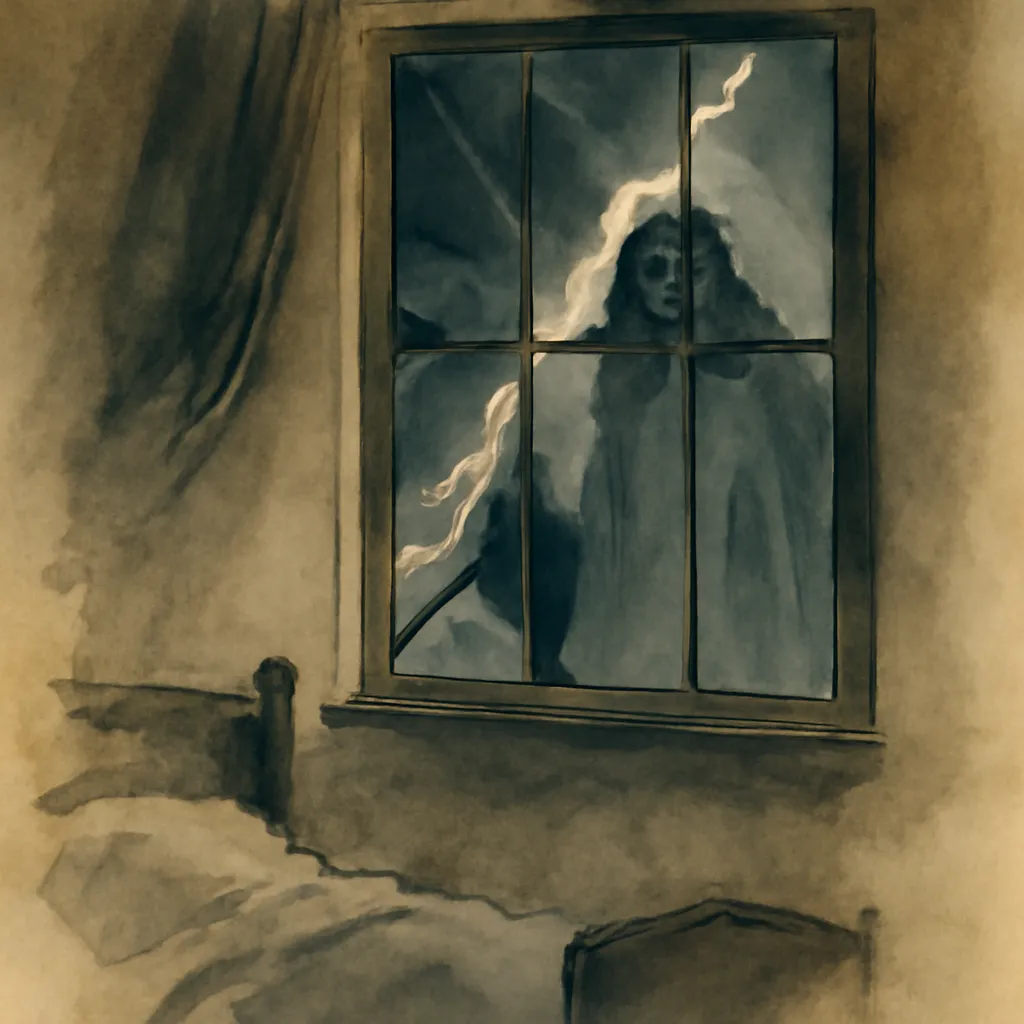
The presence of the supernatural is a constant undercurrent in 'Carmilla,' influencing the characters' lives in profound ways. The mysterious illness that plagues the region serves as a backdrop for the main narrative, hinting at the vampiric threat that lurks in the shadows. As Laura becomes increasingly entwined with Carmilla, the supernatural elements manifest more vividly, blurring the line between the natural and the unnatural. The chilling experiences Laura endures—visions of dark figures and sensations of being watched—heighten the tension and sense of foreboding. The story suggests that the supernatural is not merely an external force but an integral part of the characters' identities, reflecting their inner struggles and desires. This interplay between the supernatural and the personal adds depth to the narrative, inviting readers to consider the implications of their own fears and desires.
8.The Role of Male Authority
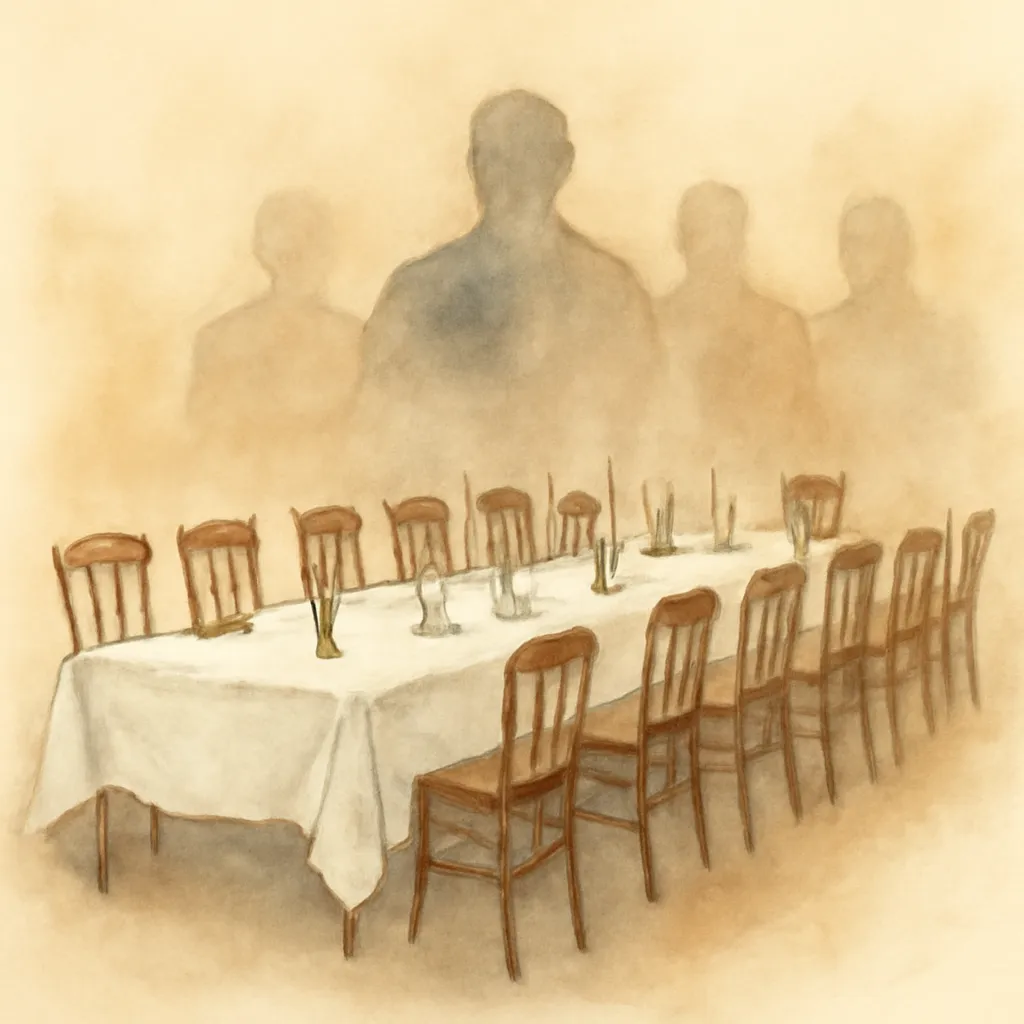
Throughout the novella, male figures often embody authority and rationality, contrasting sharply with the emotional and intuitive experiences of the female characters. Laura's father represents the protective yet often dismissive paternal figure, whose attempts to rationalize the supernatural events ultimately fail to grasp the depth of the situation. The General, too, oscillates between disbelief and a desperate need to confront the horrors surrounding them. This dynamic underscores the limitations of male authority in understanding the complexities of female experience and desire. The men in the story often struggle to comprehend the emotional and supernatural dimensions of the events, highlighting how societal norms can hinder deeper understanding. Their presence serves to amplify the isolation of the female characters, who are left to navigate their passions and fears without the support or insight of the men around them.
9.The Climax of Revelation
The climax of 'Carmilla' occurs when the hidden truths about Carmilla's identity and her vampiric nature are finally revealed. This moment is both shocking and inevitable, as the buildup of suspense and foreshadowing throughout the narrative leads to a confrontation with the reality of the supernatural. The discovery of the connection to the Karnstein family and the historical context of vampirism brings the story full circle, intertwining personal and collective histories. This revelation serves as a turning point for Laura, forcing her to confront the consequences of her desires and the choices she has made. The blending of personal tragedy with the broader implications of vampirism creates a rich and complex narrative that invites readers to reflect on the nature of love, death, and the legacy of the past. The climax challenges the characters' perceptions of reality and forces them to reckon with the truth of their existence.
10.The Haunting Legacy
The conclusion of 'Carmilla' leaves readers with lingering questions about the nature of love, loss, and the inescapability of the past. The haunting legacy of the Karnstein family and the supernatural elements that pervade the narrative serve as a reminder of how history shapes individual identities and relationships. Laura's experiences with Carmilla resonate long after the story concludes, leaving her marked by the encounter with the vampire. This legacy of trauma and desire suggests that the characters cannot escape the consequences of their actions or the influence of their past. The final moments of the novella invite readers to ponder the complexities of love and the ways in which it can both empower and destroy. Ultimately, 'Carmilla' serves as a chilling exploration of the human condition, revealing the dark undercurrents that flow beneath the surface of desire and connection.