1.The Destructive Power of Bullying
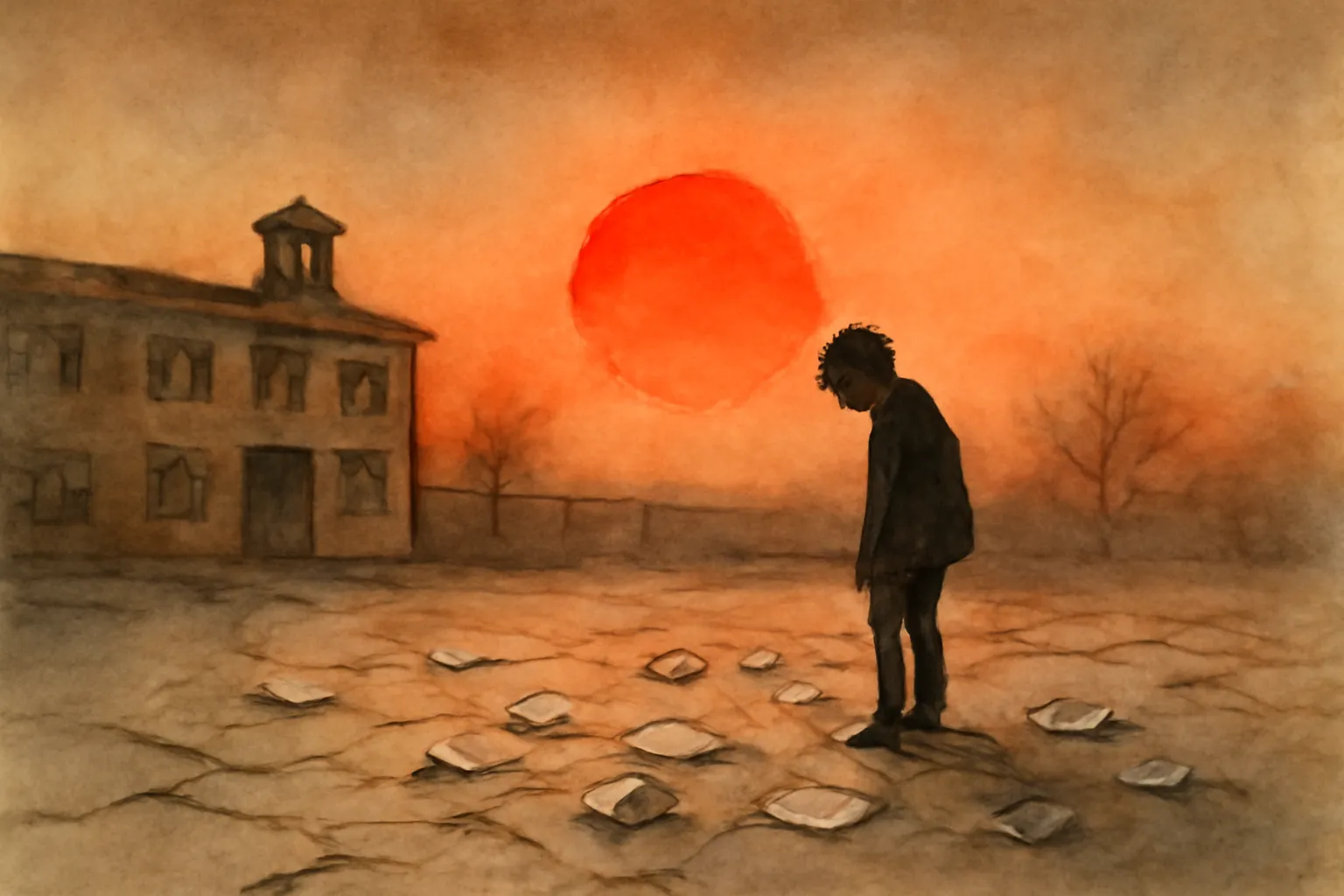
At its core, 'Carrie' is a meditation on the cumulative harm of bullying. Carrie White, relentlessly tormented by her classmates, embodies the pain of social alienation. King's narrative exposes how cruelty, especially in adolescence, can have devastating, far-reaching effects. The novel asks us to consider the responsibility we bear for the suffering of others, and how group dynamics can escalate individual acts of meanness into something monstrous.
2.Religious Fanaticism and Parental Control
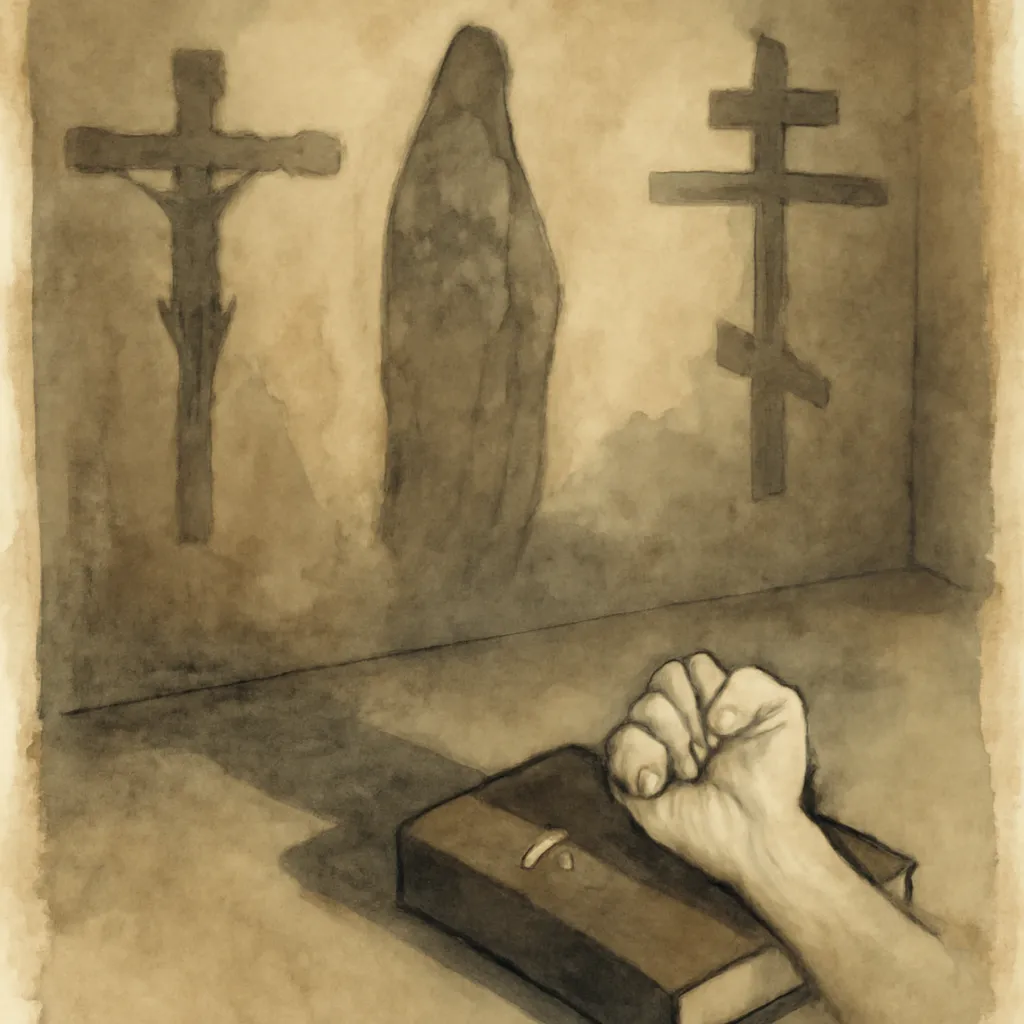
Carrie's mother, Margaret White, is an emblem of religious extremism and oppressive parenting. Her rigid beliefs and abusive control over Carrie stifle her daughter's development and self-worth. King uses this relationship to explore how fanaticism can warp love into something destructive, and how parents' fears and prejudices can be passed down, with tragic consequences.
3.The Dangers of Repression
Carrie's telekinetic powers serve as a metaphor for repressed emotion and identity. Throughout the novel, her abilities grow in tandem with her emotional turmoil. King suggests that suppressing one's true self—whether out of shame, fear, or external pressure—can lead to catastrophic eruptions, both literal and figurative.
4.The Search for Acceptance
Carrie's yearning to fit in is universal. The prom, a symbol of normal teenage life, becomes the focal point of her hope and vulnerability. King poignantly illustrates how the desire for acceptance can drive people to take risks, and how fragile those hopes can be in a hostile environment.
5.Cycle of Violence and Retribution
The novel explores how violence begets violence. The cruelty Carrie endures leads to her own acts of destruction, blurring the line between victim and perpetrator. King raises uncomfortable questions about justice, revenge, and whether those who are wronged are justified in their response.
6.Societal Complicity
King implicates not just individuals but the entire community in Carrie's tragedy. Teachers, parents, and bystanders all play roles—through action or inaction—in the events that unfold. The novel critiques the tendency to ignore or excuse cruelty until it's too late.