1.Cooking as the Catalyst for Human Evolution
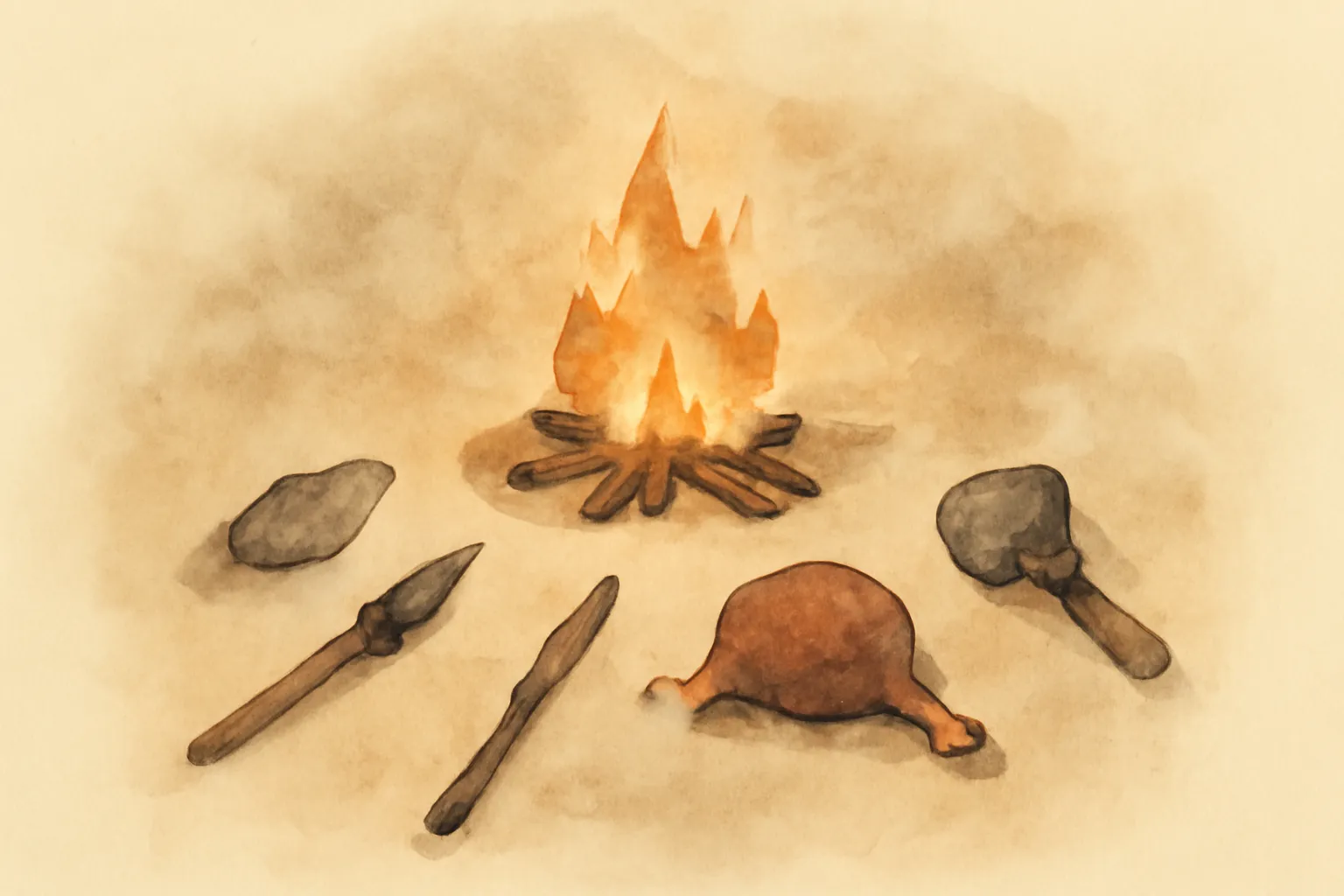
Wrangham’s central thesis is that the advent of cooking, rather than tool use or hunting, was the pivotal development in human evolution. By harnessing fire to process food, early hominins gained access to more calories and nutrients with less effort. This dietary revolution, Wrangham argues, allowed for smaller guts and larger brains, setting Homo erectus and later Homo sapiens on a unique evolutionary path. Cooking, not just eating meat, fundamentally altered our biology and capabilities.
2.Biological Changes Driven by Cooked Food
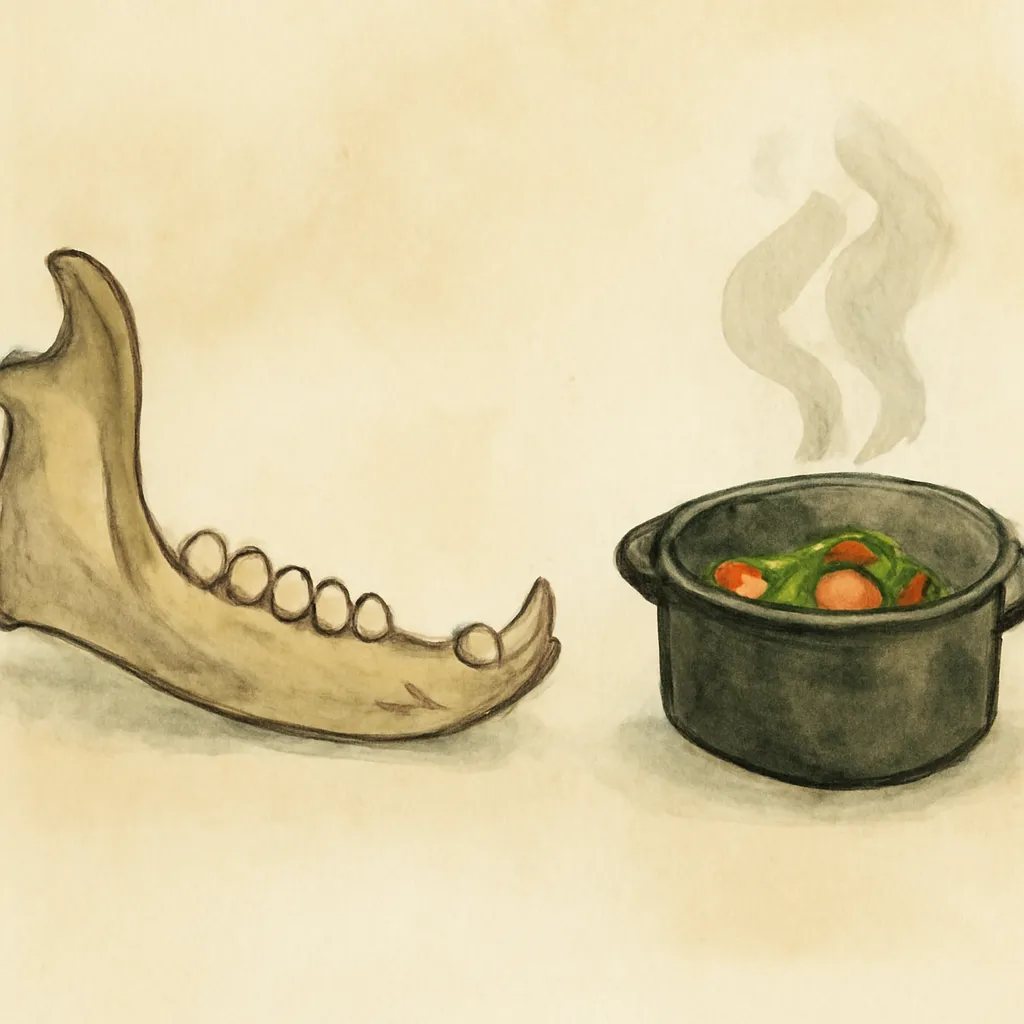
Catching Fire details how cooked food is easier to digest and provides more usable energy than raw food. This shift reduced the size of our teeth, jaws, and digestive tracts, freeing up metabolic resources for brain growth. Wrangham draws on comparative anatomy, primate studies, and nutritional science to show that only cooked food could explain the rapid changes seen in early human fossils—especially the leap in brain size relative to body mass.
3.Cooking and the Rise of Social Structures
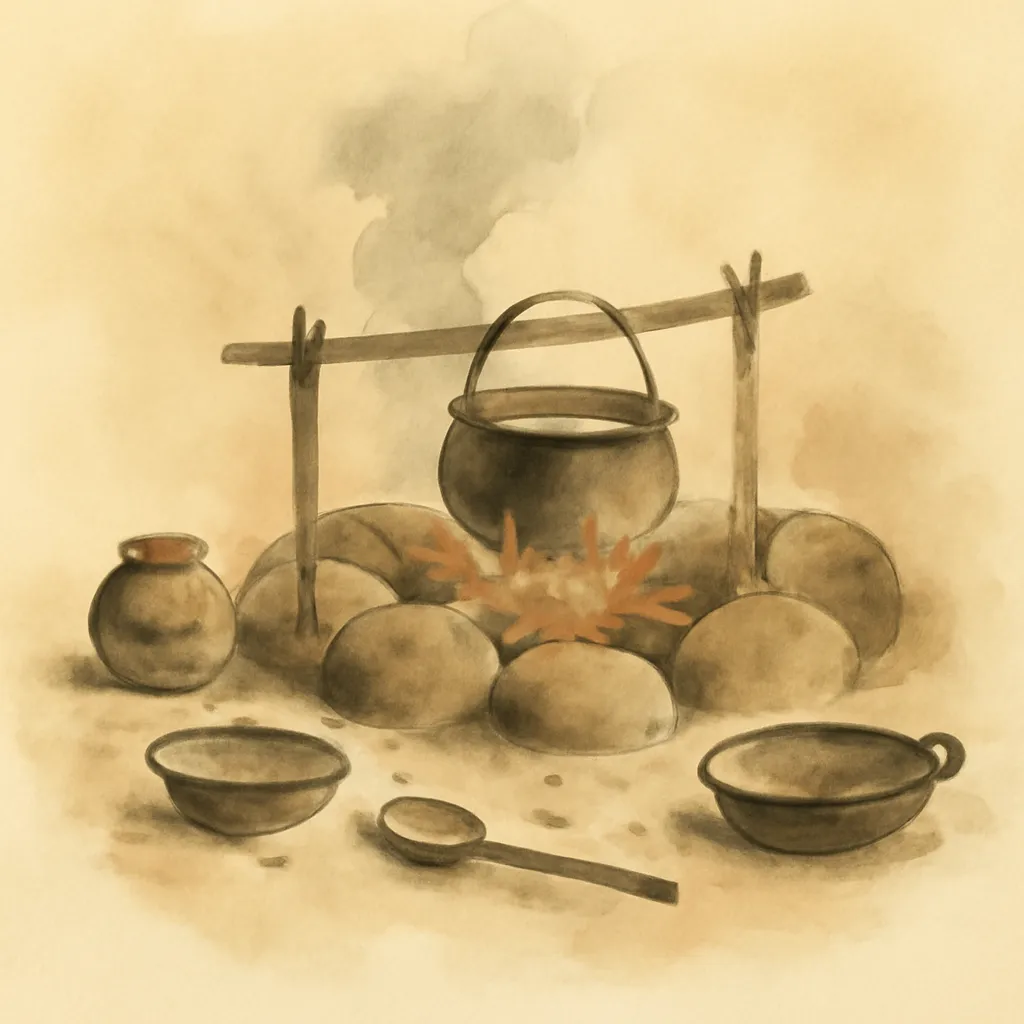
The book explores how cooking shaped not just our bodies but our societies. Preparing food around the fire required cooperation, planning, and sharing, which fostered social bonds and group cohesion. Wrangham argues that the need to protect food and coordinate meals contributed to the emergence of pair-bonding, division of labor, and even the roots of marriage. The daily act of cooking became a foundation for human social life.
4.The Sexual Division of Labor
Wrangham controversially links the origins of gender roles and the sexual division of labor to cooking. He suggests that as women became primary food preparers, men took on roles as protectors and providers, a pattern still visible in many societies. This division, he argues, is not simply cultural but has deep evolutionary roots tied to the risks and rewards of cooking in early human camps.
5.Modern Implications: Diet, Health, and Culture
Catching Fire doesn’t just look backward; it also considers how our evolutionary history with cooked food shapes modern health and eating habits. Wrangham critiques raw food movements and highlights the ongoing importance of cooking for nutrition and social connection. He suggests that understanding our dependence on cooked food can inform debates about diet, obesity, and even the future of food technology.
6.Challenging the Raw Food Paradigm
Throughout the book, Wrangham challenges the romanticized notion that raw diets are more 'natural' or healthy for humans. He presents evidence that humans are biologically adapted to cooked food, and that raw diets often lead to weight loss, low energy, and reproductive issues. This argument reframes debates about what constitutes a 'natural' human diet.