1.The Influence of Shakespeare's Legacy
Jameson attributes the success of her work to the enduring legacy of Shakespeare, whose characters resonate deeply with audiences. The familiarity of his works creates a bond among readers that enhances the appreciation of the analysis presented. Shakespeare's women, often overshadowed by their male counterparts, are given the spotlight in this exploration. By revisiting these characters, Jameson not only aims to elevate their status but also to challenge the prevailing notion that they are inferior to men. The dialogue surrounding the value of Shakespeare's female characters is enriched by Jameson's insights, prompting a reevaluation of their significance in the broader context of literature. The depth with which she analyzes these figures reveals how Shakespeare imbued them with complexity, making them not mere caricatures but representations of real human struggles and strengths.
2.Portia: A Model of Intelligence and Grace

Portia, from "The Merchant of Venice," embodies a unique blend of intelligence, grace, and moral fortitude. Jameson highlights her as a character who navigates the constraints of her society with poise, using her wit and legal knowledge to outsmart her male counterparts. Portia's decision to disguise herself as a man to plead Shylock's case showcases her resourcefulness and determination. This act not only highlights her intelligence but also reflects the limitations imposed on women, forcing them to adopt male identities to gain agency. The legal acumen she displays during the trial illustrates a profound understanding of justice and morality, as she not only fights for the letter of the law but intertwines compassion into her arguments. However, it also raises questions about gender roles and societal expectations. While she operates within a patriarchal framework, her actions ultimately subvert those very limitations, making her a complex figure who challenges traditional notions of femininity. Jameson's portrayal of Portia emphasizes the character's depth and the importance of her contributions to the narrative, inviting readers to appreciate her as more than just a romantic interest.
3.Juliet: The Passionate Heroine

Juliet from "Romeo and Juliet" is presented as a passionate and impulsive character whose love story transcends the bounds of familial loyalty and societal expectations. Jameson examines Juliet's intense emotions and the consequences of her decisions, portraying her as a figure who embodies the conflict between individual desire and social obligation. Her love for Romeo is not merely a youthful infatuation; it represents a profound connection that defies the feud between their families. This passionate love drives Juliet to take drastic actions, including faking her own death to escape the constraints of her family and society. Jameson points out that Juliet's character arc is marked by a transformation from innocence to a determined individual who challenges the expectations placed on her. The overwhelming nature of her love, juxtaposed with the tragic circumstances that surround it, emphasizes the theme of love as a powerful, sometimes destructive force. This raises questions about the nature of sacrifice and the lengths one will go to for true love, creating a sense of empathy for Juliet as a character caught between passion and the harsh realities of her world.
4.Helena: The Strength of Passion

Helena, from "A Midsummer Night's Dream," represents a different facet of love—one that is tenacious and unwavering. Jameson characterizes Helena as a woman who actively pursues her love for Demetrius, defying social norms and expectations. Her determination is not born of mere whim; it reflects a deep-seated belief in the value of her affections. Helena's journey through rejection and eventual acceptance serves as a commentary on the nature of love and desire, showcasing her strength in the face of adversity. Jameson emphasizes the way Helena's love is not passive; rather, it is a driving force that compels her to confront her own insecurities and societal ridicule. The character's vulnerability is offset by her courage, as she embodies the idea that true love is worth pursuing, regardless of the obstacles. This portrayal encourages readers to recognize the strength and resilience that can exist within female characters, further complicating the traditional narratives surrounding women in literature. Helena's character challenges the idea that women must wait for love to come to them, depicting instead a proactive pursuit that resonates with contemporary ideals of agency and self-empowerment.
5.The Duality of Beatrice and Hero
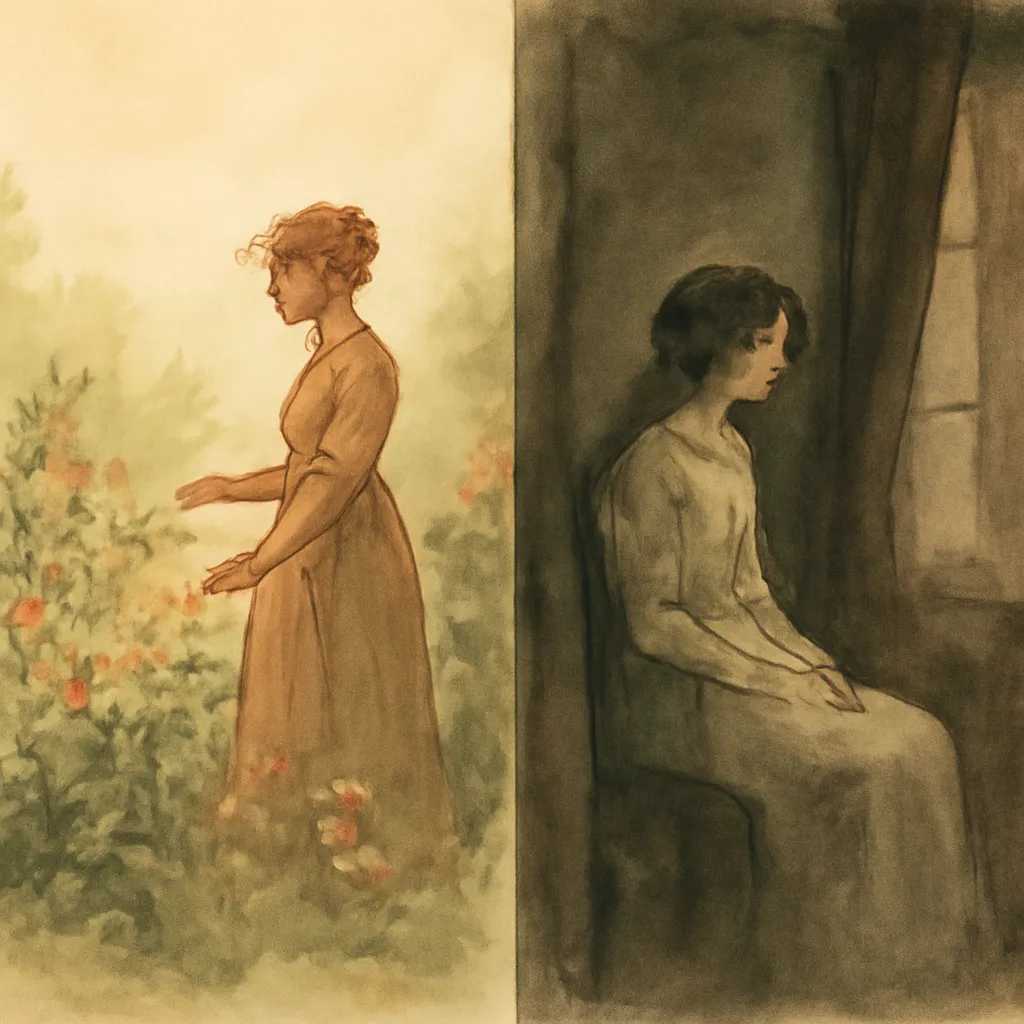
In "Much Ado About Nothing," the contrasting characters of Beatrice and Hero provide a rich exploration of female identity and societal roles. Jameson discusses how Beatrice embodies a spirited independence and wit, often challenging the expectations placed on women. Her sharp tongue and refusal to conform to traditional norms position her as a proto-feminist figure. Beatrice's lively banter with Benedick illustrates a dynamic relationship that defies the usual power dynamics of courtship. In contrast, Hero represents the archetype of the dutiful and passive woman, whose silence and obedience are ultimately tested by the actions of those around her. Jameson notes that while Hero's character is often seen as weak, she embodies a deeper strength rooted in loyalty and love. When Hero's honor is attacked, her response reflects both vulnerability and resilience, highlighting the complexities of her character. Jameson suggests that both characters are essential to the narrative's exploration of love and honor, as Beatrice's strength highlights the vulnerabilities of Hero. This duality invites a deeper understanding of the complexities of female relationships and the societal pressures that shape their identities, ultimately enriching the themes of love and honor within the play.
6.Ophelia: The Tragic Innocence
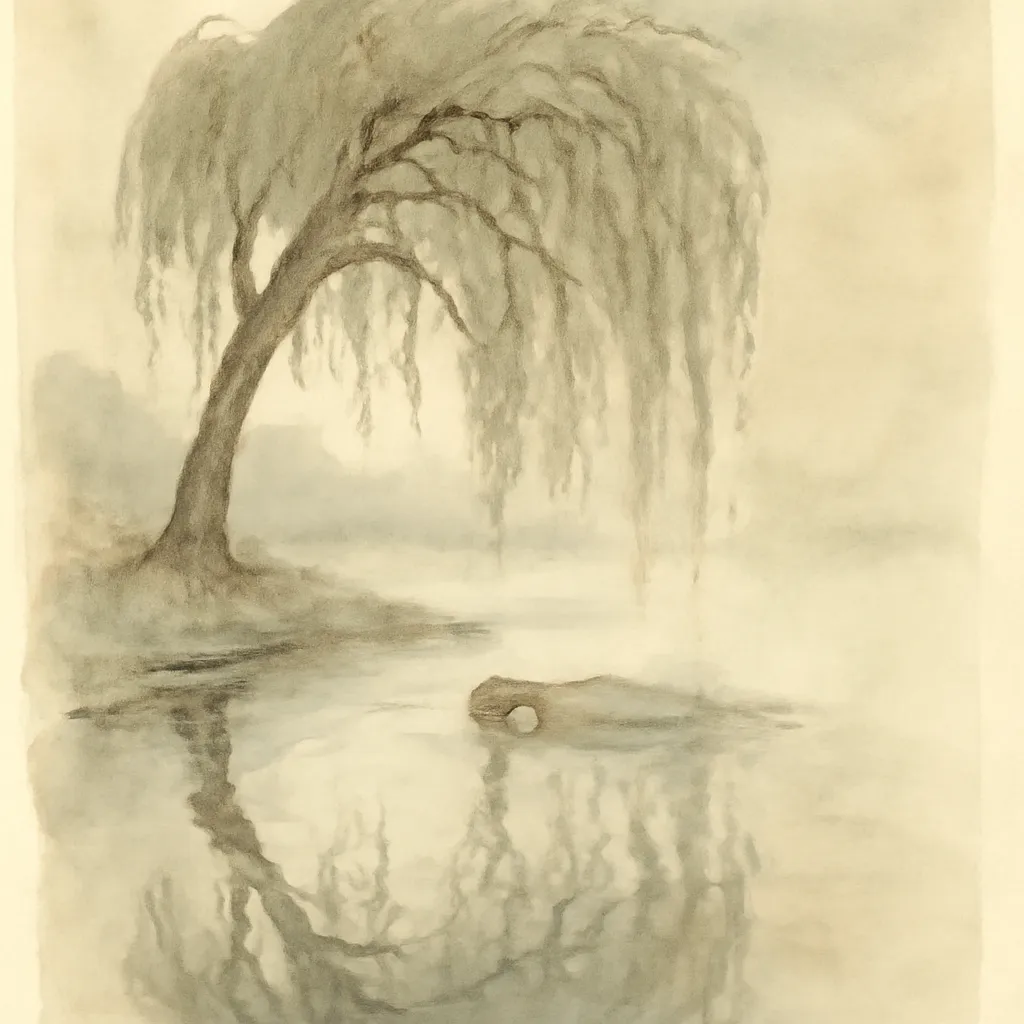
Ophelia's character in "Hamlet" is a poignant representation of the tragic consequences of patriarchal oppression. Jameson delves into Ophelia's descent into madness, illustrating how her innocence and purity are exploited by the men in her life. The expectations placed upon her by her father, Polonius, and her lover, Hamlet, create a tumultuous environment that strips her of agency. Her struggle reflects the broader theme of female agency and the impact of societal expectations on women's mental health. Jameson argues that Ophelia's tragic fate serves as a critique of the limitations placed on women, highlighting the dangers of a society that fails to recognize their autonomy. The way Ophelia is used as a pawn in the political machinations of the men around her underscores her vulnerability. Through Ophelia, Jameson emphasizes the necessity of understanding female characters as complex individuals shaped by their circumstances, rather than mere symbols of virtue or victimhood. Her tragic demise resonates as a powerful commentary on the consequences of silencing women and the inherent dangers of a patriarchal society.
7.The Enigmatic Cleopatra
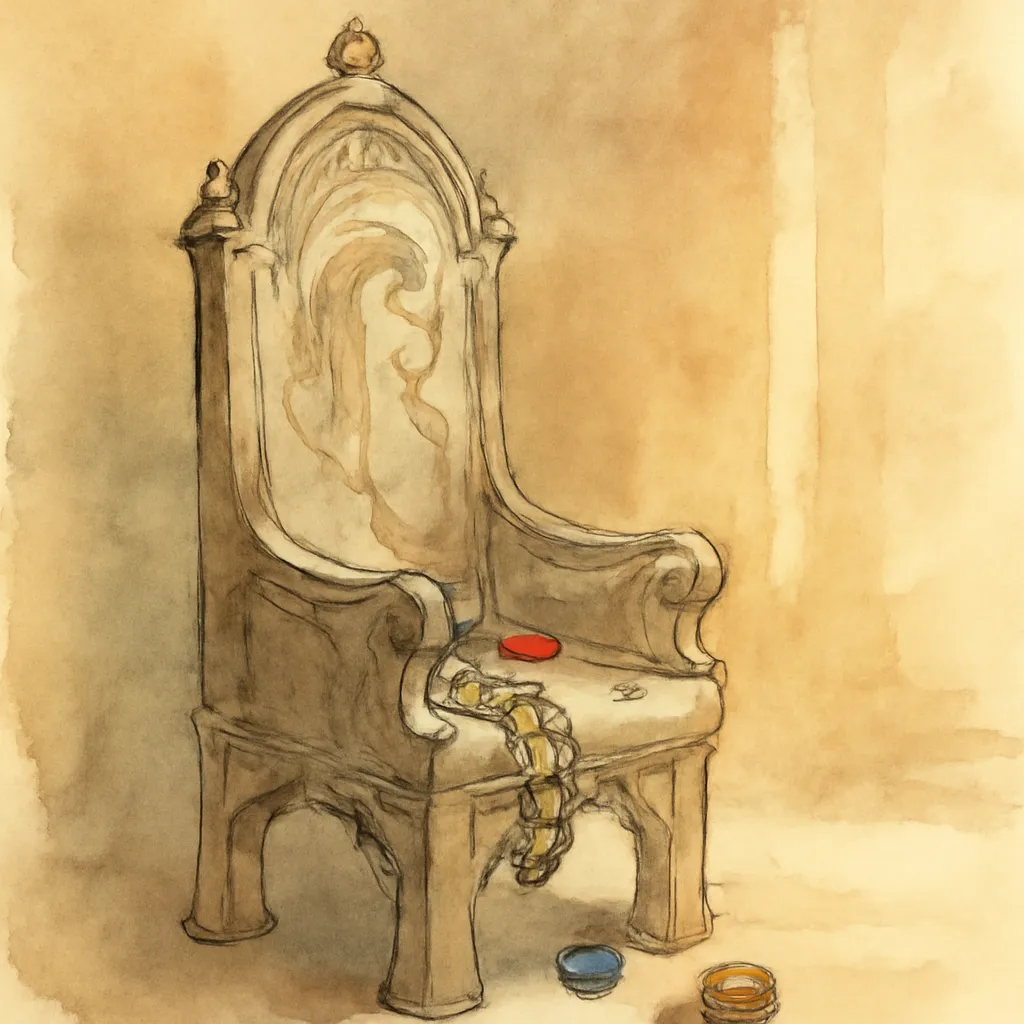
Cleopatra stands out as one of Shakespeare's most multifaceted characters, embodying the complexities of power, seduction, and ambition. Jameson explores how Cleopatra's character defies simple categorization, blending elements of strength and vulnerability. Her ability to captivate Antony and manipulate political situations illustrates her intelligence and agency, yet her ultimate demise raises questions about the cost of such power. Jameson emphasizes that Cleopatra's portrayal challenges the notion of the 'femme fatale,' presenting her instead as a nuanced character whose motivations are deeply rooted in her circumstances. The juxtaposition of her fierce independence and profound loneliness paints a portrait of a woman who is both a ruler and a lover, navigating a world that seeks to undermine her authority. This complexity invites readers to reconsider the narratives surrounding powerful women and the societal judgments they face, particularly in a historical context that often vilifies them. Cleopatra's resilience in the face of political pressures and her tragic end serve to highlight the inherent challenges faced by women in positions of power, making her a compelling subject of analysis in Jameson's work.
8.The Virtue of Cordelia

Cordelia, from "King Lear," represents the ideal of virtue and loyalty amidst chaos and betrayal. Jameson portrays Cordelia as a character whose integrity is unwavering, even when it leads to her disinheritance. Her refusal to engage in flattery contrasts sharply with the deceitful behavior of her sisters, showcasing her moral strength. Jameson highlights how Cordelia's character serves as a beacon of hope and integrity, ultimately revealing the tragic consequences of Lear's foolishness. The depth of Cordelia's love for her father, despite his mistreatment, speaks to the theme of unconditional love and the sacrifices that often accompany it. Her death, while heartbreaking, underscores the theme of redemption and the enduring power of love. The way Cordelia stands firm in her convictions, even at great personal cost, invites readers to reflect on the qualities that define true nobility. Through Cordelia, Jameson emphasizes the importance of integrity and the tragic consequences that can arise when love and loyalty are undervalued.
9.Historical Context and Female Representation
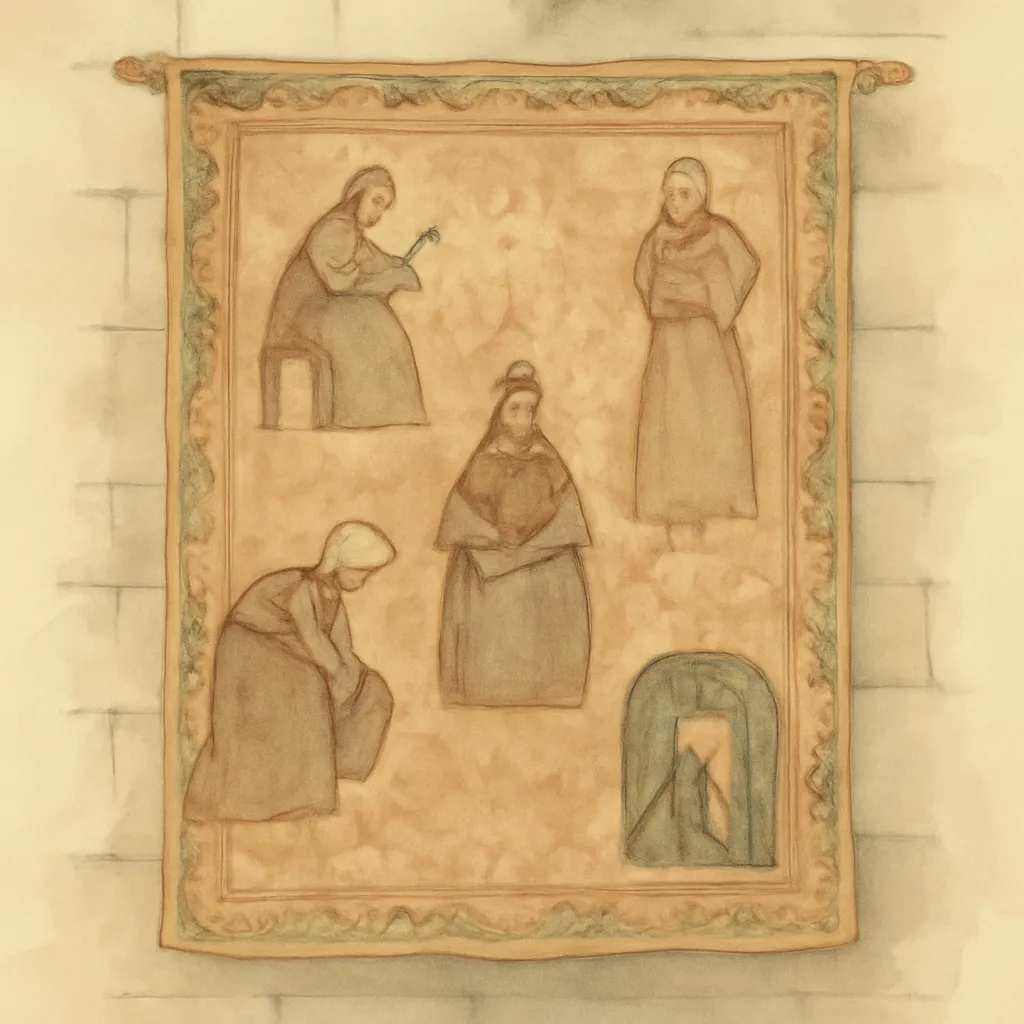
Jameson contextualizes Shakespeare's female characters within the societal norms of the Elizabethan era, exploring how these historical limitations shape their narratives. She argues that while Shakespeare's women may appear constrained by their circumstances, they often exhibit remarkable resilience and complexity. This examination reveals how the playwright navigated the expectations of his time to create characters that resonate with contemporary audiences. By highlighting the historical context, Jameson emphasizes the enduring relevance of these characters and the ongoing struggles women face in literature and society. She discusses how societal structures dictate the roles and behaviors expected of women, yet Shakespeare’s characters frequently subvert these norms through their actions and choices. This perspective encourages a critical examination of how female representation has evolved and the lessons that can still be drawn from these timeless narratives. Understanding the historical backdrop of these characters enriches our appreciation of their complexities and the social commentary embedded within their stories.
10.The Legacy of Shakespearean Women
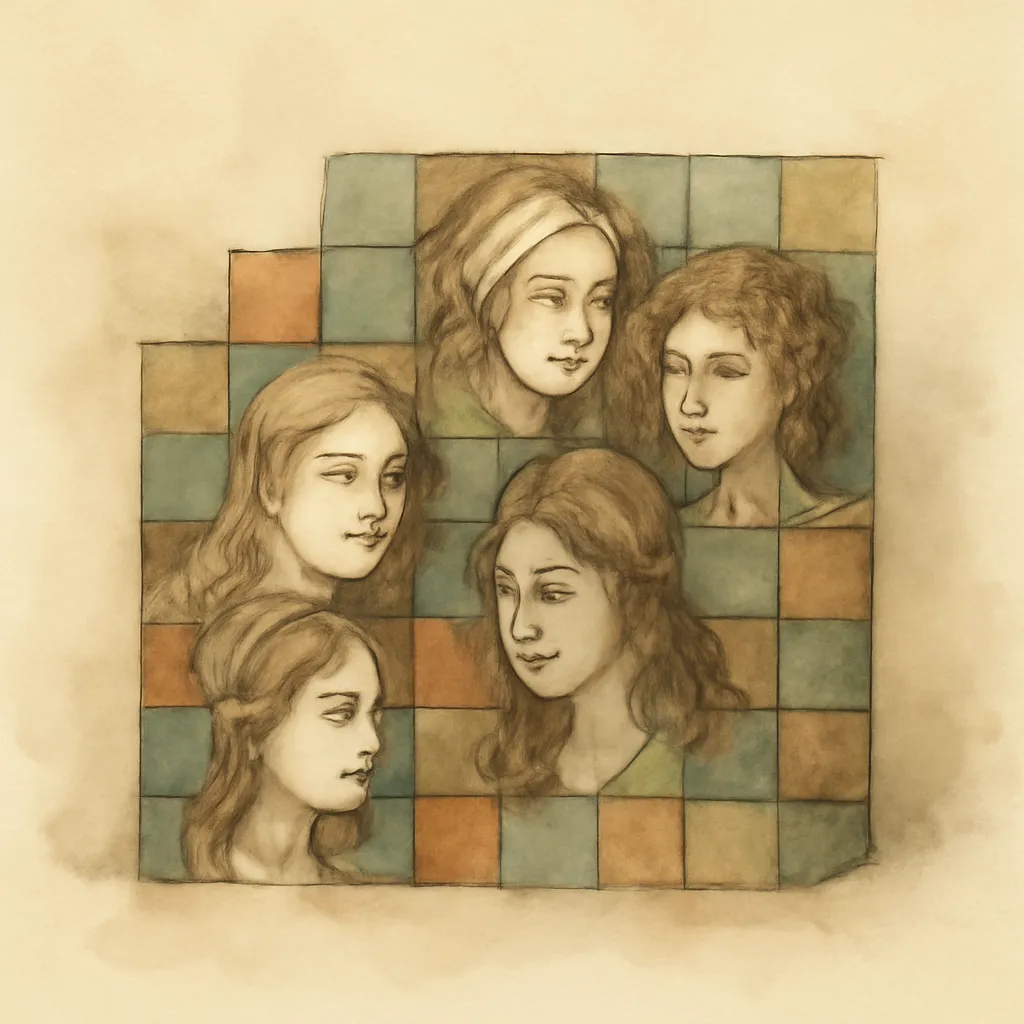
The exploration of Shakespeare's women in Jameson's work speaks to their lasting impact on literature and culture. Each character, with her unique traits and complexities, contributes to a broader understanding of femininity and the human experience. Jameson argues that these characters are not merely products of their time but rather reflections of universal truths about love, power, and identity. The legacy of these women continues to inspire modern interpretations and adaptations, demonstrating their relevance across generations. By analyzing these characters, Jameson invites readers to engage with the ongoing dialogue about gender, representation, and the multifaceted nature of women's experiences, reinforcing the importance of these narratives in contemporary discourse. The depth of analysis provided by Jameson underscores the necessity of recognizing the complexities within these characters, urging readers to appreciate not only their historical significance but also their influence on modern conceptions of femininity and identity.