1.A Legacy Rooted in Revolutionary Heritage
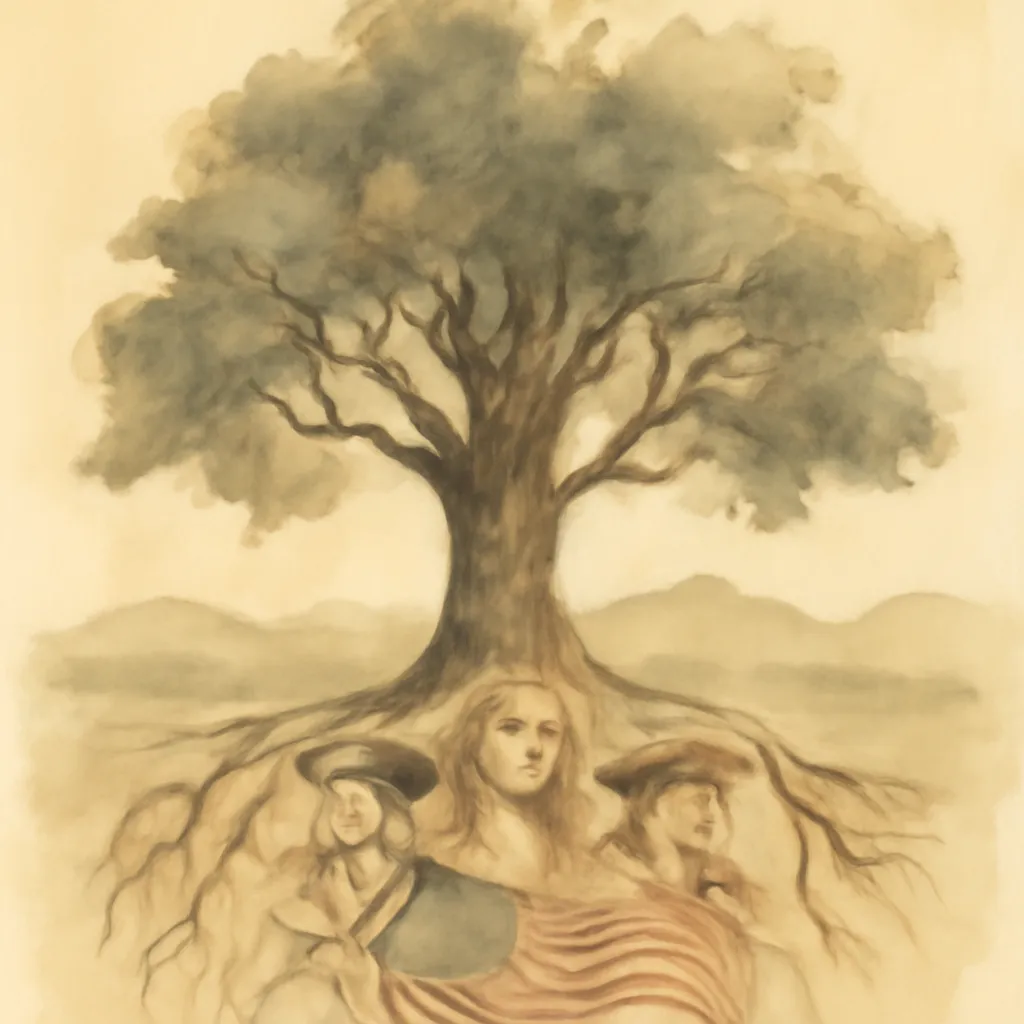
Coffin's lineage traces back to Tristram Coffin, a notable figure from England and Nantucket, showcasing a family deeply embedded in the ideals of revolution and liberty. His grandfather, Captain Peter Coffin, was an active participant in the Revolutionary War, embodying the spirit of patriotism that would influence Charles from a young age. This heritage instilled in him a strong sense of duty to his country and a commitment to the truth. The stories of his ancestors, who faced the British threat head-on, served as a source of inspiration for Coffin, shaping his worldview and motivating his later work as a correspondent. The values of courage, integrity, and a relentless pursuit of justice were not just ideals for Coffin; they were inherited traits that he would carry forward into his own life and career.
2.The Formative Years of a Future Correspondent
Coffin's childhood experiences in Boscawen, New Hampshire, were marked by a unique blend of hardship and learning. He recalls the struggles of school life, including the rigid discipline of teachers who often resorted to physical punishment. His father’s strict rule of repeating school punishments at home taught him early on about justice and injustice, shaping his character and moral compass. These formative experiences ignited a passion for storytelling, as he learned to navigate the complexities of human emotion and societal expectations. The struggles of his youth, including his family's financial challenges during economic downturns, further honed his empathy and understanding of the human condition. This combination of personal trials and vivid memories would later fuel his writing, allowing him to capture the essence of the human experience during tumultuous times.
3.The Intersection of Politics and Journalism
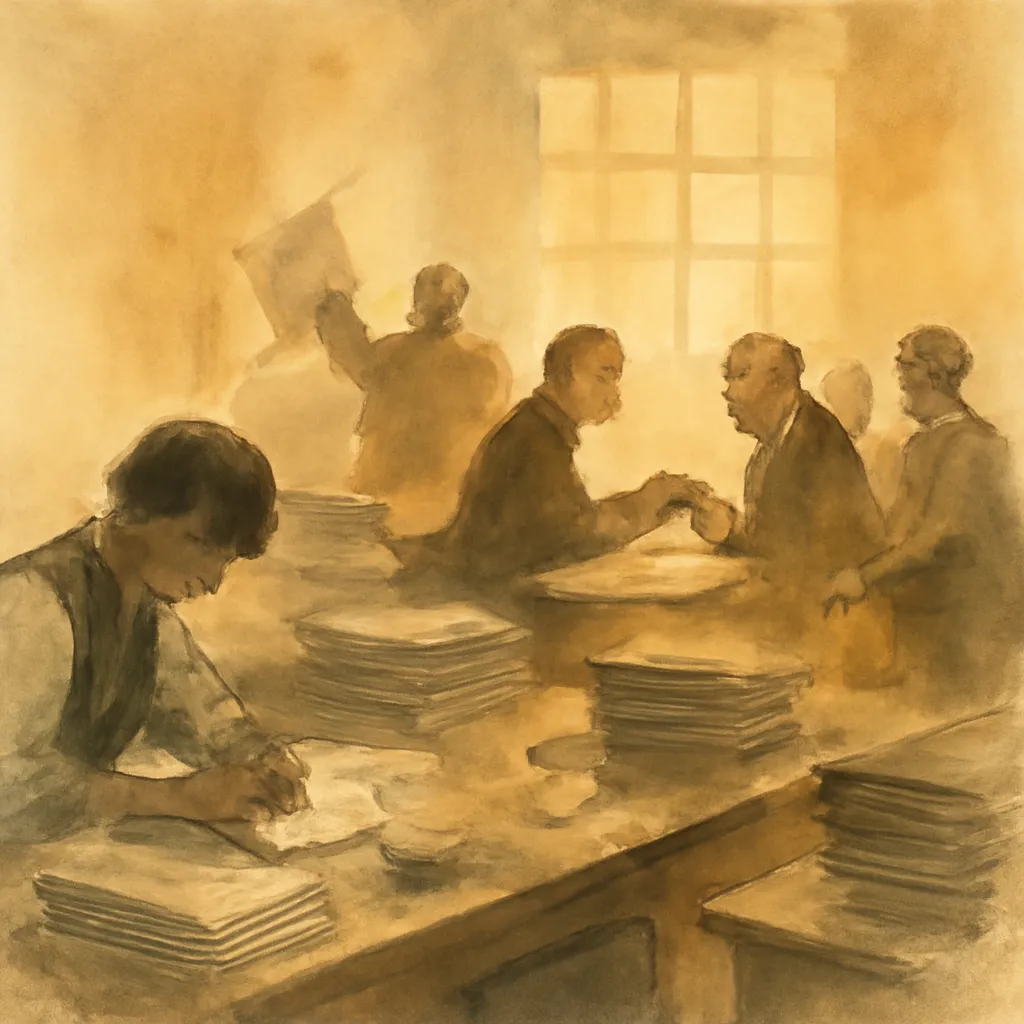
Coffin's early career in journalism coincided with a pivotal moment in American politics—the rise of the Republican Party. His involvement in the press allowed him to connect with influential political figures such as Henry Wilson and Charles Sumner, providing him with a front-row seat to the unfolding political landscape. At the Atlas, Coffin's editorials captured the fervor of the times, particularly during the election campaigns that shaped the nation’s future. His writings not only reflected public sentiment but also served to galvanize support for the anti-slavery movement. This intersection of journalism and politics became a hallmark of his career, as he understood the profound impact that accurate reporting could have on public opinion and policy. Coffin's ability to articulate the ideals of the Republican Party helped to solidify his role as a key player in the political discourse of his time.
4.A War Correspondent in the Making
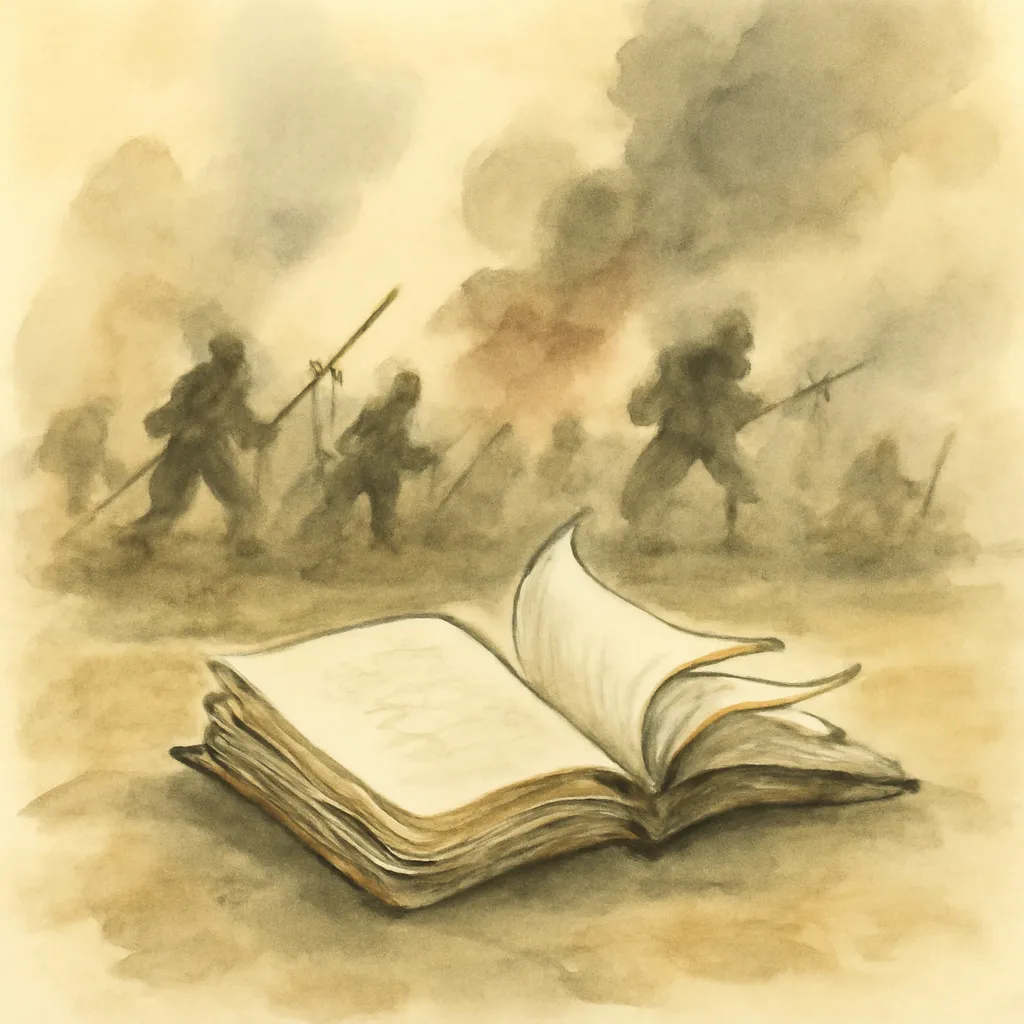
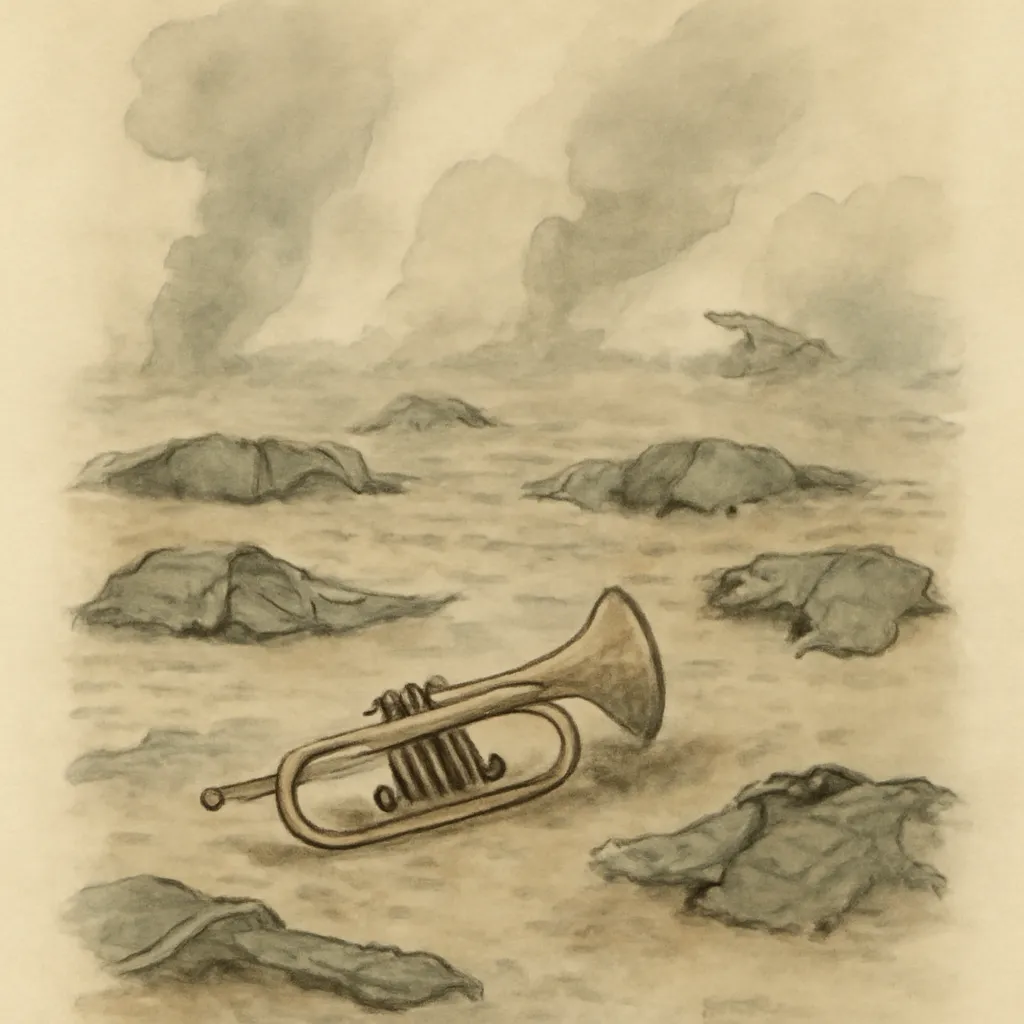
When the Civil War broke out, Coffin found his calling as a war correspondent, a role that would define his legacy. His decision to report on the war rather than take up arms stemmed from a deep understanding of the power of the written word. Coffin recognized that by documenting the realities of battle and the experiences of soldiers, he could influence public perception and morale. His reports from the front lines were marked by a commitment to truth, capturing the chaos and valor of battle with remarkable clarity. The graphic details of his accounts brought the war home to readers, making the distant conflict feel immediate and personal. Coffin's ability to convey the emotional weight of the war not only informed the public but also inspired a sense of unity and purpose among those at home. His work exemplified the vital role of journalism in shaping national identity during a time of crisis.
5.The Art of Observational Reporting
Coffin's keen observational skills set him apart as a war correspondent. His ability to capture the essence of battle, from the sounds of gunfire to the emotional turmoil experienced by soldiers, created powerful narratives that resonated with readers. In his reports from the Battle of Bull Run, for instance, Coffin's vivid descriptions of the panic that ensued among Union troops highlighted both the chaos of war and the bravery of those who fought. He utilized his position to provide not just a recounting of events but also a deeper understanding of the human experience behind the conflict. This commitment to observational reporting allowed Coffin to build a reputation for accuracy and integrity, making his accounts sought after by newspapers across the nation. His writing became a bridge between the front lines and the home front, fostering a connection that was crucial for maintaining public support for the war effort.
6.Coffin's Role in Shaping Public Sentiment
Throughout the Civil War, Coffin's writings played a crucial role in shaping public sentiment. He understood that the narratives he crafted could either bolster morale or sow doubt among the populace. His reporting was not merely a collection of facts; it was infused with a moral imperative to uphold the Union cause. Coffin's famous declaration that the Secession movement was a 'slaveholders' conspiracy' reflected his unwavering stance on the moral issues at stake. His ability to articulate the stakes of the conflict resonated with readers, encouraging them to support the war effort. Coffin's writings served as a rallying cry for those who believed in the principles of freedom and equality, ultimately contributing to the Union's resolve to persevere. His influence extended beyond the battlefield, as he sought to inform and inspire a nation grappling with its identity and values.
7.The Personal Toll of War Correspondence

Despite the acclaim Coffin received as a war correspondent, the toll of witnessing the brutality of war weighed heavily on him. His accounts of battle often included graphic details of the suffering endured by soldiers, a reflection of his commitment to honest reporting. Coffin grappled with the emotional impact of his experiences, particularly as he witnessed the loss of life and the devastating effects of combat on individuals and families. The stress of his role was compounded by the need to maintain a sense of objectivity, even as he felt deeply for the soldiers he reported on. This tension between personal feeling and professional duty shaped Coffin's writings, adding depth to his narratives. His ability to convey the human cost of war not only informed readers but also served as a poignant reminder of the sacrifices made by those who fought. Coffin's empathy and insight into the human condition enriched his work, making it resonate on a profound level.
8.The Transition to Post-War Life
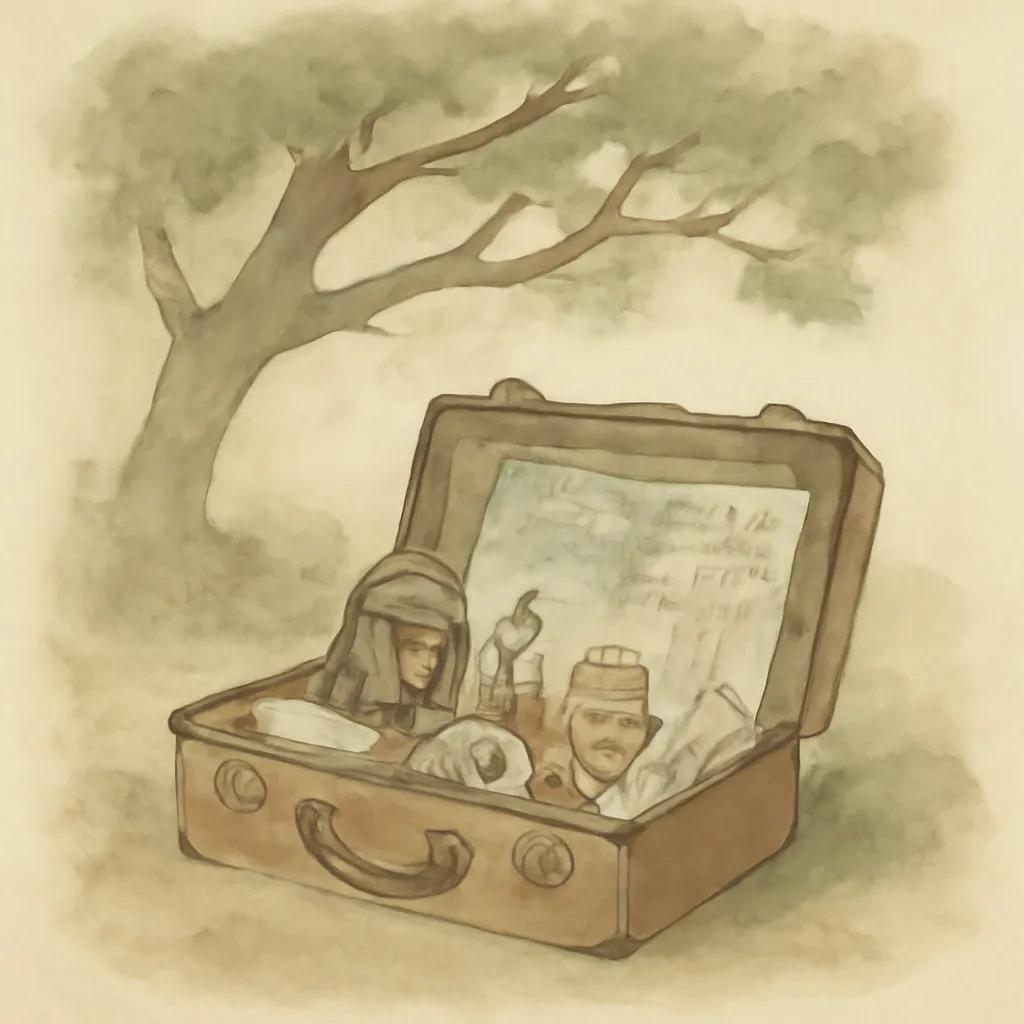
After the Civil War, Coffin faced the challenge of transitioning from a war correspondent to a civilian life. The abrupt shift from the chaos of battle to the quieter rhythms of daily life was disorienting for him. He poured his energy into writing books that chronicled his experiences, including 'My Days and Nights upon the Battle Field,' which captured the essence of his journey through the war. This transition was not merely a change in occupation but a profound adjustment to a new reality, one that required him to reflect on the lessons learned during the conflict. Coffin's writings from this period reveal a man grappling with the legacy of the war, seeking to make sense of the sacrifices made and the future that lay ahead for the nation. His commitment to truth and storytelling continued to guide him as he navigated this new chapter, demonstrating the enduring power of the written word in shaping history and memory.
9.Coffin's Global Exploration and Insights
Coffin's travels around the world expanded his horizons and deepened his understanding of global cultures. His journeys through Europe, Asia, and beyond provided him with a wealth of experiences that enriched his writing and perspective. In places like Greece and Japan, Coffin sought to understand the intricacies of different societies, often drawing parallels to the American experience. His observations on the importance of cultural exchange and understanding reflect a broader vision for humanity and its interconnectedness. Coffin's global exploration not only informed his writing but also underscored the significance of empathy and curiosity in a rapidly changing world. His belief in the power of storytelling to bridge cultural divides was a testament to his commitment to fostering understanding among people from diverse backgrounds. This global perspective became an integral part of his legacy as a writer and thinker.
10.Coffin's Enduring Impact on Journalism and History
Coffin's contributions to journalism and history continue to resonate today. His commitment to truth, accuracy, and the human experience set a standard for future generations of journalists. Through his work, he demonstrated the vital role that reporting plays in shaping public discourse and understanding. Coffin's ability to weave personal narratives into broader historical contexts created a model for storytelling that remains relevant. His legacy is evident in the way journalists approach war reporting, emphasizing the importance of humanizing the stories behind the headlines. As society grapples with the complexities of modern conflicts, Coffin's insights remind us of the power of the pen in advocating for justice and truth. His life and work serve as a call to action for those who seek to inform and inspire through the written word, reinforcing the idea that journalism is not just a profession but a vital component of democracy.