1.The Allure of the Antique
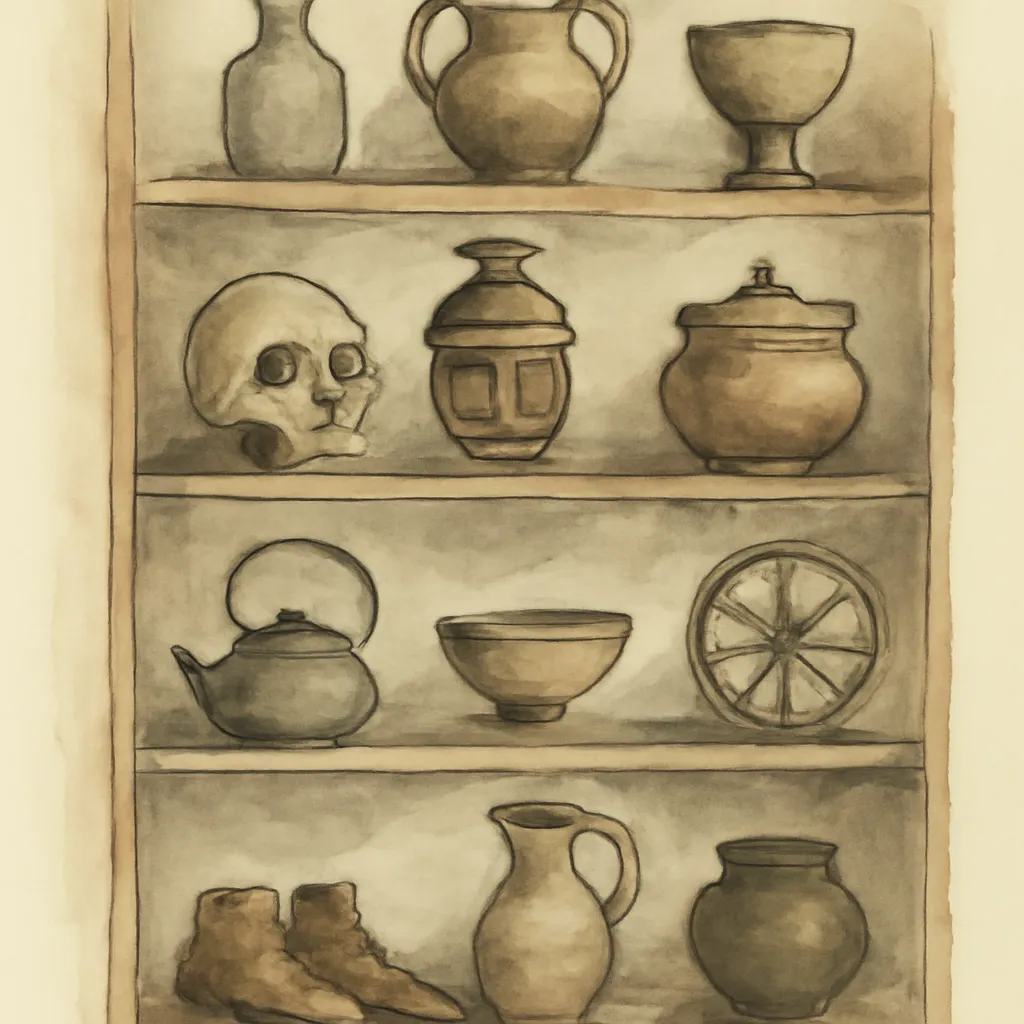
The fascination with antiques is deeply rooted in human nature, as many individuals possess an innate desire to connect with the past. This attraction is not solely about the aesthetic appeal of older objects but also about the stories they tell. As families evolve and move apart, the belongings of previous generations become symbols of heritage and memory. Many people, even if they outwardly claim a preference for modernity, often find themselves drawn to the artifacts that speak of their ancestry. The act of collecting household curios can be a fulfilling hobby that not only broadens one’s perspective but also cultivates a deeper understanding of history and craftsmanship. Collectors often develop a keen eye for recognizing the intrinsic value of objects that might otherwise be dismissed by the untrained observer, making this pursuit both intellectually and emotionally rewarding.
2.The Heart of the Home: The Ingle Side
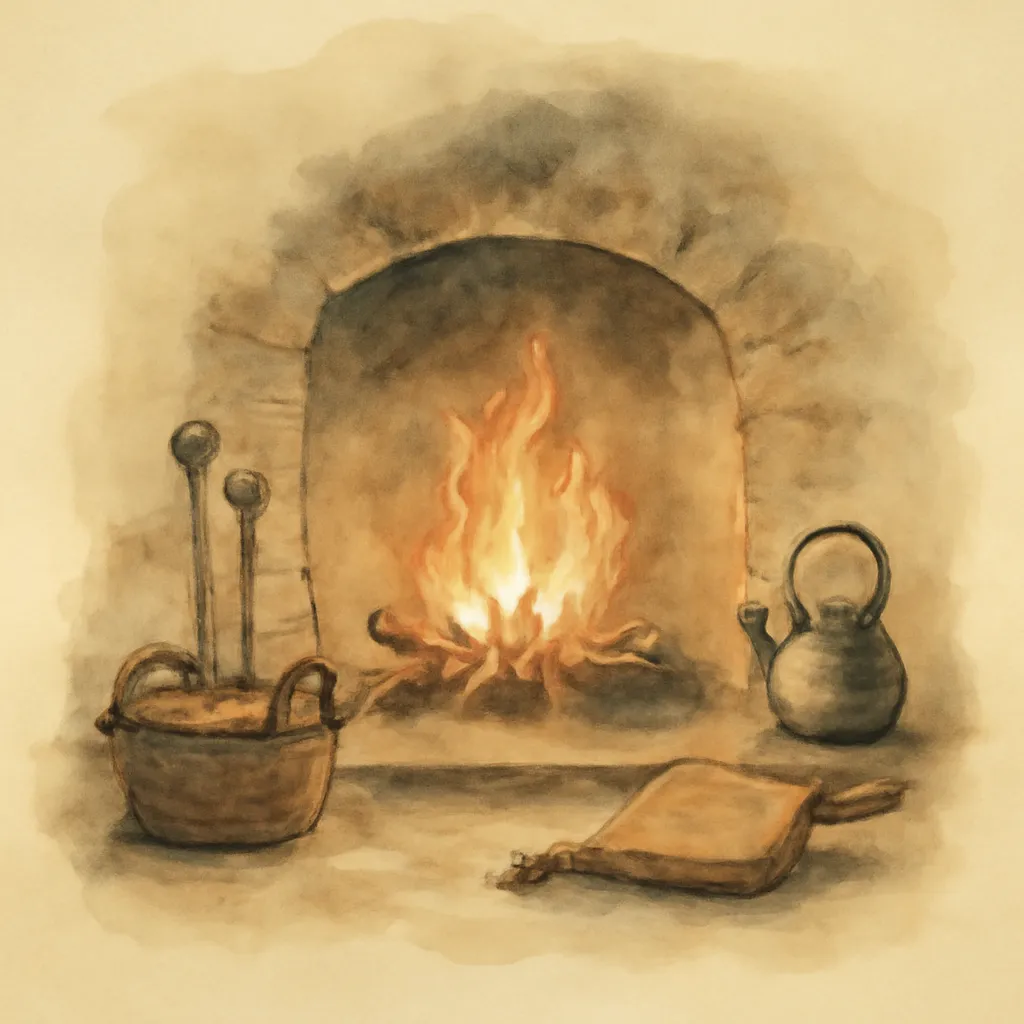
The fireplace, or ingle side, has historically been the focal point of domestic life, serving not just as a source of warmth but as a gathering place for family and friends. The evolution of fire-making tools, from primitive tinder boxes to ornate andirons, reflects changes in technology and aesthetics over the centuries. The communal aspect of the ingle side is significant; it was here that stories were shared, meals were prepared, and bonds were strengthened. Even in modern homes where heating has become more efficient, the allure of the open fire remains strong, symbolizing comfort and tradition. The furnishings surrounding the hearth, such as bellows and trivets, have also evolved, showcasing both functionality and artistry. Understanding the history of these objects enriches our appreciation for their role in shaping social interactions and home life.
3.Illuminating the Past: The Evolution of Household Lighting
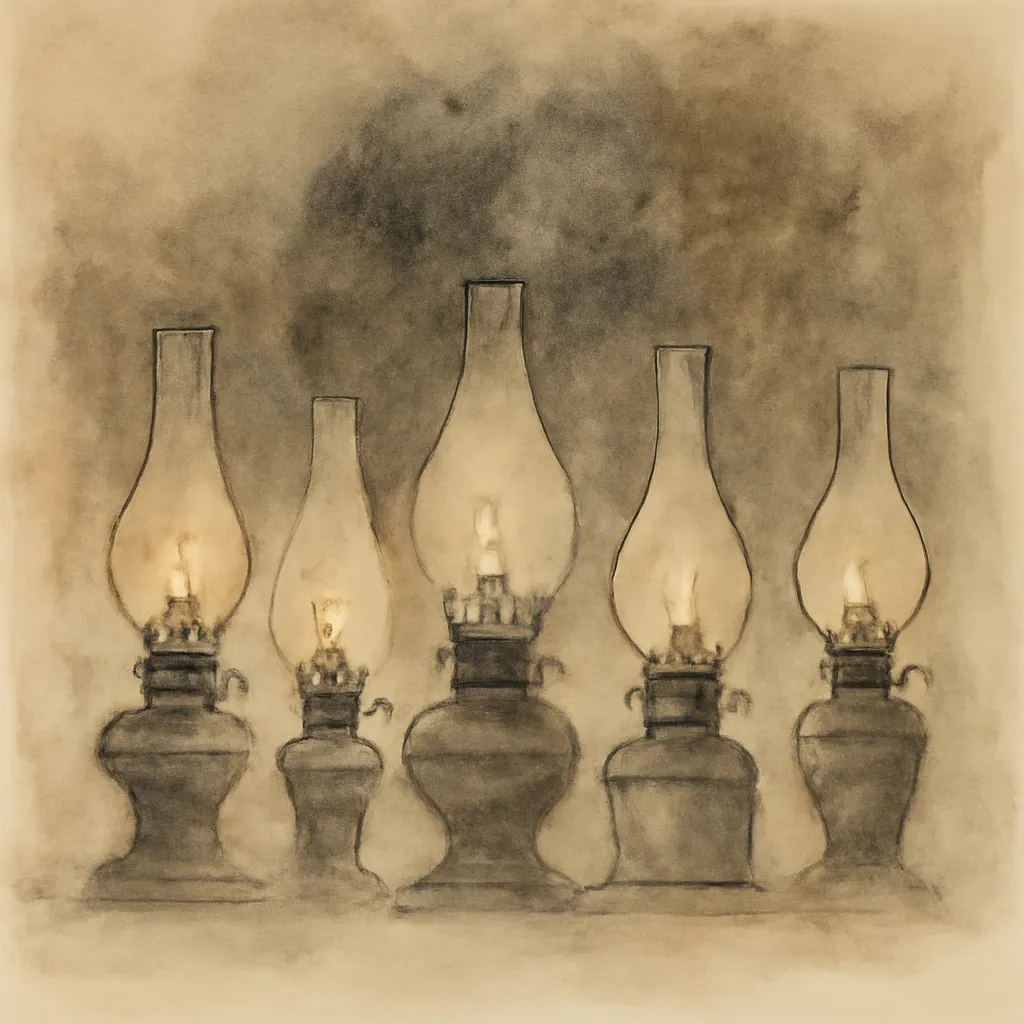
The quest for effective lighting has been a constant in human history, with each advancement reflecting societal needs and technological progress. From rudimentary rushlights to elaborate oil lamps, the journey of artificial illumination illustrates the innovative spirit of past generations. Early lighting methods were often inadequate, casting shadows and creating dim environments, yet each step forward brought greater convenience and comfort. The introduction of candles and snuffers marked a significant improvement, allowing for more refined and controlled lighting options. As we explore the evolution of these household items, we learn about the lives of those who relied on them, their struggles with darkness, and the ways they sought to enhance their living conditions. This history of lighting serves as a reminder of how far we have come in our quest for comfort and security in our homes.
4.Dining Through the Ages: Table Appointments
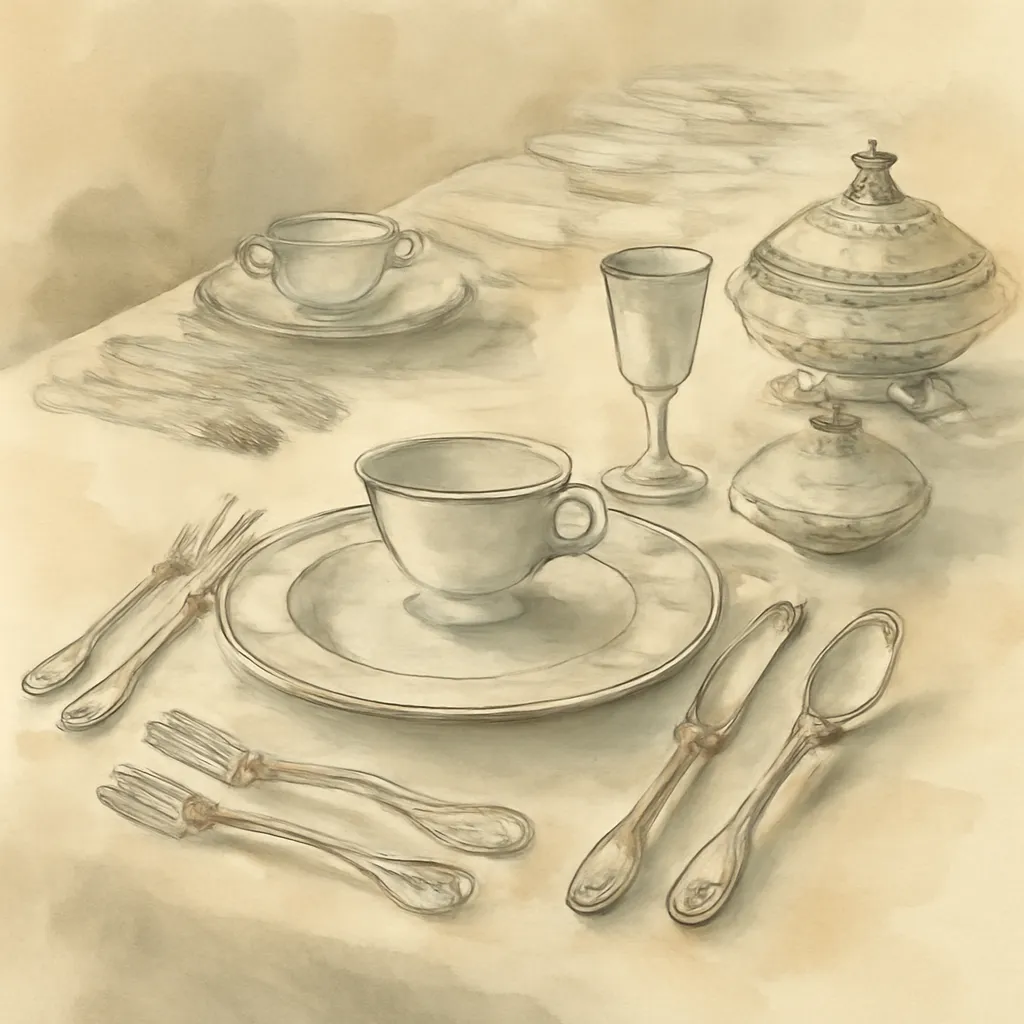
The evolution of tableware reflects not only changes in culinary practices but also shifts in social customs and aesthetics. In earlier times, the simplicity of dining implements—often just knives and wooden platters—contrasts sharply with the ornate cutlery and elaborate table settings of today. The transition from communal feasting to individual servings marked a significant change in dining etiquette and social structure. Objects like salt cellars and cruet stands reveal the rituals surrounding meals, highlighting the importance of presentation and hospitality. As collectors seek these items, they gain insight into the cultural significance of dining rituals and the craftsmanship involved in creating these functional yet decorative objects. This exploration into table appointments underscores the role of food and dining in shaping social interactions and cultural identity.
5.The Kitchen: Heart of Domestic Economy
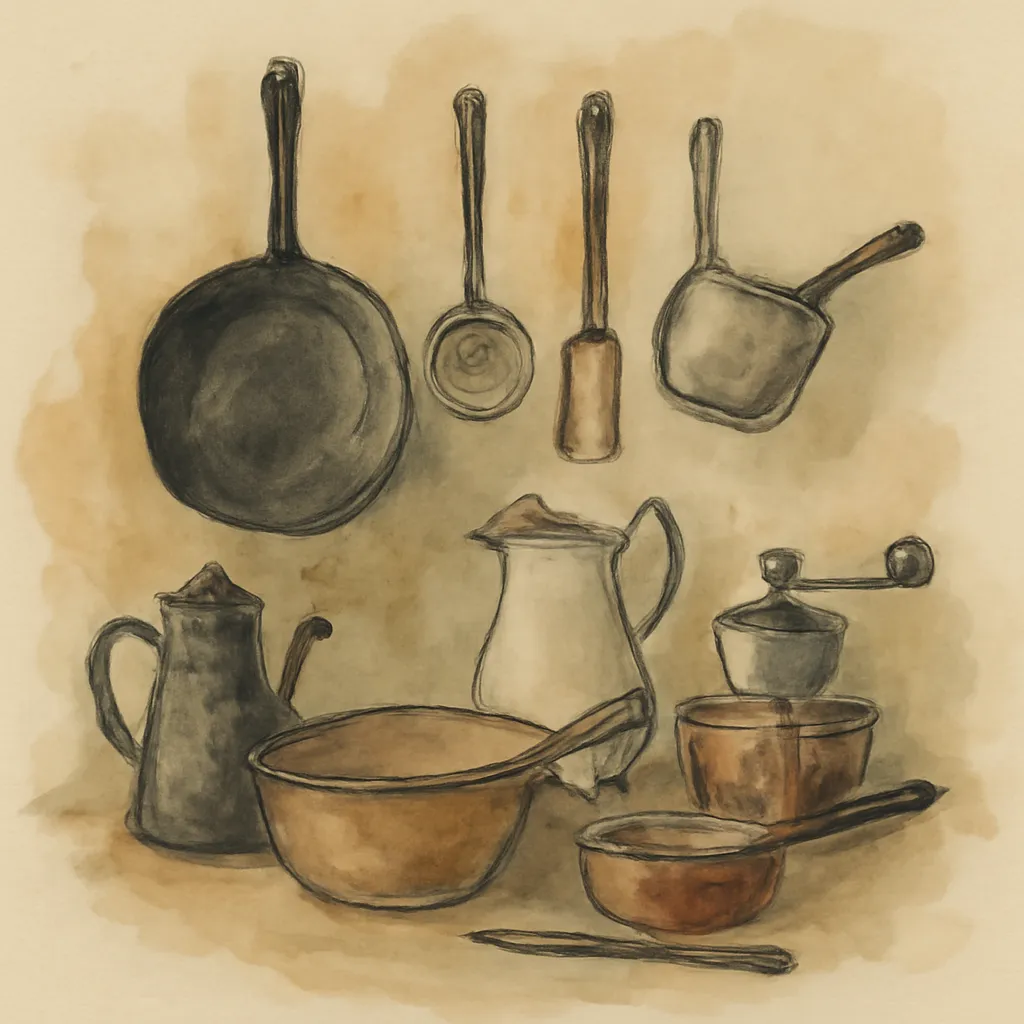
The kitchen has always been the hub of domestic life, where the preparation of food takes center stage. The evolution of kitchen utensils, from heavy iron pots to lightweight modern cookware, showcases advancements in culinary techniques and changing perceptions of domestic labor. In earlier times, the kitchen was equipped with basic tools, and the methods of cooking were labor-intensive, often reliant on open flames. The gradual introduction of scientific cooking methods and modern appliances has transformed the kitchen into a space of efficiency and creativity. However, many older utensils still hold value, either for their historical significance or unique designs. By examining the curios of the kitchen, we gain a deeper understanding of the art of cooking, the role of the cook, and the cultural shifts that have influenced our culinary practices over the years.
6.Ornamentation and Identity: Home Decor
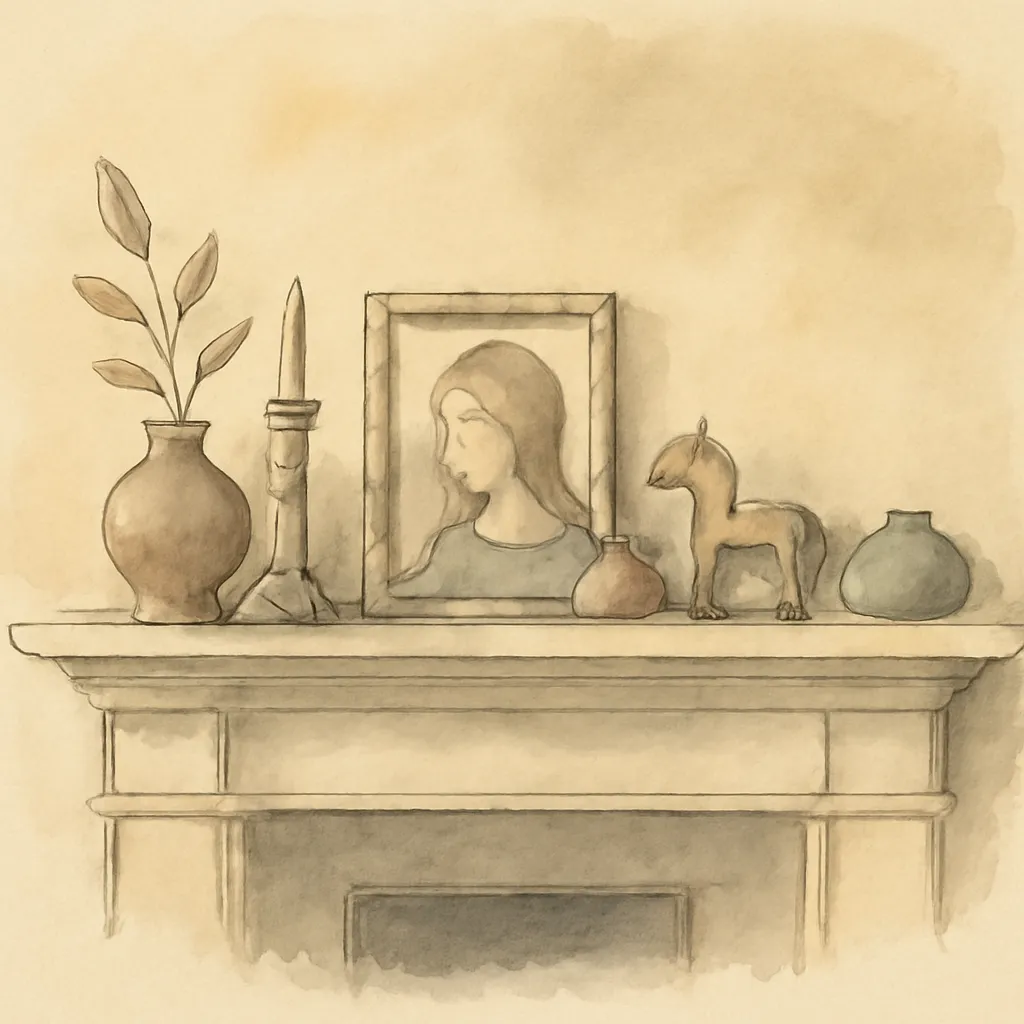
Home ornaments are more than mere decorations; they embody the personality and history of a household. Items such as mantelpiece ornaments, vases, and wood carvings reveal the tastes and values of their owners. The significance of these objects often lies in their emotional connections, representing memories and familial ties that transcend generations. Collectors of home ornaments often focus on specific styles or materials, seeking pieces that resonate with their own experiences or aspirations. The diversity of these items reflects the artistic trends of their time and the craftsmanship involved in their creation. As we explore the world of home decor, we uncover the stories behind these objects and the ways they contribute to the narrative of domestic life.
7.The Allure of Glass and Enamel
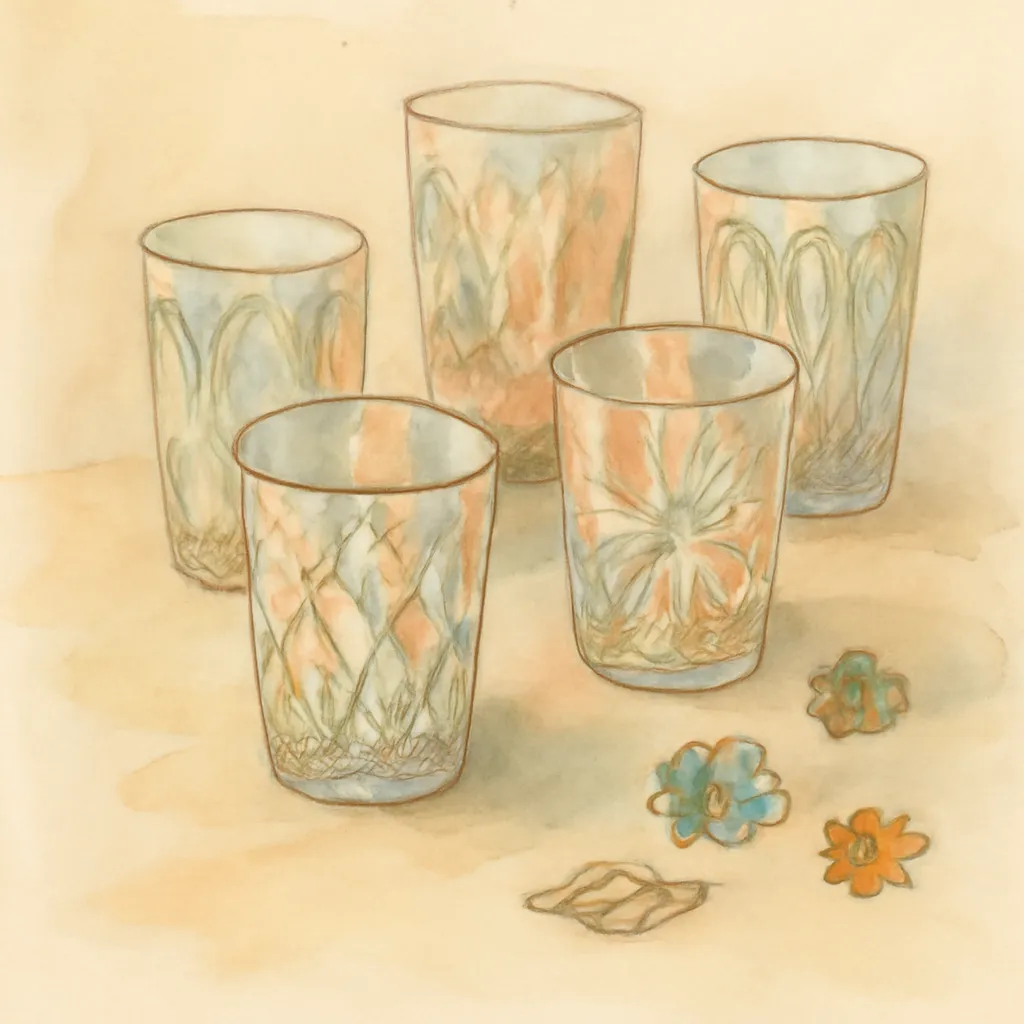
Glass has been a staple in households for centuries, serving both functional and decorative purposes. The evolution of glassmaking techniques has resulted in a wide variety of styles and forms, each with its own story. From the beautifully engraved tumblers of yesteryear to the delicate vases of modern times, glass objects often carry a sense of nostalgia and artistry. Enamels on metal, often used to create intricate designs, showcase the skill of artisans and the aesthetic preferences of different eras. Collectors often find joy in uncovering old glassware, which may have been overlooked in modern kitchens, revealing hidden treasures that speak to the craftsmanship and history of their makers. By studying these objects, we gain insight into the changes in domestic life and the enduring appeal of beautiful, functional art.
8.The Functional Beauty of Leather and Horn
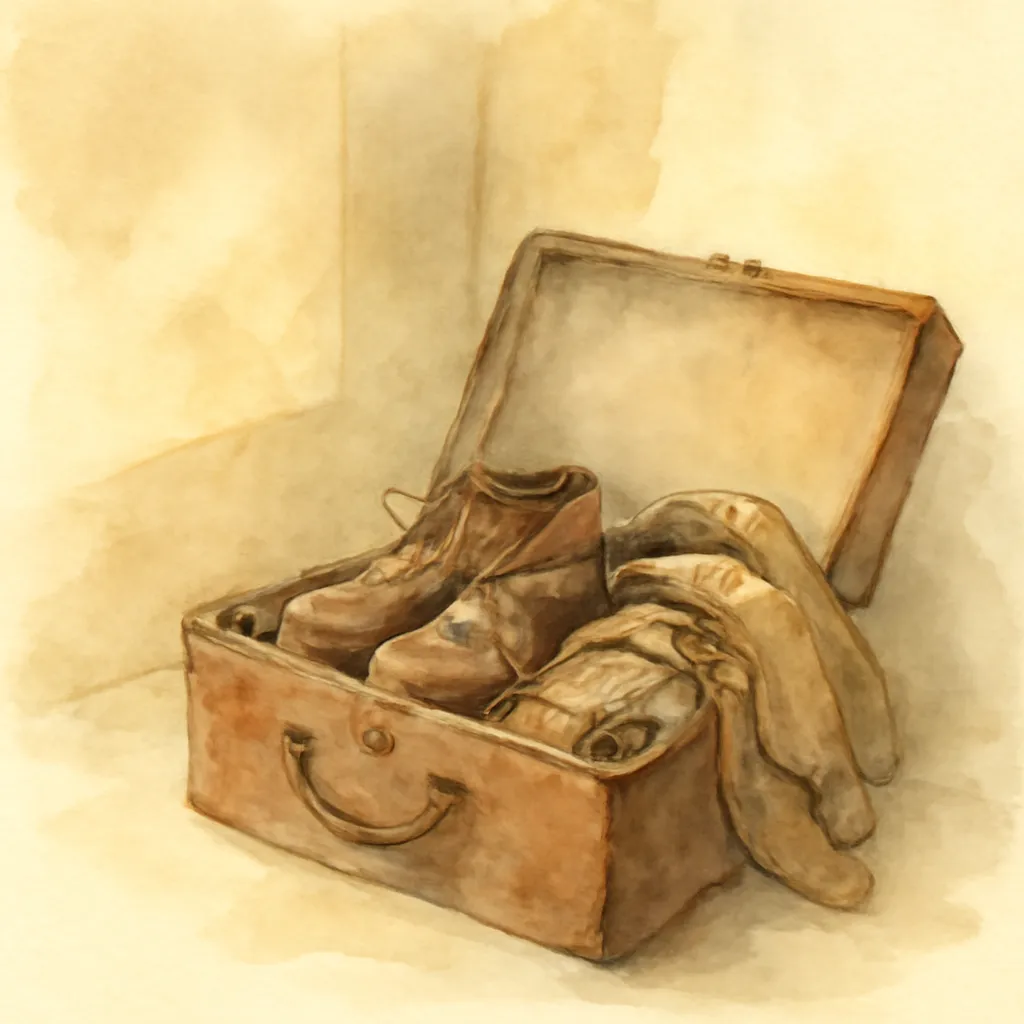
Leather and horn have been utilized in households for centuries, valued for their durability and versatility. The craftsmanship involved in creating leather goods, from shoes to decorative items, reflects a rich tradition of artisan skills. In Spain, for example, the production of fine leather goods has a storied history, with intricate designs that often carry historical significance. The process of 'cuir bouilli,' where leather is boiled and molded, showcases the innovative techniques employed by artisans. Collectors of leather curios appreciate the unique characteristics of each piece, often seeking out items that tell a story or represent a specific time period. The enduring appeal of leather and horn objects lies in their functional beauty and the craftsmanship that goes into their creation, reminding us of the importance of material culture in our everyday lives.
9.The Secrets of the Toilet Table
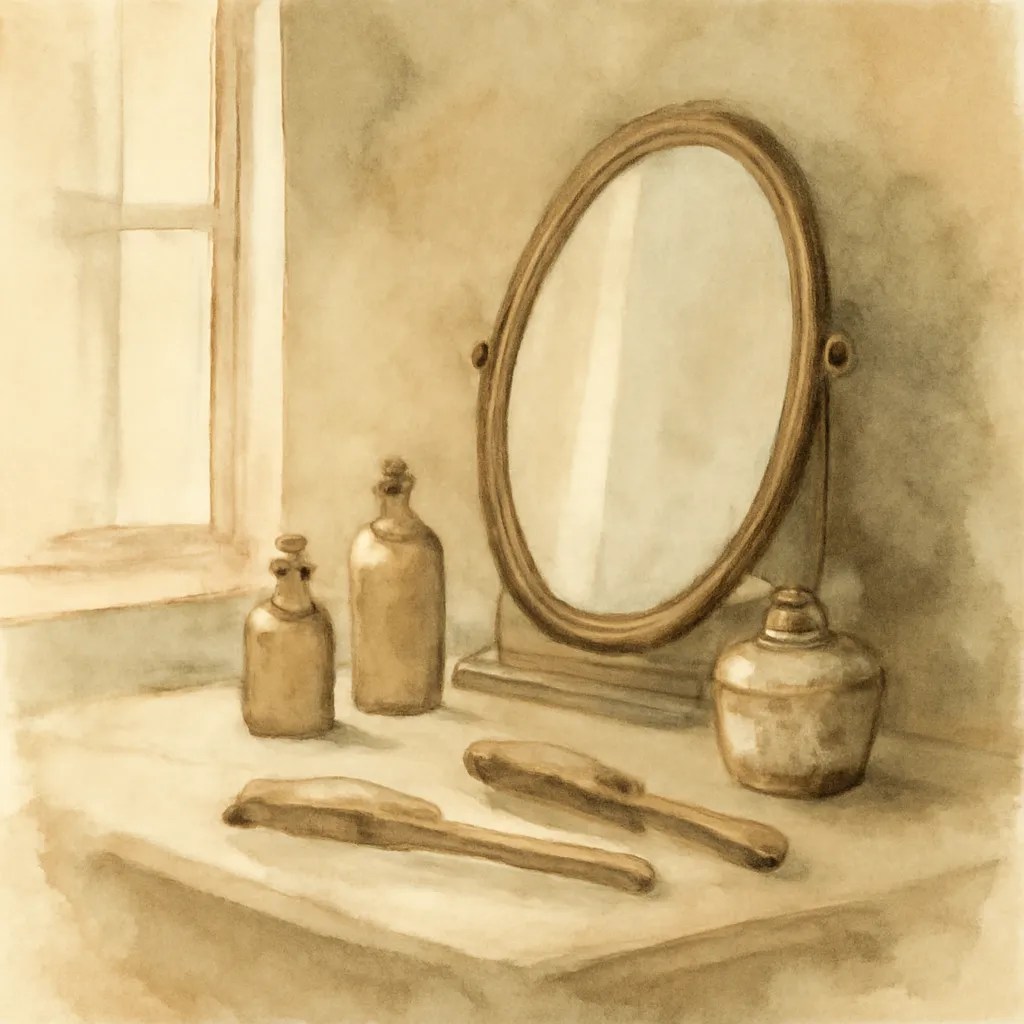
Toilet tables, once laden with an array of beauty products and accessories, offer a glimpse into the personal grooming rituals of past generations. Items such as combs, patch boxes, and perfume holders reveal the cultural significance of beauty and self-presentation throughout history. The evolution of these accessories reflects changing societal norms regarding femininity and personal care. As collectors delve into the world of toilet curios, they uncover not just objects but the stories of the individuals who used them, their aspirations, and the social contexts in which they lived. The intricate designs and craftsmanship of these items speak to the artistry involved in everyday life, highlighting the blend of utility and beauty that characterizes personal grooming practices. Understanding the history of the toilet table allows us to appreciate the evolution of beauty standards and the artifacts that accompanied them.
10.The Legacy of the Workbox
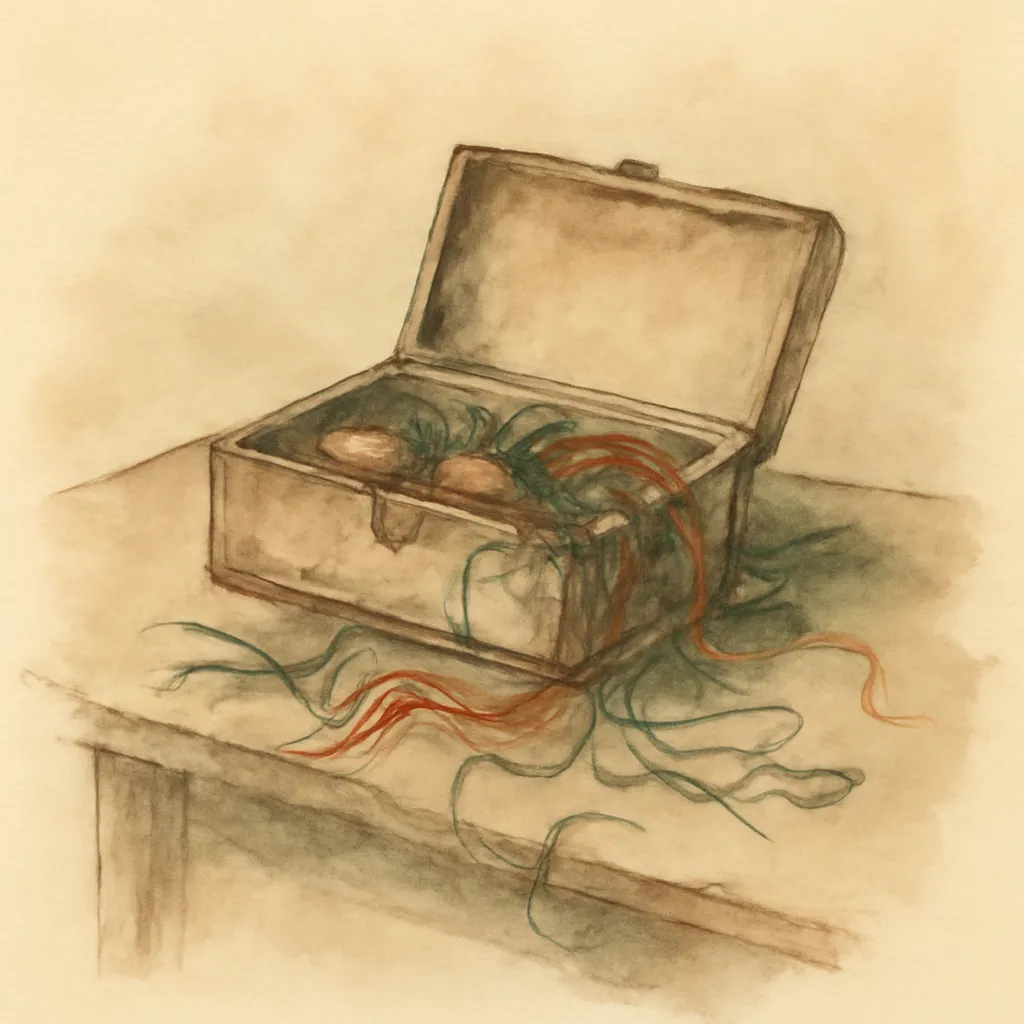
Workboxes encapsulate the domestic arts of sewing and needlework, representing a time when such skills were essential in every household. The contents of a workbox—spinning wheels, needles, and quaint woodwork—tell the story of women's roles in domestic life throughout history. These items reflect the creativity and resourcefulness of those who used them, often passed down through generations as cherished family heirlooms. The evolution of sewing tools and techniques highlights the changes in fashion and societal expectations. Collectors often seek these curios not just for their aesthetic value but for the history they embody, offering a tangible connection to the lives of those who came before us. By exploring the legacy of the workbox, we gain insight into the importance of craftsmanship and the role of women in shaping domestic culture.
11.The Literary Treasures of the Library
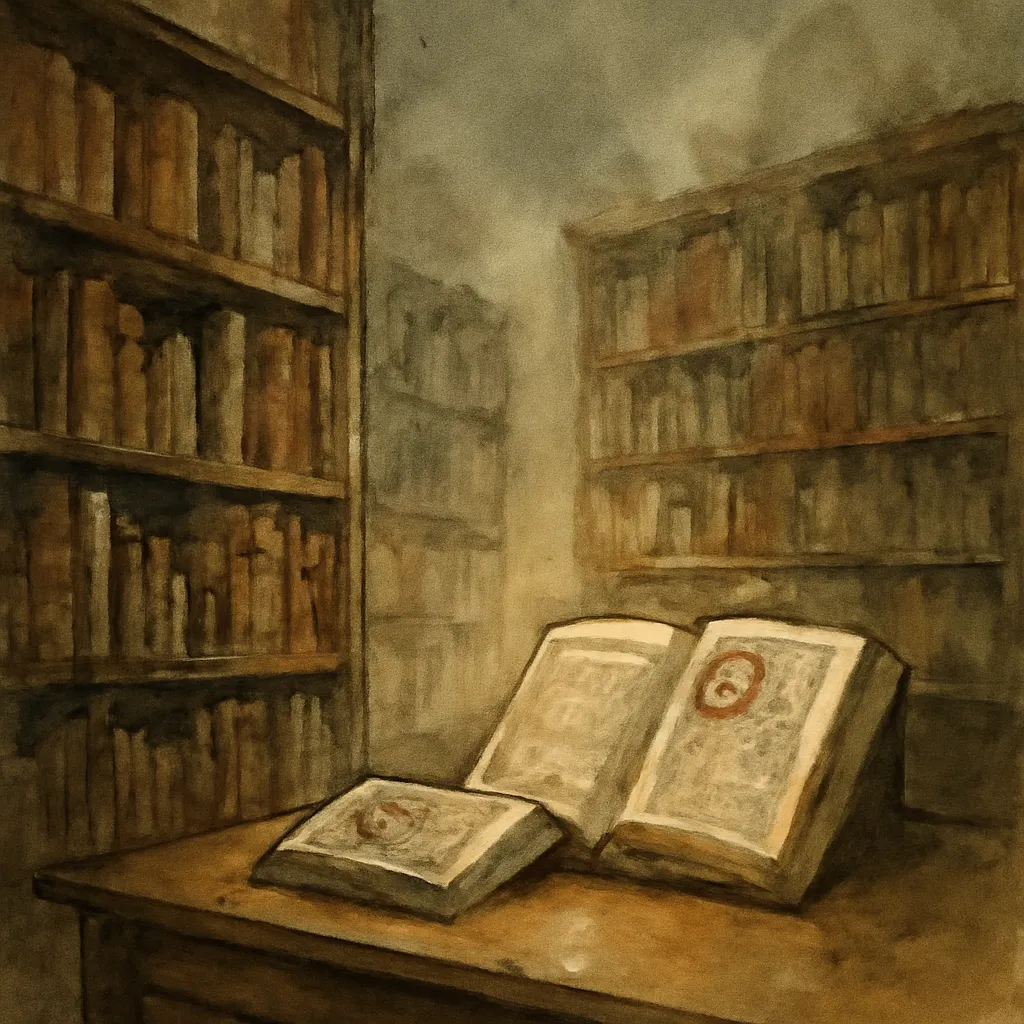
Libraries once served as sanctuaries of knowledge, filled with books that were often rare and valuable. The curios found in old libraries—such as illuminated manuscripts, black-letter printings, and unique bindings—offer a glimpse into the literary tastes and intellectual pursuits of the past. Each book carries its own history, reflecting the cultural and societal contexts in which it was produced. Collectors of literary curios often find joy in uncovering forgotten gems, each with the potential to tell a unique story. The craftsmanship of bookbinding and the artistry of illustrations highlight the importance of literature in shaping human thought and culture. By exploring the treasures of the library, we not only appreciate the beauty of the written word but also the enduring impact of literature on our lives.
12.The Smoker's Cabinet: A Reflection of Past Habits
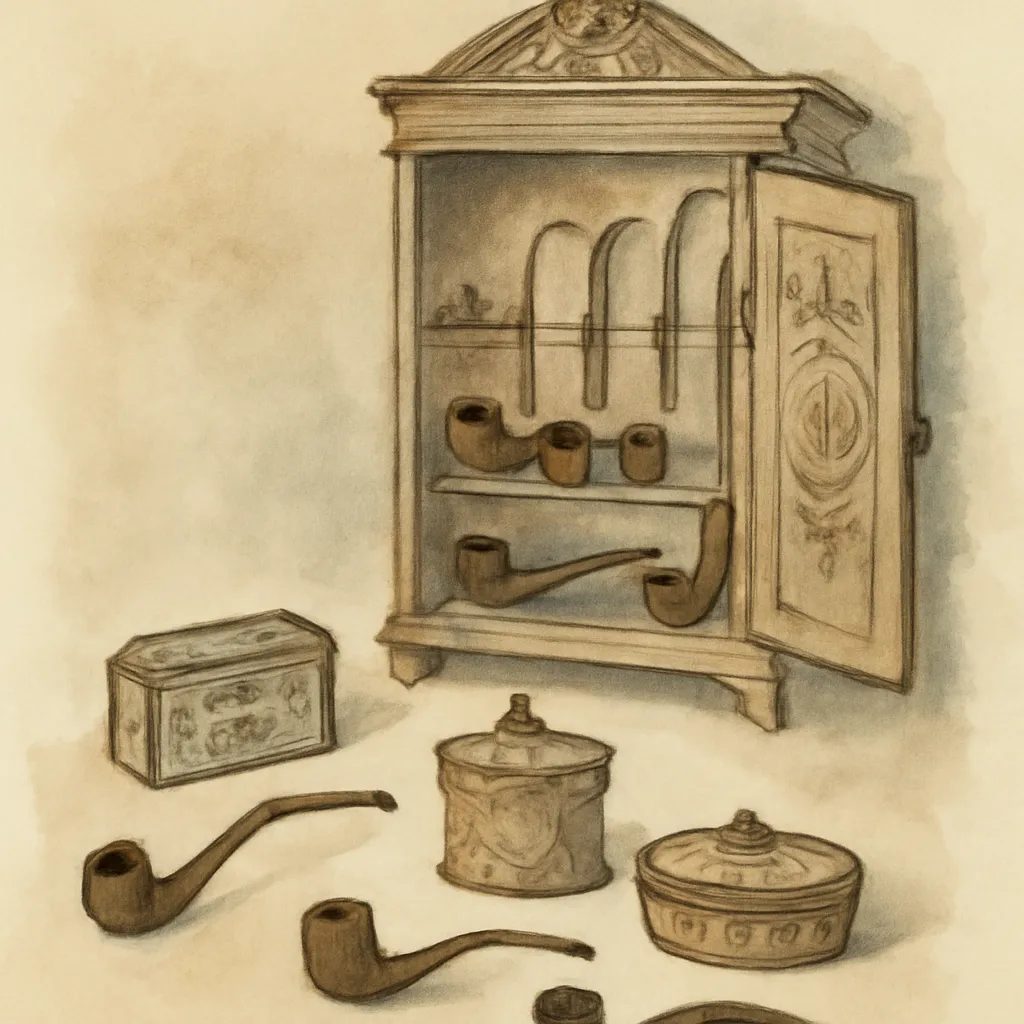
The smoker's cabinet is a fascinating collection of artifacts that reflect the social practices and rituals surrounding tobacco use. From old pipes and tobacco boxes to snuff boxes and rasps, each item tells a story of its time and the individuals who used them. The evolution of smoking accessories highlights changing attitudes towards tobacco and its role in social interactions. Collectors often seek out these items for their historical significance and unique designs, appreciating the craftsmanship involved in their creation. The curiosity surrounding smoking artifacts also serves as a reminder of the social norms of the past and how they have shifted over time. By examining the smoker's cabinet, we gain insight into the cultural significance of tobacco and the artifacts that have accompanied its use throughout history.
13.Tokens of Love and Luck: Amulets and Emblems
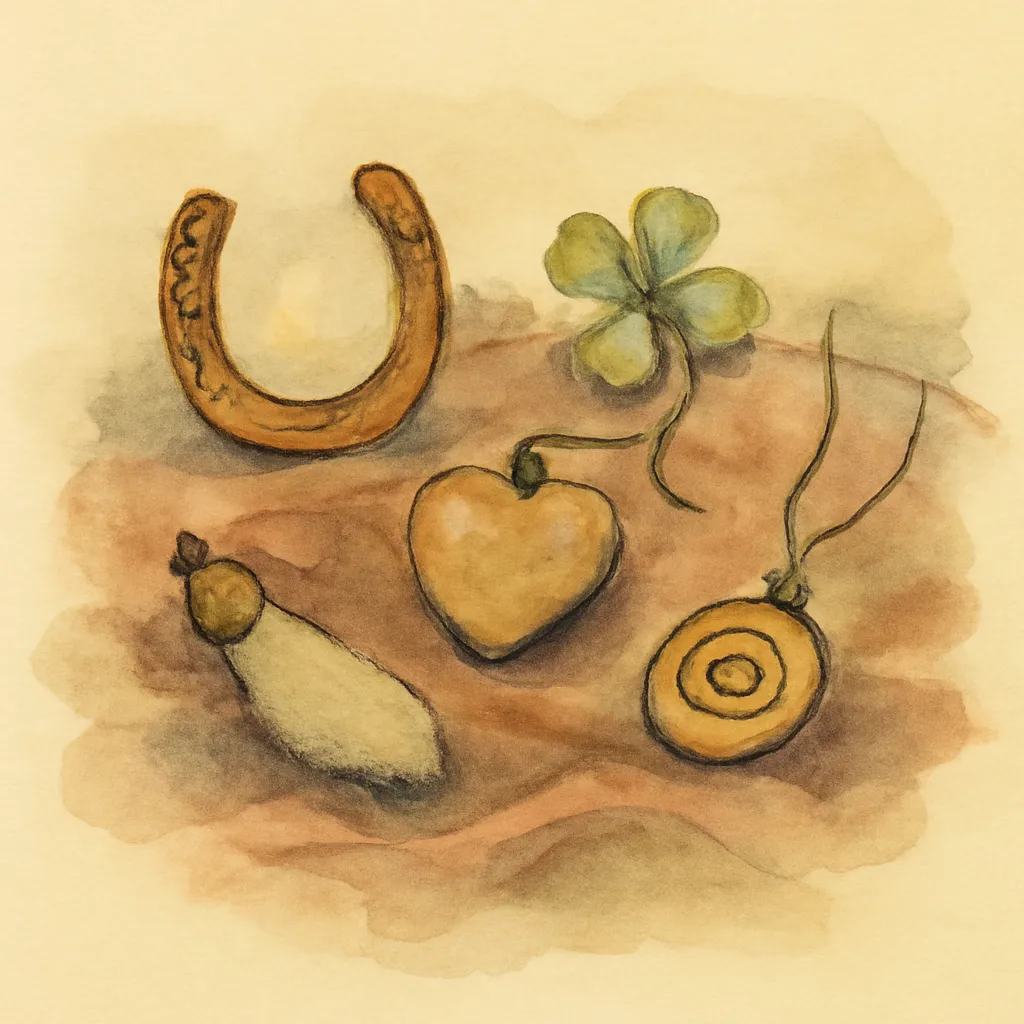
Amulets and lucky emblems reflect the beliefs and superstitions of past generations, serving as tangible connections to the cultural narratives surrounding luck and love. These objects, often crafted with care and intention, were believed to possess protective qualities or to bring good fortune. The significance of love tokens, such as lovespoons, illustrates the ways in which personal relationships were honored and celebrated through tangible gifts. Collectors of these curios often find themselves drawn to the stories behind the objects, seeking to understand the beliefs that shaped their creation. The enduring appeal of amulets lies in their ability to evoke nostalgia and curiosity about the past, reminding us of the human desire for connection and meaning. By exploring these tokens, we gain insight into the cultural practices that have defined human relationships and the rituals that have accompanied them.
14.The Measurement of Time: Clocks and Watches
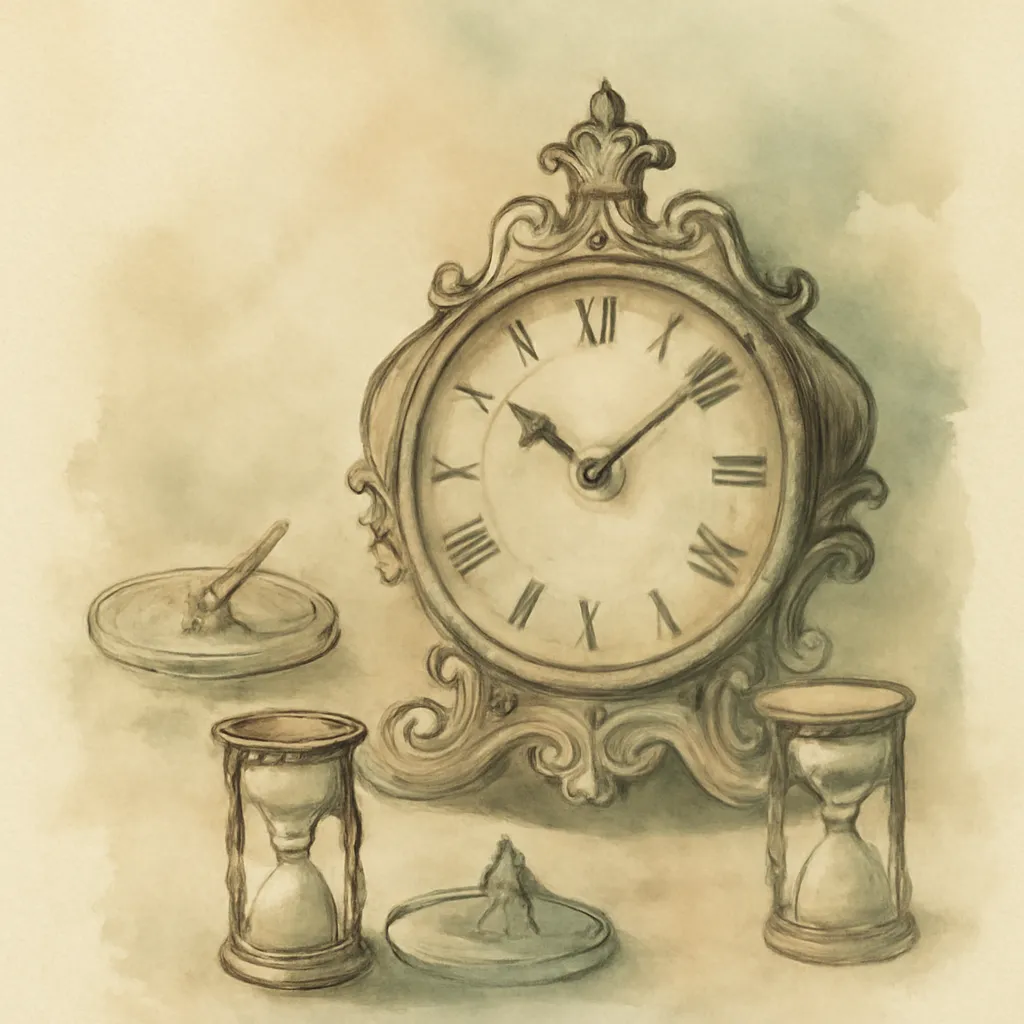
The evolution of timekeeping devices, from sundials to intricate clocks and watches, showcases humanity's quest for precision and order in daily life. Each advancement in timekeeping technology reflects broader societal changes, from the agricultural rhythms of early civilizations to the demands of modern industrial life. Clocks, often regarded as pieces of art, reveal the craftsmanship and ingenuity of their makers, while also serving practical purposes in households. Collectors of timekeeping curios appreciate the beauty and history of these objects, often seeking rare examples that tell a story of their own. The transition from communal timekeeping to individual devices marks a significant shift in how people perceive and interact with time. By studying the history of clocks and watches, we gain a deeper understanding of the cultural significance of time and its impact on our lives.
15.Musical Instruments: Echoes of the Past
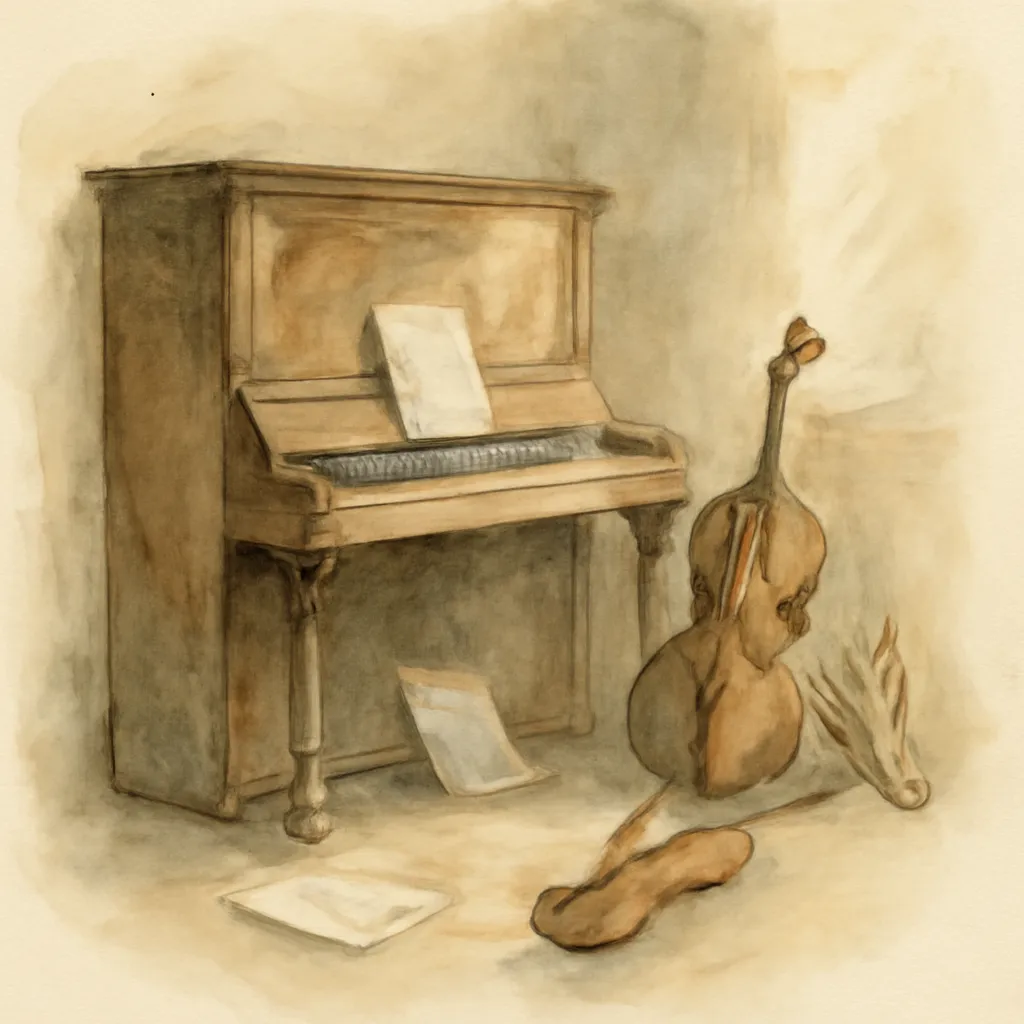
Musical instruments are more than tools for creating sound; they are vessels of memory and emotion, often carrying the stories of those who played them. The evolution of instruments from simple flutes to grand pianos reflects the changing landscape of music and culture throughout history. Each instrument carries the fingerprints of its maker and the echoes of the music that once filled homes and gatherings. Collectors of musical curios often seek out instruments that hold historical significance or unique craftsmanship, appreciating the artistry involved in their creation. The stories of musicians and the communities surrounding them add depth to the understanding of these objects, highlighting the role of music in shaping human experience. By exploring the world of musical instruments, we connect with the rhythms of the past and the universal language of music that transcends time.
16.Play and Sport: Relics of Recreation
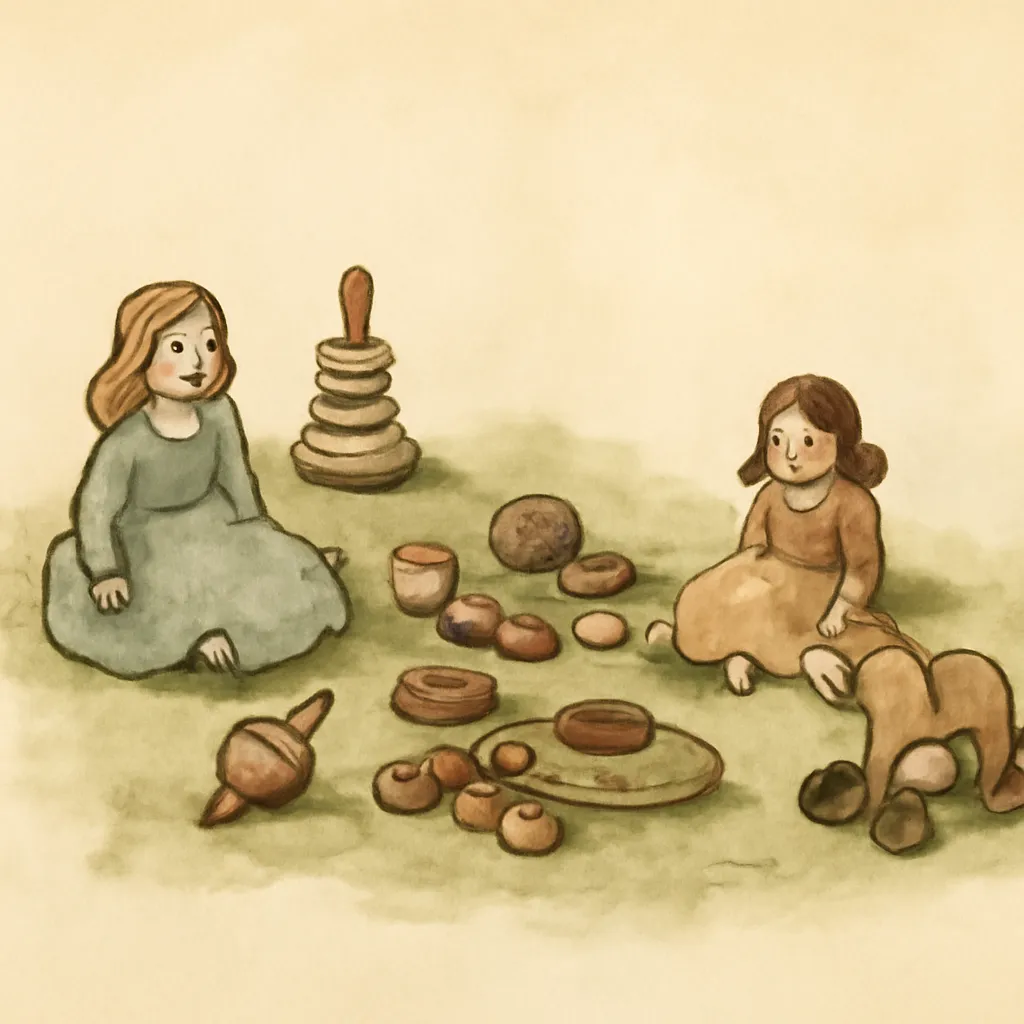
The artifacts of play and sport reveal the ways in which leisure has been valued and practiced throughout history. From dolls and toys to relics of outdoor games, these curios reflect the evolving nature of recreation and its role in human development. The importance of play in childhood and adulthood is evident in the variety of objects that have been created to facilitate enjoyment and competition. Collectors often find joy in uncovering vintage toys or sports memorabilia, each piece telling a story of the culture and values of its time. As we examine these relics of recreation, we gain insight into the social dynamics of play and the ways in which they have shaped individual and collective identities. The exploration of play and sport artifacts serves as a reminder of the enduring human spirit and the need for joy and connection.
17.The Miscellany of Household Curios
Household curios encompass a diverse range of objects that defy classification, each possessing its own unique story and significance. Items such as dower chests, medicine chests, and garden curios reflect the everyday lives of people from various backgrounds and eras. These objects often carry with them a sense of nostalgia and history, reminding us of the values and practices that have shaped domestic life. Collectors often find themselves drawn to these miscellaneous items, appreciating their individuality and the stories they tell. The exploration of these curios highlights the importance of preserving everyday artifacts, as they offer valuable insights into cultural practices and societal changes over time. By studying the miscellaneous curios of the household, we celebrate the richness of human experience and the diverse narratives that contribute to our understanding of history.