1.The Unlikely Beginnings
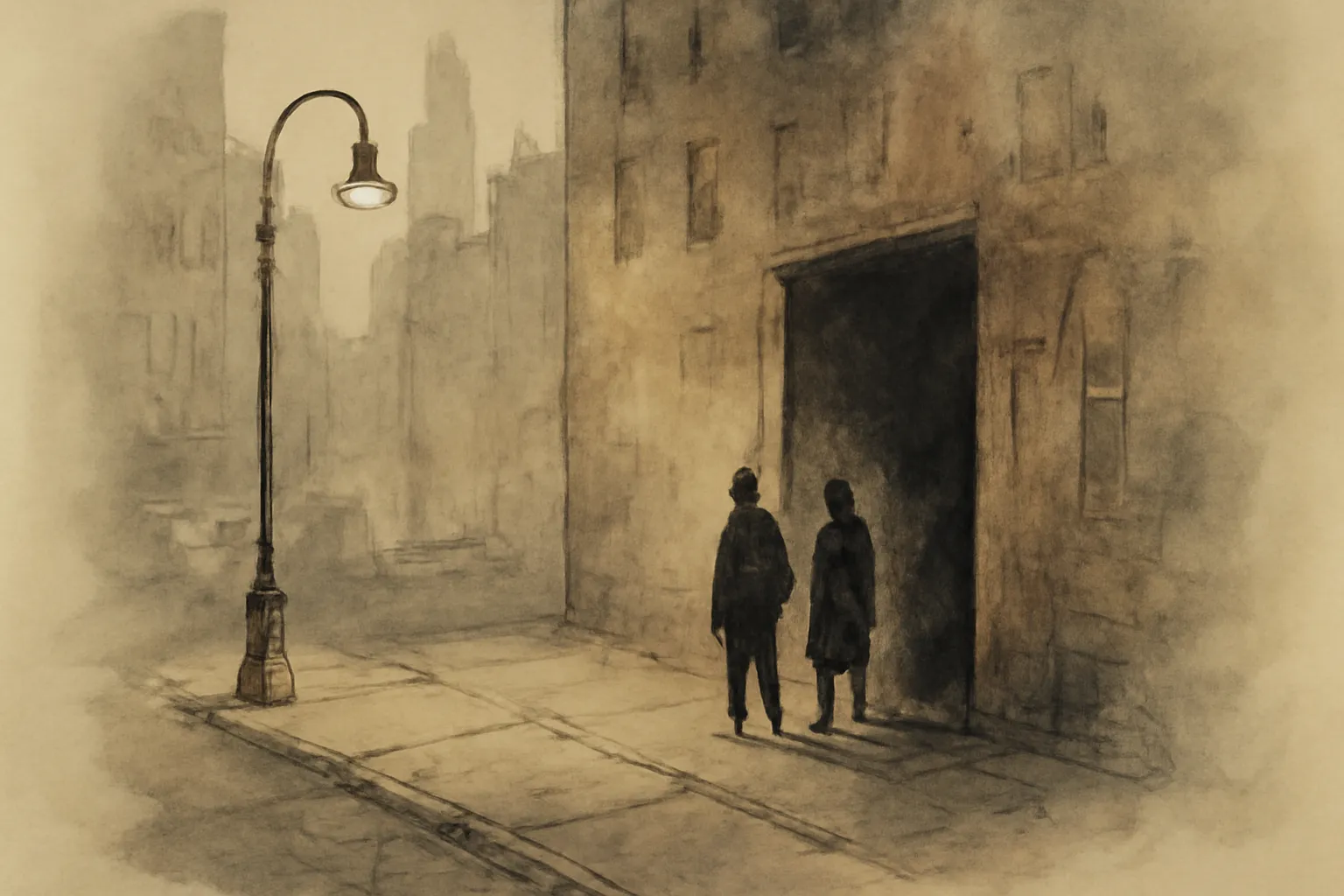
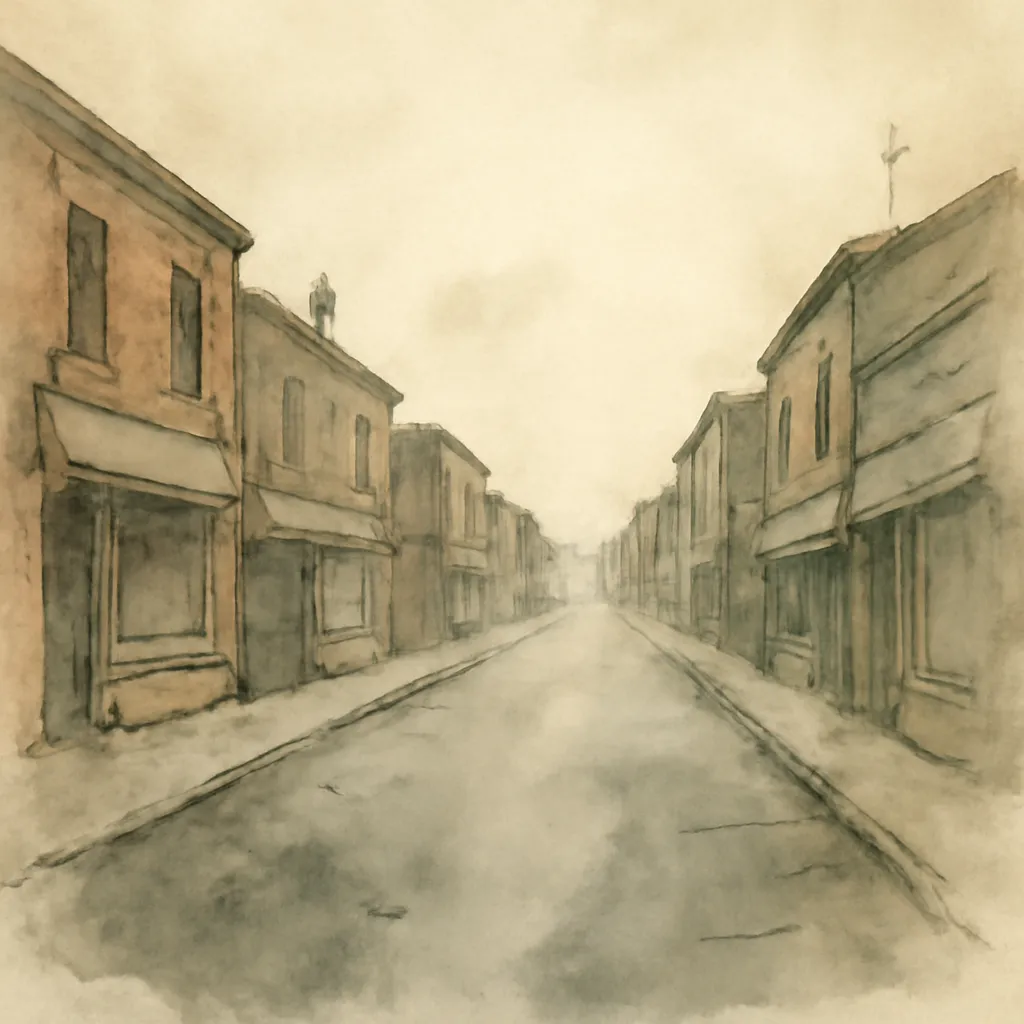
The novel opens in a drab, unremarkable street that serves as a metaphor for the characters' lives. This setting, filled with mundane details, foreshadows the extraordinary journeys of Maggie and Larry. It illustrates the theme that greatness can arise from the most unassuming places. The narrative suggests that life is rife with contradictions; just as a lily may sprout from a dunghill, so too can remarkable individuals emerge from the depths of adversity. The characters' surroundings reflect their struggles and aspirations, hinting at the potential for transformation that lies beneath the surface. The unassuming street, with its cobblestones and dingy buildings, stands in stark contrast to the grand narratives we often associate with success, emphasizing that true stories of triumph often begin in the shadows.
2.Maggie's Defiance and Ambition

Maggie Carlisle is introduced as a strong-willed young woman who is acutely aware of her surroundings and the limitations imposed by her upbringing. Her initial interactions with Larry Brainard reveal a mixture of admiration and resentment; she sees him as both an idol and a reminder of the life she wishes to escape. As she navigates her relationship with her father, Old Jimmie, and other figures in her life, Maggie's fierce independence and ambition shine through. Her ambition is not merely for personal gain but a desperate attempt to break free from the mundanity of her life. As she yearns for a world filled with excitement and significance, her decisions become increasingly bold and risky. This ambition is rooted in her youthful defiance, which leads her to embrace a life of crime alongside her father and Barney. Maggie embodies the struggle between societal expectations and personal desires, representing the complexity of a young woman determined to carve her own path.
3.Larry's Complexity and Redemption Arc

Larry Brainard embodies the struggle for redemption, having recently returned from prison. His character is marked by a blend of charm and cunning, which he uses to navigate the criminal world he once thrived in. Larry's internal conflict is palpable; he grapples with the desire to reform while simultaneously feeling the pull of his past life. His journey represents the challenges faced by those attempting to reintegrate into society after incarceration. He desires to distance himself from his former identity as a criminal while feeling a strong connection to Maggie, who represents both his past and a potential future. Larry's interactions with Maggie become increasingly charged as he recognizes her ambition but also the dangers of the path she is choosing. His journey illustrates the complexities of human nature, as he seeks to break free from his past while being drawn back into its embrace by people like Barney and Old Jimmie, further complicating his quest for a better life.
4.The Role of the Duchess
The Duchess serves as a pivotal figure in the narrative, representing both the past and the potential for wisdom. Her presence in the pawnshop, with its tarnished allure, symbolizes the intersection of desperation and hope in the lives of the characters. Although she is largely mute and seemingly detached, her history and the mysterious aura surrounding her add depth to the story. The relationship between Larry and the Duchess highlights themes of familial ties, loyalty, and the burden of legacy. The Duchess, a relic of a bygone era, embodies the idea that one's past can never be fully escaped. As Larry seeks to distance himself from the criminal world, the Duchess remains a haunting reminder of where he came from, complicating his quest for a new identity. Her character invites reflection on the impact of history and the importance of acknowledging one’s origins, illustrating how the past shapes the present.
5.The Allure of Crime and Its Consequences
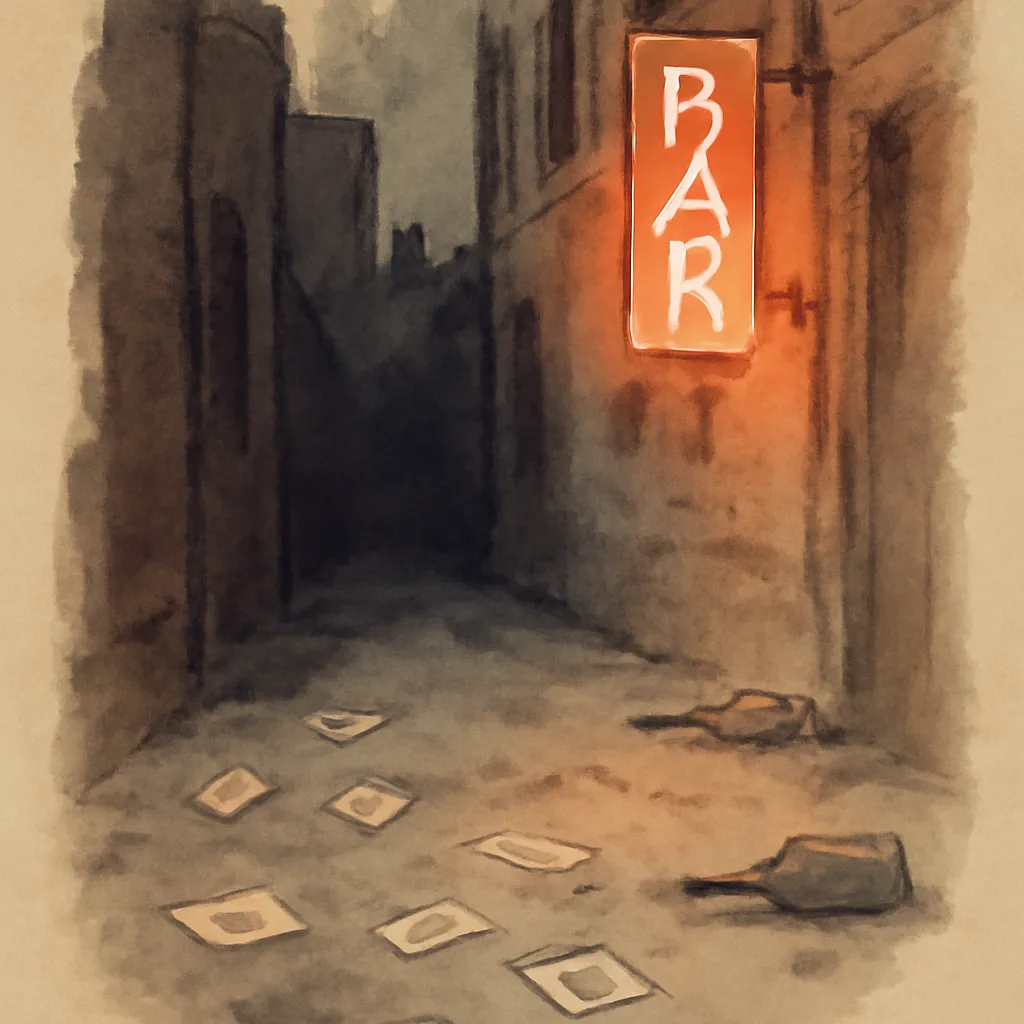
The narrative delves into the seductive nature of crime, exploring how it promises power and excitement while simultaneously leading to destruction. Characters like Barney Palmer and Old Jimmie represent the darker side of ambition, where moral compromises are made in pursuit of wealth and status. Their interactions with Maggie reveal how the thrill of criminal life can overshadow the potential for ruin. As Maggie becomes embroiled in their schemes, she faces the dilemma of whether the risks are worth the rewards. The tension between Maggie's aspirations and the criminal undercurrents of her environment culminate in pivotal moments where she must choose between loyalty to her father and the allure of a more glamorous life. The narrative serves as a cautionary tale, illustrating the thin line between ambition and recklessness, and how the seductive nature of crime can lead to devastating consequences.
6.Maggie's Transformation and Choices
As the story progresses, Maggie's character undergoes significant transformation, catalyzed by her interactions with Larry and her experiences in the criminal world. Her initial defiance begins to evolve into a more profound understanding of herself and her aspirations. This evolution is marked by her decision to embrace the role of a 'leading woman' in a nefarious scheme orchestrated by Barney and Old Jimmie. However, this choice comes with its own set of challenges, as she must navigate the complexities of her relationships with both her father and Larry. Maggie's journey underscores the theme of self-discovery and the often painful decisions that accompany personal growth. Her transformation is not linear; as she grapples with her identity, she finds herself torn between the life she has known and the dreams she harbors. This struggle reflects the broader human experience of seeking fulfillment amidst conflicting desires.
7.The Influence of Art and Artists
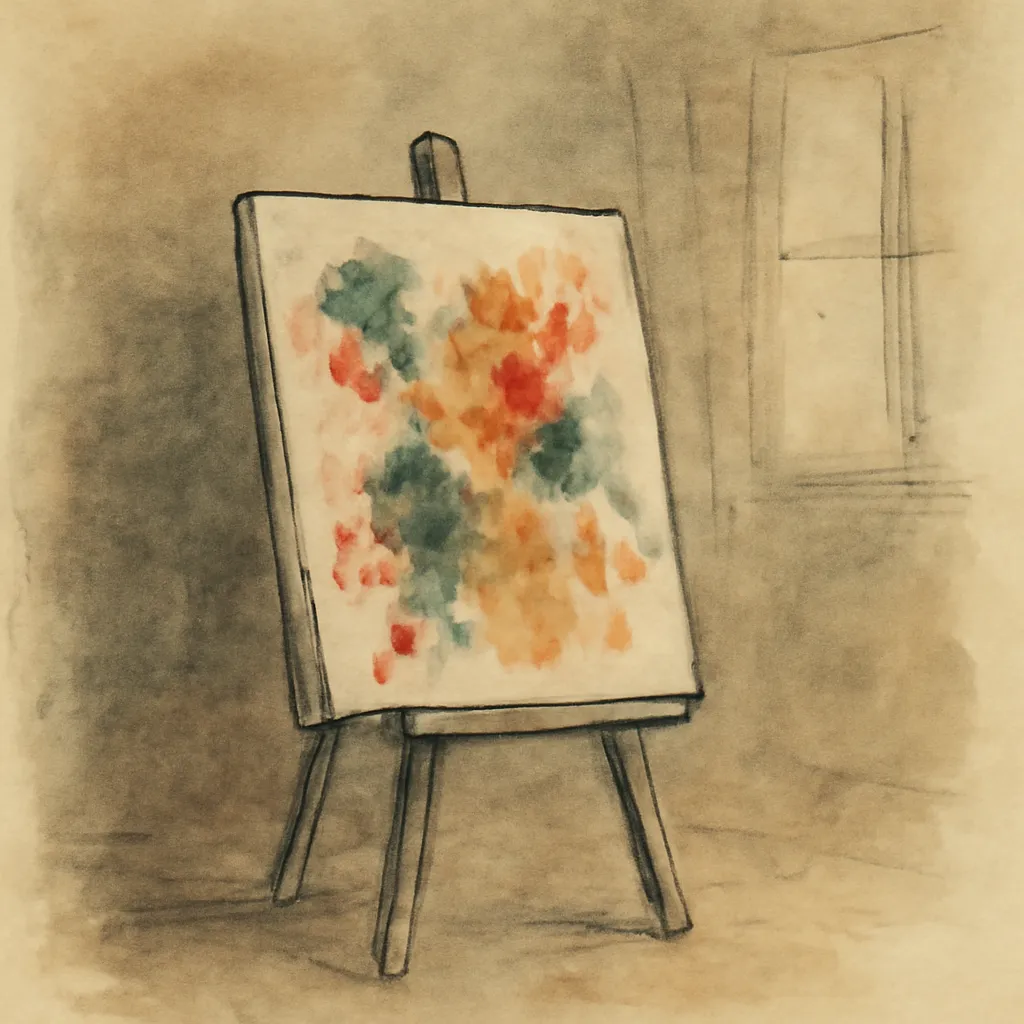
Art and the artist's perspective play a crucial role in the narrative, particularly through the character of Hunt, the painter. His interactions with both Larry and Maggie serve as a lens through which their lives and choices can be examined. Hunt’s perspective as an artist allows him to observe and comment on the world around him, providing insights that other characters may overlook. His observations about Maggie’s beauty and spirit highlight the complexities of her character, while also reflecting his own artistic struggles. The act of painting becomes a metaphor for transformation, capturing both the beauty and the harsh realities of their lives. This artistic thread weaves through the narrative, emphasizing the power of creativity and expression as a means of understanding oneself and one’s place in the world. Through Hunt, the novel explores the intersections of art, identity, and the human experience, inviting readers to consider how creativity can illuminate the darkest corners of life.
8.Love, Betrayal, and Loyalty

The dynamics of love and betrayal are intricately woven into the characters' relationships, particularly between Larry and Maggie. As they navigate their feelings for each other, the stakes rise, and the potential for betrayal looms large. Larry’s desire to protect Maggie from the criminal life clashes with his past and the expectations of those around him, creating a tension that drives the narrative. Meanwhile, Maggie’s loyalty to her father and her ambition create a rift between her and Larry, complicating their budding relationship. This tension culminates in a series of choices that test their bond and force them to confront their true desires and allegiances. The exploration of love in its many forms—romantic, familial, and platonic—adds depth to the narrative, raising questions about the nature of loyalty and the sacrifices one must make for those they care about. As love intertwines with betrayal, the characters are forced to reckon with the consequences of their actions, ultimately leading to profound revelations about themselves and their relationships.
9.The Illusion of Control
Throughout the novel, characters grapple with the illusion of control over their lives and destinies. Larry's attempts to distance himself from his past and find a new path are constantly undermined by the forces of fate and the choices of those around him. Maggie’s journey mirrors this struggle; her pursuit of independence often leads her into situations where she feels trapped by her circumstances. The narrative illustrates how the desire for control can lead to unintended consequences, as characters find themselves ensnared in webs of their own making. This theme resonates with the idea that while ambition can drive individuals forward, it can also blind them to the realities of their situations. The characters’ struggles with control reflect the broader human experience of navigating uncertainty in an unpredictable world, ultimately highlighting the importance of adaptability and resilience.
10.The Search for Redemption
At the heart of Children of the Whirlwind lies the quest for redemption, particularly embodied in Larry’s character. His journey is marked by a longing to escape the shadows of his past and to forge a new identity. This search for redemption is complicated by his feelings for Maggie, who embodies both the allure of his former life and the potential for a brighter future. As the narrative unfolds, Larry grapples with the question of whether true redemption is attainable, especially in a world that often rewards duplicity and betrayal. His struggle reflects a broader commentary on the human condition and the complexities of moral choices in a flawed world. The pursuit of redemption serves as a driving force for Larry, pushing him to confront his past and seek a better future while navigating the moral ambiguities of his relationships. Ultimately, Larry’s journey invites readers to reflect on their own paths to redemption and the choices that shape them.