1.The Power of Mother Goose
The collection of rhymes associated with Mother Goose is hailed as an unparalleled literary treasure for children. These nursery rhymes possess an irresistible appeal, captivating young minds with their rhythmic perfection and simple yet profound themes. They serve as a foundation for early literacy, providing children with a sense of familiarity that aids in language development. The simplicity and charm of Mother Goose have stood the test of time, making it a vital resource in teaching reading and comprehension. As children engage with these rhymes, they develop an appreciation for rhythm, sound, and the beauty of language. The author emphasizes that nurturing a love for these classic tales can lead children to embrace more complex literary works later in life.
2.Fables as Life Lessons
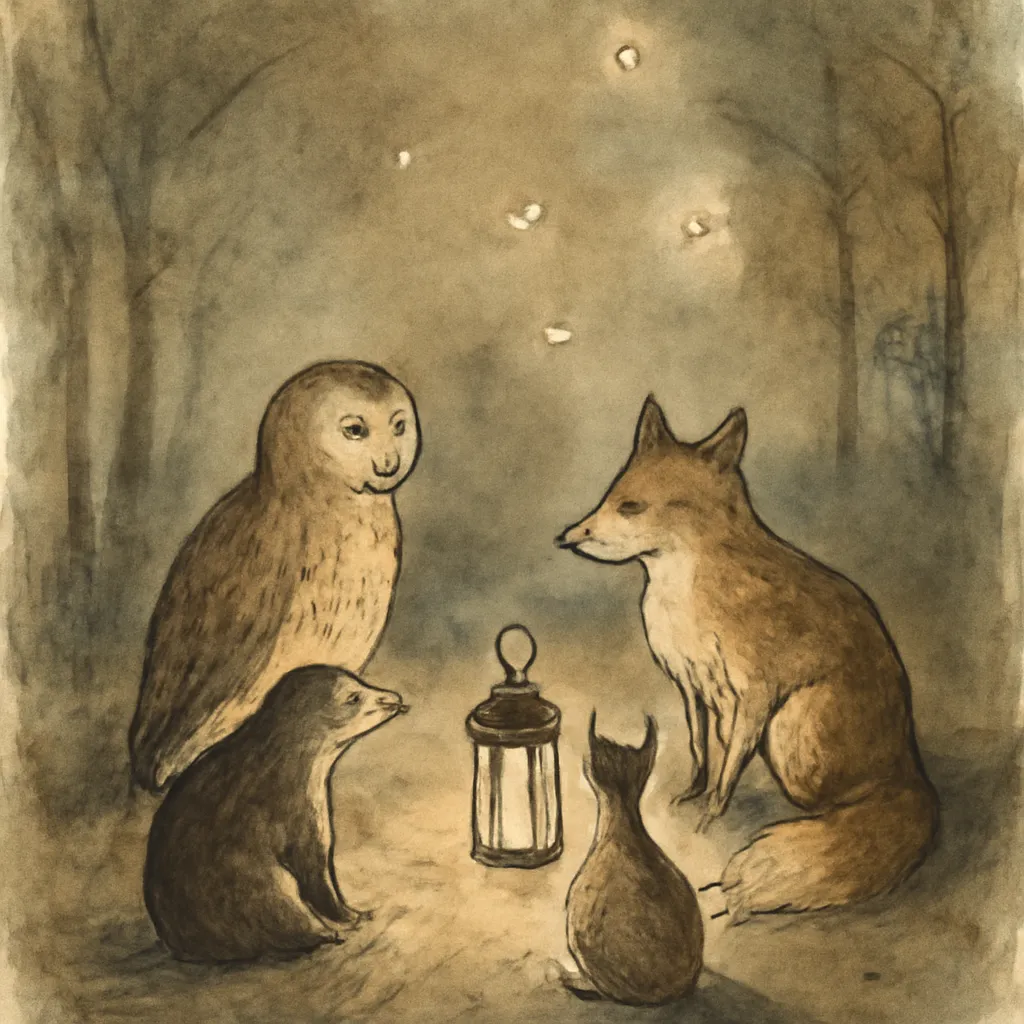
Fables are presented as essential tools for imparting moral lessons to children. The book explains how these stories, often featuring anthropomorphized animals, encapsulate practical wisdom and ethical guidance. They serve as 'lanterns' that illuminate the path of everyday life, helping children navigate moral dilemmas and social interactions. The author draws parallels between fables and the teachings of figures like Benjamin Franklin, who used simple yet impactful stories to convey important life lessons. The humor and satirical tone found in many fables make them not only educational but also entertaining, ensuring that children remain engaged while learning about honesty, kindness, and prudence. By incorporating fables into their teaching, educators can foster critical thinking and ethical reasoning in their students.
3.Exploring Fairy Tales
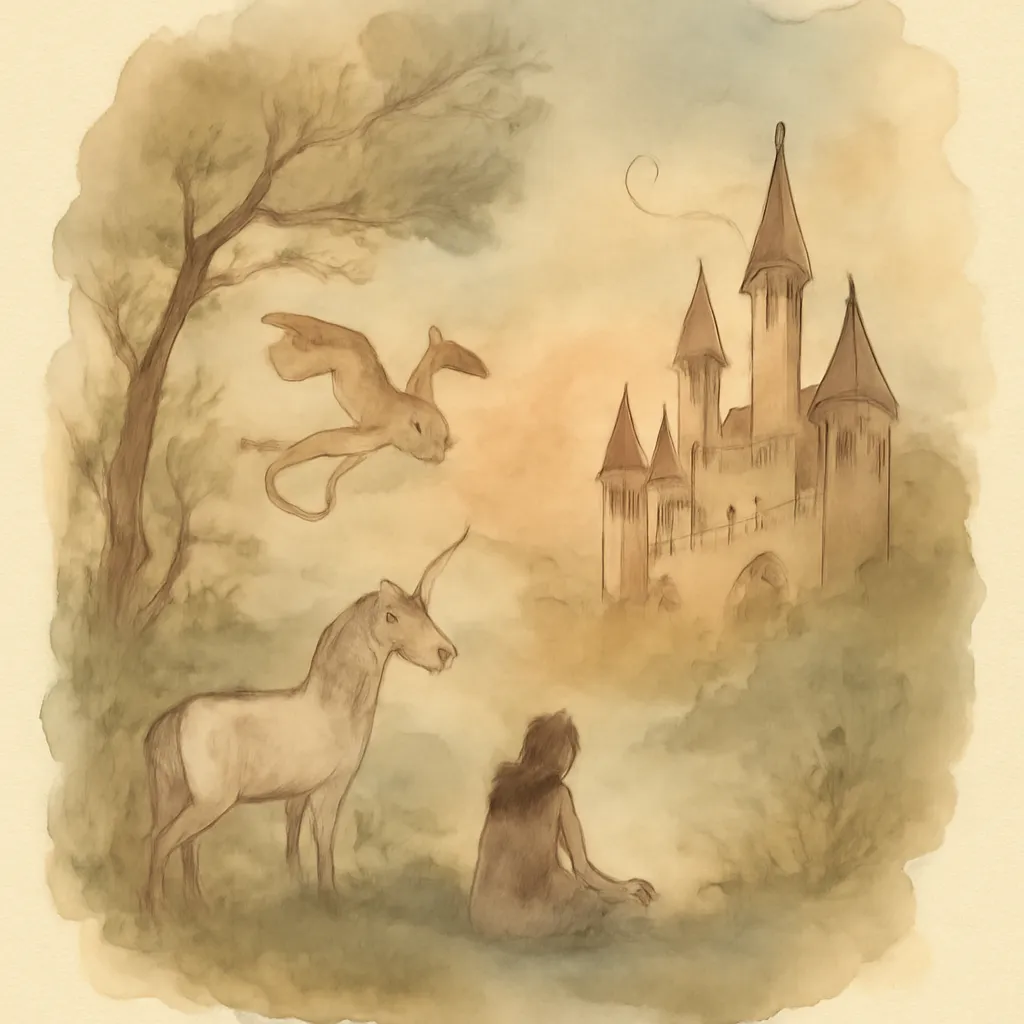
The book delves into the world of traditional and modern fairy tales, highlighting their cultural significance and universal themes. Traditional tales, often passed down orally, are rich with elements of folklore, reflecting the values and beliefs of the societies from which they originate. These stories capture the imagination of children, transporting them to realms of magic and adventure while imparting lessons about bravery, kindness, and resilience. Modern fairy tales, on the other hand, often reinterpret classic narratives, introducing contemporary themes and characters that resonate with today's young readers. The author encourages educators to explore the vast array of fairy tales available, recognizing their potential to engage children and stimulate their creativity. By integrating both traditional and modern tales into the curriculum, teachers can create a dynamic literary experience that appeals to diverse interests.
4.The Role of Myths in Education
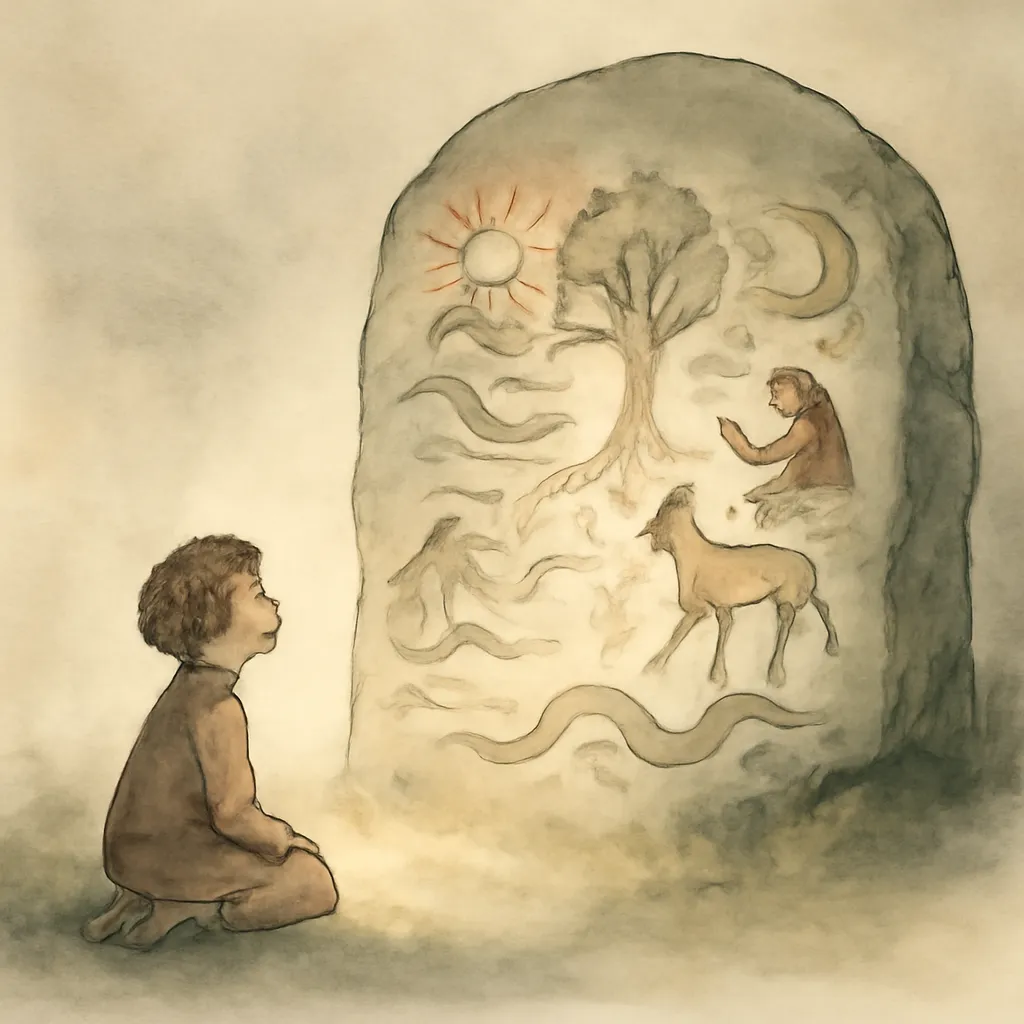
Myths serve as foundational narratives that explain the origins of the world and human existence, offering children a glimpse into the beliefs of ancient cultures. The book discusses how myths can be utilized in the classroom to foster a sense of wonder and curiosity about the world. By exploring stories from Greek, Roman, and Norse mythology, educators can introduce students to timeless themes of heroism, love, and sacrifice. Myths also provide an opportunity to discuss moral and ethical questions, encouraging children to reflect on their values and beliefs. The author emphasizes the importance of connecting these ancient stories to contemporary issues, helping students see the relevance of myths in their own lives. By incorporating myths into the curriculum, teachers can cultivate critical thinking and inspire a deeper understanding of cultural heritage.
5.The Beauty of Poetry for Children
Poetry is presented as a vital component of children's literature, offering a unique avenue for emotional expression and creativity. The book highlights various poets and their works that resonate with young audiences, showcasing the beauty of language and imagery. Poetry encourages children to engage with language in a playful and imaginative way, fostering a love for words and rhythm. The author underscores the importance of reading poetry aloud, as the musicality of verses can enhance comprehension and enjoyment. By introducing children to diverse poetic forms and themes, educators can inspire them to explore their own creativity and develop their voices as writers. The book advocates for the inclusion of poetry in the classroom as a means of enriching the literary experience and nurturing emotional intelligence.
6.Realistic Stories and Life Lessons
Realistic stories are discussed as a means of reflecting the everyday experiences of children, providing relatable narratives that address common challenges and emotions. The book emphasizes the importance of selecting stories that resonate with students' lives, as these narratives can foster empathy and understanding. By exploring themes such as friendship, family dynamics, and personal growth, realistic stories help children navigate their own experiences and emotions. The author encourages educators to incorporate contemporary realistic fiction into their teaching, recognizing its potential to spark important discussions and reflections. These stories not only entertain but also serve as valuable tools for social and emotional learning, equipping children with the skills they need to face real-world situations.
7.Nature Literature's Impact on Children
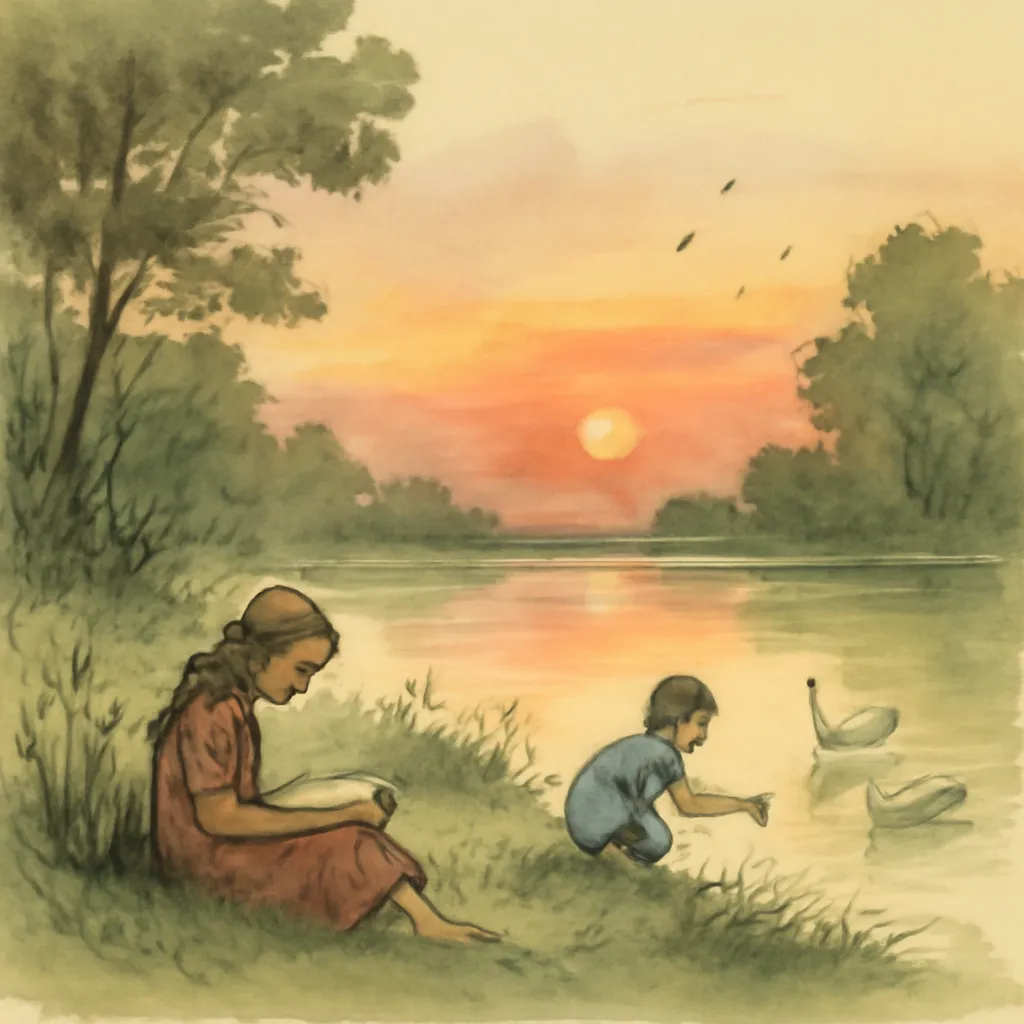
Nature literature is highlighted as a genre that connects children with the natural world, instilling a sense of wonder and appreciation for the environment. The book discusses how stories centered around animals, plants, and ecosystems can foster curiosity and a sense of responsibility towards nature. By immersing children in narratives that celebrate the beauty of the outdoors, educators can inspire a lifelong love for nature and encourage environmental stewardship. The author points out that nature literature often features themes of adventure and discovery, making it particularly engaging for young readers. By integrating nature-focused stories into the curriculum, teachers can help children develop observational skills and a deeper understanding of ecological systems. This connection to nature can also enhance children's well-being, promoting mindfulness and appreciation for the world around them.
8.Cultural Diversity in Children's Literature
Cultural diversity is a central theme in children's literature, providing opportunities for children to explore and appreciate different cultures and perspectives. The book emphasizes the importance of including stories from various cultural backgrounds, as they enrich the literary landscape and promote inclusivity. By exposing students to diverse narratives, educators can help foster empathy and understanding among peers. The author encourages teachers to seek out literature that reflects the experiences of marginalized communities, recognizing the power of storytelling in shaping identity and belonging. Through discussions around cultural diversity, children can learn to celebrate differences and develop a more nuanced understanding of the world. The book advocates for an inclusive approach to literature, ensuring that all students see themselves represented in the stories they read.
9.The Importance of Teacher Familiarity with Literature
The book underscores the necessity for teachers to be well-acquainted with children's literature to effectively guide and inspire their students. Educators must not only be knowledgeable about classic texts but also stay informed about contemporary works that resonate with today's young readers. The author highlights the challenges faced by teachers in navigating the vast array of literature available, emphasizing the need for curated resources that align with educational goals. By developing a strong foundation in children's literature, teachers can confidently select books that engage and motivate their students. Furthermore, the book encourages educators to share their passion for literature with their students, creating a reading culture within the classroom. Through personal recommendations and enthusiastic discussions, teachers can inspire a love for reading that extends beyond the classroom.
10.Creating a Reading Culture in the Classroom
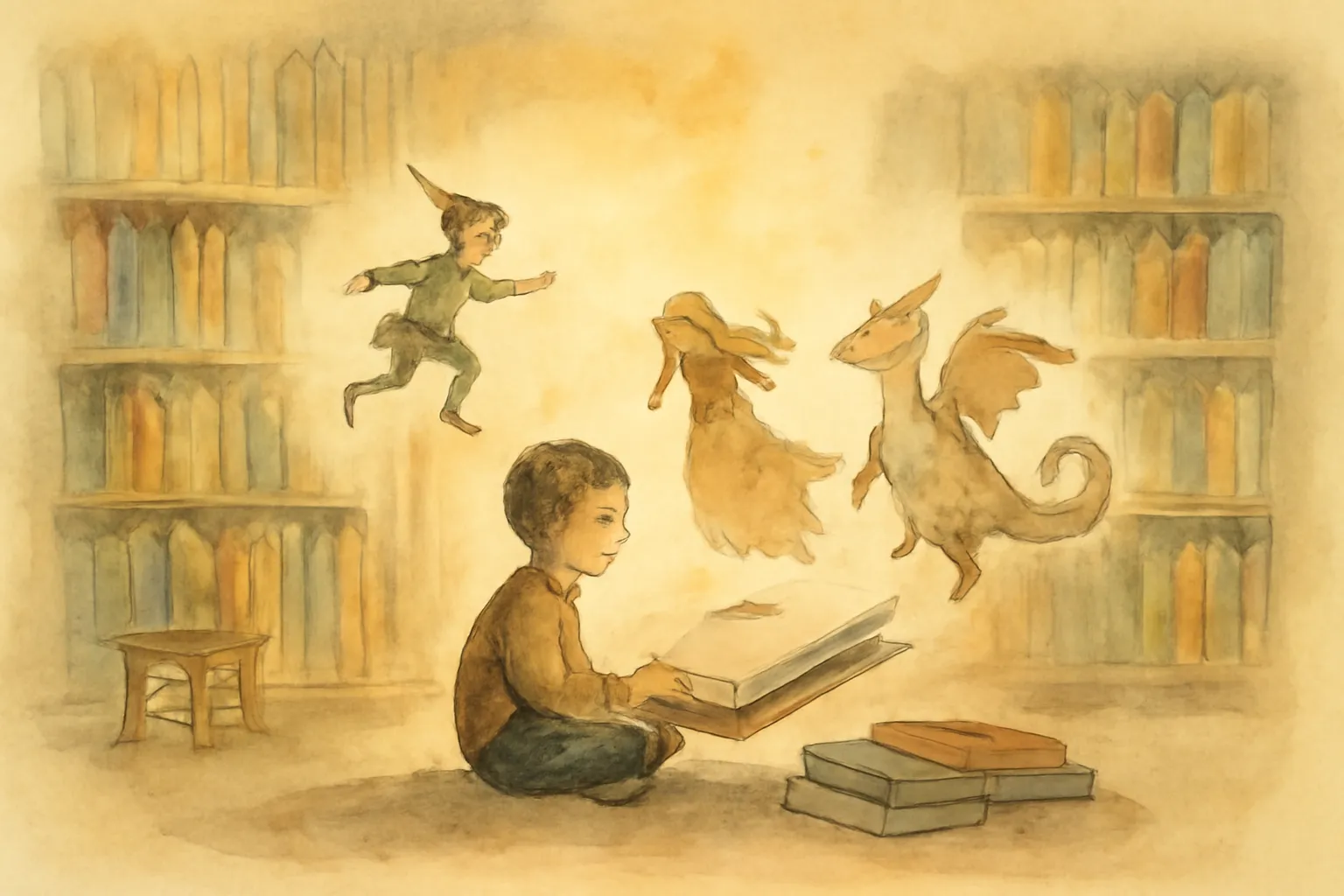
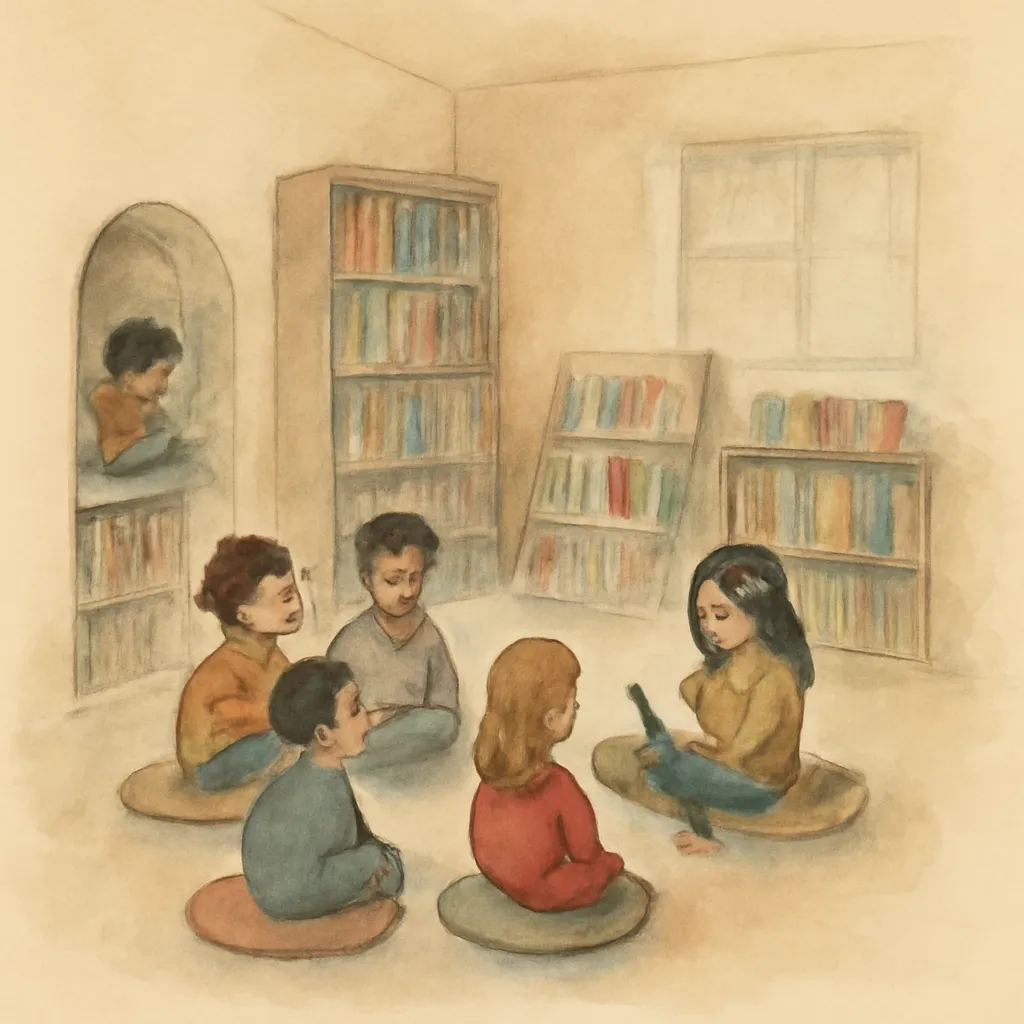
The book concludes with practical strategies for fostering a reading culture in the classroom, emphasizing the importance of creating an environment that promotes exploration and engagement with literature. This includes establishing reading corners, organizing book clubs, and incorporating storytelling sessions that invite children to share their thoughts and experiences. The author advocates for the use of interactive activities, such as dramatizations and creative writing, to deepen children's connection to the stories they read. By encouraging discussions around literature, teachers can help students develop critical thinking skills and articulate their responses to texts. The book emphasizes that a vibrant reading culture nurtures a sense of community and belonging among students, ultimately leading to a lifelong love for literature.