1.The Philosophical Pursuit of Wisdom
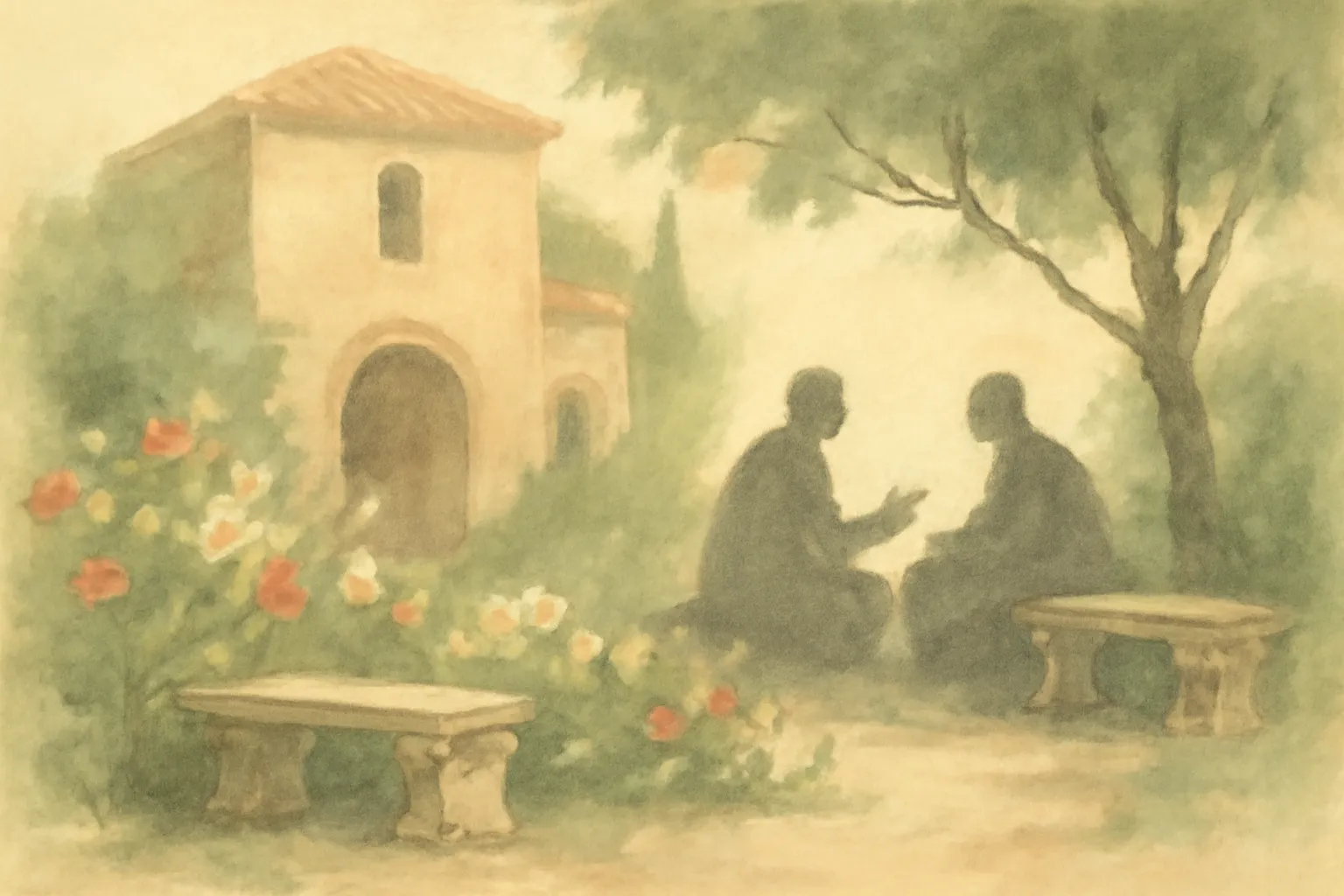
Cicero emphasizes the importance of philosophy as a guide to living well. He argues that the principles governing a good life are rooted in wisdom, which philosophy uniquely provides. Unlike mere rhetoric or idle speculation, philosophy addresses the deeper questions of existence and morality. By engaging in philosophical discussions with friends, Cicero illustrates that this pursuit enhances understanding and cultivates the mind. He believes that wisdom is not only derived from Greek thought but also significantly from Roman traditions, suggesting that both cultures contribute to a richer understanding of life. Cicero’s insistence on the value of Latin philosophy underscores his desire to make philosophical ideas accessible to his fellow Romans, enriching their cultural and intellectual heritage.
2.Contempt of Death as a Path to Peace
In the first book, Cicero tackles the fear of death, asserting that understanding death can liberate individuals from anxiety. He posits that death is an inevitable part of life and should not be feared. This perspective encourages a mindset where one can focus on living virtuously rather than being paralyzed by the thought of mortality. Cicero draws on philosophical traditions that teach the acceptance of death as a natural conclusion to life, emphasizing that those who cultivate a contempt for death can live more fully and authentically. He also discusses the emotional turmoil surrounding loss and encourages a rational examination of death, suggesting that those who fear the end of life are often hindered in their pursuit of happiness. By adopting a philosophical approach to death, individuals may find a profound resource for living a more tranquil and fulfilling life.
3.The Nature of Pain and Suffering
Cicero's exploration of pain in the second book reveals his belief that suffering can be managed through philosophical understanding. He acknowledges that while pain is an unavoidable aspect of life, how one perceives and responds to it can change its impact. Cicero cites examples from nature, asserting that pain is intrinsic to the human experience and serves as a teacher rather than merely a source of distress. He argues that a philosophical life, even when faced with pain, can lead to a more profound sense of happiness and fulfillment. By engaging with philosophical inquiry, individuals can develop the mental fortitude necessary to endure hardships. Cicero encourages readers to cultivate an inner resilience that allows them to navigate pain with dignity and grace, viewing it as an opportunity for personal growth rather than a purely negative experience.
4.The Role of Grief in Human Experience
Cicero examines the nature of grief in the third book, reflecting on his own personal losses, particularly the death of his daughter Tullia. He acknowledges the complex emotions tied to grief and the psychological struggles it brings. However, he also posits that grief can lead to deeper insights about life and the human condition. By discussing his grief openly, Cicero normalizes the experience of loss, suggesting that it is a universal aspect of being human. He encourages readers to seek wisdom in their suffering, suggesting that through grief, one can gain clarity about what truly matters in life. Cicero argues that the pain of loss can deepen one's understanding of love, connection, and the transient nature of existence, ultimately leading to a more enriched perspective on life’s relationships and values.
5.The Pursuit of Virtue as a Foundation for Happiness
Cicero's fifth book presents the compelling argument that virtue alone is sufficient for a happy life. He engages with the notion that external circumstances can influence happiness but ultimately asserts that true contentment comes from within. Virtue, for Cicero, is not merely a set of moral guidelines but a way of being that aligns one’s actions with the highest principles of goodness. He challenges the notion that fortune or luck plays a primary role in achieving happiness, instead positing that a virtuous life is its own reward. This idea serves as a rallying cry for readers to cultivate their moral character as a pathway to true joy. By prioritizing virtue, Cicero provides a timeless framework for ethical living that remains relevant across ages and cultures, urging individuals to reflect on their values and actions in pursuit of a fulfilling life.
6.Understanding the Divine: A Philosophical Inquiry
Cicero delves into the nature of the gods in his discussions, recognizing the diversity of beliefs that exist about divine beings. He contemplates whether the gods are active participants in human affairs or indifferent to them. This exploration reveals the complexity of religious thought and the philosophical implications of divine existence. Cicero argues that acknowledging the gods is essential for understanding humanity's place in the universe. He discusses varying philosophical perspectives, including those that depict the gods as completely detached from human action, and he critiques such views for undermining the moral responsibilities that come with belief. By engaging with different philosophical perspectives on the divine, Cicero encourages a more nuanced understanding of spirituality that transcends dogma and embraces inquiry, inviting readers to reflect on their own beliefs about the cosmos and their connection to it.
7.The Interconnection of Mind and Body
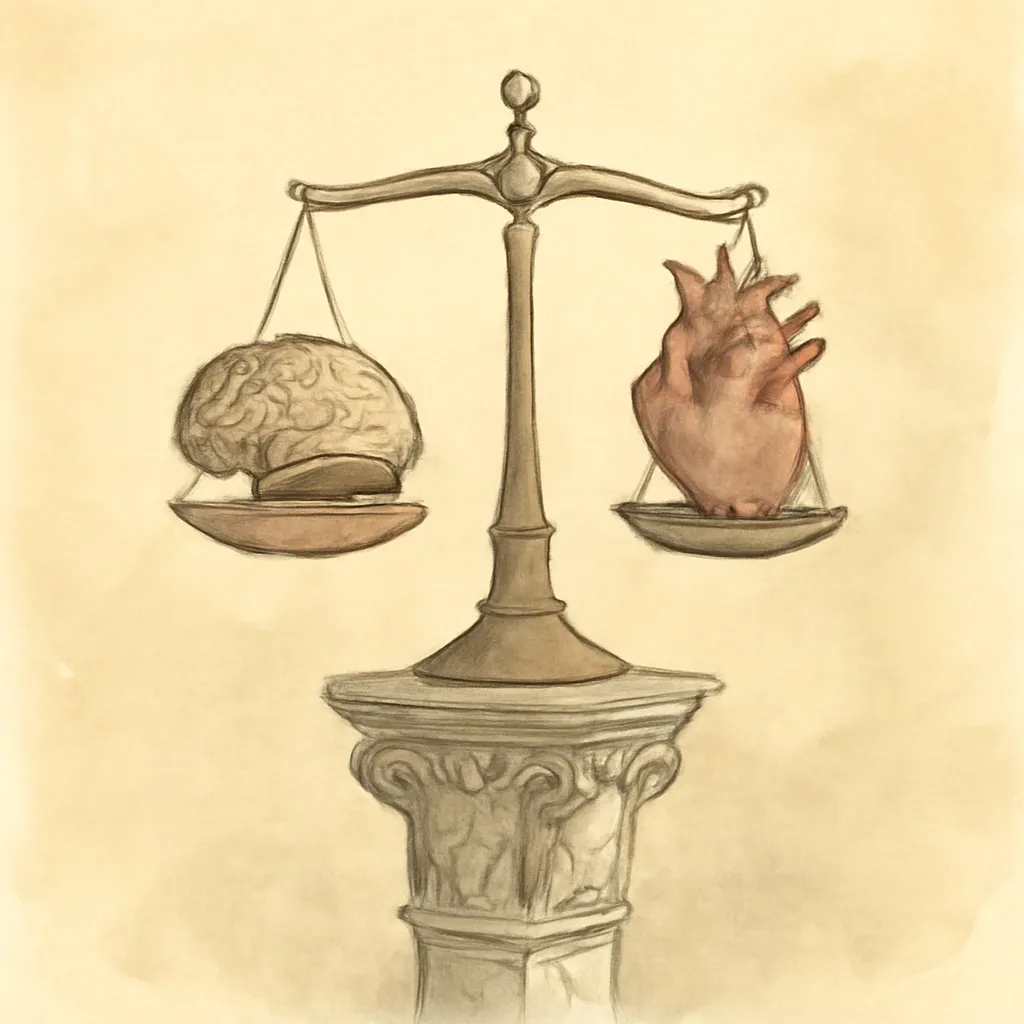
Cicero reflects on the relationship between the mind and body, emphasizing that both are essential to the human experience. He asserts that while the body may be fragile and subject to ailments, the mind possesses the capacity for reason and reflection. This duality is critical in understanding how individuals navigate life's challenges. Cicero argues that a well-cultivated mind can help mitigate the sufferings of the body, suggesting that mental strength is as vital as physical health. He examines how philosophical practice can fortify the mind, allowing individuals to approach bodily sufferings with a more resilient spirit. By framing the mind as a powerful tool in coping with the vulnerabilities of the body, Cicero highlights the importance of philosophical training in nurturing mental clarity and emotional strength, leading to a more harmonious existence.
8.The Commonwealth and the Essence of Justice
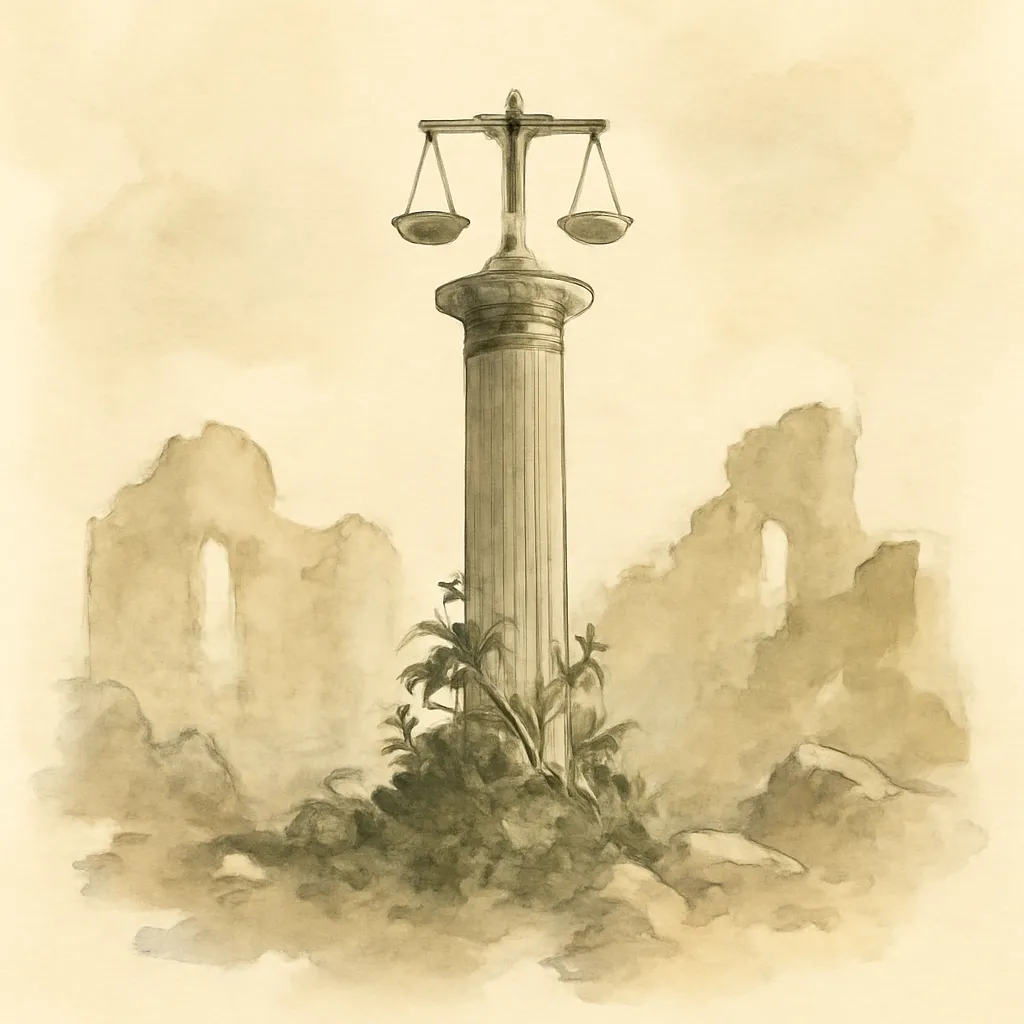
In his treatises on the Commonwealth, Cicero articulates a vision of governance that is grounded in justice and the common good. He argues that a successful society must be built on the principles of virtue and shared responsibility. Cicero critiques the notion of governance as a mere tool for power, instead advocating for a system that prioritizes the welfare of its citizens. He emphasizes that true justice arises from a collective commitment to ethical principles and the active participation of the populace. Cicero’s ideal commonwealth is one where leaders are virtuous and the governed are engaged, creating a harmonious society that reflects the moral character of its citizens. This perspective positions the Commonwealth not merely as a political entity but as a moral community, where the well-being of all is paramount, underscoring the reciprocal relationship between individual virtue and societal health.
9.The Legacy of Roman Virtue
Cicero reflects on the virtues of the Roman Republic, suggesting that the strength of the state lies in its moral character. He asserts that the Romans have historically excelled in courage, discipline, and the pursuit of justice. This historical perspective serves as a reminder of the values that underpin a prosperous society. Cicero calls for a return to these foundational virtues, arguing that neglecting them leads to societal decline. He critiques contemporary practices that stray from virtuous principles, emphasizing the need for moral integrity in both leaders and citizens. By invoking the legacy of Rome, he underscores the importance of maintaining ethical standards in governance and personal conduct as essential to sustaining a vibrant republic. This call to uphold Roman virtues serves as both a warning and a guiding principle for future generations, encouraging a revitalization of moral values in public life.
10.The Importance of Civic Engagement
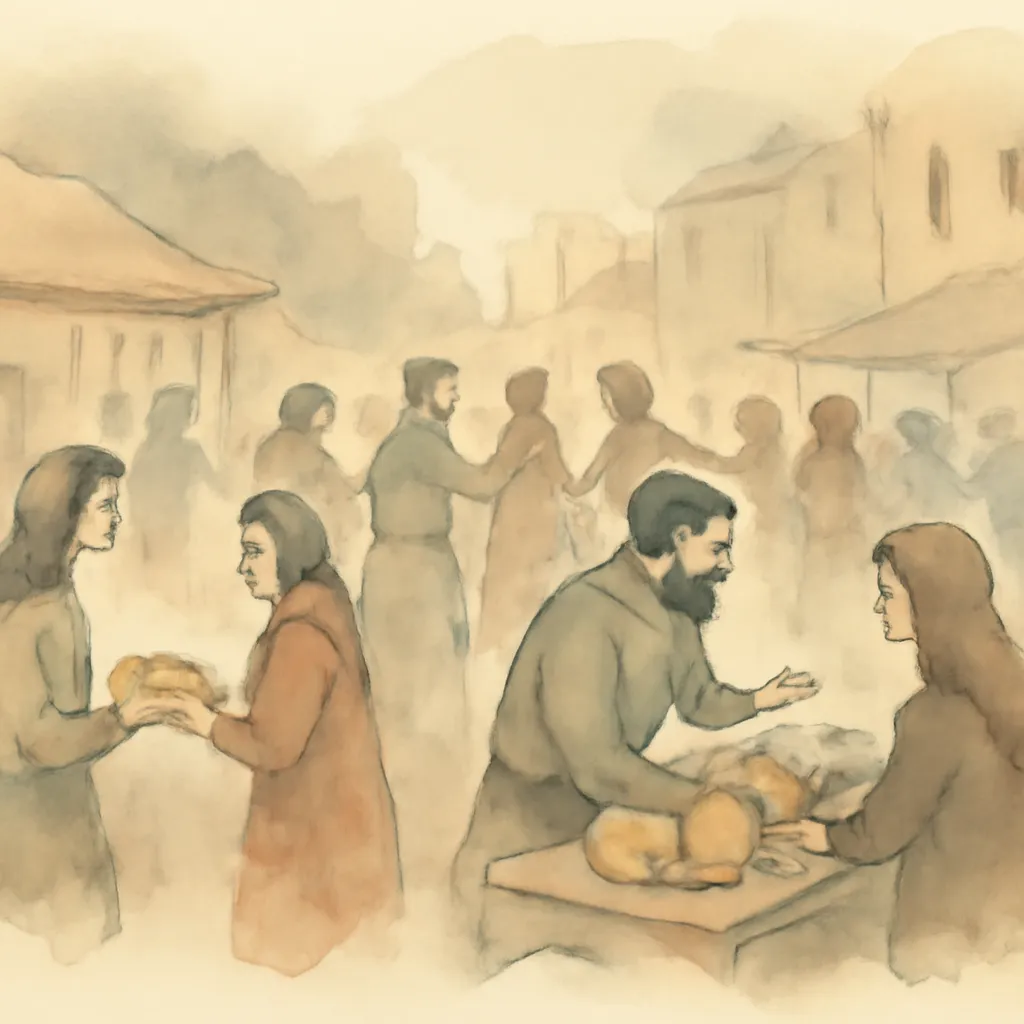
Cicero champions the virtue of patriotism, arguing that active participation in civic life is essential for a functioning democracy. He recounts examples of historical figures who prioritized the common good over personal comfort, illustrating the nobility of selfless service. Cicero contends that true virtue is demonstrated through action, not merely by holding philosophical beliefs. He urges readers to recognize their responsibility to engage with their communities and contribute to the welfare of the state. This emphasis on civic engagement highlights the role of individuals in shaping their society and maintaining the values that uphold it. By advocating for active participation in governance, Cicero reinforces the idea that a healthy democracy requires the involvement of its citizens, ensuring that the republic remains true to its foundational principles of justice and virtue.